Trump declares Iran ceasefire 'over' after strikes on Strait of Hormuz tankers
US President Donald Trump said the US-Iran ceasefire is "over" after Iran struck US military sites in Bahrain and Kuwait, hours after Washington hit more than 80 Iranian targets over tanker attacks in the Strait of Hormuz.
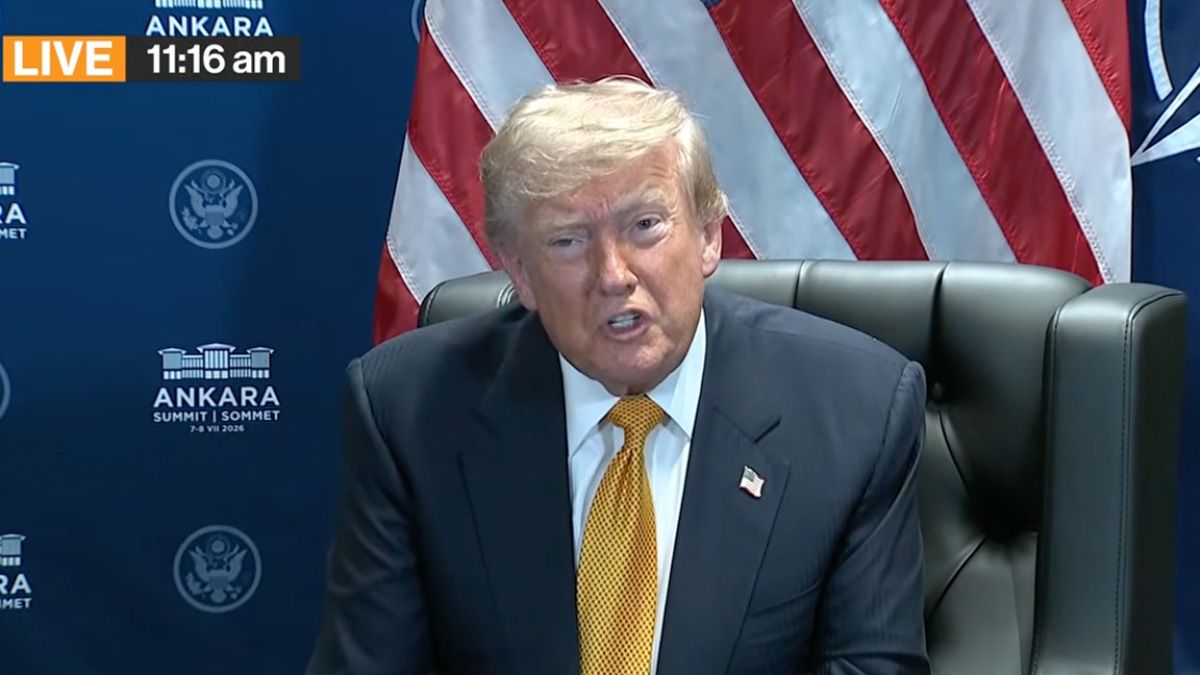
- Trump declares US-Iran ceasefire "over" at NATO summit in Ankara.
- Iran strikes US sites in Bahrain, Kuwait after US hits 80-plus Iranian targets.
- Attacks follow tanker strikes in Strait of Hormuz; oil prices surge.

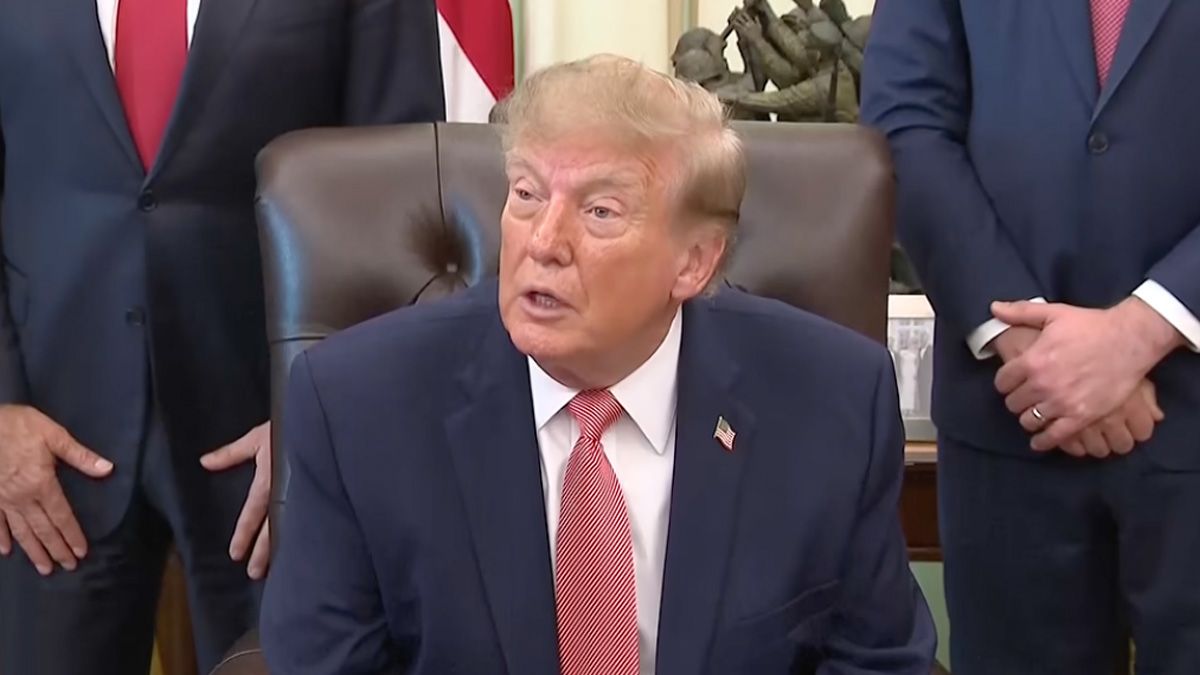
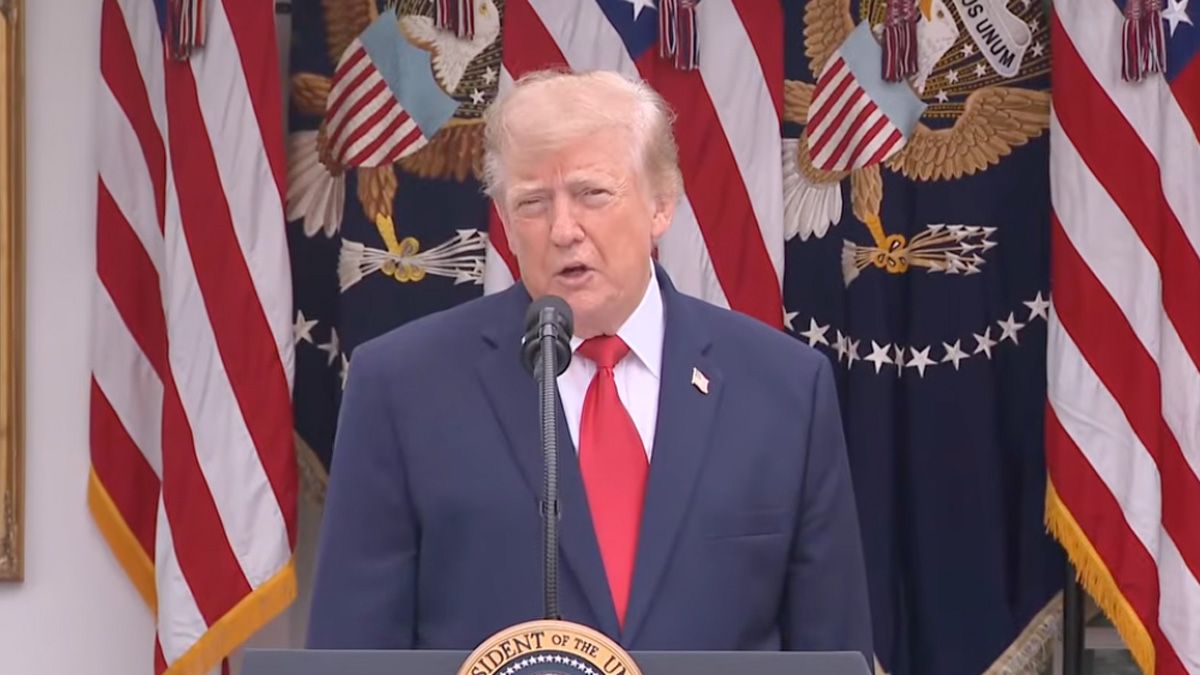
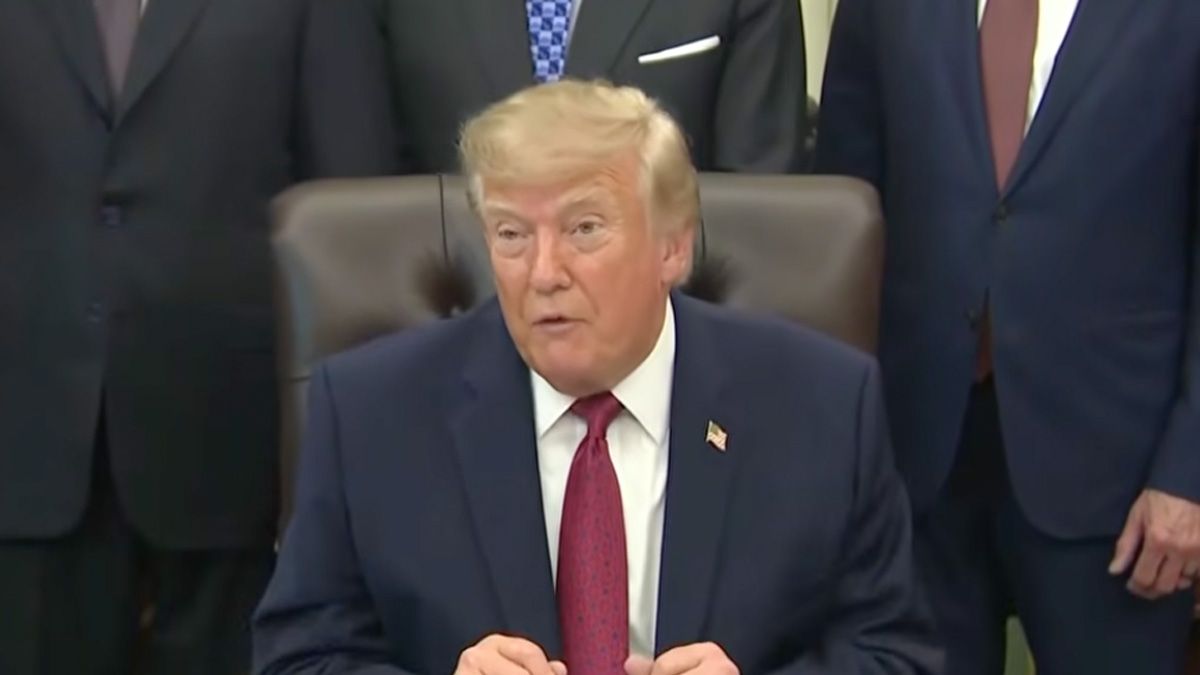
US President Donald Trump declared on Wednesday, 8 July 2026, that the ceasefire between the United States and Iran was "over", after a night of escalating strikes threatened to reignite full-scale hostilities between the two countries.
"I think it's over," President Trump told reporters at a NATO summit in Ankara, Turkey, hours after Iran's Islamic Revolutionary Guard Corps (IRGC) said it had targeted 85 US military facilities in Bahrain and Kuwait. The Iranian strikes came in response to a wave of US attacks that hit more than 80 sites in Iran overnight.
US Central Command (CENTCOM) said the strikes were "an immediate response" to Iranian attacks on commercial vessels transiting the Strait of Hormuz, a waterway through which roughly 20 per cent of the world's oil and liquefied natural gas usually passes. The US action hit Iranian air defence systems, command-and-control networks, coastal radar sites, anti-ship missiles and more than 60 small boats linked to the IRGC.
Iranian state media reported strikes on Qeshm island, Bandar Abbas and Sirik, as well as on coastal and civilian facilities in the provinces of Hormozgan and Bushehr. An Iranian soldier was killed by shrapnel in Bandar Mashahr, according to the IRGC.
President Trump was blunt in his assessment of Tehran's leadership. "They're scum. They're sick people. They're led by sick people, and they're vicious, violent people," he said, adding that Iran's leaders were "cuckoo" and accusing them of lying about the substance of prior negotiations.
He left open the possibility that talks could continue. "They can talk, but I think they're wasting their time," President Trump said, adding that his negotiators, Steve Witkoff and Jared Kushner, could keep engaging with Tehran "if they want", though he said he did not "see it" leading anywhere.
The clashes represent the most serious breach yet of the memorandum of understanding (MoU) signed by the US and Iran on 17 June, which had extended a fragile ceasefire following five weeks of war earlier this year. The agreement included the reopening of the Strait of Hormuz, a US$300 billion (£224 billion) reconstruction package for Iran, and a US pledge to terminate sanctions, but left the more contentious issue of Iran's nuclear programme for further negotiation.
Iran's Foreign Minister Abbas Araghchi accused Washington of a "flagrant violation" of the MoU, saying US strikes, the reinstatement of sanctions on Iranian oil sales, and Israel's ongoing conflict with Hezbollah in Lebanon had rendered "important and fundamental parts of the understanding" ineffective. He warned that Iran would "target the source and point of origin" of any attacks launched from Gulf states hosting US bases.
Iran's parliamentary speaker, Mohammad Bagher Ghalibaf, said "the era of bullying and extortion is over", adding: "It leads nowhere. We don't fold."
The immediate trigger for the latest escalation was a series of attacks on three tankers in the Strait of Hormuz this week: the Qatar-owned LNG carrier Al Rekayyat, the Saudi-owned crude tanker Wedyan, and the Liberia-flagged Cyprus Prosperity.
The United Kingdom Maritime Trade Operations (UKMTO) confirmed three separate incidents but said no casualties or environmental damage had been reported. Iran has not directly claimed responsibility for the attacks.
Kuwait's military said it intercepted two ballistic missiles and 13 drones overnight, with some power cuts reported but no injuries. Bahrain's Interior Ministry said sirens had sounded and residents were urged to take shelter. Qatar condemned the Iranian strikes on Bahrain and Kuwait as a "blatant breach" of international law and sovereignty, while urging a return to dialogue.
NATO Secretary-General Mark Rutte said the US strikes were "absolutely necessary", adding: "I think it is totally crucial that the US forcefully reacts." UK Foreign Secretary Yvette Cooper said Britain recognised US concerns about Iran "trying to continue to hijack the strait", though she said the UK was not involved in the overnight strikes.
Oil prices spiked on the news. Brent crude futures rose more than 6 per cent to around US$79 a barrel, reversing declines that had followed the June ceasefire.
Security correspondents noted that despite the scale of the exchange, neither side appeared to want a full return to war. The strikes come as Iran continues days of mourning for its supreme leader, Ayatollah Ali Khamenei, who was killed in an airstrike at the start of the conflict earlier this year.