Trump threatens to bomb Oman as Iran deal deadline lapses and vessel struck in Hormuz
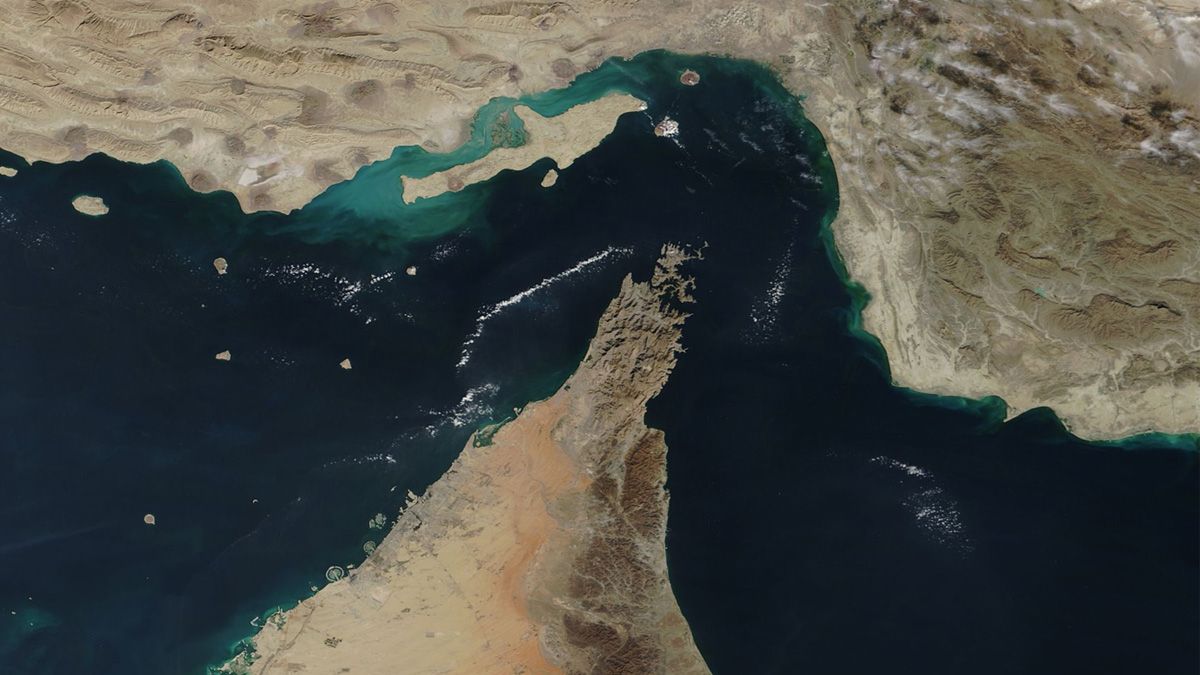
US President Donald Trump threatened to bomb Oman over the Strait of Hormuz as a 60-day US-Iran agreement expired, hours before a vessel was struck by an unidentified projectile in the strait.
- Trump threatened to bomb Oman as a US-Iran agreement deadline passed without a deal.
- A vessel was struck by an unknown projectile in the Strait of Hormuz on Tuesday.
- Iran denied Trump's claim of a direct backchannel with the Islamic Revolutionary Guard Corps.

US President Donald Trump has threatened to bomb Oman, a longstanding US ally, if the country "gets in the way" of Washington's own efforts to reopen the Strait of Hormuz, according to a report by Fox News.
The threat coincided with the lapse of a 60-day agreement between the United States and Iran without a broader peace settlement.
The remark, made during a phone interview with a Fox News correspondent, came as both the United States and Oman have separately been negotiating with Tehran to reopen the strait, a waterway critical to global energy supplies that has been largely closed for nearly six months amid the US-Iran war.
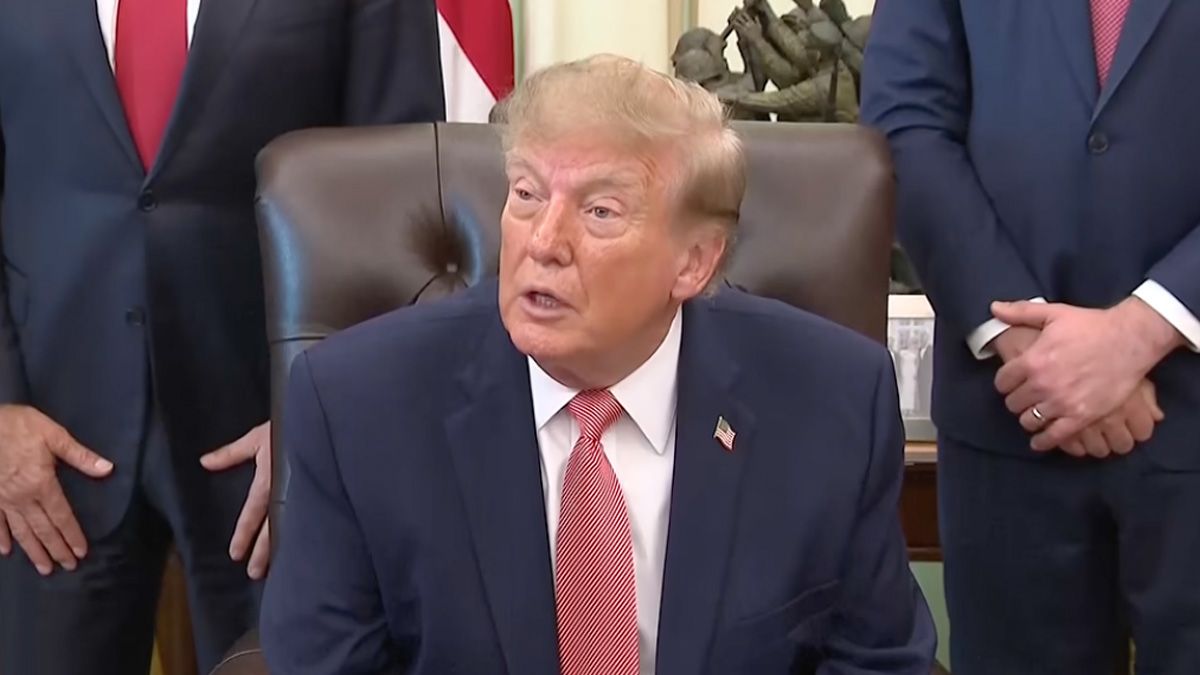
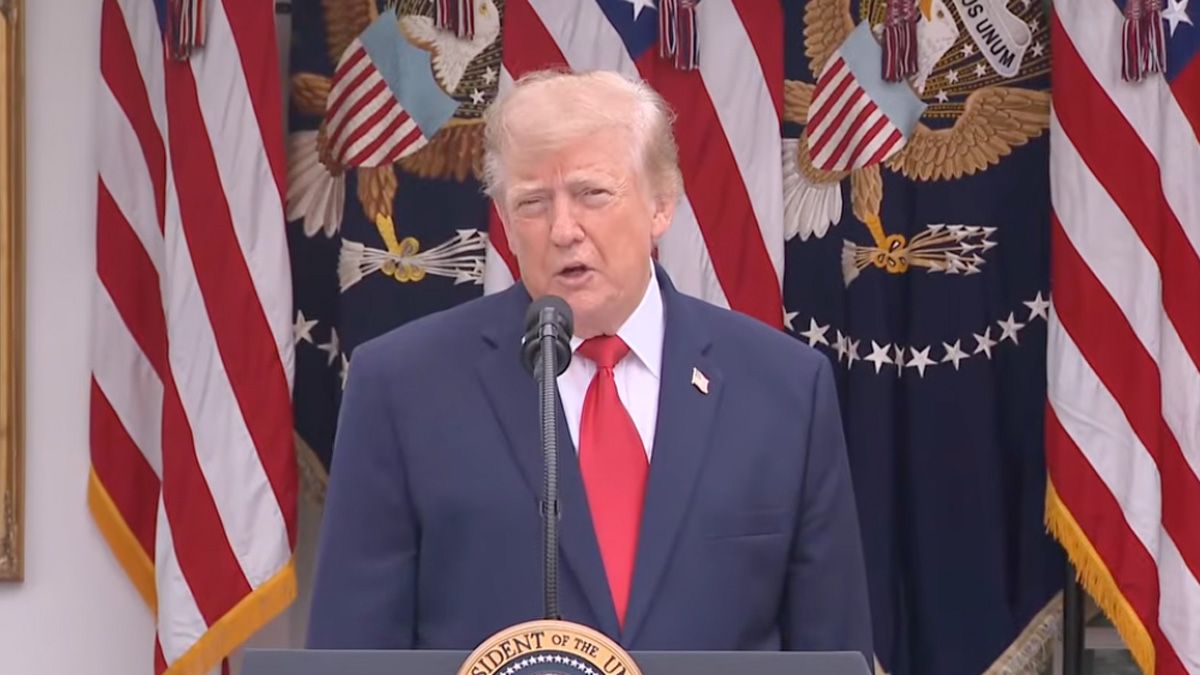
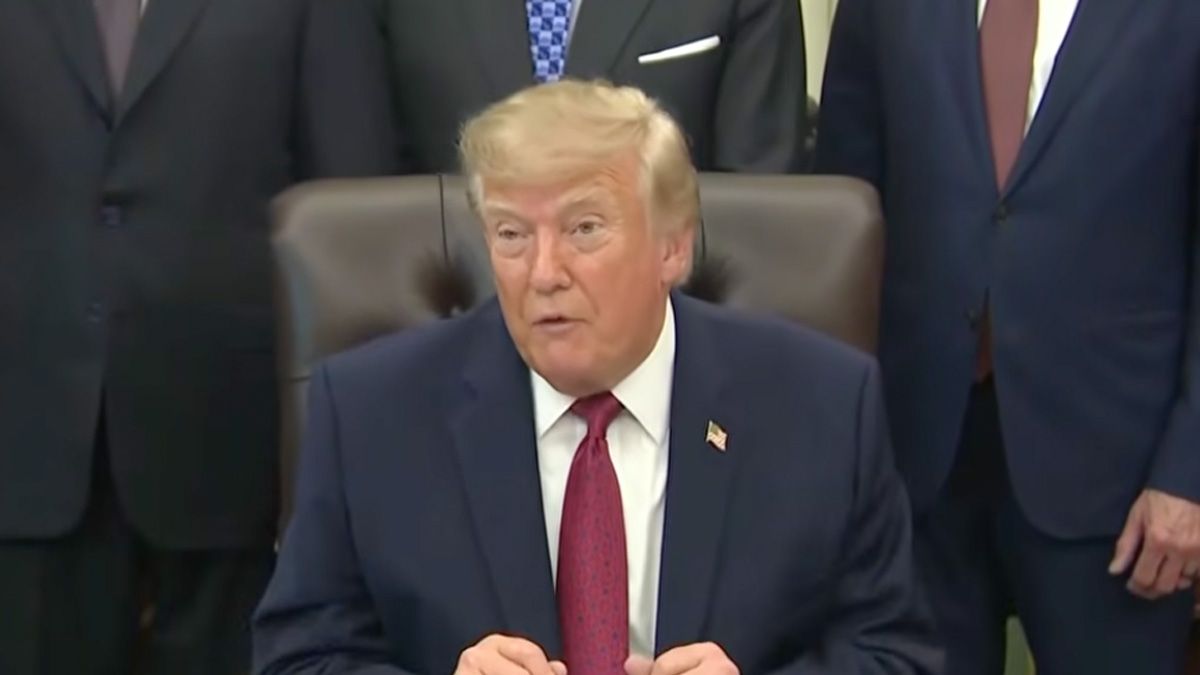
Speaking to reporters in the Oval Office on Monday, 17 August 2026, Trump was asked whether Oman had behaved poorly. He replied that the US could nonetheless handle the situation "very easily". Asked separately by a broadcaster whether he sought an extension of the bilateral agreement, he said, "No."
Vessel struck in the strait
Hours into Tuesday, 18 August 2026, the UK Maritime Trade Operations body said it had received a report that a vessel transiting outbound through the Strait of Hormuz was struck by an unidentified projectile, causing damage to the engine room and a casualty among the crew.
The remaining crew were being assisted by the Omani Coast Guard, the body said, adding that further details on the casualty had not been released. Commercial traffic through the strait has remained sharply reduced, with only a handful of vessels passing through in the preceding 24 hours, according to shipping data cited by CNN.
MoU expiry and disputed backchannel
Monday marked the formal expiry of a Memorandum of Understanding signed by the United States and Iran on 18 June 2026, which had set a 60-day window for a wider peace deal and at least partial reopening of the strait. The arrangement had already been undermined by resumed strikes from both sides in the interim.
Trump said during the same Fox News interview that his administration maintained a direct backchannel with Iran's Islamic Revolutionary Guard Corps (IRGC), a major military, economic and political force in the country. An IRGC spokesman rejected the claim in a statement carried by the semi-official Tasnim News Agency, dismissing it as a fantasy stemming from what he called Trump's wartime setbacks.
Iran's Foreign Ministry spokesman, Esmaeil Baghaei, said separately that Tehran and Oman had reached an understanding on a transit route map for the strait, with both sides expected to finalise details before a joint statement. He described continuing talks as complex but proceeding "in all seriousness".
Trump also said he liked the idea of declaring the Strait of Hormuz a US territory, telling reporters Washington already maintained a blockade there. He reiterated that preventing Iran from acquiring a nuclear weapon remained his administration's principal objective, and said he was in no hurry to conclude the conflict.
Wider fallout
Trump's Oman threat followed his announcement on Sunday that the Pentagon would scale back military drills with South Korea, citing cost and Seoul's non-participation in the Iran war, while praising his rapport with North Korean leader Kim Jong Un. Japan said on Tuesday that security cooperation between Washington, Seoul and Tokyo remained critical to regional stability.
Democratic Senator Mark Kelly criticised the Oman threat, telling CNN it made little sense to alienate a country he described as a critical negotiator with Iran, and said the administration had entered the conflict without a clear strategy.
Separately, Jared Kushner, Trump's son-in-law and adviser, said Iran was "not showing any interest" in a deal that served American interests, after meeting Israeli Prime Minister Benjamin Netanyahu in Israel. The US Central Command said it had redirected 64 commercial vessels, disabled three and boarded two under its naval blockade of Iran.
Oil prices rose amid the uncertainty, with Brent crude climbing 2.7 per cent to US$90.87 a barrel, while the S&P 500 slipped 0.5 per cent and the Dow Jones Industrial Average fell 272 points on Monday.