Judge orders Trump administration to cancel taxpayer-funded ads as DOJ confirms compliance
A US federal judge has ordered the Trump administration to cancel remaining taxpayer-funded advertisements promoting the president, as the Justice Department confirmed that a US$20 million ad campaign and its underlying contract have been stayed.
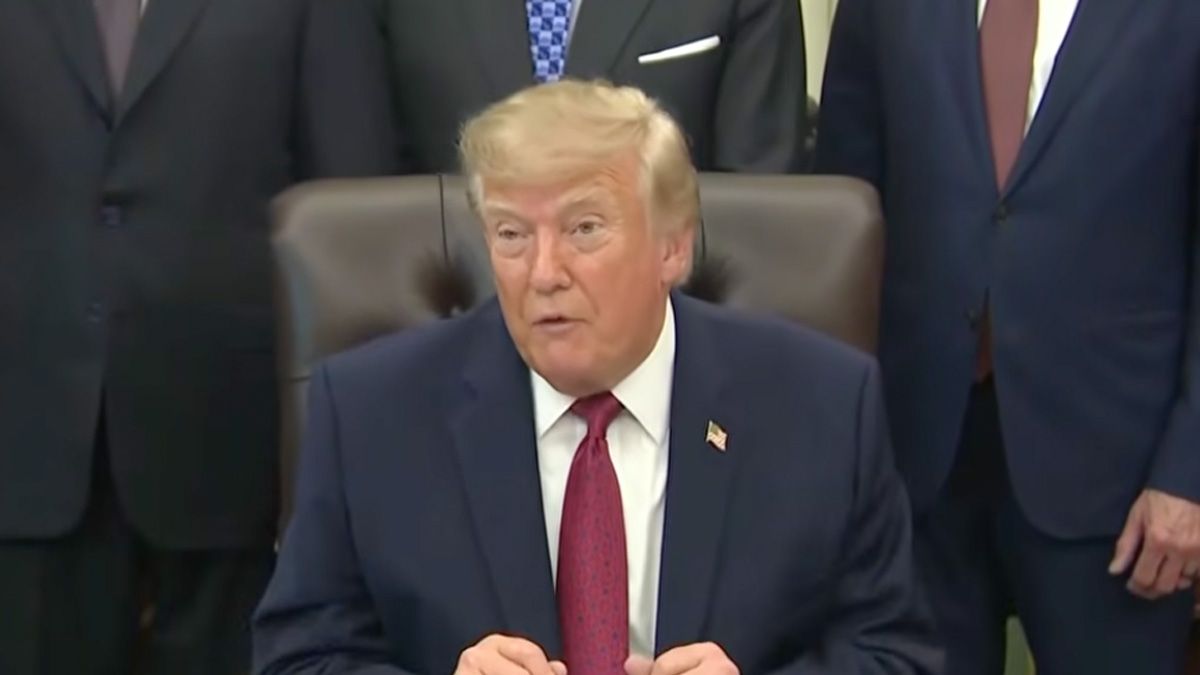
- A federal judge ordered the Trump administration to cancel remaining taxpayer-funded ads for two weeks.
- The Justice Department confirmed the US$20 million funding and vendor purchase order have been stayed.
- The White House says no immediate plans exist to reimburse funds already spent on the ads.

A federal judge in New York has ordered President Donald Trump’s administration to cancel any remaining television advertisements funded with taxpayer money, after a coalition of plaintiffs challenged the campaign as an unlawful misuse of public funds.
In a status report filed on Monday, 12 October 2026, the Justice Department told the court that the government was in compliance with the temporary restraining order, and that the contract underpinning the advertisements had been stayed.
US District Judge Jennifer L. Rochon of the Southern District of New York granted the temporary restraining order on Sunday night, 11 October 2026, siding with a coalition that includes the nonpartisan watchdog Common Cause.
The judge directed the administration to cancel any remaining advertisements, including any scheduled to air that Sunday night. Her order remains in force for two weeks.
“Defendants shall not enter into, renew, or expand any agreement authorizing the development, creation, dissemination, placement, or airing of the challenged advertisements,” the order states.
Government confirms compliance after overnight delay
In a letter addressed to Rochon, the Office of the United States Attorney for the Southern District of New York, which represents the defendants, confirmed that the government was complying with the order.
The letter also disclosed a delay in transmitting the order. According to the filing, the court emailed the order to the parties at 6.46pm on 11 October, and government counsel forwarded it to agency counsel at 7.58pm.
Agency counsel, however, did not become aware of that email until the following morning. The signatory of the letter apologised to the court and to the plaintiffs.
The Department of Homeland Security (DHS) then provided the order to the vendor behind the advertisements, Lepugh, Inc., which does business as LMD Agency, Inc. (LMD), on the morning of 12 October.
The filing stated that a purchase order entered into on or about 20 September 2026 between US Customs and Border Protection (CBP) and LMD had been stayed, including all future payments made under it.
The government further confirmed that the Office of Management and Budget’s (OMB) apportionment of US$20 million to fund the development, creation and airing of the advertisements had also been stayed.
The advertisements covered by the purchase order include those titled “The Country He Loves”, “Celebrating the Enduring Spirit”, “Final Battle”, “To the Great Proud People of Iran” and “Maduro”.
According to the filing, the defendants acknowledged that they are enjoined from using, disbursing or transferring DHS funds to develop, create, disseminate, place, distribute, publish or air the challenged advertisements.
The defendants also acknowledged that they must cancel, or cause to be cancelled, any slot, placement, reservation or arrangement for airing the advertisements, and must not enter into, renew or expand any agreement authorising them.
The letter stated that LMD has been notified that it is enjoined from continuing to run or place the advertisements.

Administration argued order was unnecessary
In a court filing late on Saturday, 10 October, the Justice Department argued that a restraining order was unnecessary because “the alleged offending conduct will end tomorrow”.
Asked for comment, the White House referred to a social media post by Trump on 5 October, in which he defended the taxpayer-funded advertisements as “rather standard”.
In the same post, issued amid mounting backlash, Trump said he would pay for the advertisements from his political fundraising instead.
A White House official said there were no immediate plans to reimburse the government for money already spent on the campaign.
The White House has defended the advertisements as public service announcements comparable to those used by previous administrations to promote various policies.
As reported by the Associated Press, however, the advertisements differ from many past public service announcements in that they are not aimed at helping members of the public benefit from specific government programmes.
Source of funding
In a court declaration filed on Saturday, senior DHS official Holly Mehringer wrote that the money came from funds appropriated by Congress.
According to Mehringer, those funds are “available for, among other things, ‘commemorating efforts and events related to border security.’”
Legal experts have suggested that the use of the money may have violated a federal statute barring congressionally appropriated funds from being used for “publicity or propaganda”, as well as potentially other laws.
Plaintiffs welcome ruling
The plaintiffs welcomed the ruling in a statement issued through Democracy Forward, the nonprofit legal organisation representing them.
“We are pleased the court acted swiftly to prevent more taxpayer dollars from being used for such blatantly unlawful political propaganda,” the statement said.
“There is no legal justification — and no precedent — for the president to use the machinery of the government and funds set aside by Congress for other uses to influence electoral outcomes that further his own agenda,” it added.
Content of the advertisements
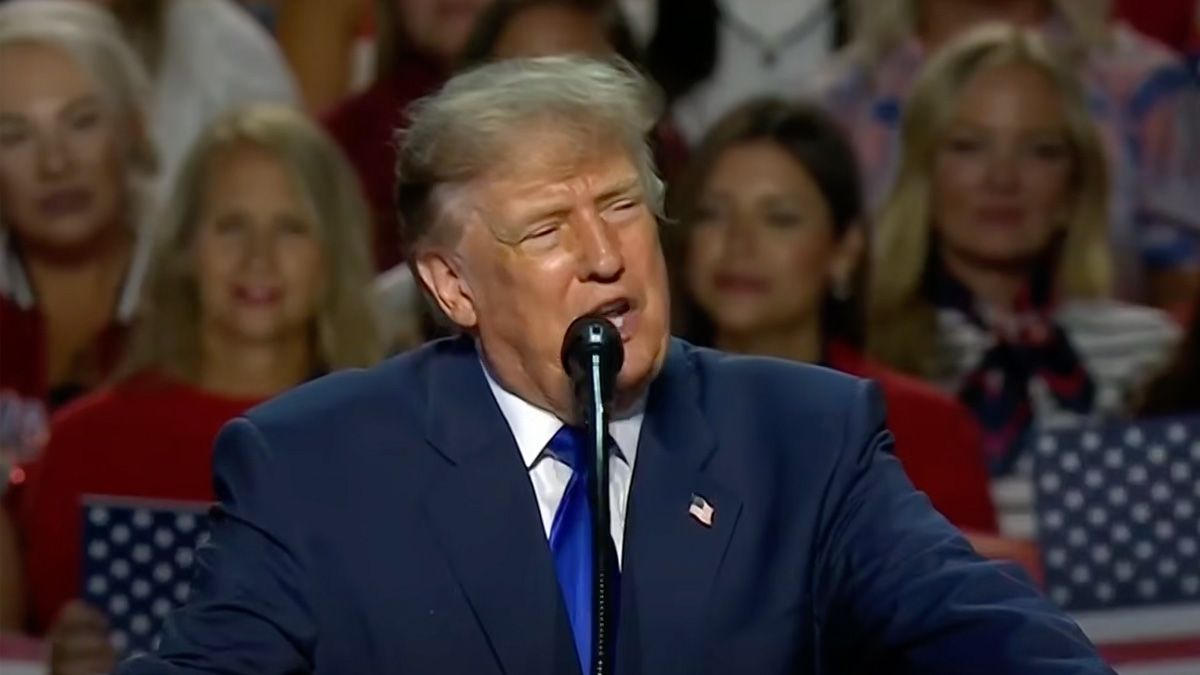
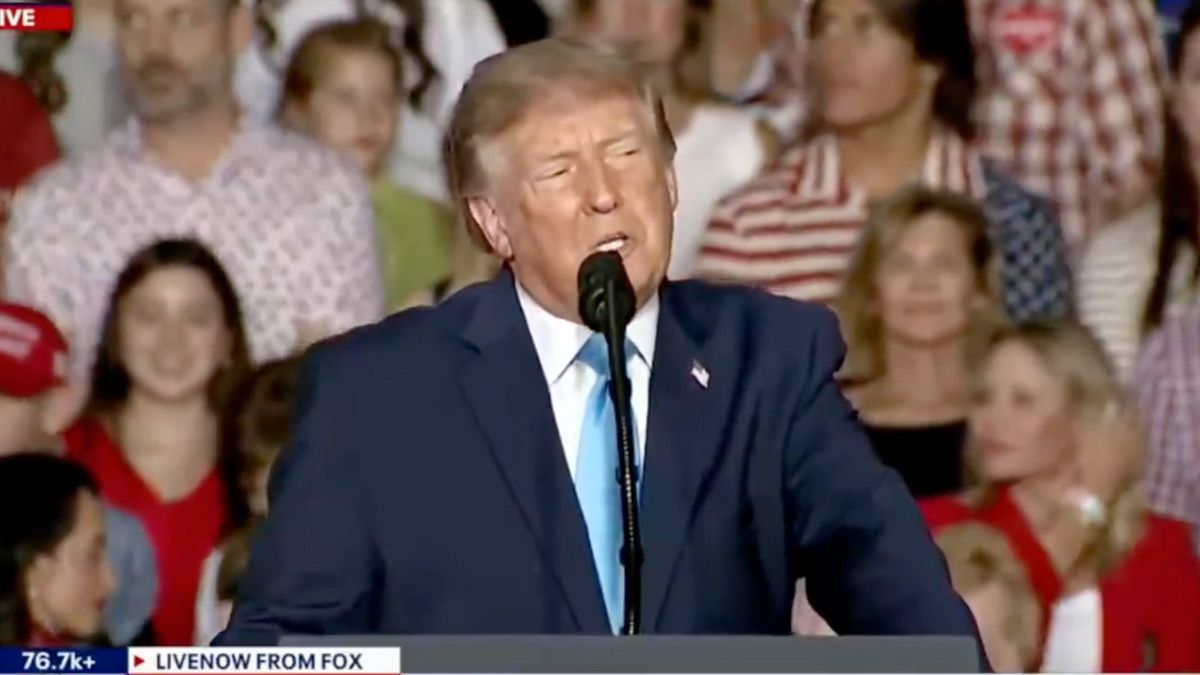
The advertisements began airing in late September. According to the Associated Press, they glorify Trump and echo his political messaging ahead of the midterm elections.
One features a clip of Trump discussing the threat of communism, while another replays an advertisement from his last presidential campaign.
The fifth advertisement in the campaign began airing on Tuesday, 6 October, and focuses on the administration’s capture of Venezuelan leader Nicolás Maduro.
Criticism across party lines
The use of public funds to pay for the advertisements drew heavy criticism, including from some members of the Republican Party.
“It shouldn’t be paid for with taxpayer dollars,” Senate Majority Leader John Thune, a Republican from South Dakota, told reporters.
The Democratic National Committee (DNC) has separately filed a lawsuit against the administration over the advertisements.
The case, Common Cause et al. v. Department of Homeland Security et al., is being heard in the US District Court for the Southern District of New York under case number 26 Civ. 8882 (JLR).