Zelensky accuses Trump of pushing Ukraine to capitulate as sanctions row deepens
Ukrainian President Volodymyr Zelensky has accused Donald Trump of pressuring Kyiv to capitulate to Russia, as Trump defended suspending Russia sanctions and said Zelensky “probably never” wanted to end the war.
- Zelensky said steps had been taken “to convince Ukraine to capitulate”, citing Starlink and Patriot delays.
- Trump said suspending Russia sanctions keeps Moscow negotiating, and accused Zelensky of not wanting peace.
- Strikes continued on both sides despite Trump’s announced “energy ceasefire” as Ukraine braces for winter.

Ukrainian President Volodymyr Zelensky has accused US President Donald Trump of pressuring Kyiv to capitulate to Russia, escalating a week-long dispute that has pushed relations between Washington and Kyiv to a new low.
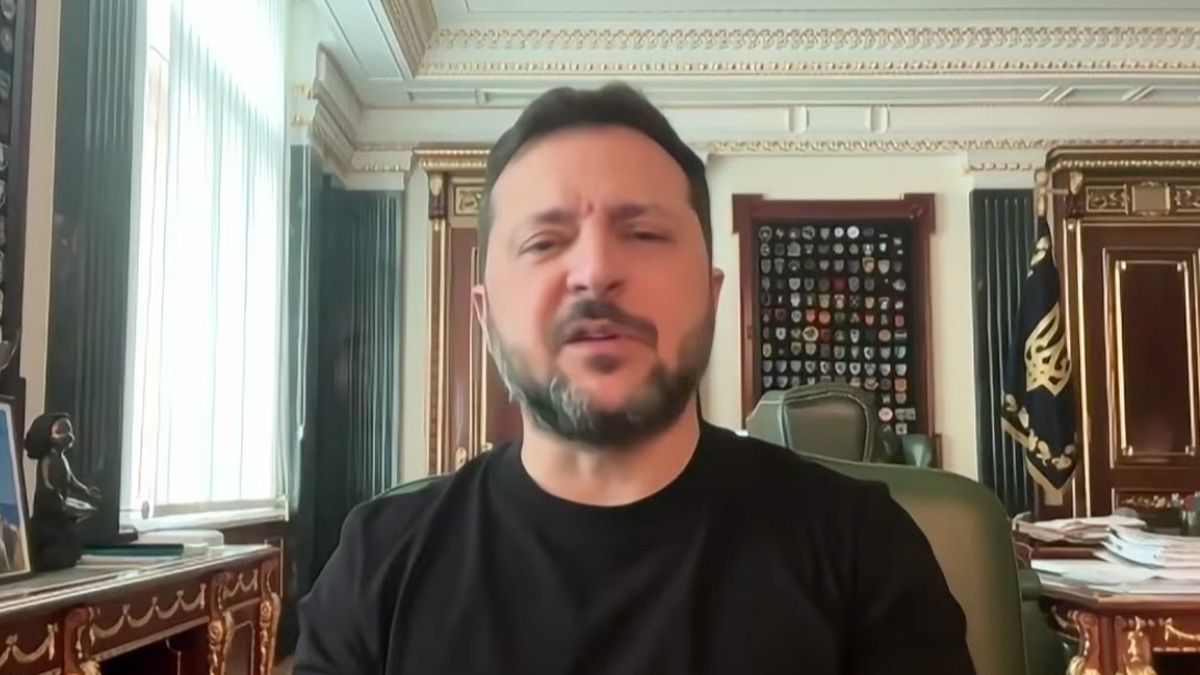
“I believe steps have been taken to convince Ukraine to capitulate,” Zelensky told Bloomberg in an interview at his office in Kyiv on Sunday, 18 October 2026.
He said he was not claiming this was the goal of Ukraine’s partners, and did not want to think they believed the war “could be ended sooner at Ukraine’s expense”. He added: “But that’s how it looks.”
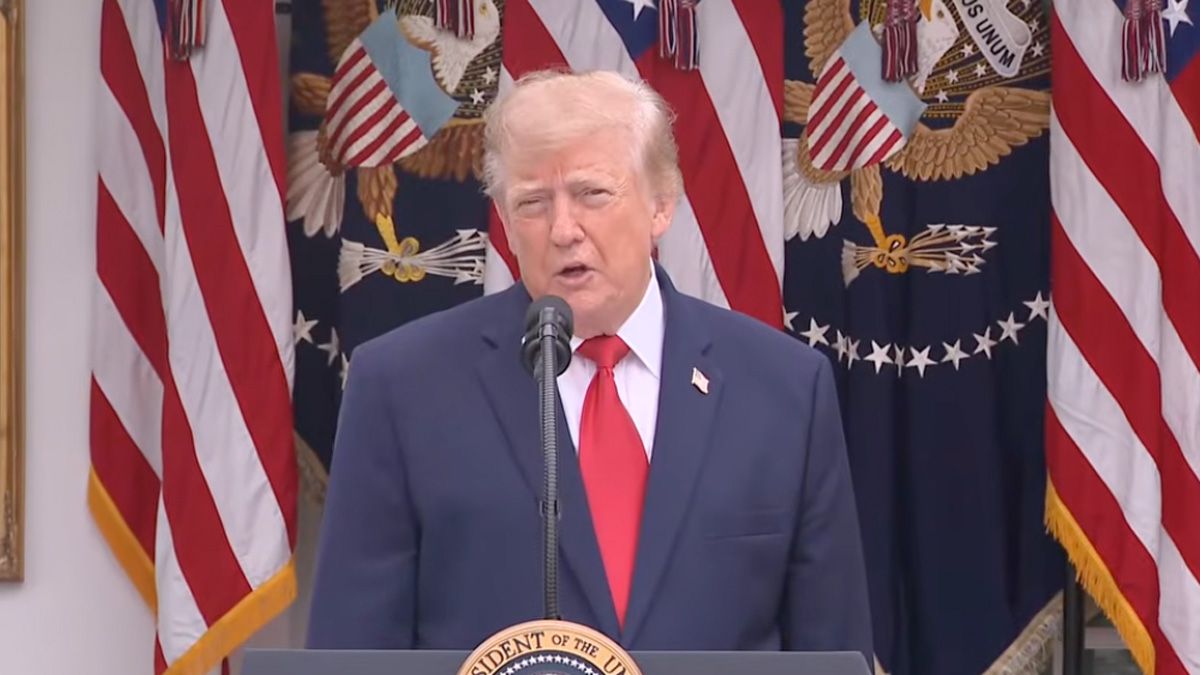
Later that day, Trump wrote on Truth Social that he was “in the process of negotiating Peace in the war between Russia and Ukraine”, defending his suspension of sanctions on Moscow and accusing Zelensky of prolonging the war.
A proposal on refineries and Patriot missiles
In the interview, Zelensky offered to accede to Washington’s demand that Ukraine stop striking Russian refineries, in exchange for more Patriot air-defence interceptors.
“My latest model was: We don’t target Russian diesel, you give us missiles for Patriot systems to protect our facilities,” he said.
“But they just want us to stop attacking diesel. And if we strike that, they will disconnect us from something,” he added, warning of “dangerous days ahead of the elections”, a reference to the US midterms on 3 November 2026.
The Trump administration has argued that Ukrainian refinery strikes have driven up energy prices, particularly for diesel. Bloomberg noted that global supplies have been far more significantly affected by the US war with Iran.
Ukraine has said it is ready to halt such strikes if Russia stops attacking Ukrainian energy infrastructure.
The diesel deal and sanctions waiver
According to Bloomberg, tensions peaked after Trump agreed a deal with Russian President Vladimir Putin. Washington would refrain from tightening sanctions, while Moscow would supply limited volumes of diesel to the global market to curb prices.
On the night of Friday, 16 October 2026, Trump signed an executive order waiving the planned restrictions, citing US national interests. The BBC reported that the move came two days before the sanctions were due to take effect.
The measures, passed by Congress and signed into law in September, form part of a law named after the late Senator Lindsey Graham. Bloomberg reported that the waiver drew a backlash from members of Trump’s own Republican Party.
US Secretary of State Marco Rubio has described the suspension as a 60-day pause, during which the sanctions’ potential impact on the US and global economies would be analysed, according to the BBC.
Russian envoy Kirill Dmitriev called the order “an important and truly historic moment”, saying the sanctions would have caused “serious damage” to the US and global markets.
Despite international sanctions, Russia has continued to export oil, much of it at discounted prices. The Centre for Research on Energy and Clean Air (CREA) estimates that China takes about half of Russia’s crude exports and India about 37 per cent.
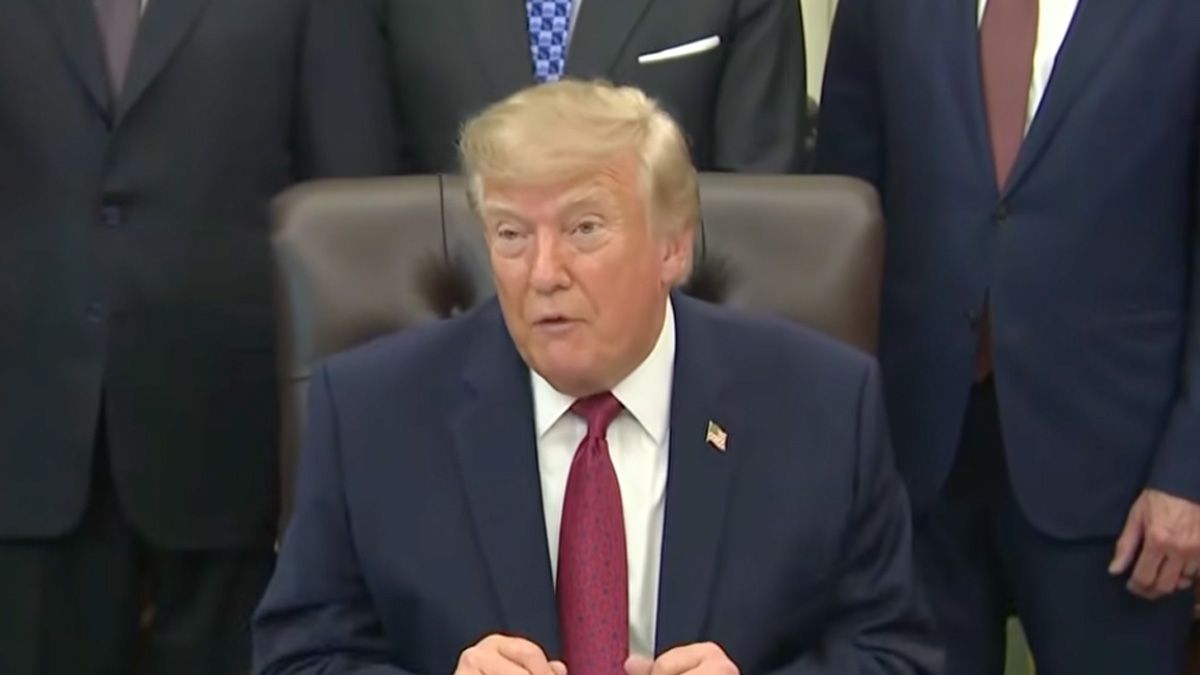
Trump told reporters late on Saturday that they did not know what his decision on further sanctions would be, CBS News reported.
On Sunday, he wrote that he did not want to “do anything that will drive, foolishly, Russia away from the bargaining table”, adding that “great progress” was being made, including in hostage negotiations.
He also wrote that Russia was “doing very little, if anything, to help the Islamic Republic of Iran”, and that he wanted to keep it that way.
A Wall Street Journal report, cited by Bloomberg, said Putin had proposed a meeting next month with Trump and Chinese President Xi Jinping to discuss ending the war. Trump has reportedly not agreed.
Trump renews criticism of Zelensky
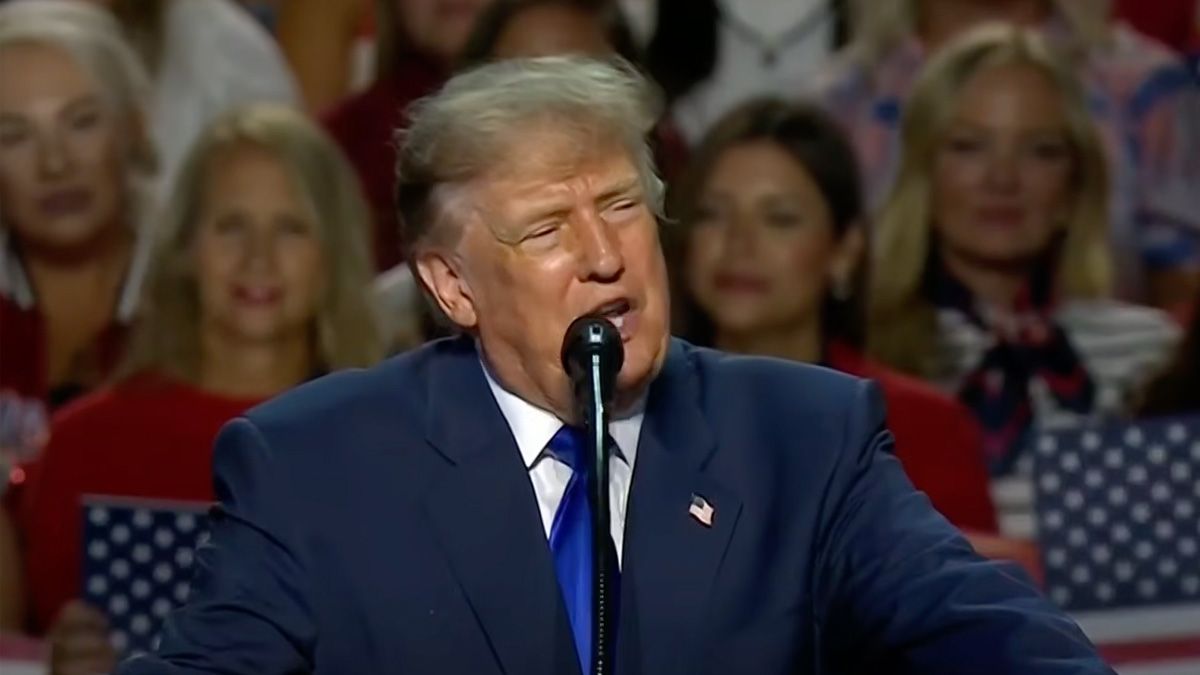
In the same post, Trump criticised Zelensky for “using Diesel Refineries in Russia as a target”, writing that “he doesn’t want to end this war, and probably never did”.
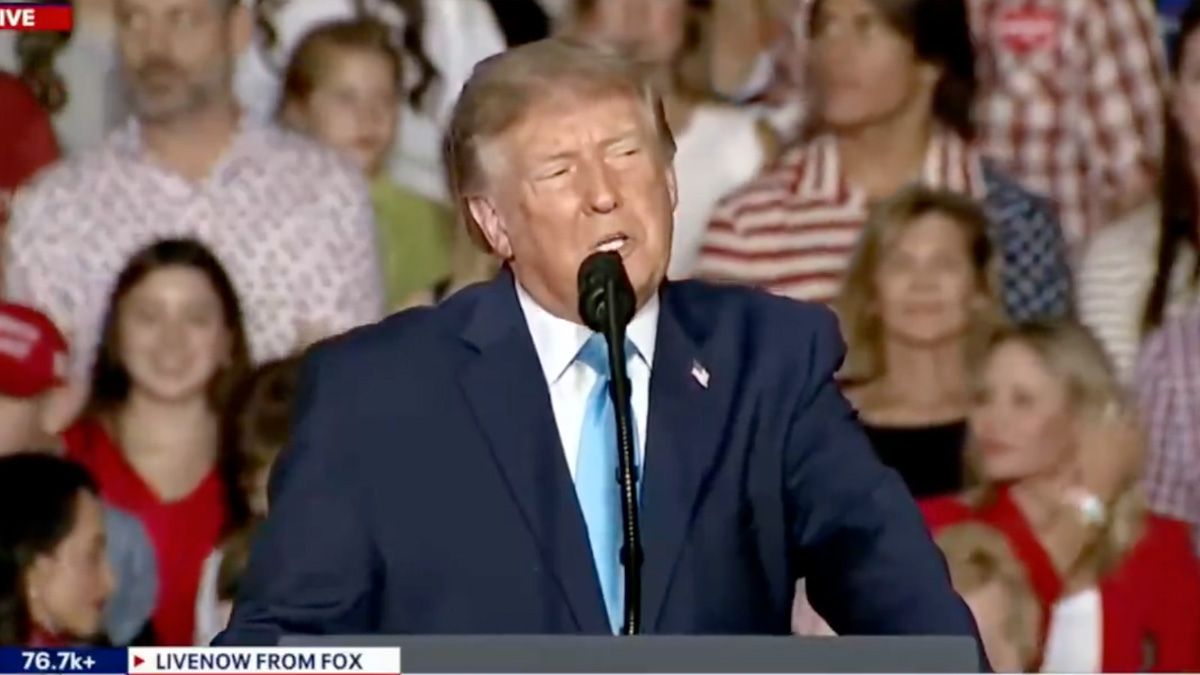
“He could have made a better deal two years ago than he can now,” Trump wrote, adding that Ukraine was “in shambles” and had lost a large portion of its land. “I WANT THIS WAR END!”
The BBC noted that Zelensky has repeatedly pushed for an end to the fighting, and has said Putin does not want peace, since Russia’s full-scale invasion in February 2022.
Earlier, after Trump said Zelensky was “more difficult to deal with” than Putin, Zelensky told a European Union summit in Brussels on Friday that it was nice to be among “real leaders”.

Warning of a ‘historic mistake’
Speaking on NBC’s Meet the Press on Sunday, Zelensky said waiving sanctions would strengthen Putin’s war effort, and that siding with Moscow would be a tragedy and a “historic mistake” for Washington.
“We can’t compare me and Putin. He’s aggressor. He occupied us. He killed adults and children, his soldiers. He’s a terrorist,” he said.
He also said US-Ukraine intelligence sharing had resumed after being “blocked for some period of time”.
Zelensky has described the diesel deal as tantamount to the US investing in Russia’s war effort, and said he expected the administration to lift further sanctions.
Starlink and Patriot deliveries
Zelensky told Bloomberg that Washington had made a series of unfriendly moves, including the deliberate slowing of Starlink internet speeds and delays to already scarce Patriot interceptor deliveries.
Starlink, operated by Elon Musk’s SpaceX, is crucial for Ukrainian troops and has been one of the country’s key battlefield advantages in a war now in its fifth year.
Asked who ordered the slowdown, Zelensky pointed to “the authorities, the White House”, citing unnamed sources. He said Starlink cut out above 161 kilometres per hour in Ukraine but worked without limits elsewhere.
Russian drones travel at around 400 kilometres per hour.
Zelensky told the BBC that US officials had attributed the restrictions to technical issues, but that Ukrainian tests on EU territory found Starlink operating at higher speeds.
Trump has denied deliberately slowing the network, as well as Zelensky’s accusation that the US had stopped sharing defence intelligence.
On the Patriot systems, Zelensky said Ukraine had paid for the weapons under the so-called PURL programme. “A part of the supplies has been authorised… while the rest haven’t been. And this is not a technical issue.”
He said the US was supplying only 12 Patriot interceptors a month, about a quarter of the pace under former President Joe Biden. Trump’s administration sells the missiles, whereas Biden’s provided them free as military assistance.
“I think that the president of the United States does have a good relationship with Putin,” Zelensky said. “But one thing doesn’t work here. Currently, Trump can’t force Putin to end the war.”
Strikes continue despite ‘energy ceasefire’
Both sides have continued to hit energy facilities. Bloomberg reported that Ukraine resumed strikes after pausing for several days to see whether Russia would observe the “energy ceasefire” announced by Trump.
According to CBS News, Ukraine launched more than 1,000 drones at Russia in one of its largest aerial attacks of the war. Russia’s Defence Ministry said it destroyed 1,015 drones over 15 regions, Crimea and the Black Sea.
St Petersburg Governor Alexander Beglov said at least one person was killed and five wounded in an attack that set fire to the Petersburg Oil Terminal and the city’s Ruchi oil depot.
A logistics centre belonging to retailer Ozon and a data centre operated by VK were also targeted, the companies confirmed.
Kremlin spokesperson Dmitry Peskov told the state news agency Tass that Kyiv was “resisting” but could not “change the current course of events”.
In Ukraine, officials said a woman was killed and at least two others, including a six-year-old girl, were wounded in two Russian attacks on Zaporizhzhia.
Late on Sunday, a Russian ballistic missile attack on Kyiv killed at least one person, local authorities said. Preliminary information indicated a missile struck a medical centre.
Citing a person familiar with the matter, Bloomberg reported that the US again shared no early warning of the launch, making it harder for Ukraine to repel the attack and alert civilians.
Zelensky said Russia had breached the “energy ceasefire” 76 times, and that overnight strikes on four regions left tens of thousands of families without power. He accused Moscow of trying to cause a blackout.
“America should see that Russia is not taking any reciprocal steps in response to sanctions relief or agreements,” he wrote on social media.
Diplomacy ahead of a hard winter
Zelensky said he had spoken with US envoys Steve Witkoff and Jared Kushner about the results of a 9 October 2026 meeting between US and Ukrainian negotiators in Miami, and about “next steps in diplomacy”.
He told Bloomberg another meeting was likely later this week. The three last met in Kyiv in early September, after the envoys held talks with Putin in Moscow.
The standoff comes as Ukraine braces for an exceptionally difficult winter. Bloomberg reported that jet-powered Russian drones and a severe interceptor shortage have left the country increasingly vulnerable.
Ukrainians already face hours-long blackouts, and major cities are preparing for possible cuts to heating, water and sewage services.
Zelensky said relations may improve after the midterms. “Politics is very aggressive during election time,” he said. “I think it is agony now, but after elections, life will continue and I believe it will be calmer.”
Asked about efforts to repair ties, he said one should intervene “while it’s still just a mild storm” when risks were “of tsunami proportions”. “I believe much more is at stake than the diesel deal.”