Trump threatens to "completely decimate" Iran after assassination calls at Khamenei's funeral
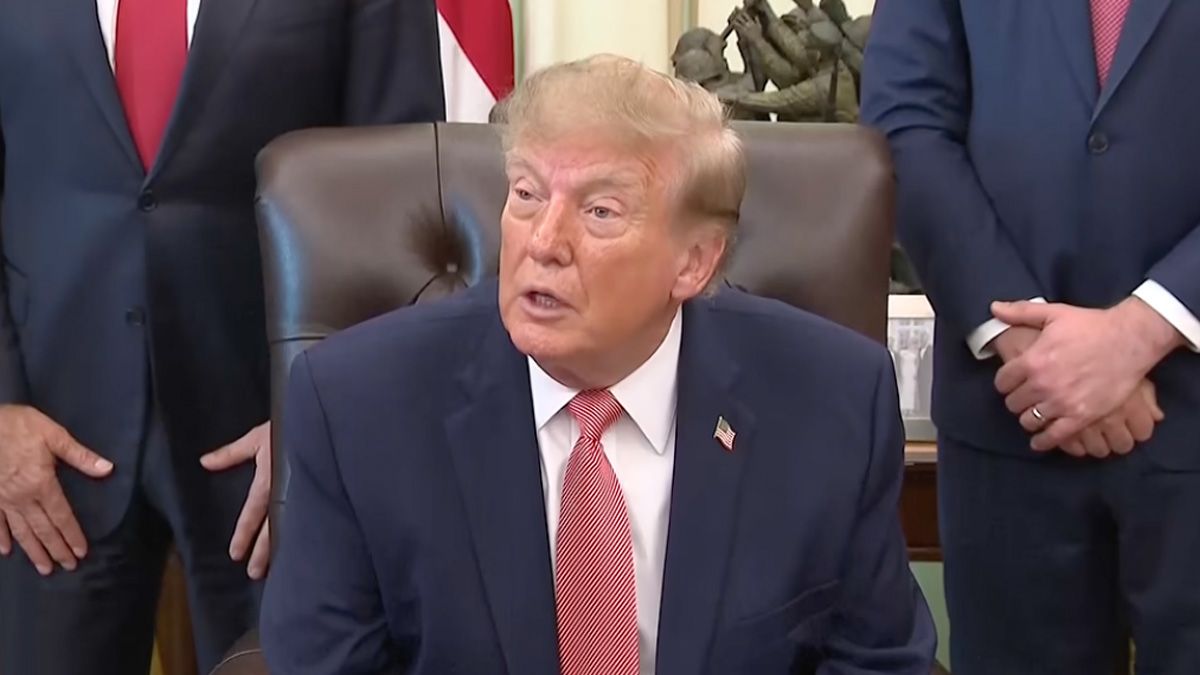
President Donald Trump has threatened to fire 1,000 missiles at Iran after mourners at Ayatollah Ali Khamenei's funeral called for his assassination, as a fragile US-Iran ceasefire continues to unravel.
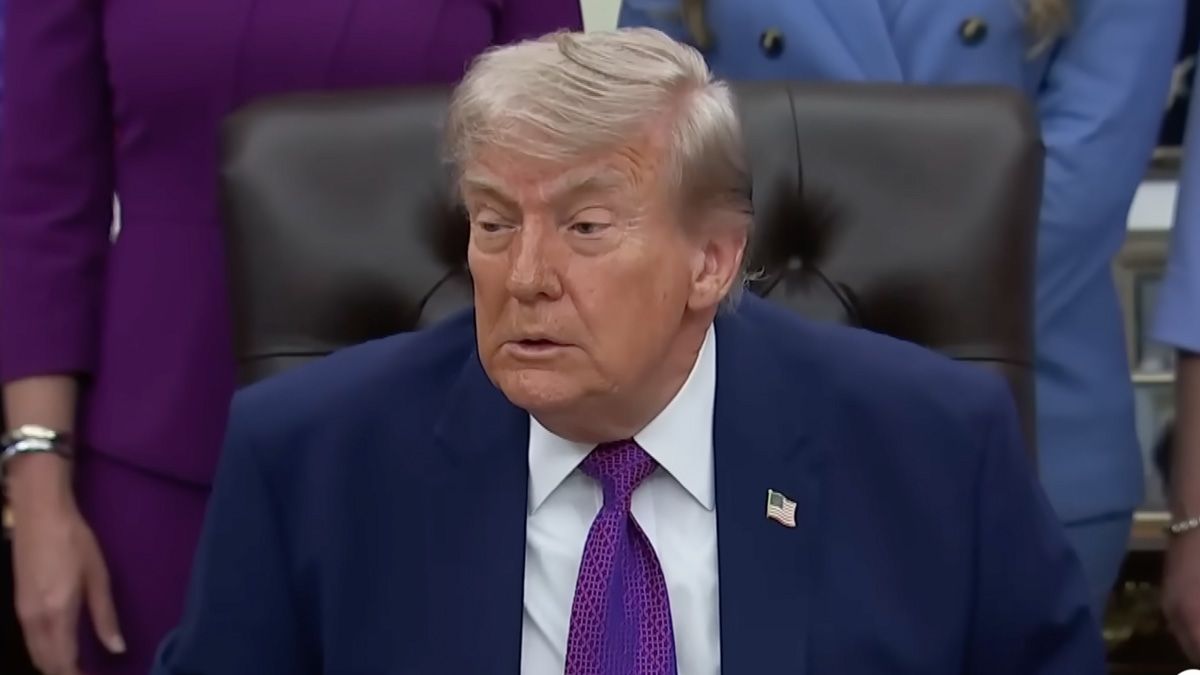
- Trump threatens 1,000 missiles against Iran over assassination threats made at Khamenei's funeral.
- Ceasefire strained by Strait of Hormuz attacks and stalled nuclear negotiations.
- Iranian officials accuse Washington of violating the interim deal on oil sales.

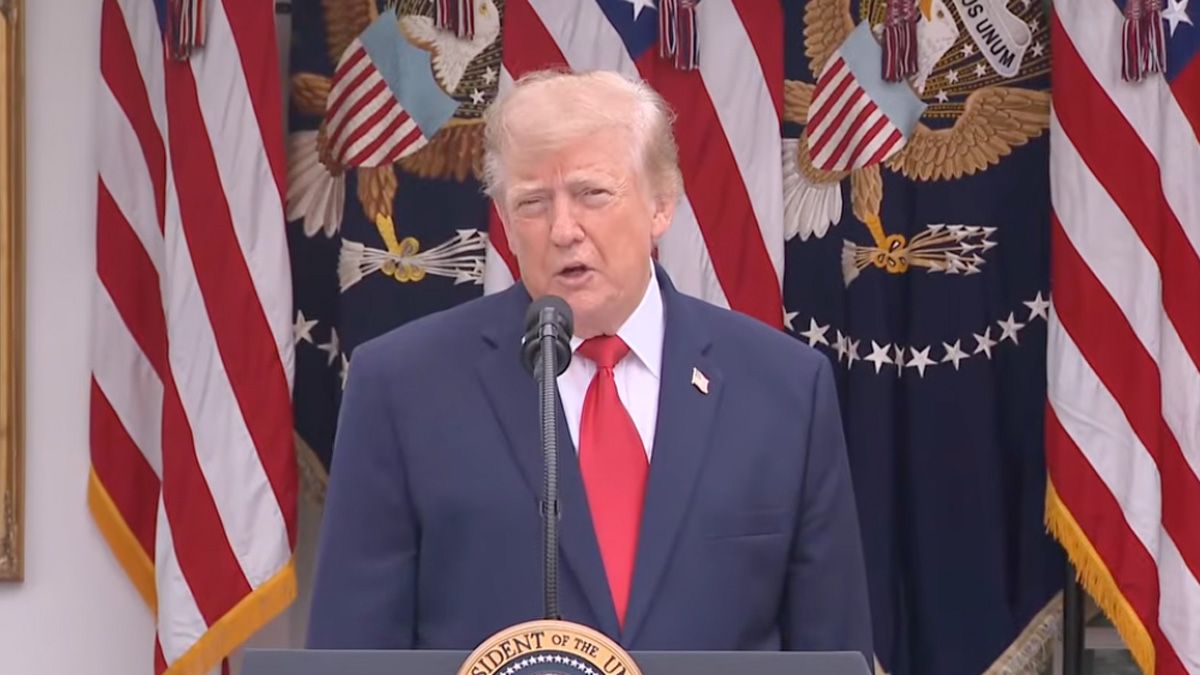
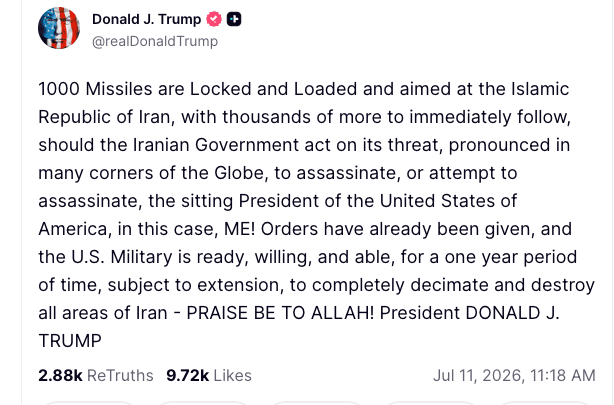
President Donald Trump has threatened to launch 1,000 missiles against Iran, "with thousands of more to immediately follow," should Tehran act on threats to assassinate him. The warning, posted on Truth Social on Saturday, 11 July 2026, marks a sharp escalation in an already fragile ceasefire between Washington and Tehran.
"Orders have already been given, and the U.S. Military is ready, willing, and able, for a one year period of time, subject to extension, to completely decimate and destroy all areas of Iran," Trump wrote, adding "PRAISE BE TO ALLAH!" in the same post.
The threat followed the funeral of Iran's late Supreme Leader, Ayatollah Ali Khamenei, held this week in Tehran and Mashhad. Mourners at the ceremony repeatedly displayed banners and posters calling for Trump's killing, alongside that of Israeli Prime Minister Benjamin Netanyahu. One message chalked onto the funeral stage read simply "Kill Trump," according to a report by The Guardian.
Khamenei, 86, was killed in an airstrike on 28 February 2026, the opening strike of the war launched by the United States and Israel against Iran. His son, Ayatollah Mojtaba Khamenei, was appointed Supreme Leader ten days later but has not appeared in public or issued any recorded message since.
Trump's threat came as senior US officials pressed Iran to publicly declare the Strait of Hormuz open and safe for shipping, according to a report by NPR. Tehran has so far declined, insisting instead that it retain control over the waterway and be permitted to charge vessels for passage, a departure from decades of precedent treating the strait as an international waterway.
Renewed US strikes against Iran this week followed attacks attributed to Tehran on three commercial vessels transiting the strait. Iran retaliated with missile and drone strikes on US military facilities in Kuwait, Bahrain, Qatar and Jordan.
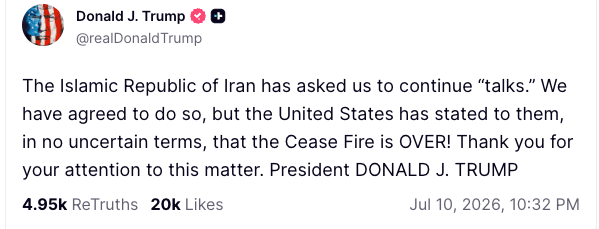
Despite the exchange of fire, both sides indicated talks were continuing. "The Islamic Republic of Iran has asked us to continue 'talks.' We have agreed to do so, but the United States has stated to them, in no uncertain terms, that the Cease Fire is OVER!" Trump wrote separately.
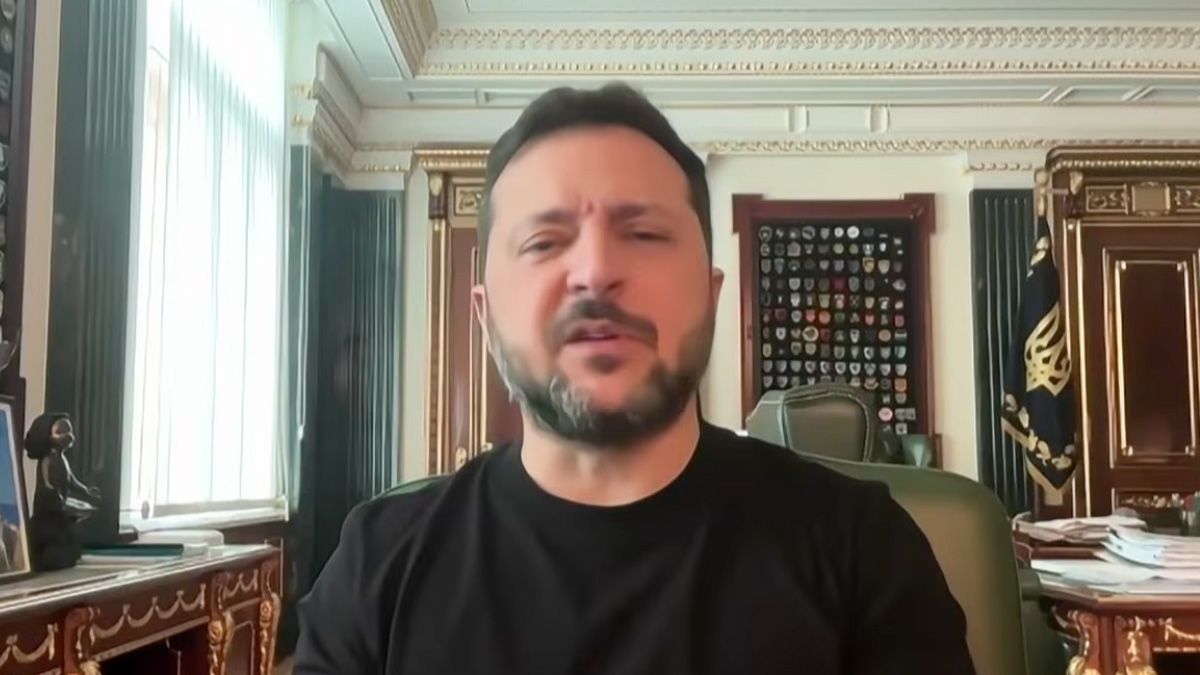
Iran's Foreign Ministry spokesperson, Esmaeil Baghaei, rejected the characterisation that Tehran had requested negotiations, though he confirmed Iran had accepted a mediation request from Qatar. Iranian Foreign Minister Seyed Abbas Araghchi was scheduled to travel to Oman on Saturday for talks on the strait.
Araghchi separately accused Washington of breaching the interim agreement by revoking waivers that had allowed Iran to sell crude oil in US dollars on the open market, a measure introduced in response to the strait attacks. "Reality check: There can only be mutual compliance," he wrote on X.
US officials also said any nuclear agreement would require Iran to surrender its stockpile of highly enriched uranium, material believed to remain at sites bombed by the United States in 2025. Iran has repeatedly refused such a demand, maintaining its nuclear programme is peaceful.
Saudi Crown Prince and Prime Minister Mohammed bin Salman Al Saud discussed the negotiations with Trump in a phone call, according to the Saudi Press Agency, with both sides stressing the importance of protecting shipping lanes and regional stability.