Cyanide poisoning linked to deaths of 15 elephants in Kenya's Amboseli ecosystem
Preliminary investigations have linked the deaths of 15 elephants in Kenya's Amboseli ecosystem to cyanide poisoning from agricultural pesticides, prompting intensified monitoring and renewed concern over the impact of farming on wildlife.
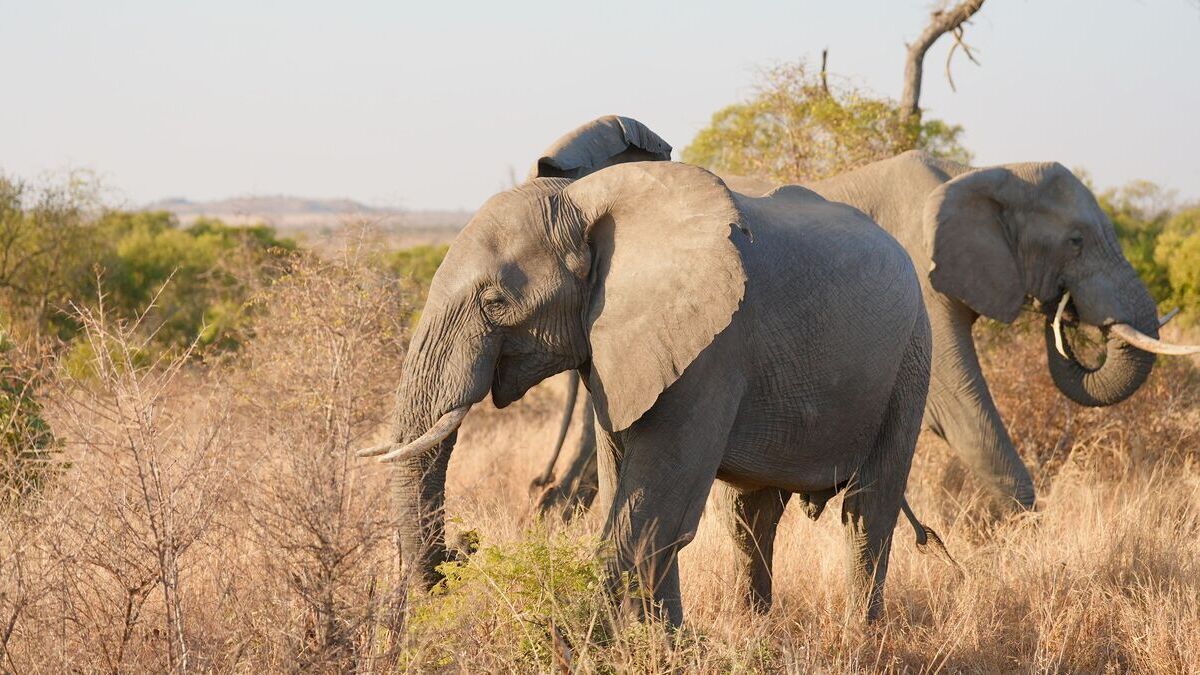
- Preliminary laboratory tests linked 15 elephant deaths to cyanide poisoning from agricultural pesticides.
- Kimana Wildlife Sanctuary recorded six elephant deaths from a single herd, including calves.
- Kenya Wildlife Service continues investigations while expanding wildlife monitoring and community engagement.

Fifteen elephants found dead within Kenya's Amboseli National Park ecosystem over the past month died from cyanide poisoning after consuming vegetation contaminated by agricultural pesticides, according to preliminary findings by the Kenya Wildlife Service (KWS).
The deaths, which occurred between 24 June and 24 July 2026, have heightened concerns over the impact of farming activities on wildlife in one of Kenya's best-known conservation areas. At the same time, wildlife authorities are managing a separate incident involving dozens of elephants that wandered from Tsavo East National Park into neighbouring farming communities.
Preliminary tests indicate cyanide poisoning
Kenya Wildlife Service Director General Prof. Erastus Kanga said laboratory analysis of samples collected from the elephant carcasses detected traces of cyanide.
According to KWS, the evidence indicates the elephants likely ingested pesticides sprayed on tomato farms bordering the Amboseli ecosystem.
The deaths were first reported late last month after wildlife rangers observed elephants displaying signs of illness before collapsing and dying.
KWS Head of Veterinary and Capture Services Dr Isaac Lekoolol said the affected animals exhibited similar clinical symptoms, prompting post-mortem examinations and laboratory testing.
The agency said investigations remain ongoing, although preliminary results point to agricultural chemicals as the probable cause.
Kimana Wildlife Sanctuary among worst-affected areas
One of the areas hardest hit was Kimana Wildlife Sanctuary, where a single herd lost six elephants within a short period.
The animals included adult females and calves.
Post-mortem examinations linked the deaths to poisoning believed to have originated from agricultural chemicals used on neighbouring farms. Kimana is one of Kajiado County's principal tomato-growing regions.
Prof. Kanga said KWS has since contained the immediate situation but urged communities living around Amboseli National Park and nearby wildlife conservancies to exercise caution when using pesticides and other agricultural chemicals.
He added that the agency is working with farmers, conservation groups and other stakeholders to prevent similar incidents and reduce the risks faced by wildlife that regularly moves between farmland and protected areas in search of food and water.
No evidence of risk to public health
Despite the discovery of cyanide traces in the elephant carcasses, KWS said there is currently no evidence that the contamination poses a threat to human health.
Wildlife rangers and researchers have nevertheless intensified monitoring throughout the Amboseli ecosystem while investigations continue.
Authorities said elephant herds in the area are being closely observed for any additional signs of poisoning.
Separate operation contains elephants near Tsavo East
In a separate incident, the Kenya Wildlife Service announced that 40 elephants that had strayed from Tsavo East National Park into the Kamboo and Kiboko areas of Makueni County have been located and safely contained.
Chyulu Senior Warden Peter Njoroge said the elephants had been travelling in two groups across land owned by the University of Nairobi before being guided to land managed by the Kenya Agricultural and Livestock Research Organization (KARLO) in Kibwezi.
Njoroge assured local residents that the animals had been contained and reiterated KWS's commitment to promoting peaceful coexistence between wildlife and surrounding communities.
Residents of Kiboko have repeatedly reported crop damage caused by elephants entering farmland, raising ongoing concerns over human-wildlife conflict in the region.
Investigations continue
The Kenya Wildlife Service said investigations into the poisoning deaths remain ongoing.
According to the agency, 15 elephants died between 24 June and 24 July 2026 across Amboseli National Park, Kimana Wildlife Sanctuary and Kuku Ranch.
Preliminary laboratory tests conducted by the University of Nairobi detected a potentially toxic substance, while KWS's own analysis identified cyanide as the likely cause linked to agricultural pesticides.
Authorities said further investigations will determine the full circumstances surrounding the deaths and identify measures to prevent similar incidents in the future.
Background
The Amboseli ecosystem, located in southern Kenya along the border with Tanzania, is internationally recognised for its large free-ranging elephant population and is one of Africa's most important wildlife conservation landscapes. The ecosystem includes Amboseli National Park, surrounding community conservancies and private ranches, where wildlife frequently moves beyond protected park boundaries.
The movement of elephants between conservation areas and agricultural land has long created challenges for both wildlife authorities and local communities. Expanding cultivation around protected areas has increased the risk of crop-raiding by elephants, while the use of agricultural chemicals has raised concerns about their potential impact on wildlife.
Conservation agencies have increasingly promoted measures to reduce human-wildlife conflict while maintaining safe migration corridors for elephants and other large mammals.