Guterres urges renewed commitment to Refugee Convention as global displacement reaches record levels
United Nations Secretary-General António Guterres has urged Member States to reaffirm their commitment to the 1951 Refugee Convention, warning that conflicts, persecution and restrictions on asylum are placing the international refugee protection system under unprecedented strain.
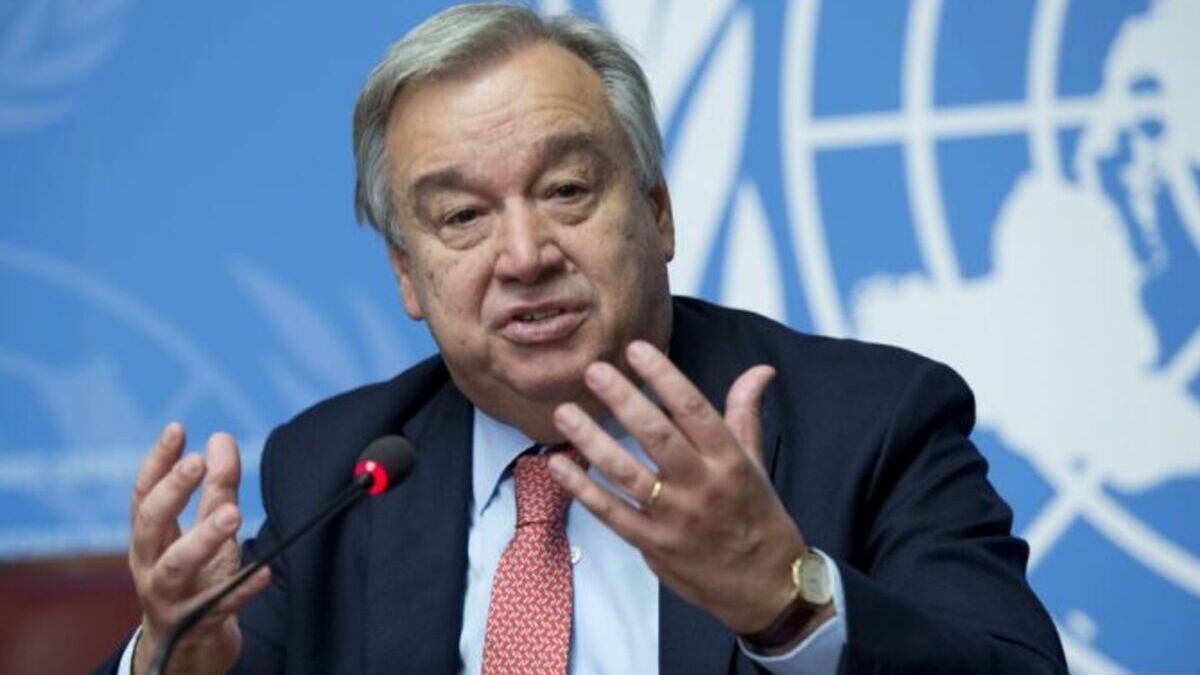
- António Guterres warned that refugee protections face unprecedented pressure from conflict and restrictive asylum policies.
- The 1951 Refugee Convention remains the foundation of international refugee protection after 75 years.
- UNHCR said record global displacement requires stronger international cooperation and renewed political commitment.

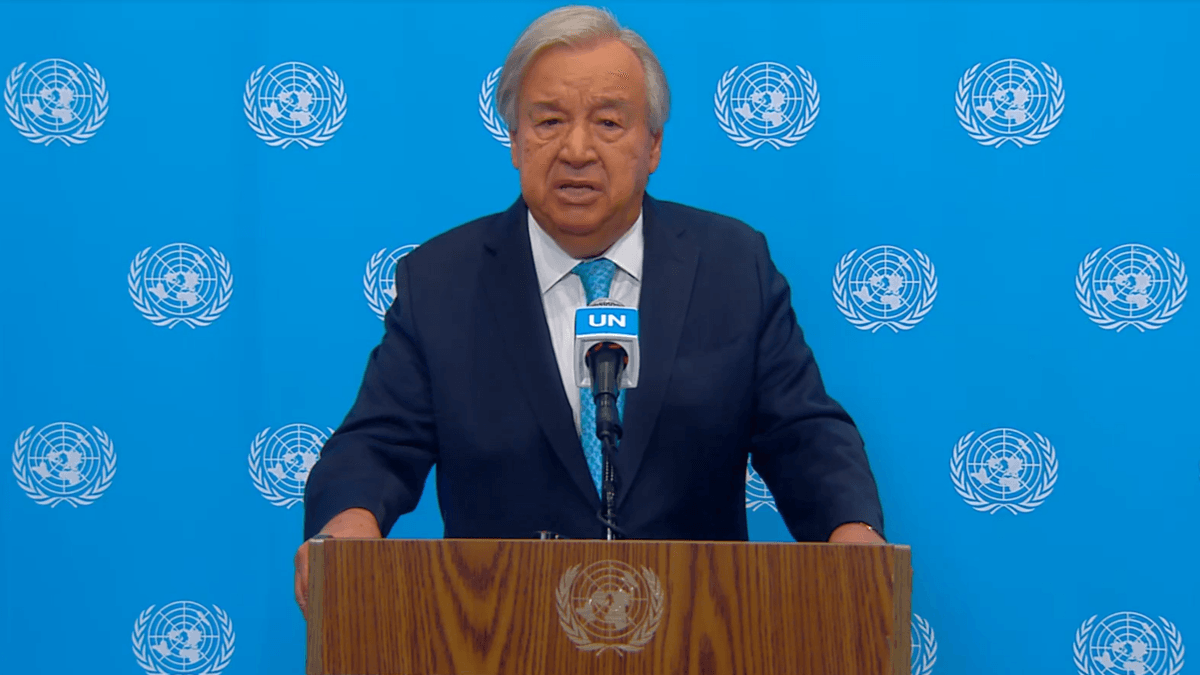
United Nations Secretary-General António Guterres has called on Member States to renew their commitment to the 1951 Refugee Convention, warning that growing conflicts, persecution and restrictions on asylum are placing the international refugee protection system under unprecedented pressure.
In a statement marking the 75th anniversary of the Convention relating to the Status of Refugees, Guterres said the landmark treaty remains as vital today as when it was adopted in the aftermath of the Second World War.
"Today, that promise is under strain," Guterres said.
"Conflicts are multiplying, persecution persists and growing numbers are forced to flee. Meanwhile, the right to seek asylum is too often questioned, restricted or denied."
He urged governments to "choose solidarity over indifference, and humanity over fear."
Treaty emerged after the Second World War
The 1951 Refugee Convention was adopted on 28 July 1951 in Geneva in response to the displacement crisis that followed the Second World War. It established the legal definition of a refugee and set out the rights of people fleeing persecution, as well as the obligations of States to protect them.
One of its central principles is non-refoulement, which prohibits countries from returning refugees to territories where they face threats to their lives or freedom because of their race, religion, nationality, membership of a particular social group or political opinion.
The Convention was expanded by the 1967 Protocol, which removed its original geographic and temporal limitations, making it applicable worldwide. Today, 149 States are parties to the Convention, the Protocol or both.
According to Guterres, the Convention "has since saved millions of lives and stands among the clearest expressions of our common humanity."
UN warns refugee protections are being weakened
The Secretary-General said the Convention should not be viewed as outdated despite growing political debates over migration and asylum.
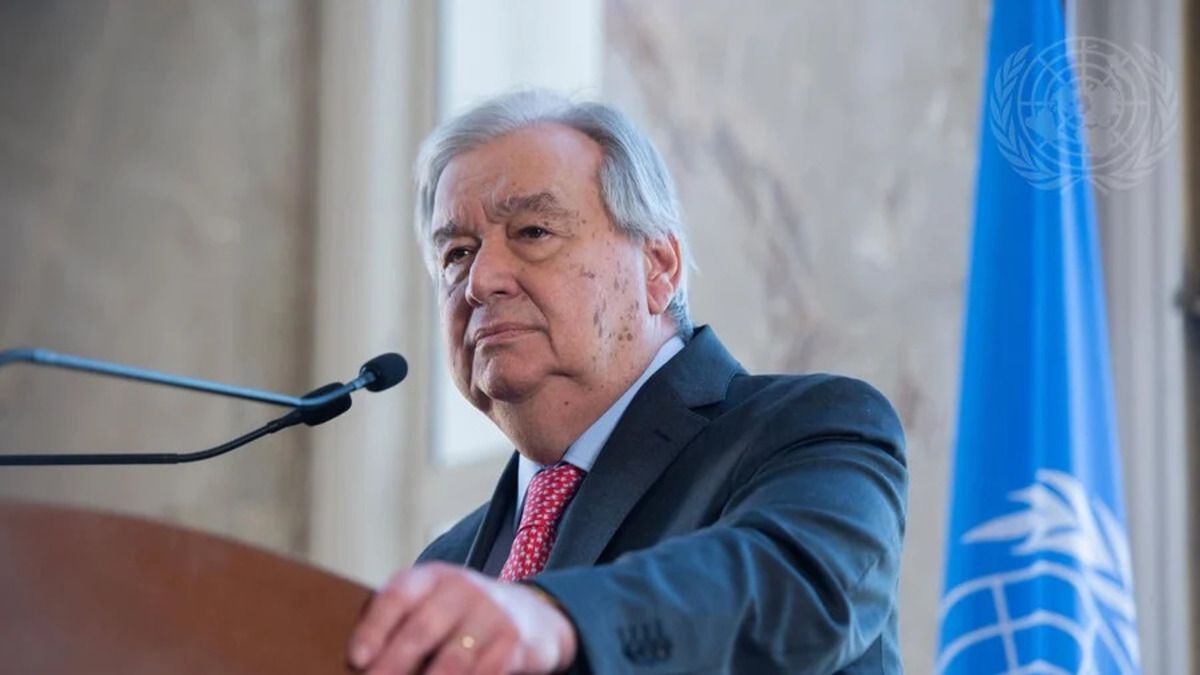
"The Refugee Convention is not a relic of another era," he said.
"It remains as necessary today as when it was adopted. It is not an obstacle to be circumvented, but a foundation to be upheld."
He called for fair and humane asylum procedures, full respect for the principle of non-refoulement and equal treatment of refugees without discrimination.
Guterres also criticised policies that transfer refugee protection responsibilities to other countries, penalise people for seeking safety or make protection dependent on nationality, religion, ethnicity or the route by which asylum seekers arrive.
He stressed that refugee protection requires genuine international cooperation, particularly in supporting countries that host the world's largest refugee populations despite having limited resources.
Refugee Convention anniversary coincides with record displacement
The anniversary comes as the global refugee protection system faces mounting pressure from increasing armed conflicts and shrinking humanitarian resources.
The United Nations refugee agency (UNHCR) said the Convention remains the cornerstone of international refugee protection but warned that protection space is narrowing while asylum systems face growing political and financial strain.
UN officials say more than 130 armed conflicts are currently taking place around the world, while approximately 41.6 million refugees remain displaced across international borders.
UNHCR is marking the anniversary through a year-long programme entitled "The Promise", bringing together governments, refugee-led organisations, civil society groups and international partners to examine how refugee protection can be strengthened for future generations.
Conflicts continue to drive refugee movements worldwide
Many of today's largest refugee populations continue to be displaced by ongoing conflicts and humanitarian crises.
The war in Ukraine, now in its fifth year, continues to displace civilians amid continued Russian attacks on cities and infrastructure.
In Sudan, fighting between the Sudanese Armed Forces and the Rapid Support Forces has created one of the world's largest displacement crises, with millions forced to flee their homes.
The conflict in Gaza continues to generate widespread humanitarian needs and repeated displacement of civilians.
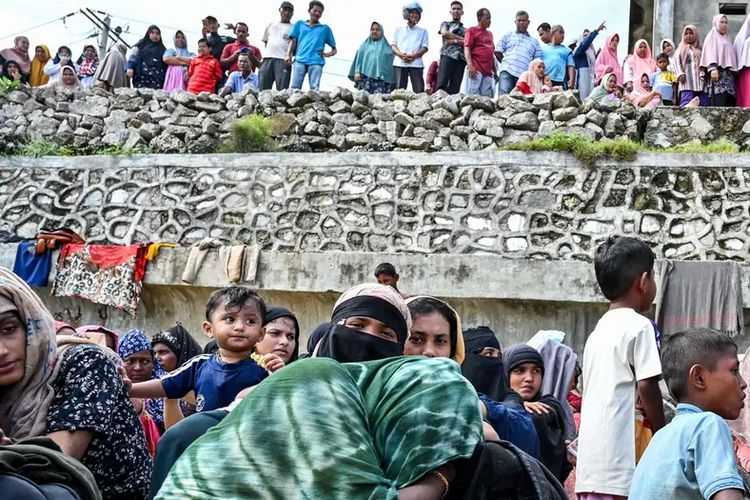
In Myanmar, conflict between the military government and armed resistance groups has continued to uproot communities, while many Rohingya refugees remain in neighbouring Bangladesh and other countries.
Violence also continues to drive displacement in the Democratic Republic of the Congo, Syria, Haiti, Afghanistan, Somalia and parts of the Sahel, where insecurity and humanitarian emergencies have persisted for years.
Growing debate over asylum policies
The anniversary has also highlighted continuing debates over refugee and asylum policies in several countries.
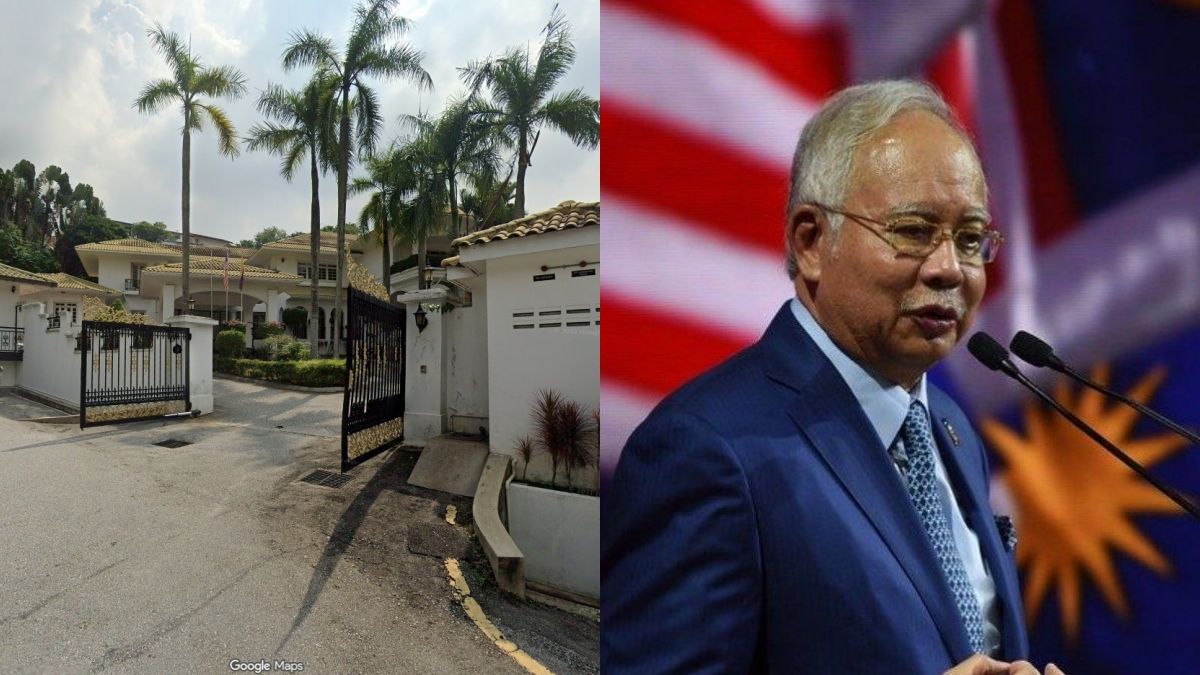
In Malaysia, authorities recently called for a review of the UN refugee agency's operations following the detention of more than 100 Rohingya asylum seekers seeking assistance outside a UNHCR office. Malaysia is not a party to the 1951 Refugee Convention.
Human rights organisations have also expressed concern over tighter asylum measures adopted or proposed in several regions, arguing that they risk undermining the Convention's protections.
Appeal to avoid repeating history
Guterres said the Convention was created because of the international community's failure to protect people fleeing persecution during and after the Second World War.
"The Refugee Convention was born from humanity's failure to protect people in their hour of greatest need," he said.
"As we celebrate this seventy-fifth anniversary, we must not risk repeating that failure."
He urged every UN Member State to recommit to both the legal obligations and humanitarian principles embodied in the Convention.
International figures reaffirm support
The anniversary has also prompted renewed calls from public figures and refugee advocates to preserve international refugee protections.
UNHCR's High Commissioner for Refugees, Barham Salih, described the Convention as a framework that has enabled millions of refugees to find safety, rebuild their lives and contribute to the communities that welcomed them, while warning that today's record levels of displacement require renewed international commitment.
Separately, actors Angelina Jolie and Cate Blanchett joined other prominent figures in supporting UNHCR's anniversary campaign, urging governments to uphold refugee rights despite increasing restrictions on asylum around the world.