UN chief urges Security Council to strengthen preventive diplomacy as global conflicts intensify
UN Secretary-General António Guterres urged the Security Council to expand diplomacy, mediation and conflict prevention, warning that peaceful settlement remains the only path to lasting peace amid escalating global conflicts.
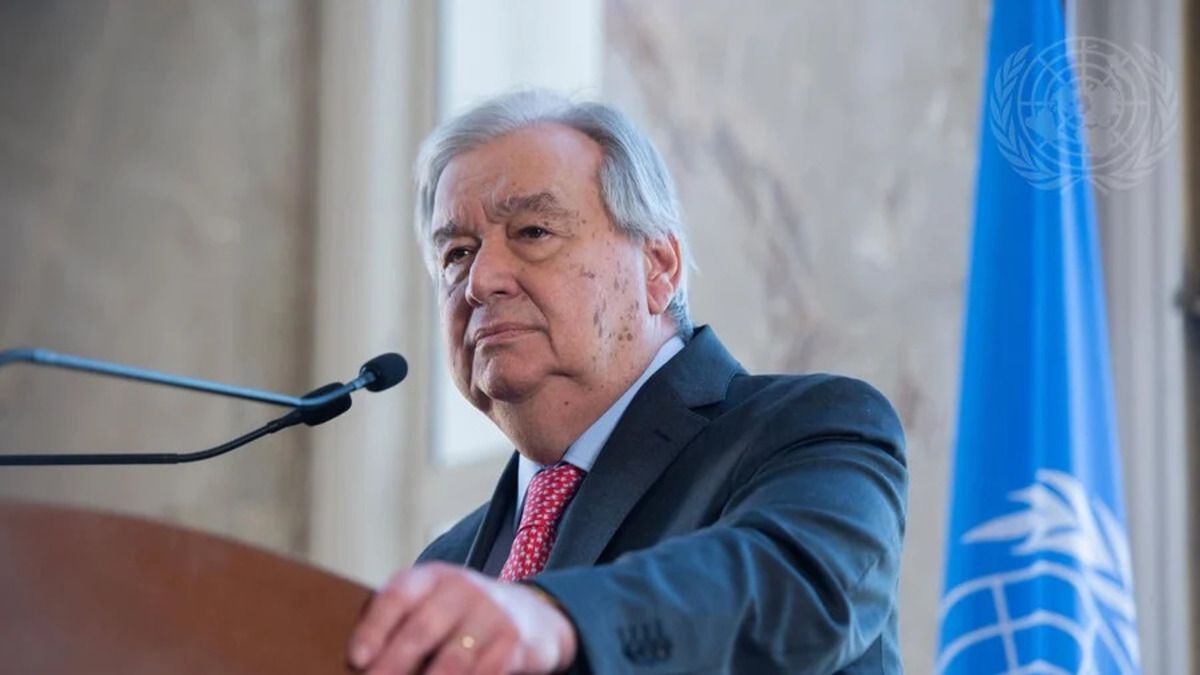
- António Guterres said diplomacy remains the only sustainable path towards lasting international peace.
- Member states called for earlier conflict prevention, stronger mediation and closer regional cooperation.
- The debate exposed continuing divisions over Ukraine, Iran and the application of international law.

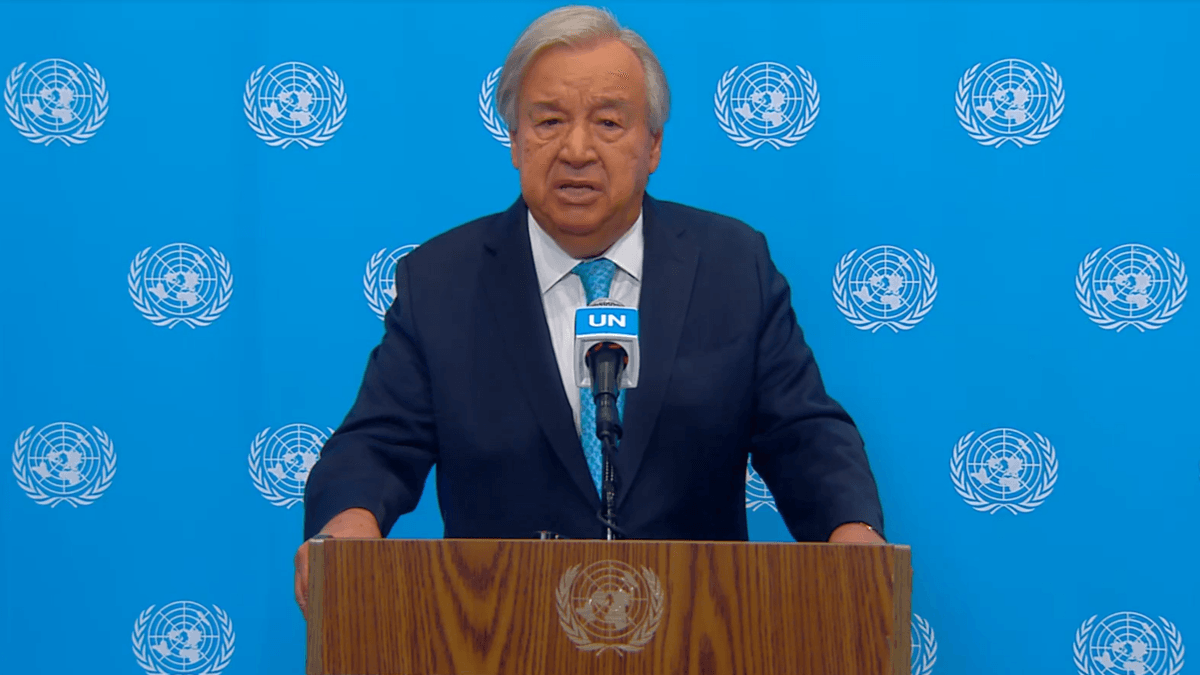
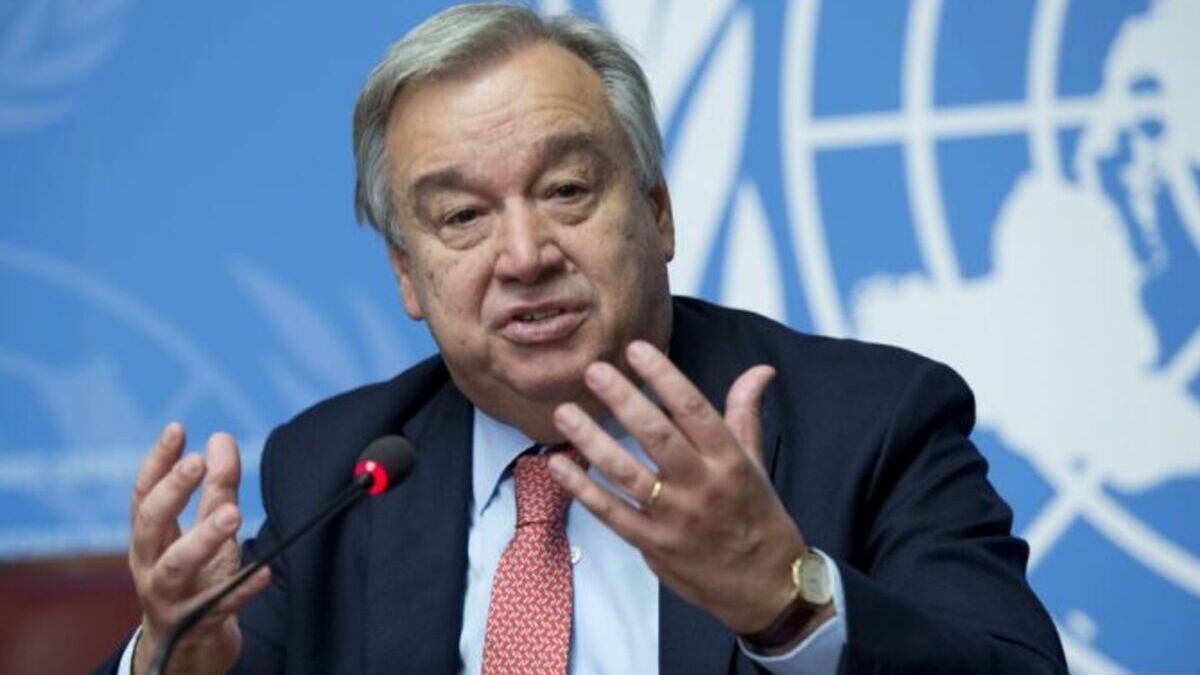
The United Nations Security Council has been urged to make greater use of diplomacy, mediation and conflict-prevention mechanisms as global conflicts continue to escalate, with Secretary-General António Guterres warning that diplomacy remains the only path to lasting peace.
Speaking during an open debate on the peaceful settlement of disputes, Guterres said civilians were paying the highest price as conflicts spread across the Middle East, Ukraine, Sudan, the Sahel and other regions amid weakening respect for international law. He stressed that the peaceful dispute-settlement mechanisms enshrined in the UN Charter should be employed more effectively before crises escalate into armed conflict.
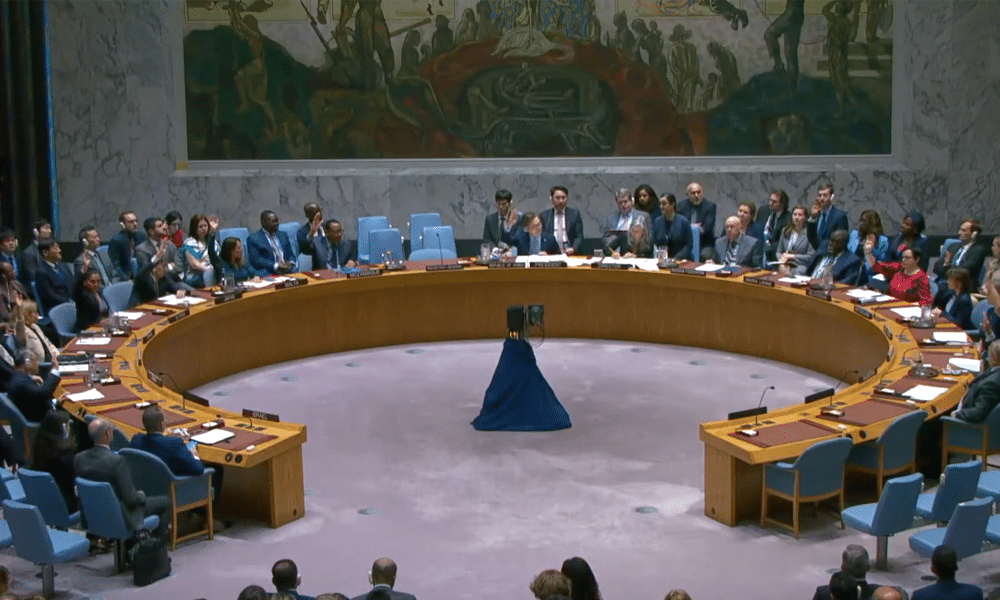
The meeting reviewed the implementation of Security Council Resolution 2788 (2025), adopted in July last year. Drafted by Pakistan, the resolution calls on UN member states to make full use of peaceful dispute-settlement mechanisms under Article 33 of the UN Charter and requested the Secretary-General to submit recommendations for strengthening these mechanisms within a year. Around 60 delegations took part in the debate.
Secretary-General proposes six priorities
Guterres said Resolution 2788 reaffirmed that "diplomacy is the only way forward" and argued that, although diplomacy had not prevented every conflict, it still had the power to bring wars to an end.
He outlined six priorities to strengthen the UN's preventive diplomacy efforts:
- Strengthening UN mediation and the Secretary-General's good offices to bridge political differences.
- Expanding the role of regional offices and special envoys as agile and cost-effective diplomatic tools.
- Using Chapter VI mechanisms earlier to reduce tensions before conflicts escalate.
- Increasing fact-finding missions to establish a shared understanding of disputed facts.
- Ensuring meaningful participation by women, young people and civil society in peace processes.
- Encouraging all member states to promote dialogue and confidence-building measures.
Concluding his remarks, Guterres described the UN Charter as "humanity's best hope for peace", while emphasising that its effectiveness ultimately depended on the commitment of member states, particularly Security Council members, to uphold its principles.
Calls for earlier preventive action
Thérèse Kayikwamba Wagner, Foreign Minister of the Democratic Republic of the Congo and President of the Security Council for July, said preventive diplomacy should begin well before violence erupts.
Speaking in her national capacity, she said effective prevention required the early identification of risks, fact-finding, continued dialogue and practical de-escalation measures. However, she warned that existing preventive mechanisms were often activated too late and lacked sufficient follow-up to influence developments on the ground.
Referring to Resolution 2773 (2025) concerning eastern Democratic Republic of the Congo, she described its implementation as a test of the Council's credibility and urged members to make prevention a genuine collective priority.
Prevention viewed as a cost-effective investment
Several delegations argued that investing in conflict prevention would save lives while significantly reducing future financial costs.
Panama noted that every dollar spent on prevention avoided far greater expenditure on peacekeeping operations, humanitarian assistance and post-conflict reconstruction.
Liberia cited a United Nations-World Bank estimate that scaled-up prevention could save up to US$70 billion annually, generating approximately US$16 in savings for every US$1 invested. The delegation called for stronger partnerships between the Security Council and regional organisations, including the African Union and the Economic Community of West African States (ECOWAS), as well as greater attention to natural-resource governance during peace negotiations.
Pakistan urged the Council to intervene at the earliest signs of tension, strengthen fact-finding under Article 34 of the UN Charter and establish structured follow-up when Security Council resolutions remain unimplemented. It said Resolution 2788 should become "a living framework" for prevention, mediation and peaceful dispute settlement.
China similarly called on Security Council members to bridge differences, seek consensus and avoid proposals that deepen divisions, warning against a return to "the law of the jungle".
Countries highlight diplomatic experience
Several member states pointed to their own experiences with conflict resolution.
Colombia said its peace process demonstrated how dialogue, political negotiation and perseverance could transform long-running conflict into reconciliation. It described the UN Verification Mission in Colombia as evidence that Security Council tools could effectively support peace on the ground.
Türkiye, co-chair of the Group of Friends of Mediation alongside Finland, highlighted the Black Sea Grain Initiative and the Ankara Process involving Ethiopia and Somalia as examples of successful diplomatic engagement.
Ongoing conflicts dominate discussions
The debate also reflected continuing geopolitical tensions.
Bahrain accused Iran of continuing attacks against Gulf Cooperation Council member states and Jordan while criticising the closure of the Strait of Hormuz. It noted that several countries targeted by Iran had previously participated in diplomatic efforts involving Tehran.
The United States called on Iran to return to diplomacy, comply with Security Council resolutions and end its support for the Houthis. Washington also said it would work to restore stability in the Strait of Hormuz.
Iran rejected the accusations, stating that mediation by Pakistan had resulted in a memorandum of understanding between Tehran and Washington on 17 June. Iran said it had honoured its commitments while accusing the United States of violating the agreement through military attacks, reimposing a maritime blockade and threatening Iran's critical infrastructure. Tehran warned that such actions undermined mediation efforts and weakened confidence in negotiated settlements.
Cuba criticised what it described as the selective application of international law and accused the United States of pursuing increasingly aggressive policies towards the island. The Cuban delegation alleged that Washington was attempting to isolate Cuba economically while escalating military pressure, and reiterated its support for dialogue to resolve differences peacefully.
International Court of Justice and accountability
Ukraine argued that diplomatic efforts to end Russia's invasion had failed because Moscow had deliberately chosen military action over negotiations. Kyiv called for wider use of investigations, mediation and international judicial mechanisms while maintaining that sovereignty and territorial integrity should not be compromised.
France described the International Court of Justice (ICJ) as a cornerstone of the international legal order, governed by law rather than power.
Russia, however, accused some countries of attempting to use the Court for geopolitical purposes and criticised what it described as Ukraine's misuse of judicial procedures.
Regional organisations seen as essential partners
Many speakers highlighted the importance of regional and subregional organisations under Chapter VIII of the UN Charter.
Indonesia's Vice Minister for Foreign Affairs said regional organisations were often the first to identify emerging tensions and therefore played a vital role in conflict prevention. He highlighted the Association of Southeast Asian Nations (ASEAN) and its Treaty of Amity and Cooperation as mechanisms that promote dialogue, trust-building and the peaceful settlement of disputes. He called for earlier and more routine engagement between the Security Council and regional organisations, rather than consultations only after ceasefires have been reached.
Somalia stressed that sustainable peace in Africa required addressing long-standing historical grievances while strengthening cooperation between the United Nations and the African Union.
The United Kingdom noted that peace agreements are 35 per cent more likely to endure for at least 15 years when women participate meaningfully in peace processes. Denmark echoed the importance of investing in civil society, youth initiatives and the full participation of women in conflict prevention.
Greece cited former Secretary-General Dag Hammarskjöld's vision of preventive diplomacy, saying the true purpose of the United Nations was to prevent crises before they erupted.
Latvia concluded that the upcoming appointment of the next UN Secretary-General represented an opportunity to strengthen preventive diplomacy and reinforce the UN's founding principles, enabling the organisation to create opportunities for peace rather than simply respond to crises.