UN urges urgent funding as Ebola outbreak spreads across DRC
The UN has urged urgent funding to contain an Ebola outbreak in the Democratic Republic of the Congo, with more than 5,600 cases and 2,700 deaths reported.
- More than 5,600 Ebola cases and 2,700 deaths have been reported across six DRC provinces.
- The UN says the response is only 48 per cent funded and needs US$1.1 billion more.
- Uganda has declared its Bundibugyo Ebola outbreak over after 42 days without a new case.

The United Nations Secretary-General has called for urgent action and additional funding to contain an Ebola outbreak in the Democratic Republic of the Congo (DRC), where more than 5,600 cases and 2,700 deaths have been reported across six provinces since the outbreak began in mid-May.
The warning came as the World Health Organization (WHO) said it had managed to slow the spread of the disease but had not yet succeeded in reversing the trend.
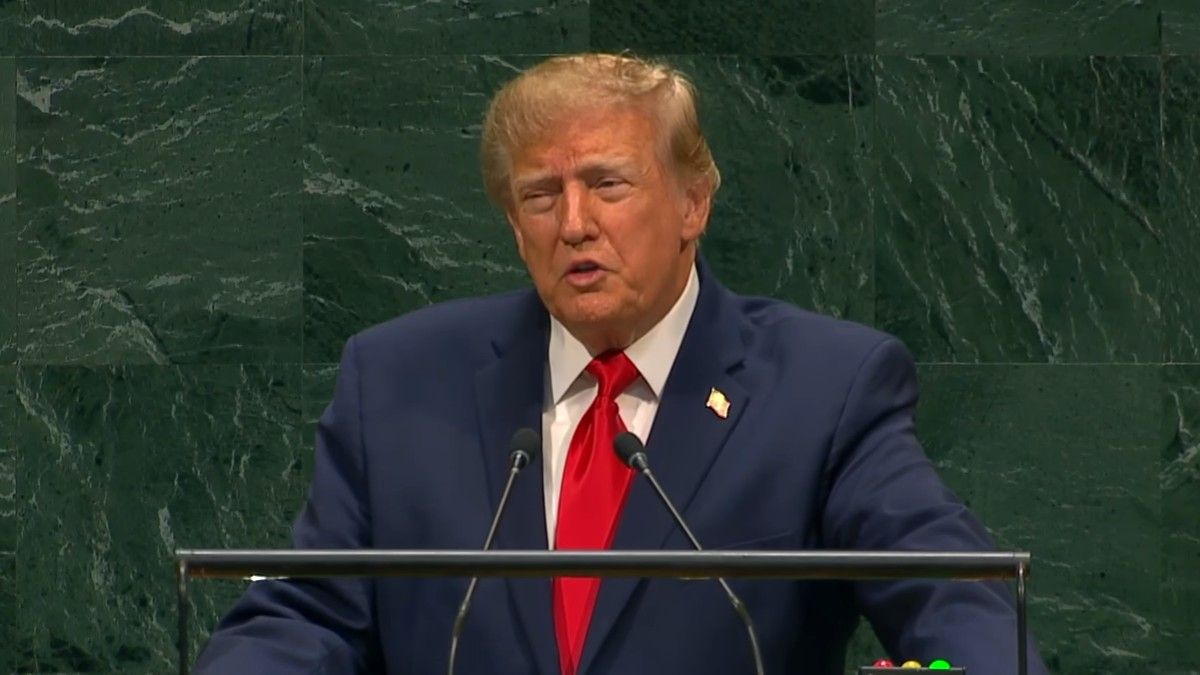
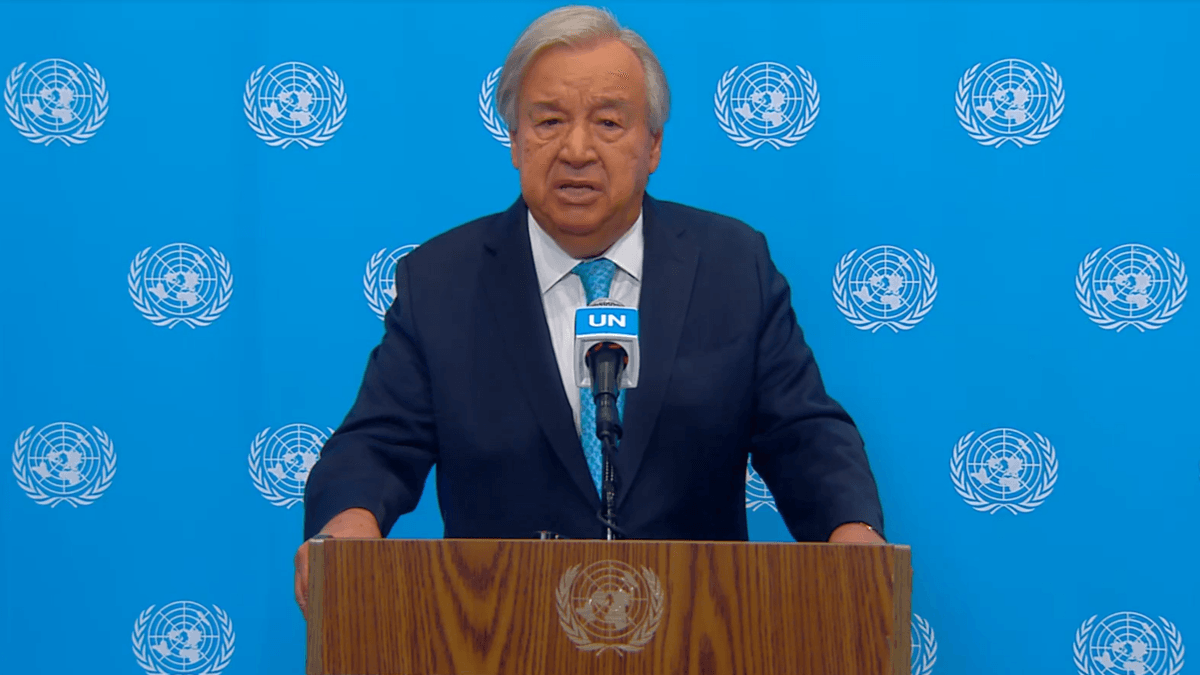
Speaking to reporters at UN Headquarters on Thursday, António Guterres said the scale of the outbreak remained substantial, with about 500 new cases being reported each week.
“The challenge is immense,” he said, noting that the humanitarian response was only 48 per cent funded.
He said current resources were expected to last only weeks rather than months as the outbreak continued to spread.
“We know how to contain Ebola, how to interrupt transmission and how to save lives,” he said, adding that additional funding was urgently required.
The UN has appealed for a further US$1.1 billion to support the response.
Conflict complicates Ebola response
The outbreak is unfolding in a region affected by decades of armed conflict, population displacement and weakened health infrastructure.
In Ituri province alone, around one million people have been displaced, while more than 12 million people across the region require humanitarian assistance and protection.
Insecurity has also directly affected the Ebola response. More than 40 healthcare workers have been killed, while treatment centres and ambulances have come under attack.
Humanitarian teams therefore face difficulties both in controlling Ebola transmission and reaching communities in areas affected by violence.
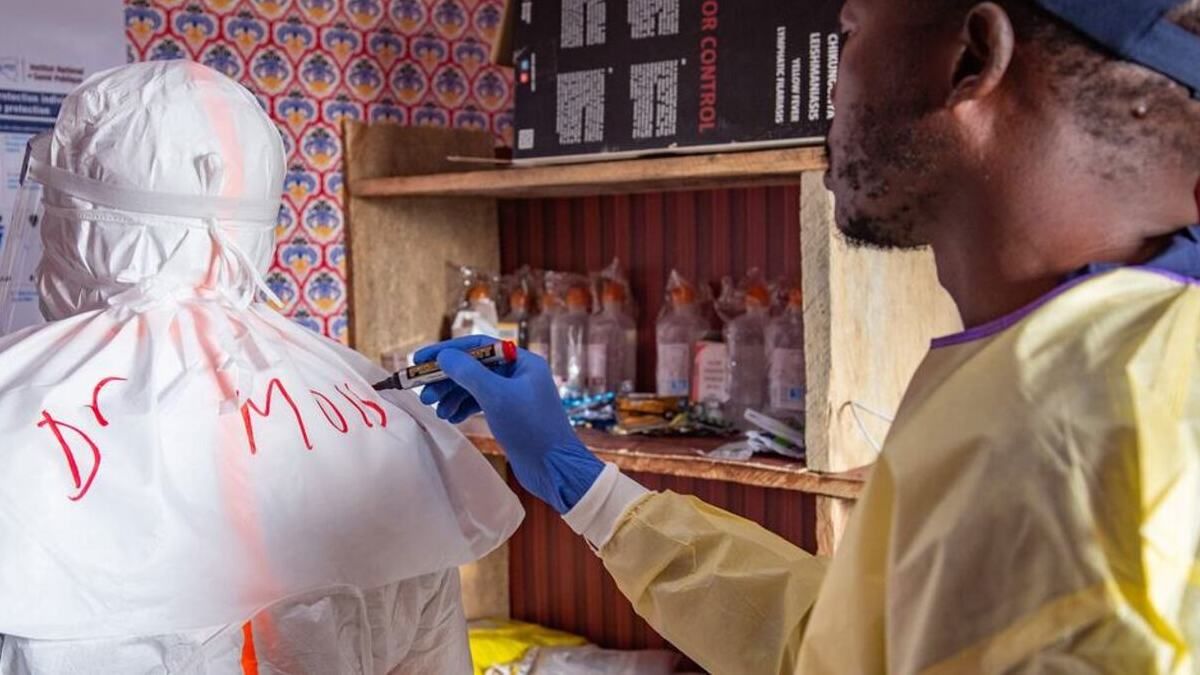
The UN has expanded its response with additional teams working in high-risk areas. According to the UN Office for the Coordination of Humanitarian Affairs (OCHA), 35 additional mobile safe and dignified burial teams and 286 community-based teams have been deployed, involving more than 2,500 volunteers and civil protection personnel.
WHO has deployed more than 260 experts and delivered more than 330 tonnes of medical and logistical supplies to support the response.
The World Food Programme (WFP) is continuing to provide assistance and medical evacuations through the UN Humanitarian Air Service (UNHAS).
Communities mobilised to raise awareness
The response has also involved community leaders, artists and social media figures seeking to increase awareness of Ebola prevention measures.
Congolese singer and songwriter Lokua Kanza, a national UNICEF ambassador, has used his platform to encourage people to follow preventive measures.
The musical duo Wedy and singer Drigo Eboma have also released songs aimed at encouraging communities to help stop the spread of the virus.
Fifteen social media influencers, each with more than 100,000 followers, have used their platforms to raise awareness among younger people.
Religious leaders have also been involved. More than 50 religious figures in Ituri, the epicentre of the outbreak, have received briefings on preventing transmission and addressing rumours surrounding the disease.
Around 30 former combatants have received training from the UN and local partners on prevention measures and identifying suspected cases. They were then sent to heavily frequented areas north of Ituri to share information with local communities.
Burundi strengthens border preparedness
Neighbouring Burundi has not reported any confirmed Ebola cases but is strengthening preparations because of its proximity to affected areas in the DRC and continuing cross-border population movements.
UN humanitarian agencies and their partners are supporting government-led preparedness measures, including strengthened surveillance at points of entry.
Measures include temperature screening and the deployment of thermal scanners, as well as training for healthcare workers, community health workers and journalists.
The International Organization for Migration (IOM) launched a regional Ebola preparedness plan in June covering 11 countries. It has helped screen more than one million people.
In Burundi, WHO and its partners are helping authorities update Ebola response guidelines and strengthen laboratory procedures for the safe collection and transportation of samples.
Nearly 30,000 Ebola prevention posters have also been distributed in Kirundi, Swahili and French.
Uganda declares Ebola outbreak over
While the DRC continues to battle the disease, health authorities on Thursday declared a Bundibugyo Ebola outbreak in neighbouring Uganda over.
The declaration followed 42 consecutive days without a new confirmed case. Uganda's last patient was discharged from care on 16 July.
The 42-day period is twice the upper limit of Ebola's incubation period and is the internationally recognised benchmark for declaring an outbreak over.
Uganda recorded 20 confirmed Ebola cases during the outbreak, including two deaths. More than 800 contacts were identified and monitored as health authorities worked to prevent further transmission.
The development in Uganda came as the UN continued to call for greater support for the response in the DRC.
The UN Secretary-General said the funding gap needed to be addressed as operations expanded in response to the continuing spread of Ebola.
Without additional resources, he warned, essential operations could run out of funding within weeks, at a time when the response requires further expansion.