Fire devastates Indonesia's Ciptamulya Indigenous village, destroying dozens of homes and displacing hundreds
A major fire destroyed dozens of homes, community facilities and traditional rice barns in Ciptamulya Indigenous Village, displacing hundreds as authorities assess damage and begin emergency relief and reconstruction efforts.
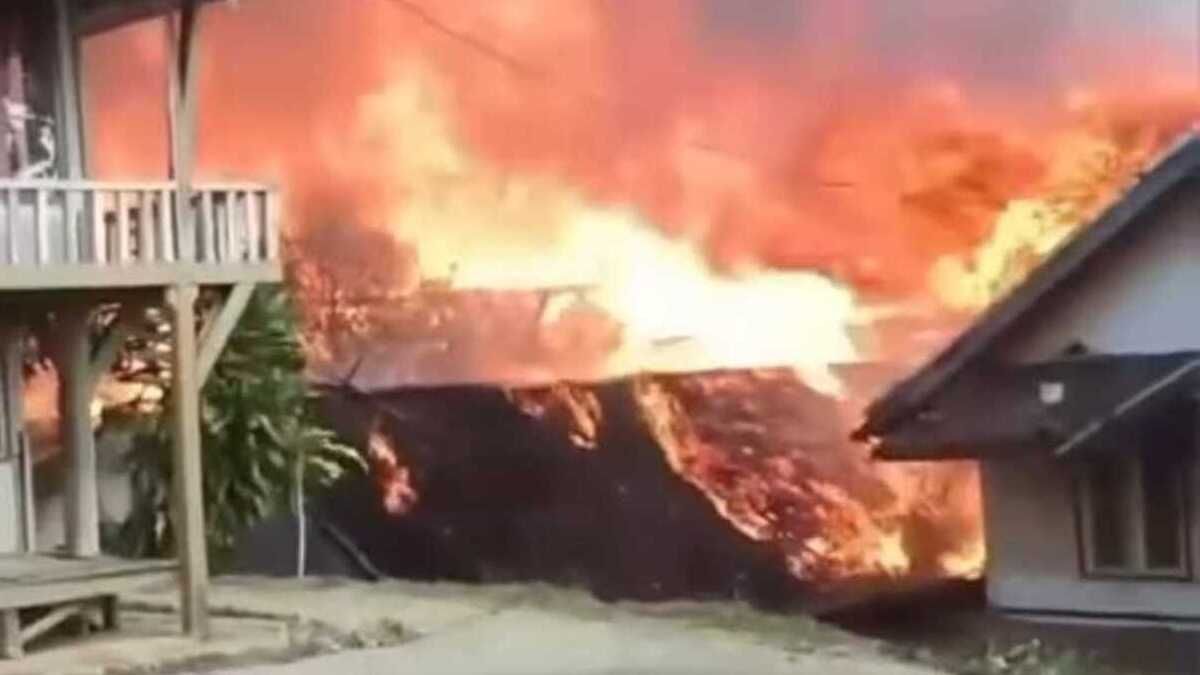
- A fire destroyed dozens of homes and displaced approximately 420 residents in Ciptamulya Indigenous Village.
- Community facilities and 49 traditional rice barns were lost, threatening local food reserves.
- Authorities declared an emergency response and began relief operations while planning reconstruction.

A major fire tore through the Ciptamulya Indigenous Village in Sukabumi Regency, West Java, on Saturday, destroying dozens of homes, community facilities and traditional rice barns, while forcing hundreds of residents to flee.
Authorities are still assessing the full extent of the damage, with different agencies reporting varying figures as emergency response operations continue. Local officials said between 51 and 70 houses were destroyed, while approximately 420 people have been displaced.
Fire believed to have started from public bathroom
The Head of Cisolok Subdistrict, Okih Pazri, said preliminary information indicated that the fire was caused by an electrical short circuit in the public bathroom area.
"The cause of the fire, according to the information we have received, was an electrical short circuit in the public bathroom," Okih said in a written statement on Saturday evening.
According to Okih, sparks from the public bathroom ignited the blaze before it spread rapidly through the settlement.
Strong winds fuelled the flames, allowing the fire to move quickly from one traditional wooden house to another. Videos circulating on social media showed flames engulfing homes throughout the indigenous village.
Initial reports from the subdistrict administration indicated that around 70 houses had been destroyed and approximately 70 households, comprising about 420 people, had been displaced.
Damage assessment continues
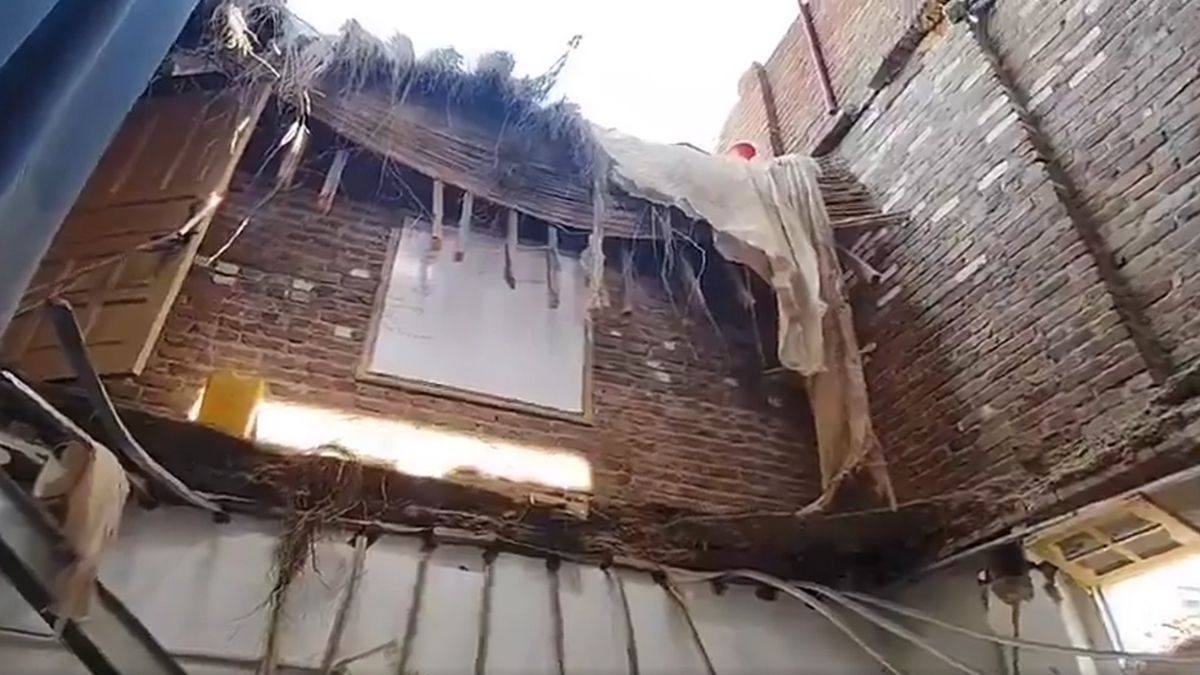
Subsequent assessments by the Sukabumi Regency Regional Disaster Management Agency (BPBD) recorded 51 houses destroyed, including the Imah Gede (Great House), an important building within the Ciptamulya Indigenous Community.
BPBD data showed that 52 households, comprising 163 people, were directly affected by the fire.
The destroyed houses were located across two neighbourhood units, with 27 houses in RT 07 and 25 houses in RT 05. Authorities said the data would serve as the basis for relief operations and recovery planning.
Emergency response declared
The Sukabumi Regency Government declared an emergency response period from 25 to 31 July 2026 under Regent Decree No. 300.2.1/Kep.633-BPBD/2026, signed by Regent Asep Japar on 25 July.
The Head of the Sukabumi Regency BPBD, Eki Radiana Rizki, said the declaration would enable broader support from provincial, central government and non-government organisations.
"With this emergency response status, assistance from the central government, the provincial government and non-governmental organisations can be mobilised to meet the daily needs of affected residents," Eki said.
Most displaced residents are currently staying with relatives or family members living near the indigenous settlement. However, BPBD has also prepared emergency tents should additional temporary shelter become necessary.
Community facilities and traditional rice barns destroyed
The fire also damaged numerous public facilities that support daily life in the indigenous community.
According to BPBD, the fire destroyed three public bathing, washing and toilet facilities, one early childhood education centre (PAUD), one mosque, two traditional wooden rice pounders (lisung), and six small shops.
Among the most significant losses were 49 traditional rice barns, known locally as leuit, which are used to store harvested rice.
The destruction of the leuit could affect the community's food reserves, as the structures play a central role in preserving rice harvests.
Edik Supriatna, Chairman of the Logistics Committee for the Ciptamulya Indigenous Community Fire Response, said each leuit has substantial storage capacity.
Smaller barns typically store around 800 bundles of rice, while larger ones can hold up to approximately 2,000 bundles.
"The leuit that were destroyed were not merely buildings; they were directly linked to the community's food reserves. Therefore, residents' needs extend beyond housing assistance to restoring their livelihoods after the fire," Edik said.
Ministry provides emergency relief
Indonesia's Ministry of Social Affairs has begun distributing emergency assistance to affected residents through the Palamarta Social Centre in Sukabumi, together with provincial and district social affairs offices.
The ministry said emergency logistical assistance valued at Rp278 million (approximately US$15,500) has been allocated to support survivors during the emergency response period.
Social Affairs Minister Saifullah Yusuf, known as Gus Ipul, said ensuring that residents' basic needs are met remains the government's immediate priority.
The aid includes mattresses, blankets, family kits, children's kits, clothing, emergency tents, folding beds, rice, ready-to-eat meals, children's food, worship kits and other essential supplies.
The Sukabumi Regency Government has also distributed additional assistance, including instant noodles, traditional rice meals, sugar, biscuits, bottled water and hygiene kits.
Meanwhile, the local Social Affairs Office, Disaster Preparedness Volunteers (Tagana), BPBD, Pordam and other government agencies continue to conduct assessments, operate evacuation posts and manage public kitchens to provide meals for displaced residents.
Recovery plans under way
Alongside emergency relief operations, the Sukabumi Regency Government has begun coordinating with the West Java Provincial Government on reconstruction efforts.
Eki said responsibilities had been divided during coordination meetings, with the provincial government expected to rebuild homes destroyed by the fire.
Authorities said providing basic necessities to affected residents will remain the priority throughout the emergency response period while plans for rebuilding the indigenous settlement are prepared.