US carries out second day of strikes on Iran as ceasefire declared over
The United States has launched a second consecutive day of air strikes on Iran, hours after President Donald Trump declared the interim ceasefire "over" and threatened further escalation.
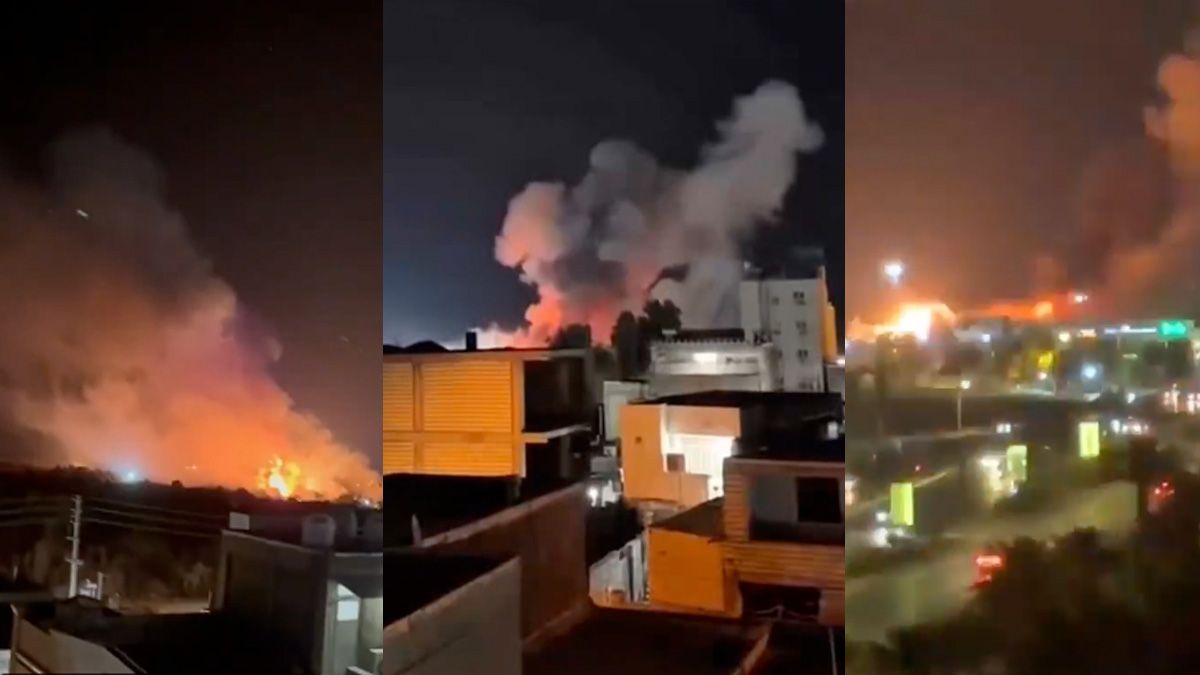
- US struck Iranian targets for a second day after ceasefire collapse.
- Trump calls action retribution for Iran's attacks on commercial ships.
- Iran vows retaliation; Bushehr nuclear plant reported undamaged.

The United States carried out a second consecutive day of military strikes against Iran on Thursday, 9 July 2026, following President Donald Trump's declaration that the interim ceasefire between the two countries was "over".
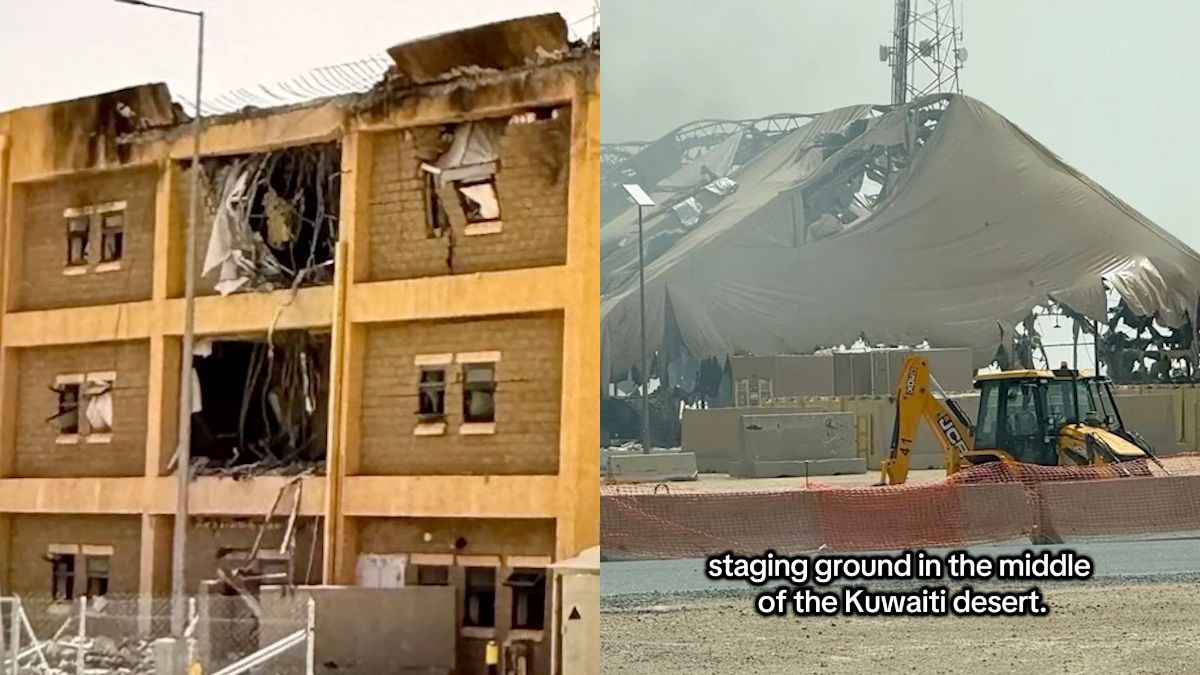
US Central Command (CENTCOM) confirmed on X that its forces had "started conducting additional strikes against Iran to further degrade their ability to threaten freedom of navigation in the Strait of Hormuz". The statement added that Washington was "holding Iran accountable for recent unjustified aggression against commercial shipping and civilian crews".
An unnamed US official told Reuters the latest round of strikes was expected to be larger than the first. Trump wrote on Truth Social that the action was "in retribution for yesterday's bombing of ships by Iran", warning: "If it happens again, it will get much worse!"
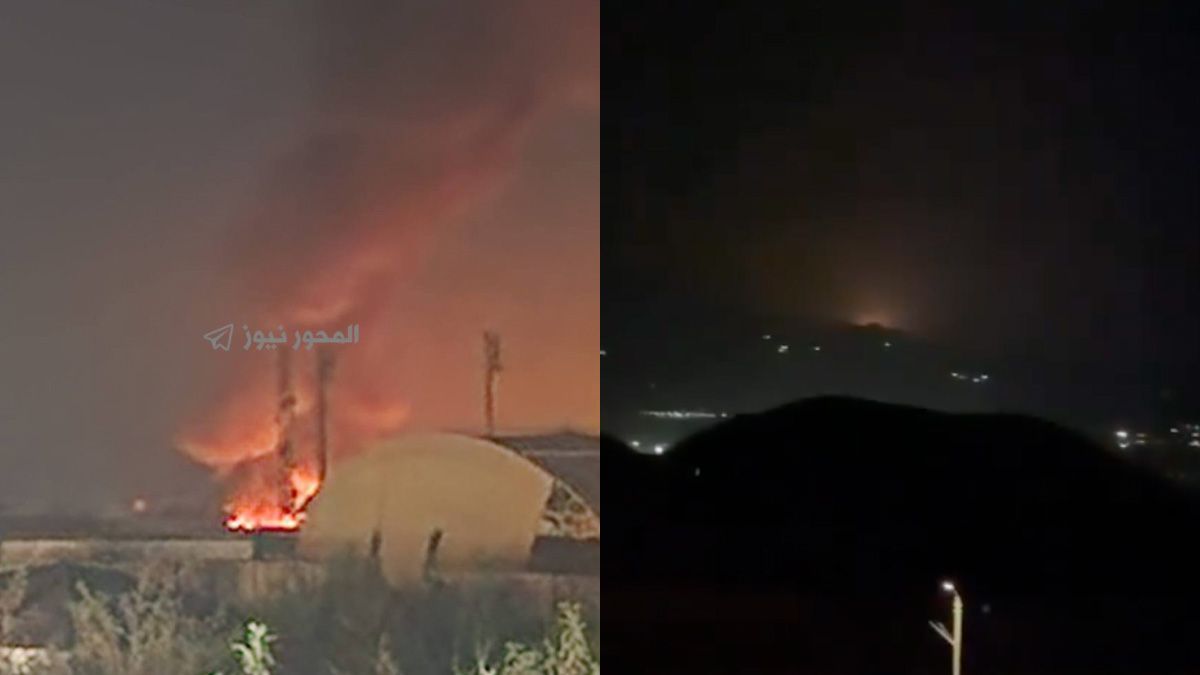
Iranian state media reported explosions across multiple southern coastal areas overnight, including Bandar Abbas and Sirik in the Strait of Hormuz, as well as Bushehr province, home to Iran's nuclear power plant complex. The semiofficial Fars News Agency reported roughly ten explosions in the cities of Chabahar and Konarak, with power cut to part of Chabahar.
Videos posted on social media showed multiple explosions over Chabahar, including damage to a maritime traffic control tower and the city's port. The semiofficial Fars News Agency separately reported that a guard was killed in a US strike on the airport in Iranshahr, in south-eastern Iran.
Explosions were also reported on Abu Musa Island, one of three islands claimed by the United Arab Emirates that underpin Iran's control of the Strait of Hormuz. The semiofficial Mehr News Agency said the Bushehr nuclear power plant sustained no damage despite strikes elsewhere in the city.
The current escalation follows an exchange of fire on Tuesday, 7 July 2026, when three cargo ships transiting the Strait of Hormuz were attacked, marking the most extensive clash between the two sides since an interim memorandum of understanding was signed on 17 June 2026. The US Treasury subsequently revoked a temporary sanctions waiver permitting Iranian oil exports.
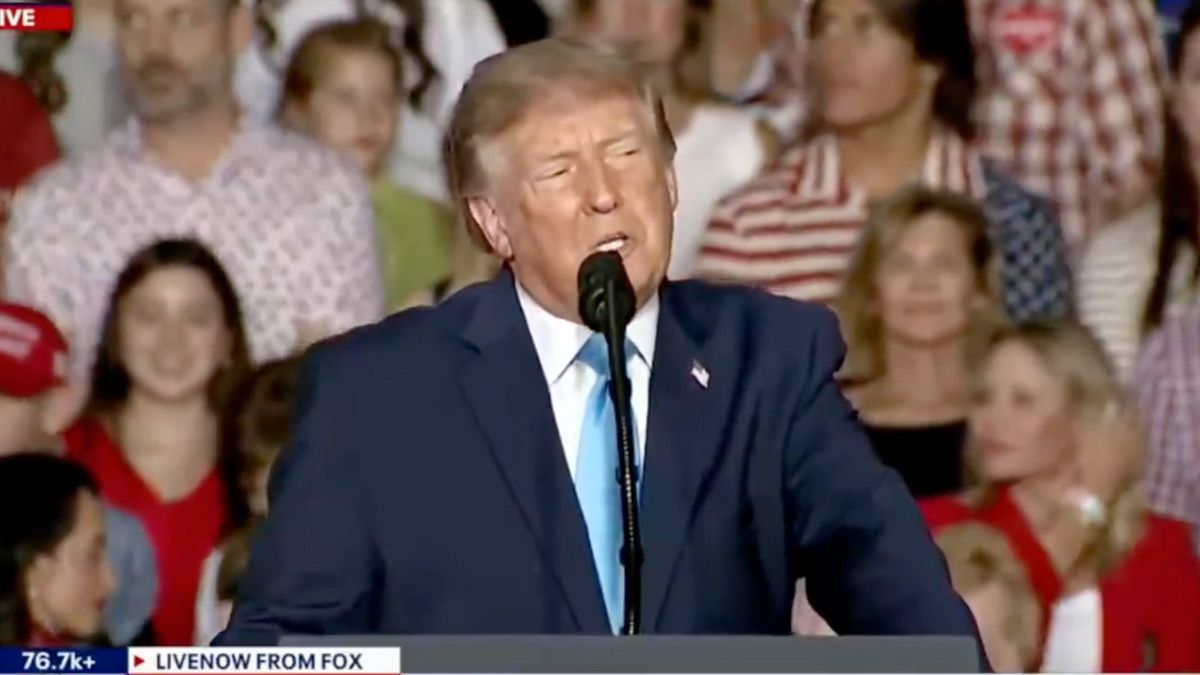
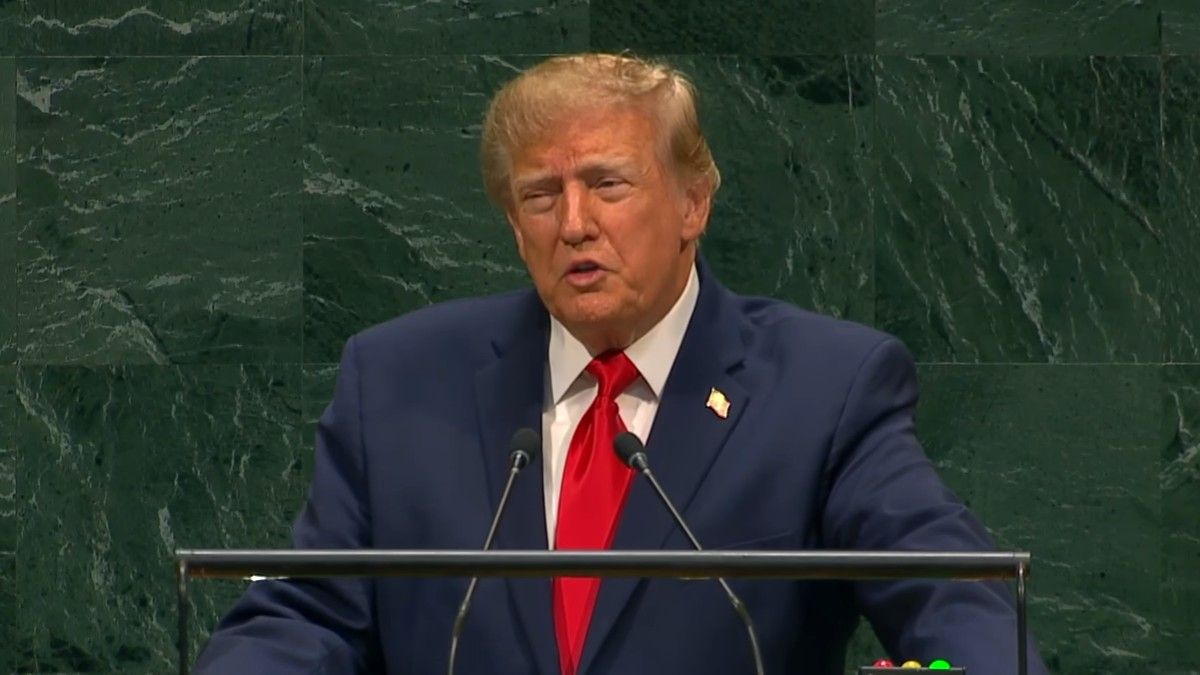
Speaking at the NATO summit in Ankara, Turkey, on Wednesday, Trump said the US would "probably hit them hard again tonight" but suggested the strikes would not amount to "long-term" military action. "Anything that happens is going to happen very fast," he said, while also floating the possibility the US might "just finish the job".
At a subsequent news conference, Trump said he was uncertain whether he still wanted to pursue a negotiated settlement with Iran. "We can play games, but I'm not sure I want to make a deal. Let's just finish the job," he said, adding that oil prices were "dropping like a rock" and that he expected the conflict to "end very quickly".
Aboard Air Force One later that evening, Trump described the conflict as "not really a war" but rather "a de-nuking of Iran, de-nuclearisation of Iran".
Iranian officials rejected the framing of the strikes as justified. Parliament speaker Mohammad Bagher Ghalibaf, a key negotiator in talks over a permanent settlement, wrote on X: "The era of bullying and extortion is over. It leads nowhere. We don't fold." Iran maintains that the interim ceasefire deal grants it the right to manage traffic through the Strait of Hormuz.
Foreign Minister Abbas Araghchi said Iran would not respond to "vulgarity with vulgarity", after Trump described Iran's leadership as "scum" and "sick people" at the NATO summit. "We do not answer vulgarity with vulgarity, but with action: fearlessly and with great valour," Araghchi wrote on X.
Mohsen Rezaie, military advisor to Supreme Leader Ayatollah Mojtaba Khamenei and a former senior commander in the Islamic Revolutionary Guard Corps (IRGC), warned on Thursday that "the aggressor enemy and its accomplices will be severely punished".
US Vice President JD Vance, speaking in Milwaukee, said Washington would "knock the hell out of" Iran if it continued targeting ships in the strait. "The basic deal that we cut was we'll lift our blockade if you stop shooting at ships, but if you shoot at ships, we are going to punch back," Vance said.
US senator Bernie Sanders criticised Trump's actions, saying: "Restarting his reckless war with Iran won't make America stronger. It will cost more lives and waste more taxpayer dollars." He added that Trump had declared the ceasefire "over" less than a month after it was reached.
The renewed strikes coincide with preparations to bury former Supreme Leader Ayatollah Ali Khamenei in Mashhad, north-eastern Iran. He was killed on the first day of the US-Israeli strikes that began the war, and his funeral has drawn millions of mourners across Iran and Iraq in recent days.
US stock markets fell on Wednesday, while Brent crude, the global oil benchmark, rose more than 5% to close near US$80 a barrel, reflecting continued economic disruption from the conflict.