Singapore banks heighten scrutiny on Chinese-origin clients with multiple passports amid S$2.4 billion money laundering crackdown
In response to a recent S$2.4 billion money laundering crackdown, Singaporean banks are increasing scrutiny of Chinese-origin clients with multiple passports. \n \nThe accused individuals in this high-profile case, all from Fujian, China, possess multiple passports from countries such as Vanuatu, Saint Kitts and Nevis, Cyprus, Turkey, and Cambodia.
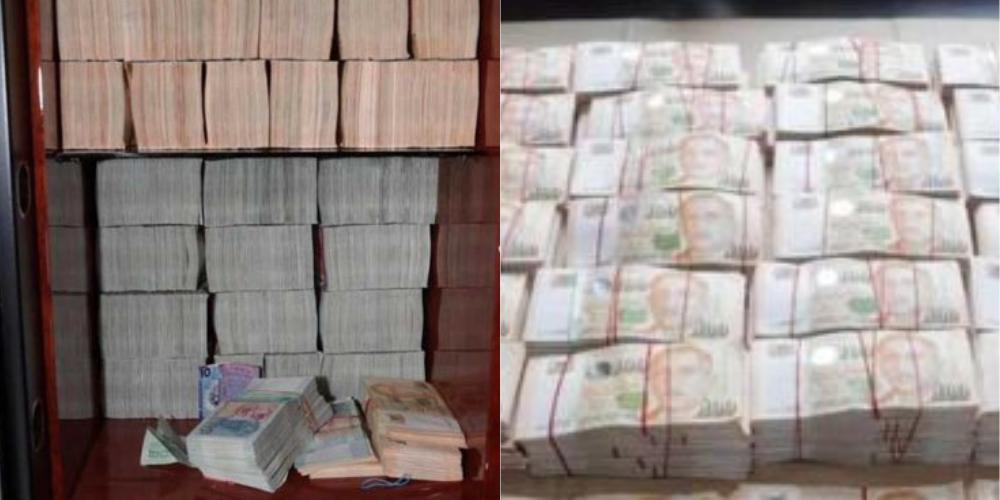

SINGAPORE: In the wake of a recent money laundering crackdown involving over S$2.4 billion (US$1.8 billion) in assets, Singaporean banks are stepping up their scrutiny of clients of Chinese origin who hold multiple passports.
According to Bloomberg, some banks are reevaluating new account openings and transactions, with clients of Chinese origin carrying investment-linked passports, people with knowledge of the matter said.
One international bank reportedly is closing accounts of clients from countries like Cambodia, Cyprus, Turkey, and Vanuatu.
Other lenders in the city-state have started to evaluate whether to take fresh funds from clients with similar profiles on a case-by-case basis, the report said.
The process is taking longer and more questions are being asked.
At least 10 local and international banks in Singapore are embroiled in the high-profile scandal that put the spotlight on their effectiveness in countering ill-gotten gains in the system.
Credit Suisse and Julius Baer Group Ltd, which had accounts totalling S$125 million with one of the suspects, declined to comment, according to Bloomberg.
Citigroup Inc, Oversea-Chinese Banking Corp, and United Overseas Bank Ltd, where some of the individuals held funds or were creditors to firms related to them, said the banks work with the authorities and are committed to fighting against money laundering.
DBS Group Holdings Ltd said Singapore’s regulatory regime obliges all banks to manage anti-money laundering risk to high standards but does not oblige them to deny banking facilities or services to clients – new or existing – of any specific origin merely because they hold certain passports.
Other risk factors have to trigger before suspicion is warranted, according to a spokesperson.
DBS Chief Executive Officer Piyush Gupta last week compared the process of identifying illicit transactions to looking for a needle in a haystack, even with the use of technology.
“No country can achieve zero crime,” Gupta said at a Reuters Newsmaker event.
The Monetary Authority of Singapore (MAS), the central bank, is having supervisory engagements with the financial firms identified with the potentially tainted funds, it said on 16 Aug. The regulator will take firm action against those found to have breached requirements or with inadequate controls against money-laundering risks.
Intelligence and reports filed by banks had earlier alerted the police to suspicious activities, the MAS said at the time.
Arrested Fujian money launderers possess ‘golden passports’ from diverse nations
On 15 August, Singaporean authorities executed raids at various locations throughout the island, resulting in the apprehension of ten foreign individuals.
The ten individuals have been charged with various offences in court, all stemming from their suspected participation in laundering the proceeds of their international organized crime operations. These activities encompass scams and online gambling operations.
While possessing different nationalities, all ten individuals hail from Fujian, China. They hold multiple passports issued by countries including Vanuatu, Saint Kitts and Nevis, Cyprus, Turkey, and Cambodia.
Interestingly, an examination of online resources uncovers that these countries’ passports, often dubbed “golden passports,” grant individuals the privilege of obtaining citizenship and a passport by making an investment ranging from US$100,000 to over $1 million, without the obligation to take up residency.
China, on the other hand, is one of the nations that strictly prohibits dual citizenship.
Holders of a Chinese passport enjoy visa-free access to 80 destinations, according to the Henley & Partners' Passport Index, which is considerably less than the 180 destinations accessible to passport holders of Cyprus, a member of the European Union.
Some sought by Chinese authorities for involvement in multifarious illegal activities
Singaporean authorities are also intensifying their scrutiny of the assets and family connections of foreign suspects involved in this high-profile case.
In a recent court hearing, the prosecution unveiled that among the suspects are wives and relatives of the 10 accused.
Additionally, it was disclosed that some of the accused are sought by Chinese authorities for their roles in diverse illegal activities, including illicit gambling and fraud.
The amassed wealth of these accused individuals has left Singaporeans astonished, prompting questions about the extended duration of their residency in Singapore and their substantial acquisition of local properties with considerable financial resources.
Singapore Ministries to address the high-profile case ‘comprehensively’ in October Ministerial Statement
On Monday (18 Sept), more than 20 Members of Parliament filed 32 Parliamentary Questions, covering a wide spectrum of issues related to the money laundering case.
Of particular note, one question raised concerns about how offenses of such magnitude could occur despite the city's robust legal framework and anti-money laundering measures.
Another inquiry sought information on how the government plans to enhance scrutiny of individuals from high-risk "golden passport" jurisdictions, while additional questions centered around the protocols governing investment entities that benefit from tax incentives.
Minister of State for Home Affairs, Sun Xueling, informed the Parliament that several ministries will provide a comprehensive response in ministerial statement scheduled for October.