West Kalimantan clean-water drive raises US$5,600 as drought and wildfires hit 10,000 residents
Environmental initiative Sabda Bumi has raised Rp93.5 million (about US$5,600) to deliver clean water to more than 10,000 people in 34 villages affected by wildfires and drought in West Kalimantan, as government firefighting operations continue.
- Sabda Bumi raised Rp93.5 million (about US$5,600) to provide clean water to more than 10,000 people in 34 villages.
- West Kalimantan faced severe drought and widespread wildfires, with temperatures in Sintang reaching 38.6 degrees Celsius.
- Indonesia’s central government declined to declare a national disaster while firefighting and emergency assistance continued across affected provinces.

Environmental initiative Sabda Bumi has raised Rp93.5 million (about US$5,600) to help provide clean water to communities affected by wildfires and drought in Indonesia’s West Kalimantan province, according to figures published by the organisation on 8 October 2026.
The fundraising campaign, conducted throughout September, was organised in collaboration with the Alliance of Indigenous Peoples of Kapuas Hulu (AMAN Kapuas Hulu) and Extinction Rebellion Sintang.
The initiative supported the distribution of more than 200,000 litres of clean water to over 10,000 people in 34 villages across Sintang and North Kayong regencies.
Sabda Bumi said Rp58.9 million (about US$3,290) of the funds raised had been distributed by 8 October.
It added that water deliveries would continue while the crisis persisted, although donations through AMAN Kapuas Hulu’s channel had closed. Further contributions could be made through the Kitabisa fundraising platform.
The initiative was launched as an emergency response to wildfires and severe drought, which have affected access to water for drinking, cooking, bathing and washing. Sabda Bumi said water shortages had forced some residents to buy clean water.
Drought and wildfires create water shortages
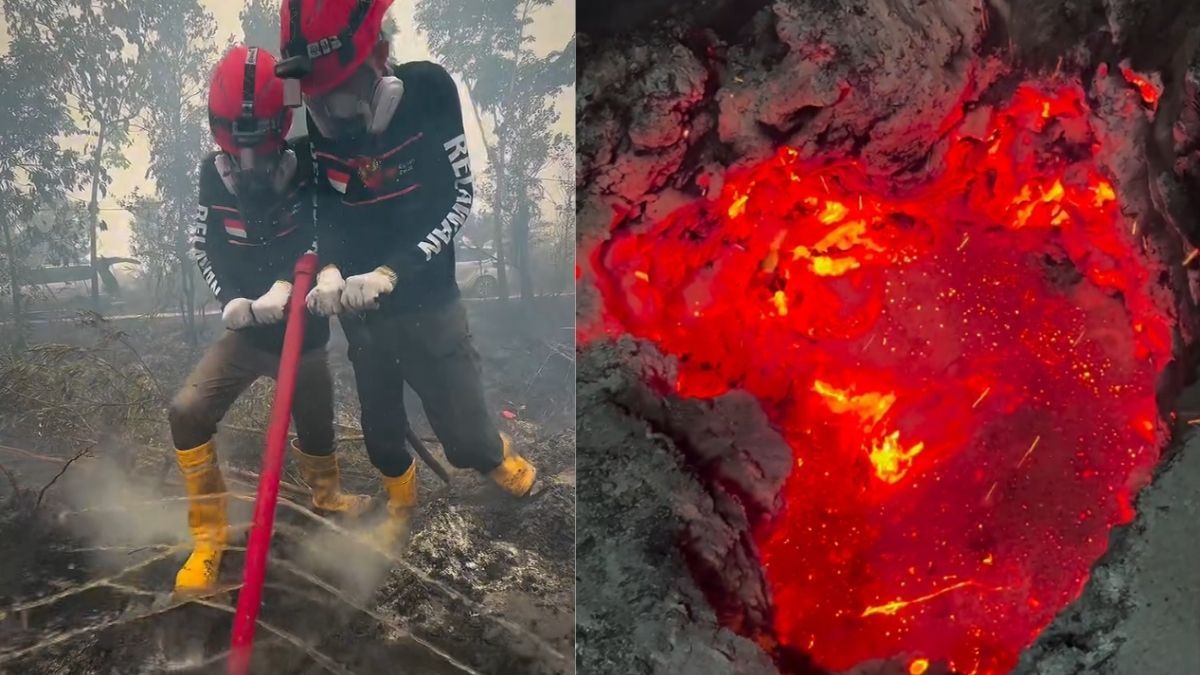
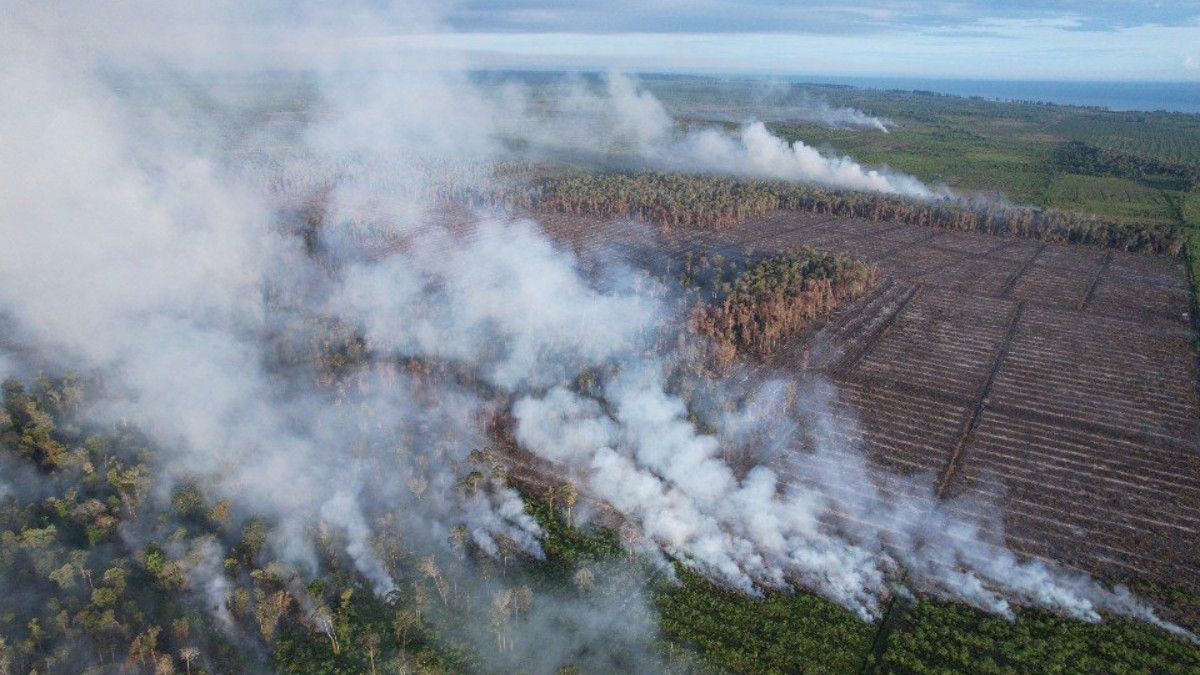
The fundraising took place during a period of prolonged dry weather and widespread forest and land fires in Indonesia.
The country’s Meteorology, Climatology and Geophysics Agency (BMKG) reported dry conditions and elevated wildfire risks across several regions, including West Kalimantan.
BMKG recorded 2,102 high-confidence hotspots in West Kalimantan during the 10 days covered by its 10 September forecast.
It also reported that temperatures at Sintang’s Tebelian Meteorological Station reached 38.6 degrees Celsius on 1 September, the highest maximum temperature recorded in Indonesia between 1 and 9 September.
On 6 September, the North Kayong Family Welfare Movement, working with several women's organisations, began distributing water and face masks to affected residents. The initiative was funded by donations from the participating organisations' administrators and members.
On 11 and 12 September, the programme delivered water to religious schools and neighbourhoods in the regency, including 4,000 litres to Banu Halim Islamic boarding school and supplies for residents in Sungai Mata-Mata village.
Government steps up wildfire response
West Kalimantan authorities also deployed resources to tackle fires and assist affected communities.
On 22 September, Governor Ria Norsan said the provincial government had distributed assistance to firefighting volunteers and residents affected by the prolonged dry season in North Kayong.
The assistance included food supplies, cash support for volunteer firefighting kitchens and 5,000 litres of clean water.
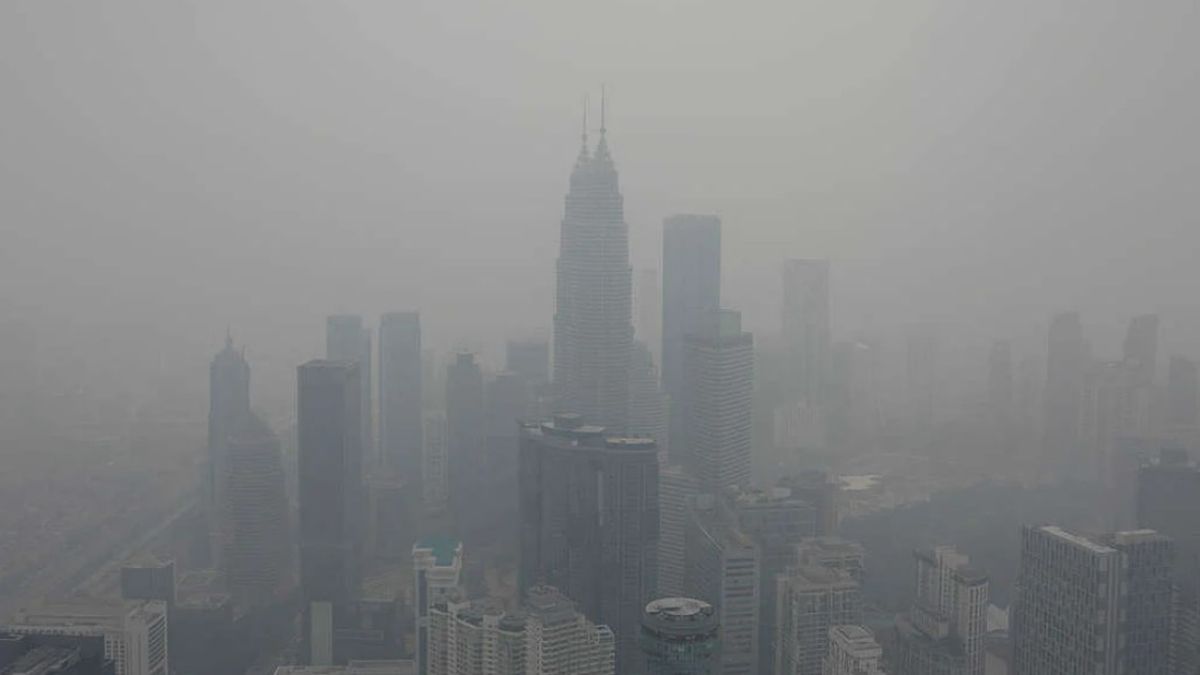
Firefighting operations were complicated by thick smoke. On 21 September, Norsan said poor visibility had prevented helicopters from safely carrying out water-bombing operations in the Bukit Peramas area of North Kayong, near Gunung Palung National Park.
The province had two helicopters on standby to support aerial firefighting operations at the time.
The North Kayong regency government also received central government funding to respond to the fires and their consequences.
Regency Secretary Erwin Sudrajat said on 29 September that Rp20 billion (about US$1,117,056) had been transferred to the local government’s treasury.
The funding was intended to support firefighting, emergency posts, healthcare for people affected by smoke, equipment and incentives for firefighting personnel. The regency had declared a smoke-disaster emergency on 3 September.
Prabowo declines to declare a national disaster
Despite the fires affecting several provinces, President Prabowo Subianto’s administration has declined to declare the situation a national disaster, saying the government remains capable of managing the emergency.
Coordinating Minister for Political and Security Affairs Djamari Chaniago said on 12 October that the government did not plan to grant the fires national-disaster status.
Speaking after a meeting with Prabowo at the Presidential Palace in Jakarta, he said the government was still able to handle the situation.
The decision came as firefighting operations continued across several provinces, including West Kalimantan, Central Kalimantan, South Kalimantan, South Sumatra, Jambi and Riau.
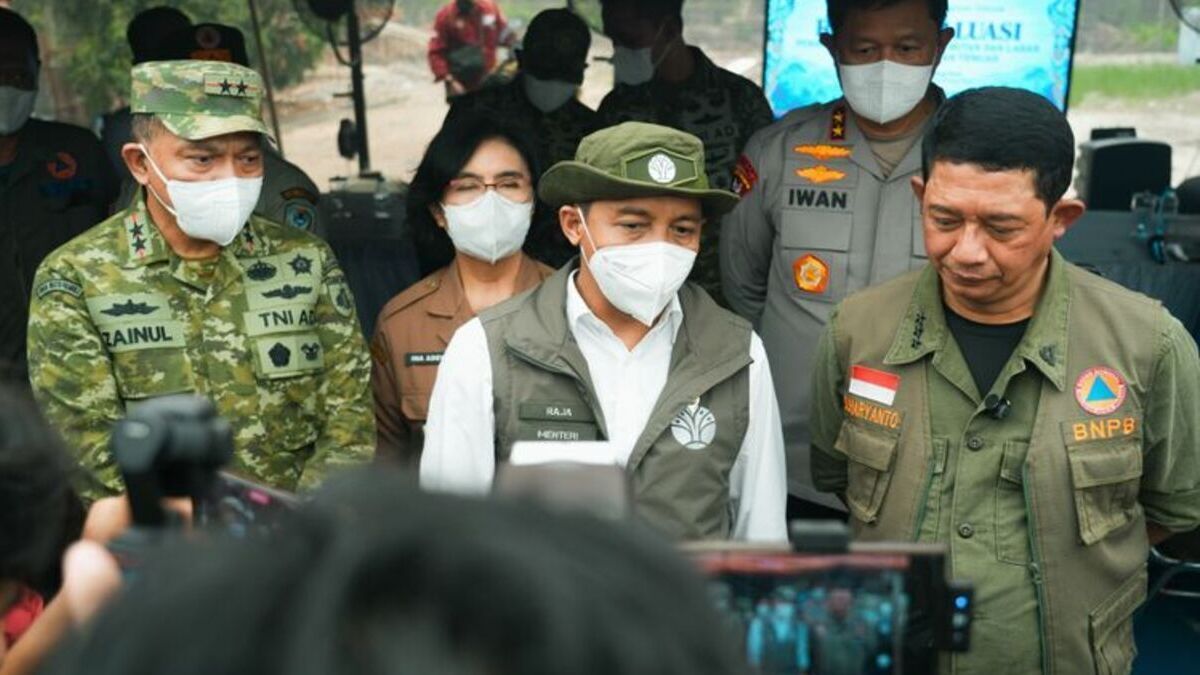
During a limited meeting on 12 October, National Disaster Mitigation Agency (BNPB) head Suharyanto told Prabowo that teams were still dealing with 639.23 hectares of active fires across six priority provinces. Of that area, 513.89 hectares were in and around Tanjung Puting National Park in Central Kalimantan.
Prabowo instructed officials to intensify firefighting operations, including by deploying additional personnel and equipment. The government continued ground-based and aerial operations rather than declaring a national disaster.
The decision has drawn criticism from environmental groups and civil society organisations concerned about the scale of the fires and their impact on residents.
Greenpeace and the Indonesian Forum for the Environment (Walhi) have questioned the government’s response, including its reluctance to declare a national disaster.
A national-disaster declaration is distinct from emergency measures taken by provincial or regency governments. North Kayong, for example, had already declared an emergency related to smoke from the fires.
The national government’s decision therefore did not mean that local authorities had stopped their emergency responses.
The distinction is relevant to community initiatives such as Sabda Bumi’s fundraising campaign, which aims to address immediate shortages of clean water while government agencies and local administrations continue their firefighting and disaster-response operations.
Donations continue through Kitabisa
Sabda Bumi said the clean-water distribution effort would continue for as long as the crisis lasted. It thanked donors and field volunteers, including members of Extinction Rebellion Sintang, for helping deliver assistance to communities in Sintang and North Kayong.
The organisation said its fundraising channel through AMAN Kapuas Hulu had closed, directing prospective donors to the Kitabisa platform instead.
The funds raised and distributed as of 8 October represent the figures published by Sabda Bumi. Its Instagram post did not provide a village-by-village breakdown of deliveries or a detailed accounting of the remaining funds.
Sabda Bumi described donations and collective fundraising as short-term responses, saying that recovery would take longer and that the water crisis and forest fires required sustainable, systemic solutions.