Gaza displacement persists as access restrictions deepen humanitarian crisis
About 1.8 million Palestinians remain displaced in Gaza nearly a year after the ceasefire, with severe shortages of water, healthcare and basic services, a new DRC and PARC report says.
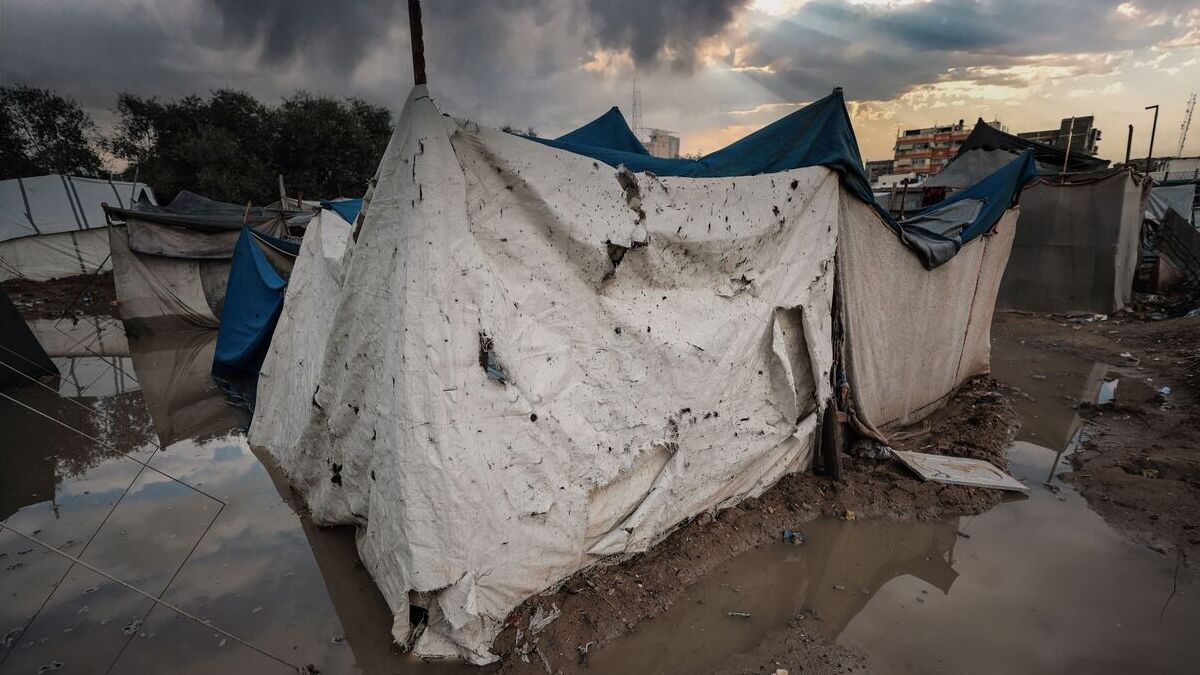
- About 1.8 million Palestinians remain displaced across Gaza nearly a year after the ceasefire.
- DRC and PARC say the expanding Yellow Line has further restricted areas available to civilians.
- Severe WASH, healthcare, education and humanitarian-access problems continue across displacement sites.

Around 1.8 million Palestinians in the Gaza Strip — about 86 per cent of its population — remain in displacement sites, where many face severe shortages of water, sanitation, healthcare and other basic services, according to a report by the Danish Refugee Council (DRC) and the Agricultural Development Association (PARC).
The report, Confined by Design: The Human Cost of Protracted Displacement in Gaza, was published on 1 October 2026, nearly a year after a ceasefire came into effect on 10 October 2025.
It examines how conditions for displaced Palestinians have evolved since the ceasefire, arguing that displacement has shifted from repeated movements during the war's first two years to a more prolonged situation in which many people remain unable to return home.
The report is based on 20 focus group discussions involving 195 people across North Gaza, Gaza City, Deir al-Balah, Khan Younis and Rafah, conducted between 12 and 23 July 2026. The participants represented 62 different displacement sites.
DRC said the population had increasingly become concentrated in a restricted part of the Gaza Strip, with the situation shaped by restrictions on return and the expansion of an area marked by what is known as the Yellow Line.
Yellow Line and continued displacement
The report said the Yellow Line, which marks the area under Israeli military control, had moved westward since the ceasefire.
According to DRC, the area east of the line represented about 58 per cent of Gaza's territory in October 2025. By May 2026, Israeli authorities had put the figure at 60 per cent, while Prime Minister Benjamin Netanyahu had instructed the Israeli military to expand its control to 70 per cent.
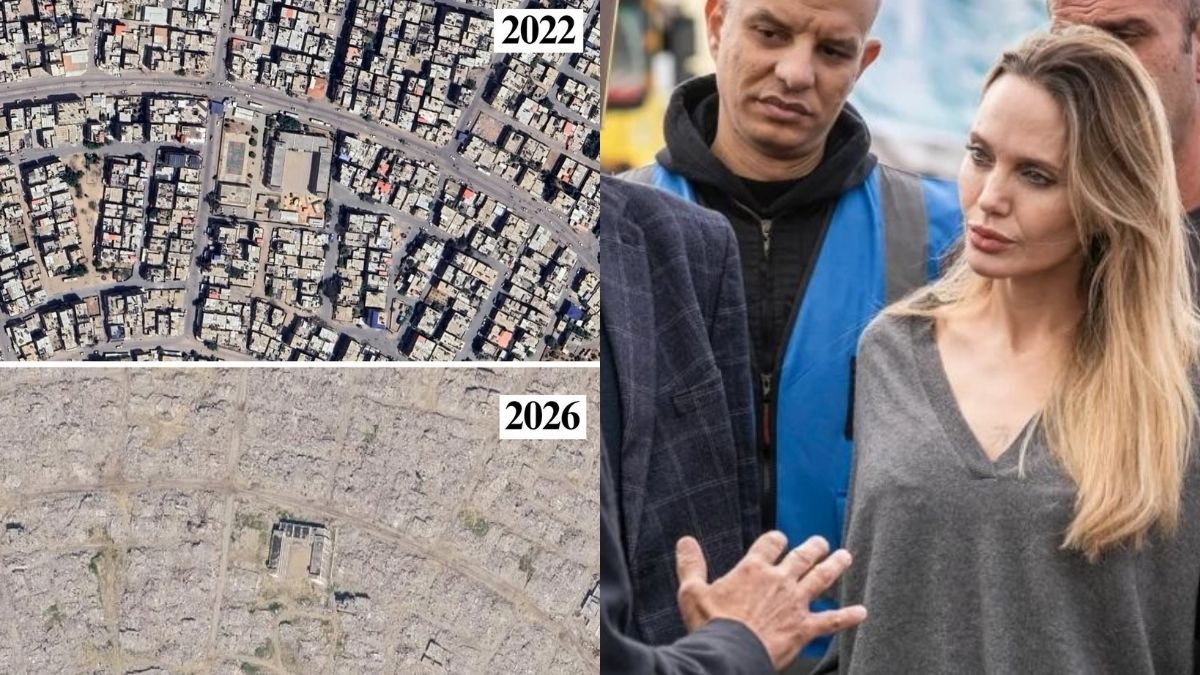
By late July, satellite imagery showed a ground barrier being built beyond the Yellow Line in southern Rafah. DRC said the area available to Gaza's population had effectively been reduced to about 30 per cent of the territory.
The report said some families who had moved closer to the line after the ceasefire, believing the area had stabilised, subsequently had to move again as the line advanced.
It cited at least 224 Palestinians, including children, killed east of or near the Yellow Line between the start of the ceasefire and late February 2026. Humanitarian organisations also reported difficulties operating within several kilometres of the line because of access and security constraints.
The report's findings and allegations are those of DRC and PARC.
Water and sanitation remain major problems
Water and sanitation were among the most frequently reported problems. Eighty per cent of respondents said obtaining water was a challenge in their daily lives.
With sewage networks damaged or unavailable, displaced households often rely on cesspits. DRC said these can overflow and contribute to contamination, bad odours and rodent infestations.
Overcrowding further compounds the problem. One respondent reported five families sharing a single bathroom, creating additional protection risks, particularly for women and girls.
The report cited estimates that Gaza's water, sanitation and hygiene infrastructure had sustained US$1.7 billion in damage since October 2023. About 88 per cent of above-ground WASH assets and 76 per cent of underground networks were estimated to have been partially or completely damaged.
All six wastewater treatment plants remained non-functional, while 70 per cent of sewage pumping stations were inoperable.
Electricity and lighting shortages were also reported. Some residents said they avoided moving around at night because of the risk of falling into water or sewage pits, while others cited stray dogs, rodents, theft and the lack of adequate lighting.
Food shortages and makeshift cooking arrangements presented additional risks, with respondents reporting burns and fires inside displacement sites.
Healthcare and education remain disrupted
The report described Gaza's healthcare system as severely damaged and said displaced communities continued to face limited access to medical services.
It also highlighted the spread of infectious diseases and the lack of adequate healthcare facilities near some displacement sites. Education has similarly remained severely disrupted, with many young people having gone without formal schooling for an extended period.
Residents reported other security risks, including artillery fire, drones, stray gunfire and unexploded ordnance. DRC said these risks were particularly significant for people clearing rubble or attempting to return to areas where they previously lived.
Humanitarian aid faces access restrictions
DRC said humanitarian assistance remained constrained by movement restrictions associated with the Yellow Line and another demarcation known as the Orange Line.
The report said humanitarian organisations operating between the two lines were required to coordinate movements, while restrictions on goods classified as "dual-use" affected supplies including WASH materials, pest-control equipment, medical items, fuel and rubble-removal equipment.
The report also highlighted restrictions affecting international non-governmental organisations. It said the registration status of 37 international NGOs, including DRC, remained unresolved, limiting international staff access and operational approvals.
Most displacement sites lack dedicated management
Another concern identified by the report was the limited presence of organisations responsible for managing displacement sites.
Of Gaza's 1,739 active displacement sites, 1,090 had no designated Site Management actor, according to DRC. The organisation said sites with such support generally had better mechanisms for coordinating water, sanitation, healthcare and other services.
The report said Site Management could help residents report problems such as damaged sanitation facilities, missing water deliveries and unsafe pathways, but that such support remained unavailable to most displaced people.
DRC and PARC also noted that recovery and reconstruction needs had increased while humanitarian funding and political attention had declined. They said the gap between needs and available assistance was therefore widening.
Recommendations for the next phase
The report called on all parties to uphold the ceasefire, protect civilians and humanitarian and medical workers, prevent further forced displacement and ensure unimpeded humanitarian access.
It urged an independent, UN-mandated mechanism to monitor and publicly report on ceasefire violations and alleged breaches of international humanitarian law.
For Israel, DRC and PARC called for the further expansion of the Yellow Line to stop, its route to be disclosed, and humanitarian access to be restored. They also called for restrictions on WASH, medical, shelter, rubble-removal and other essential supplies to be reviewed.
The organisations also called on donors and humanitarian agencies to expand site-management support and begin early-recovery work, including restoring WASH and health infrastructure, alongside emergency assistance.
The report states that its findings and information are accurate as of its publication on 1 October 2026.