Donald Trump’s Board of Peace proposes US$2.45 billion, six-month Gaza reconstruction programme
Donald Trump’s Board of Peace has proposed a US$2.45 billion six-month programme covering temporary housing, rubble clearance, infrastructure repairs, economic recovery and security in Gaza.
- The Board of Peace has proposed 66 reconstruction and governance projects costing US$2.45 billion over six months.
- The programme includes temporary shelters, rubble removal, hospital repairs, utilities, economic recovery and security measures.
- Longer-term reconstruction is estimated to require US$106.6 billion, while humanitarian and security challenges remain unresolved.

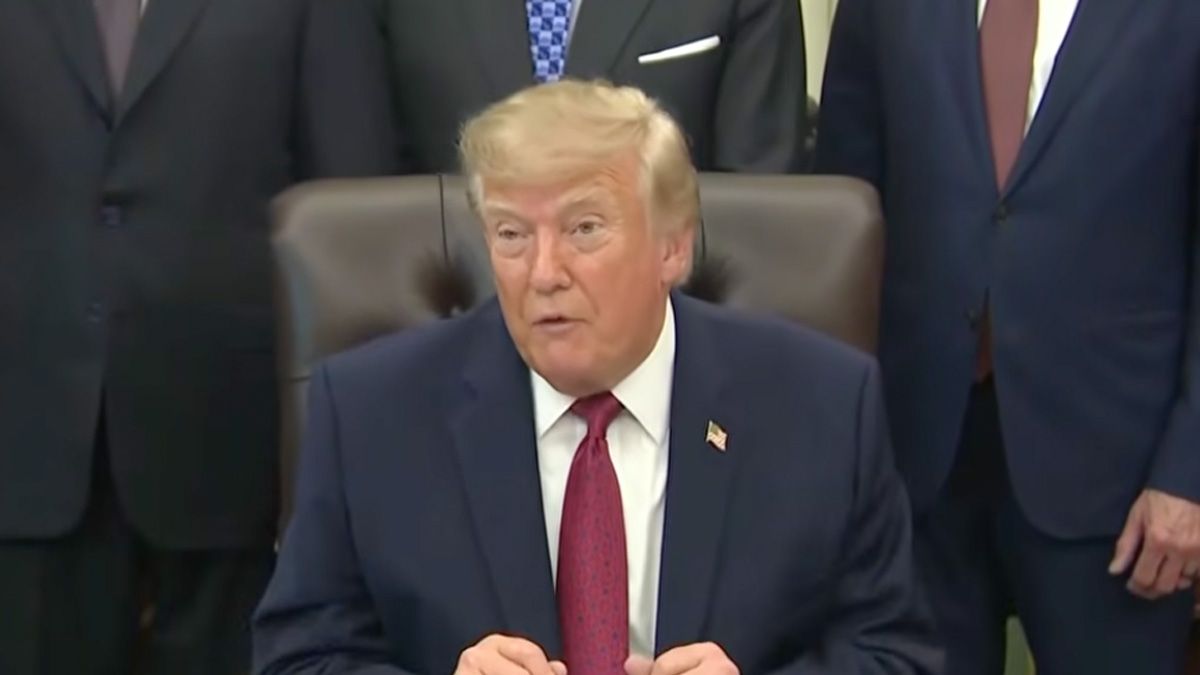
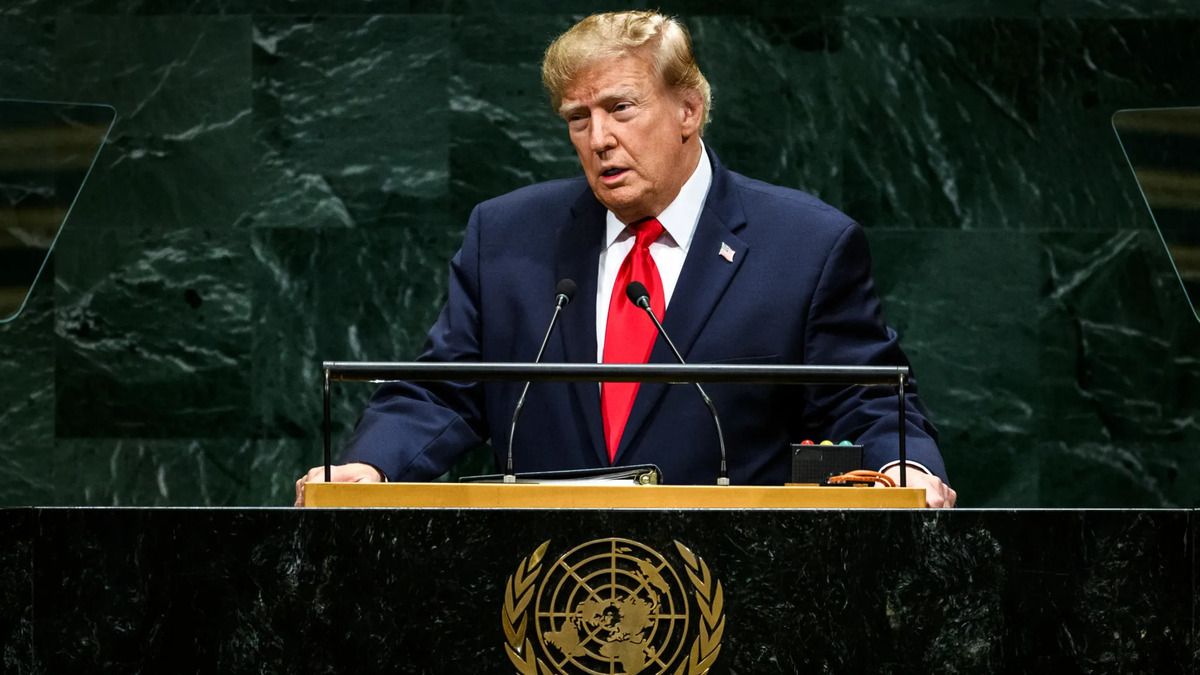
US President Donald Trump's Board of Peace has proposed a six-month, US$2.45 billion programme to begin the reconstruction and governance of the Gaza Strip, presenting a 66-project blueprint as the territory continues to face extensive destruction and humanitarian needs.
The programme was unveiled in New York on Wednesday, 23 September, on the sidelines of the United Nations General Assembly.
It covers temporary housing, rubble removal, hospital repairs, economic recovery and security, according to reports on the plan presented by the Board of Peace.
The Board of Peace's proposal comes as the broader framework established under Trump's 20-point Gaza plan remains only partially implemented.
Plan covers reconstruction, services and security
The 66 projects are divided into areas including infrastructure development, human development, economic recovery, digital transformation, legal affairs, and peace and security.
Reported allocations include about US$400 million for temporary shelters, US$275 million for the removal of rubble and unexploded ordnance, US$50 million for hospital rehabilitation and US$30 million for road repairs.
The programme also proposes repairing border crossings, restoring electricity and water infrastructure, providing 25,000 portable solar-power kits and permanently filling tunnels beneath areas identified for priority reconstruction. Other projects include improvements to public transport, communications, logistics, economic infrastructure and government services.
The Board of Peace has estimated that reconstruction of Gaza's physical infrastructure will require about US$35.2 billion over the medium term, with a further US$71.4 billion needed during the following decade.
The United Nations has previously documented the scale of the reconstruction challenge.
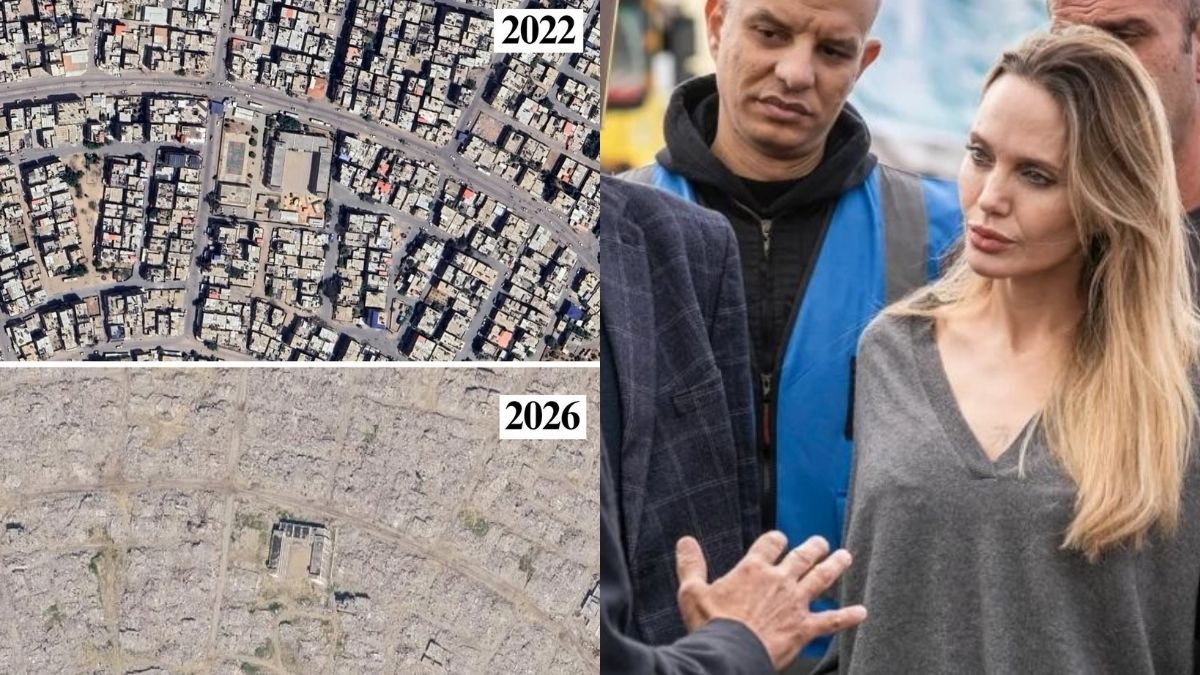
In a May 2026 report submitted to the Security Council, the Board of Peace said about 85 per cent of buildings and infrastructure in Gaza had been damaged or destroyed, with an estimated 70 million tonnes of rubble requiring clearance, including unexploded ordnance.
It also estimated that about 350 kilometres of tunnels would need to be neutralised and at least one million people required permanent shelter and water, sanitation and hygiene infrastructure.
Governance is part of the reconstruction plan
The reconstruction programme is linked to the political and security arrangements in Trump's 20-point plan.
The White House said in January that the Board of Peace would provide strategic oversight for reconstruction and resource mobilisation while Gaza transitioned towards a new governing arrangement.
It said the National Committee for the Administration of Gaza would oversee restoration of public services and civil institutions, while an International Stabilization Force would support security and the delivery of humanitarian aid and reconstruction materials.
The Board of Peace was formally established after its charter was ratified by Trump in January. The White House said the organisation was intended to oversee demilitarisation, governance reform and large-scale rebuilding in Gaza.
Former British prime minister Tony Blair, an executive board member, said at Wednesday's meeting that Palestinians in Gaza needed a solution rather than a slogan, according to reports from the event.
Reconstruction faces continuing humanitarian needs
The proposed programme comes nearly a year after the ceasefire agreement announced on 10 October 2025.
The ceasefire framework envisaged further Israeli military withdrawals, the disarmament of Hamas, deployment of an International Stabilization Force and the establishment of a Palestinian technocratic administration for Gaza.
However, the United Nations continues to report military activity, civilian casualties, displacement and damage to infrastructure.
In its latest humanitarian report, covering 7–13 September, the UN Office for the Coordination of Humanitarian Affairs said civilians continued to face widespread destruction, ongoing strikes and restrictions on essential supplies and equipment.
According to figures from Gaza's Ministry of Health cited by OCHA, 22 Palestinians were reported killed and 209 injured between 9 and 16 September.
The reported death toll since the October 2025 ceasefire had reached 1,381, with 4,757 injuries. OCHA notes that these figures are provided by the ministry, which operates under Gaza's de facto authorities.
The same report said shortages of machinery, fuel, engine oil and spare parts were limiting search-and-rescue operations and the repair of damaged buildings. Humanitarian organisations were also preparing for the rainy season while facing restrictions on bringing essential materials into Gaza.
Implementation depends on security and governance arrangements
The Board of Peace's reconstruction programme is therefore being proposed alongside unresolved security and governance arrangements.
The US plan envisages a transition involving a Palestinian technocratic administration and an International Stabilization Force, while the Board of Peace has identified Hamas's disarmament and the establishment of security conditions as part of the transition.
In its May report to the UN Security Council, the Board of Peace said reconstruction would require the removal of unexploded ordnance, debris clearance, functioning governance, access to essential services and the mobilisation of international funding.
The six-month programme is intended as an initial phase rather than the full reconstruction effort. The Board's own estimates put the longer-term financial requirement at tens of billions of dollars, reflecting the scale of damage to housing, infrastructure, public services and the wider economy.