Malaysia lifts emergency declaration in Sarawak's Serian Division as haze eases, but pollution persists elsewhere
Malaysia has lifted the haze-related emergency in Sarawak’s Serian division after air quality improved, while cloud seeding and school closures continue amid smoke from fires in Kalimantan.
- Malaysia lifted Serian’s emergency declaration after its air quality improved from hazardous to unhealthy levels.
- Samarahan recorded Malaysia’s only very unhealthy API reading on Monday morning, at 226.
- Sarawak extended cloud seeding while 647 schools temporarily shifted to home-based learning.

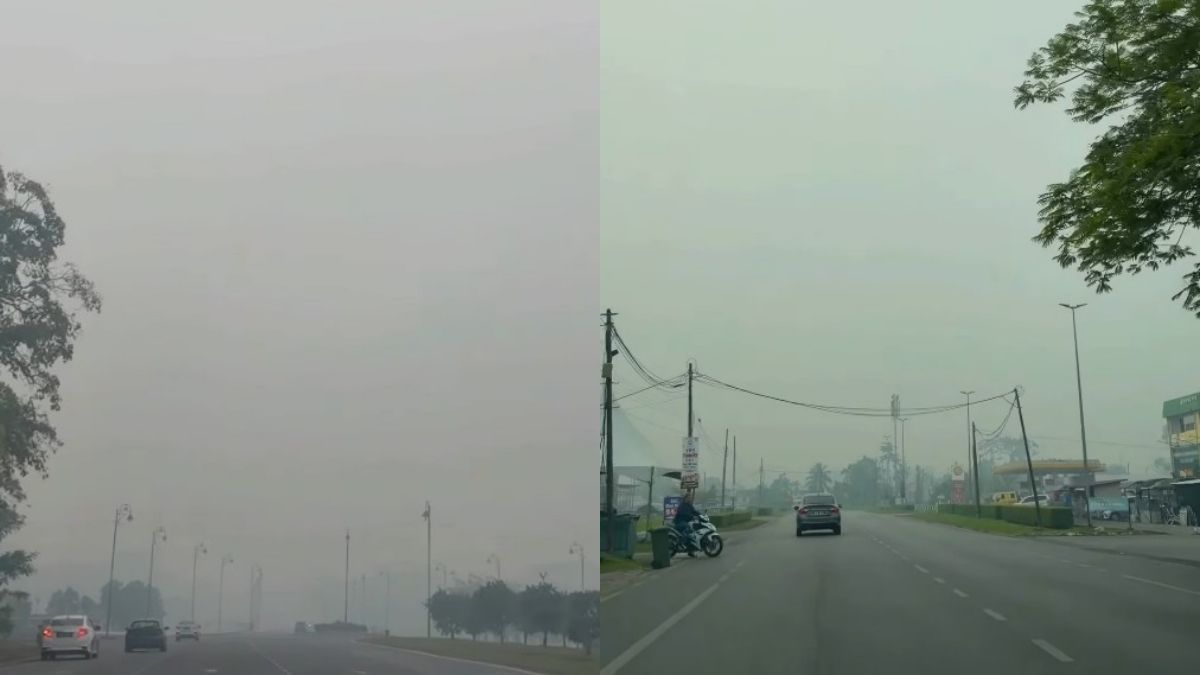
Malaysia has lifted the emergency declaration in Sarawak's Serian division after air quality improved from hazardous levels, while cloud-seeding operations have been extended as the state continues to deal with transboundary haze from fires in neighbouring Indonesia.
Yang di-Pertuan Agong Sultan Ibrahim on Monday consented to lift the emergency declaration across Serian, which had been imposed on 4 September after air pollution in the division reached levels considered hazardous to public health and safety. The decision followed a decline in the Air Pollutant Index (API) in the area over the weekend.
The move came as haze continued to affect several parts of Sarawak and other parts of Malaysia. As of 8am on Monday, Samarahan in Sarawak recorded the country's only “very unhealthy” API reading, at 226. A further 40 areas nationwide recorded unhealthy readings, while 24 were classified as moderate and two as good.
Serian emergency lifted after air quality improves
The emergency declaration covered the entire Serian division and was introduced after pollution levels rose sharply earlier in the week.
Serian's API reached 518 at 10am on 4 September, placing the air quality in the hazardous category. Earlier readings that morning had already exceeded 500. The emergency was declared following advice from Prime Minister Anwar Ibrahim, Sarawak Premier Abang Johari Tun Openg and relevant government agencies.
The API scale used by Malaysia classifies readings from 101 to 200 as unhealthy, 201 to 300 as very unhealthy and readings above 300 as hazardous.
The emergency declaration was accompanied by measures intended to reduce people's exposure to the haze. Sarawak authorities said it was not equivalent to the movement restrictions imposed during the COVID-19 pandemic, but was intended to encourage residents in affected areas to remain indoors.
Essential services, including supermarkets, petrol stations, banks and selected government services, were allowed to continue operating.
By Sunday, Serian's API had fallen to 185 at noon, putting it in the unhealthy category. Sarawak's State Disaster Management Committee said it would continue monitoring air quality, weather conditions, hotspots and haze movement.
Cloud seeding continues across Sarawak
Despite the improvement in Serian, Sarawak has extended cloud-seeding operations until Monday in an effort to generate rainfall in areas affected by the dry conditions and haze.
Sarawak Disaster Management Committee chairman Douglas Uggah Embas said the operation followed a successful cloud-seeding mission on Saturday that produced rainfall over the Bakun and Murum dam areas.
The operation is being conducted when suitable clouds and weather conditions are available. Sarawak began cloud seeding on Thursday, targeting key dams and water catchment areas in the state.
Uggah said the air quality in Serian had improved, with the API at 185 at noon on Sunday. However, he said further monitoring was required before authorities could make formal recommendations concerning the emergency status.
The cloud-seeding effort comes amid concerns over water resources as the dry conditions continue. Malaysia's Meteorological Department forecasts temperatures of up to 35°C in Sarawak during the first part of the week, with isolated rain and thunderstorms possible over inland areas. Haze remains part of the forecast for several days.
Haze continues to affect schools and daily activities
The haze has already disrupted education across Sarawak.
A total of 647 primary and secondary schools in 12 districts are scheduled to close temporarily from 7 to 11 September. The closure affects 563 primary schools with 108,477 pupils and 84 secondary schools with 90,082 pupils.
Lessons will continue through home-based teaching and learning during the closure. The affected districts include Kuching, Padawan, Bau, Lundu, Samarahan, Simunjan, Serian, Sri Aman, Lubok Antu, Kanowit, Julau and Meradong.
The decision followed continued monitoring of API readings and weather conditions. Schools have been instructed to monitor air quality through Malaysia's Air Pollutant Index Management System and follow health and safety guidance.
Samarahan remains in the very unhealthy category
Although Serian's air quality has improved, haze remains severe in other parts of Sarawak.
At 8am on Monday, Samarahan recorded an API of 226, the only reading in Malaysia in the very unhealthy category at that time. Other Sarawak locations recorded unhealthy readings, including Sarikei at 194, Serian at 193, Kuching at 192, Sibu at 183 and Sri Aman at 183.
Unhealthy readings were also recorded in Mukah, Samalaju, Bintulu, Miri and Limbang.
Outside Sarawak, unhealthy air was reported in parts of Selangor, Kuala Lumpur, Putrajaya, Labuan, Pahang, Negeri Sembilan, Sabah, Johor, Melaka and Perak.
The widespread readings indicate that the haze is not confined to the Serian area, although Sarawak remains among the worst-affected parts of Malaysia.
Smoke from Kalimantan continues to cross into Sarawak
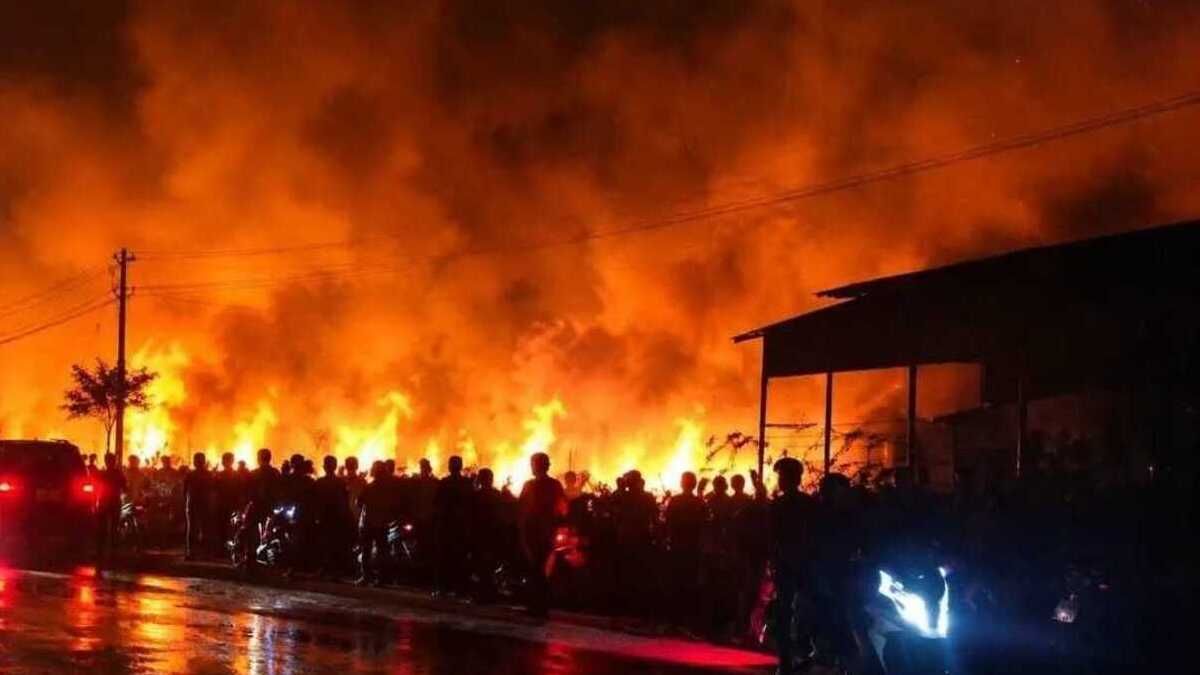
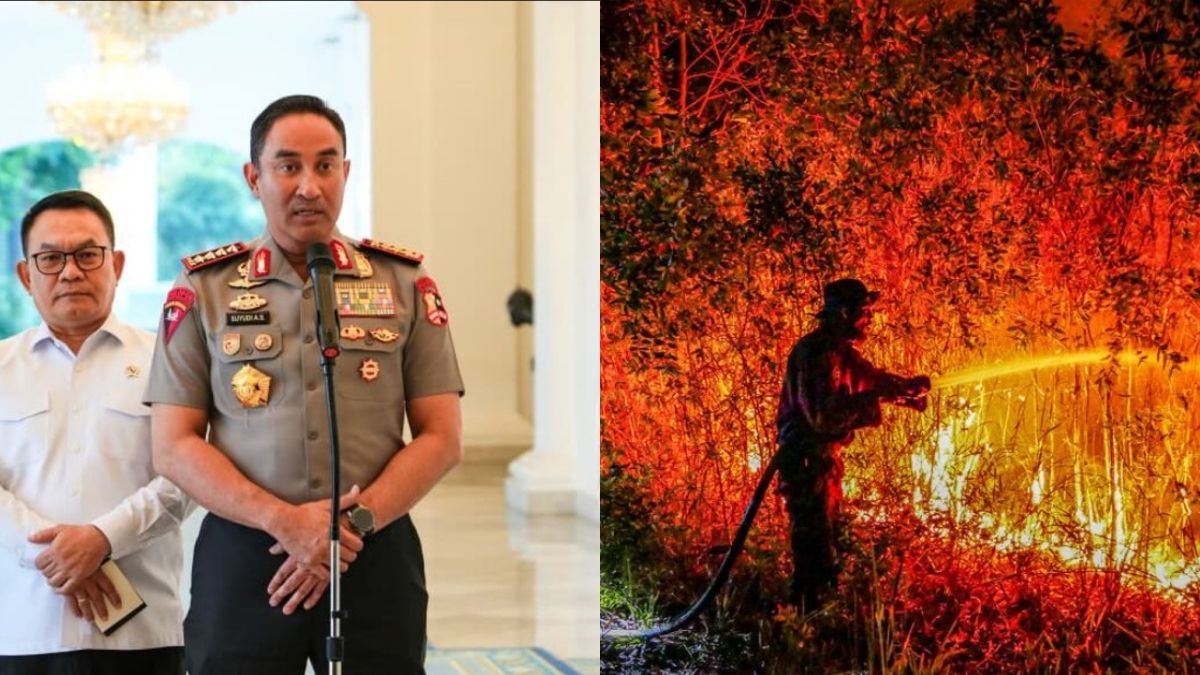
The haze has been linked by Malaysian and regional authorities to smoke from fires in Indonesia, particularly Kalimantan.
The ASEAN Specialised Meteorological Centre reported on 6 September that widespread hotspots had been detected in southern Kalimantan, with moderate to dense smoke from the area drifting northwards into parts of Sarawak.
The regional monitoring centre also reported unhealthy to hazardous air quality at multiple monitoring stations in Borneo. Smoke plumes from Sumatra and Kalimantan were also moving towards other parts of Malaysia and Singapore.
Sarawak authorities said on Sunday that ASMC data showed no hotspots in Sarawak at that time, while 184 hotspots had been detected in neighbouring Kalimantan. The authorities said air quality in Serian was influenced by wind direction and the location of hotspots.
ASMC's seasonal outlook indicates that the regional risk is likely to remain elevated. It expects Southwest Monsoon conditions to continue into early October, while strong El Niño conditions and below-normal rainfall across much of southern ASEAN are expected to increase the likelihood of prolonged dry periods, fires and transboundary haze.
Malaysia continues monitoring despite improved conditions
The lifting of the Serian emergency does not mark the end of the haze response in Sarawak.
Authorities are continuing to monitor API readings, hotspots, wind direction, rainfall and the movement of smoke. Cloud seeding is also being maintained where weather conditions permit, while schools in affected districts have shifted temporarily to home-based learning.
As of Monday morning, the highest API reading in Malaysia was 226 in Samarahan, while Serian had returned to the unhealthy category at 193. Sarawak's meteorological forecast also continues to include haze in several areas, alongside isolated rain and thunderstorms.
The regional haze situation remains dependent on fire activity in Kalimantan, weather conditions and prevailing winds, with ASMC continuing to monitor developments across southern ASEAN.