Jordan strikes Syria after church attack as border crossing closes amid diplomatic dispute
Jordan launched airstrikes against alleged militant positions in southern Syria on 26 October 2026 following a deadly attack on a Greek Orthodox church in Karak. Syria reported civilian deaths, denied prior coordination and closed its main border crossing with Jordan.
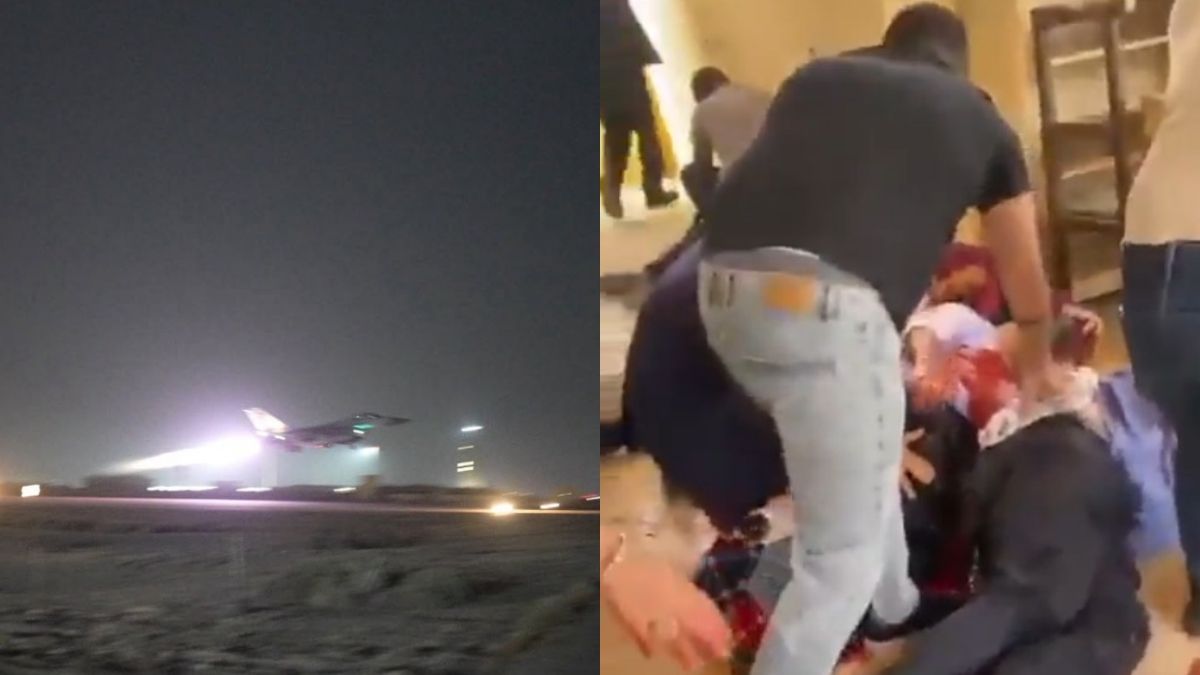
- Jordan struck alleged militant positions in southern Syria after a deadly church shooting in Karak.
- Syria reported civilian casualties, disputed Jordan’s account of coordination and closed the Nassib border crossing.
- Jordan arrested three suspects, while authorities continued investigating the attack and possible links to armed groups.

Jordan carried out airstrikes against alleged militant positions in southern Syria on Monday, 26 October 2026, following a deadly shooting at a Greek Orthodox church in Karak. The operation prompted Syria to close its main border crossing with Jordan and dispute Amman’s account of coordination.
Jordan’s military said the strikes targeted armed groups it linked to the church attack, claiming the operation killed or wounded numerous members and destroyed several vehicles. Syrian authorities, however, reported civilian casualties and said the strikes were conducted without prior notification.
The developments came hours after Jordanian security forces arrested three men suspected of carrying out the church shooting, which killed mourners attending a funeral and wounded dozens more.
Syrian authorities report civilian deaths in strikes across two provinces
Syria’s Civil Defence service said it recovered seven bodies following strikes on at least four locations in Daraa and Suweyda provinces. The reported dead included three men, a woman and three children.
Five members of one family, including three children and a woman, were reportedly killed when a strike hit a tent in the village of Al-Tai in Daraa province. Three other members of the family, including a child, were wounded.
A separate strike hit Al Shayyah in Daraa, killing an 80-year-old man, according to Syrian authorities. Another strike damaged a residential building in Muzayrib, in the Ain al-Basal area, without causing reported casualties.
In Suweyda province, a strike hit a residential building in Shahba and killed a 60-year-old man, the Civil Defence service said.
Syrian state news agency SANA also reported civilian deaths, citing a local health official. Anadolu Agency subsequently reported that six people had been killed, citing Daraa’s Health Directorate.
Jordan and Syria issue conflicting accounts of military coordination
Jordan’s Armed Forces said the strikes targeted hideouts belonging to armed groups in southeastern Syria in retaliation for the attack in Karak governorate. The military said the operation was conducted in coordination with the Syrian government.
Damascus rejected that account. The Syrian government said the operation took place without prior coordination or notification and announced an investigation into the circumstances surrounding the strikes.
A Syrian Foreign Ministry official described the operation as a “treacherous attack” in comments to Al Jazeera, saying the ministry would seek to manage the fallout while preserving Syrian sovereignty.
The Syrian Foreign Ministry also said contacts with Jordan were ongoing. The competing statements left the two governments’ accounts of the operation in direct conflict.
Syria closes Nassib crossing, disrupting passenger and commercial traffic
Syria’s General Authority for Ports and Customs announced the closure of the Nassib border crossing on Tuesday, 27 October, suspending passenger and commercial traffic in both directions.
The authority cited developments on the ground in Daraa province and said the closure was intended to protect travellers and crossing staff.
Nassib is the principal crossing between Jordan and Syria for passengers and commercial goods. Its closure therefore interrupts a key route for cross-border movement and trade.
Anadolu Agency reported on Tuesday that Syrian authorities were monitoring developments and taking measures to safeguard public safety. The crossing’s reopening had not been confirmed in the reports available at publication.
Jordan arrests three suspects following a three-hour security operation
Jordanian security forces arrested three men on Monday in the village of Al-Jadeeda in Karak governorate after a confrontation at an abandoned house.
According to Jordan’s Public Security Directorate, the suspects refused to surrender and attacked security personnel, who returned fire before arresting them. All three sustained injuries during the operation.
A Jordanian government source told Al Jazeera that the confrontation lasted approximately three hours and that the suspects suffered serious injuries. One was reportedly in a critical condition.
The suspects were identified in reports as two brothers and their brother-in-law. Authorities said firearms and ammunition were recovered from the location.
The Associated Press reported that Jordanian security officials had found no indication that the suspects were connected to an organised armed group. No group had claimed responsibility for the church attack in the latest reports reviewed.
King Abdullah II orders security review after church shooting
The airstrikes followed a pledge by King Abdullah II that those responsible for the church attack would face the “harshest penalties”. The king also ordered a review of Jordan’s security procedures.
Three gunmen opened fire during a funeral at St George’s Greek Orthodox Church in the village of Hammoud, in Karak governorate, on Friday, 23 October. The town lies south of Amman and has a significant Christian community.
Jordanian authorities reported that the shooting killed nine people and wounded dozens. The attack targeted a religious gathering in a country where Christians constitute a minority of the population.
On Sunday, 25 October, mourners gathered for the funerals of victims. Queen Rania, Crown Prince Hussein and Princess Rajwa were also reported to have visited bereaved families, with Princess Salma accompanying the queen.
Jordan subsequently declared three days of national mourning. Investigations into the shooting continued as the arrests and cross-border military action added a regional dimension to the response.