Sarawak launches cloud seeding as dams fall and haze worsens
Sarawak has begun a three-day cloud seeding operation targeting key water catchment areas as reservoir levels decline, haze worsens and authorities prepare for potentially hotter and drier conditions.
- Sarawak began cloud seeding on 3 September to replenish reservoirs and key water catchment areas.
- Serian recorded a hazardous API reading of 355 as haze worsened across the state.
- A strengthening El Niño could bring hotter, drier conditions and increase fire risks.

Sarawak has launched a three-day cloud seeding operation to increase rainfall over key water catchment areas, replenish declining water levels at hydroelectric dams and help ease worsening haze as the region prepares for potentially hotter and drier conditions in the coming months.
The operation began on Thursday, 3 September, with the first day's flights targeting three major hydroelectric reservoirs: Batang Ai in the Sri Aman Division, and Bakun and Murum in northern Sarawak.
Over the following two days, the operation will extend to 13 critical water catchment areas across the Samarahan, Sri Aman, Betong, Kapit and Limbang divisions.
Sarawak Deputy Premier Douglas Uggah Embas, who chairs the Sarawak Disaster Management Committee (SDMC), said the operation was intended to increase reservoir levels before the expected dry conditions intensify.
“October might be hotter and drier. We want to increase the water levels as much as possible while we still can,” Uggah said at the Royal Malaysian Air Force (RMAF) base in Kuching, where he witnessed a C-130 aircraft depart for the operation.
Cloud seeding targets water supplies
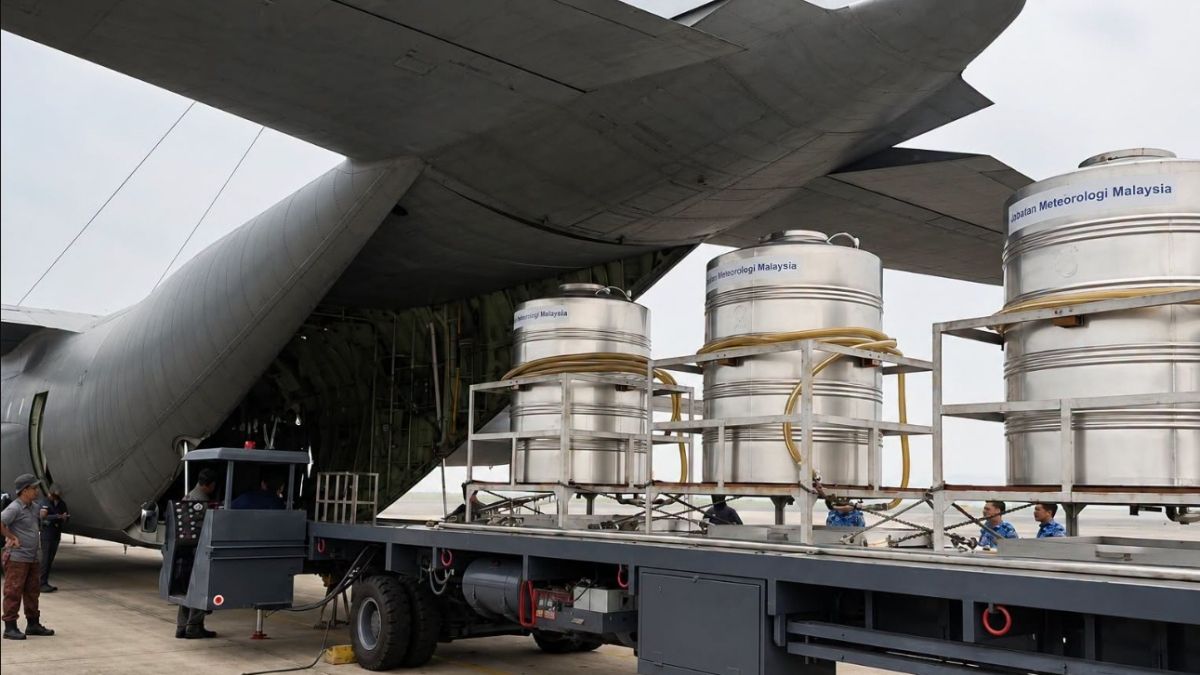
The operation uses an RMAF C-130 aircraft carrying four steel tanks containing a total of 7,200 litres of salt solution.
Meteorologist Mohd Ridzuan Adam said the aircraft would target towering cumulus clouds at altitudes of between 5,000 and 7,000 feet. The salt solution is released into clouds containing sufficient moisture, with rainfall typically occurring within one to three hours when conditions are suitable.
However, he said weak south-westerly winds could delay the process.
“We cannot guarantee rain immediately after seeding, but we will continue operations whenever suitable cloud formations are identified,” Ridzuan said. Clear skies or clouds without sufficient moisture cannot be used for cloud seeding.
The operation is part of a wider Malaysian government effort involving the National Disaster Management Agency (Nadma), the Malaysian Meteorological Department (MetMalaysia) and the RMAF.
Nadma coordinates funding, the RMAF provides aircraft and flight support, while MetMalaysia provides meteorological assessments and technical expertise.
MetMalaysia said cloud seeding operations conducted in several Malaysian states this year, including Perlis, Kedah, Perak, Johor, Melaka, Negeri Sembilan, Sarawak and Sabah, achieved a 90% success rate in producing rainfall over targeted or catchment areas.
Haze reaches hazardous levels
The operation comes as air quality in parts of Sarawak deteriorates.
On Thursday, Serian recorded an Air Pollutant Index (API) reading of 355 at noon, placing it in the hazardous category. Four other locations in Sarawak recorded very unhealthy readings: Sri Aman at 288, Kuching at 277, Samarahan at 261 and Sarikei at 217.
Under Malaysia's API classification, readings above 300 are considered hazardous, while readings between 201 and 300 are categorised as very unhealthy.
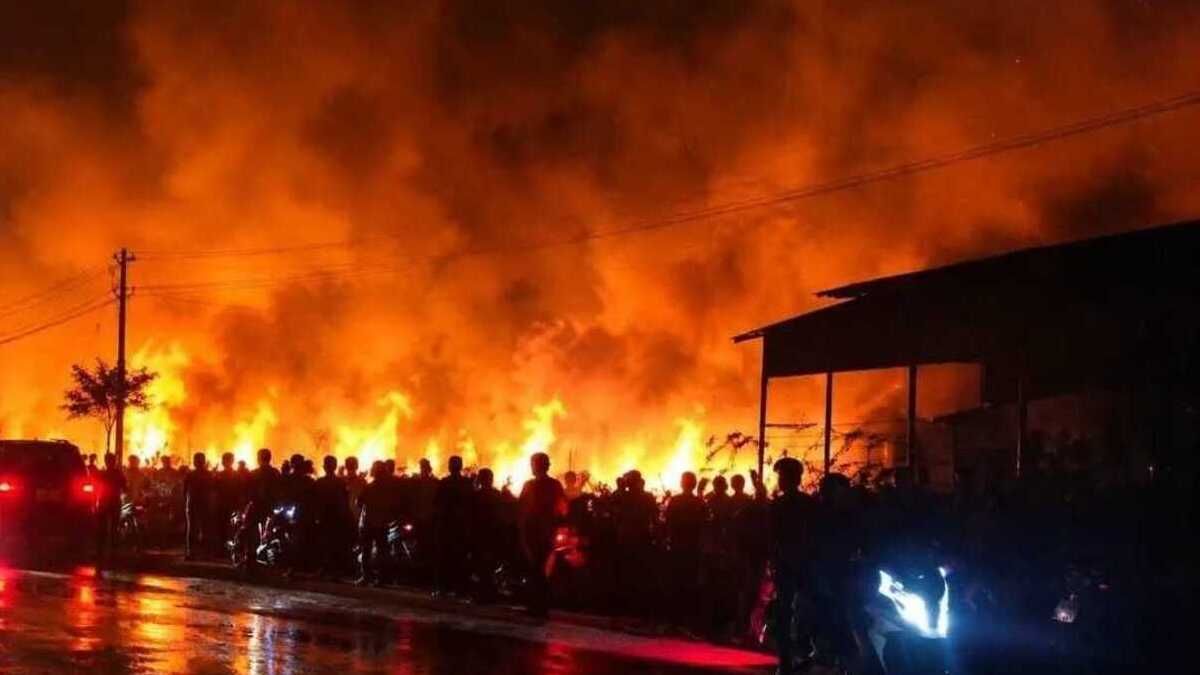
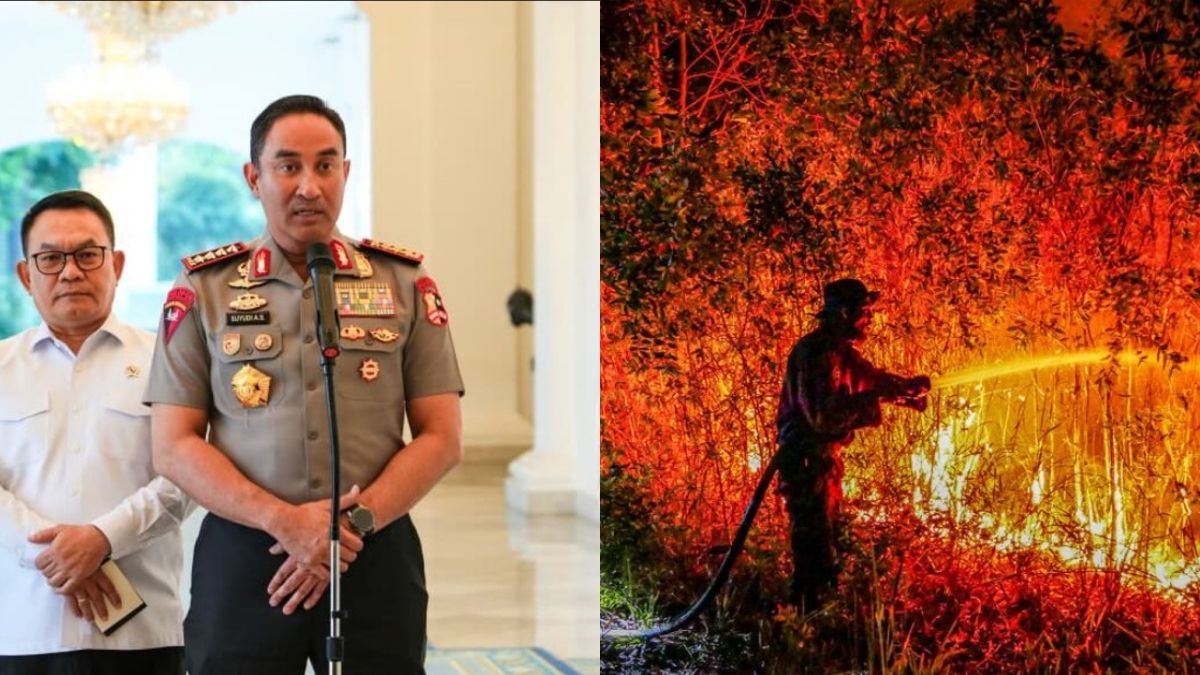
The haze has been linked to fires in parts of Borneo and neighbouring areas, with prevailing south-westerly winds carrying smoke towards Sarawak.
MetMalaysia said earlier that Sarawak could remain affected by haze for at least another week because fires continued to burn in Kalimantan, the Indonesian portion of Borneo. The department said the south-westerly winds were expected to persist throughout September.
On 28 August, 1,738 hotspots were detected across southern and western Borneo. Although the number subsequently fell to 261 in West Kalimantan, smoke continued to be transported towards western and southern Sarawak by the prevailing winds, according to MetMalaysia.
Rainfall needed to replenish dams
Uggah said water levels in several reservoirs were lower than usual but remained under control. Sarawak Energy Berhad, the state's electricity utility, is continuing to monitor reservoir levels.
The rainfall generated by cloud seeding is intended primarily to improve water availability in the catchment areas feeding the state's dams. The additional rain is also expected to help remove airborne pollutants and reduce haze.
The current operation follows earlier cloud seeding exercises conducted in Sarawak this year. A previous operation was carried out in May, followed by further exercises in June. Sarawak authorities said those operations had a positive effect on dam water levels, according to Sarawak Energy.
The planned September operation had been under consideration since late August as authorities prepared for the possible effects of prolonged hot and dry weather and declining reservoir levels.
El Niño raises dry-season concerns
The cloud seeding effort is taking place as a strong El Niño develops in the tropical Pacific.
The World Meteorological Organisation (WMO) said on 3 September that El Niño was firmly established and expected to strengthen further into a very strong event. Forecasts indicated a nearly 100% likelihood that the phenomenon would persist through February 2027.
WMO forecasts for September to November indicate a strong El Niño pattern, with above-normal temperatures expected across almost all land areas and significant changes in rainfall patterns.
The developing climate pattern is also relevant to the haze situation in Borneo and surrounding parts of South-East Asia. Universiti Kebangsaan Malaysia climatologist Prof Dr Fredolin Tangang told The Star that dry conditions were expected to persist over Kalimantan and southern Sumatra from September to November, increasing the susceptibility of forests and peatlands to fires.
Fredolin said cloud seeding depended heavily on the availability of suitable clouds and could be difficult during El Niño conditions, when cloud cover can be limited.
He said the current haze would persist as long as fires continued to generate smoke, and called for measures including early identification of high-risk areas, improved management of peatland water levels, tighter controls on open burning and the pre-positioning of firefighting resources.
Experts question lasting impact of cloud seeding
Universiti Malaya meteorologist Prof Datuk Dr Azizan Abu Samah also said cloud seeding was unlikely to provide lasting relief from the haze.
He said rainfall could temporarily remove haze particles from the atmosphere, but smoke could return as prevailing winds continued to transport pollution from areas where fires were burning.
Azizan said the scale of the smoke plume from fires in Sumatra meant that rainfall over a relatively small area would provide only temporary improvement in air quality. He said the fires producing the smoke needed to be addressed at their source.
Both experts said cloud seeding should not be regarded as a standalone solution to the haze, while the Malaysian government continues to use it as a measure to increase rainfall over targeted catchment areas.
Wider cloud seeding operation across Malaysia
The Sarawak operation forms part of a wider cloud seeding programme being conducted in Malaysia.
On Thursday, the government also carried out cloud seeding over Perlis and Kedah, targeting the Timah Tasoh Dam in Perlis and the Ahning, Pedu, Muda and Beris dams in Kedah.
The RMAF C-130H used for that operation carried four tanks, each containing approximately 200kg of sodium chloride mixed with 1,500 litres of water. The aircraft operated at altitudes ranging from 5,000 to 9,000 feet, depending on cloud formations.
The operations are designed to increase rainfall over selected catchments and help maintain water supplies for domestic and agricultural use during dry periods.
For Sarawak, authorities will continue the three-day operation through 5 September, with flights conducted when meteorological conditions and cloud formations meet the required technical criteria.