US-Canada trade talks collapse as Washington imposes 50% tariffs on Ottawa
Trade talks between the United States and Canada have collapsed, triggering new 50% US tariffs on a range of Canadian goods. Prime Minister Mark Carney has vowed to match the levies dollar-for-dollar from 8 September.
- US-Canada trade talks collapsed late Friday, triggering new 50% American tariffs.
- Prime Minister Mark Carney pledged dollar-for-dollar retaliation from 8 September 2026.
- Canadian provincial leaders largely backed Carney; Washington says no new talks planned.

Trade negotiations between the United States and Canada collapsed late on Friday, 21 August 2026, prompting Washington to impose fresh 50% tariffs on a range of Canadian goods and drawing a pledge of matching retaliation from Ottawa.
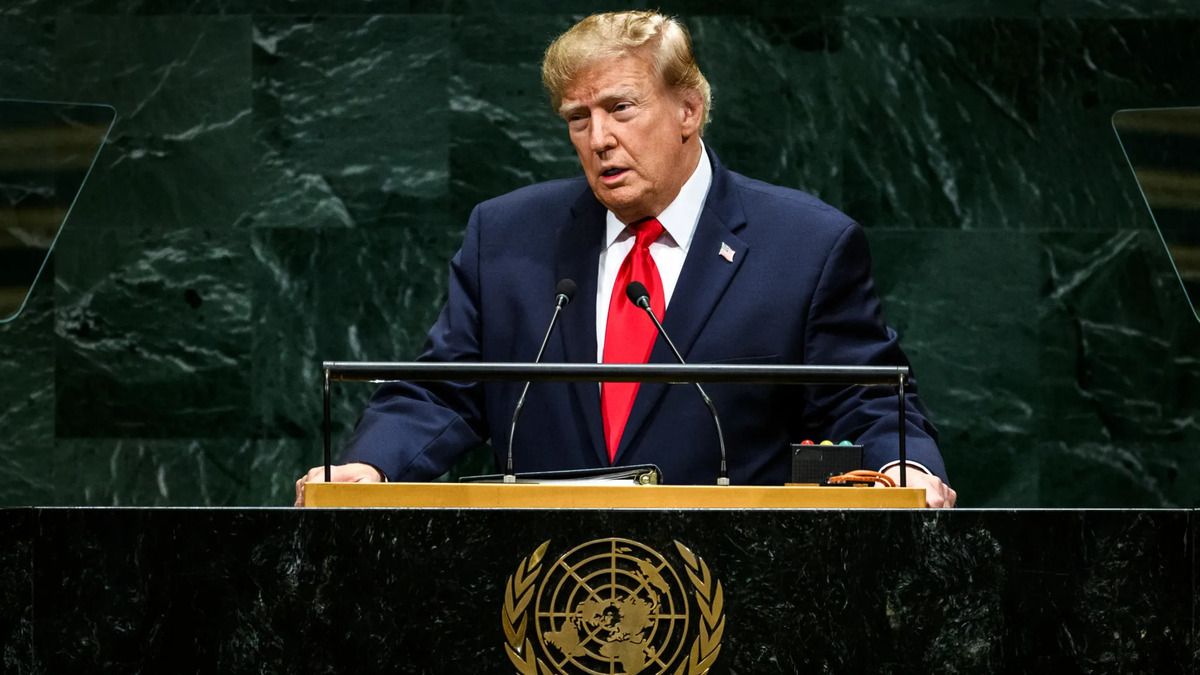
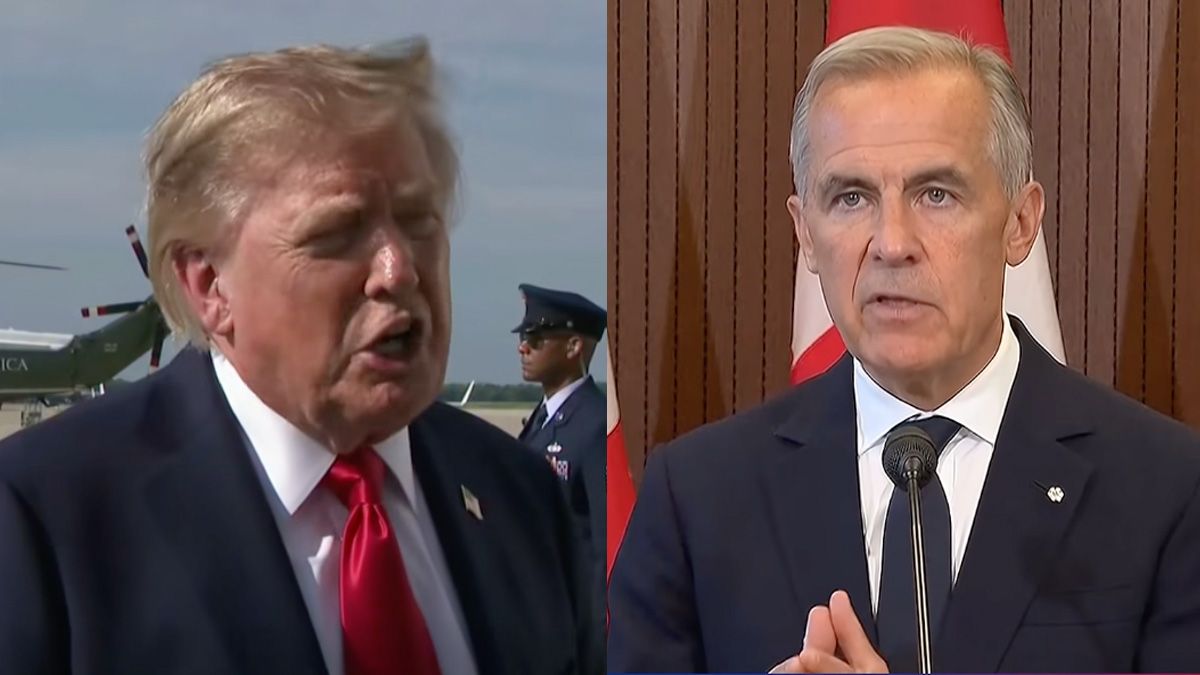
US President Donald Trump said on Sunday that Canada wanted "the benefits of being a State, without being one," his first public comments since the talks broke down. He also said American farmers had been charged "massive amounts of Tariffs" for years.

Canadian Prime Minister Mark Carney described the new tariffs as "a miscalculation" at a press conference on Saturday, 22 August 2026, blaming the breakdown on what he called "uneconomic" and "unfair" demands from the Trump administration.
"In recent days, the United States proposed new terms that were uneconomic, unfair, and undermined the net benefits for Canada, and called into question the reliability of any deal," Carney told reporters. "In short, they asked too much, and they offered too little."
Carney said he had directed Canadian negotiators to return to Ottawa on Friday night, shortly before a US-imposed deadline, after concluding that progress made in talks had "not been enough to meet our objectives for Canadians."
The 50% duties took effect at midnight on Friday under Section 338 of the Tariff Act of 1930, a provision the US trade representative's office confirmed had never previously been deployed. It permits tariffs of up to 50% on trading partners deemed to discriminate against US commerce.
The measures apply to roughly US$20 billion (£15 billion; C$28 billion) of Canadian imports, around 5% of total trade between the two countries, covering goods including hockey equipment, building materials, spirits, clothing, wine, dairy and cement.
Carney confirmed Canada would match the tariffs "dollar for dollar," with retaliatory measures concentrated on steel, dairy, appliances, agricultural equipment, pulp and paper, and electronics, taking effect from 8 September 2026. Further details of the counter-measures are expected in the coming days.
Asked why the dispute felt like Canada was "going to war," Carney responded, "Because we were attacked." He added: "You're at war when you get attacked. We got attacked."
Carney identified several last-minute US demands he said had derailed the deal, including a proposal to limit tariff relief to passenger autos rather than medium and heavy-duty trucks, and new efforts to restrict Canada's ability to strike trade deals with other countries.
He said Washington had also sought to "restrict our protections of our language, our culture, and in effect, our sovereignty," though he did not elaborate further on this point.
US Trade Representative Jamieson Greer disputed Carney's account, saying in a statement that Canada had "declined to finalize the trade deal under the terms agreed earlier this week." He said "new demands and walk backs of other commitments by Canada" had upset the balance reached during negotiations.
Greer told Fox News on Saturday that there were "no new talks planned with the Canadians," adding that Washington would "respond to Canadian retaliation." He said the US had been prepared to lower tariffs on steel, aluminium, autos and lumber as part of the now-collapsed deal.
Greer also linked the new duties to Canada's existing retaliatory measures against earlier rounds of US tariffs, including provincial bans on American alcohol sales introduced in 2025. He noted that only Canada and China had retaliated against US trade measures.
Leaders across Canada's political spectrum broadly backed Carney's response. Ontario Premier Doug Ford said the prime minister had his "full support for a strong response — tariff for tariff, dollar for dollar," while accusing Trump of being untrustworthy.
British Columbia Premier David Eby said Washington's demand to restrict Canada's other trade relationships "would reduce us to the economic equivalent of the 51st state," calling the terms unacceptable to Canadians.
Conservative opposition leader Pierre Poilievre also voiced support for Carney, describing the latest US tariffs as "unjustified." Quebec Premier Christine Fréchette warned that jobs would likely be lost, saying: "Behind these numbers are real people."
Alberta Premier Danielle Smith struck a more conciliatory tone, urging both governments to resume negotiations and stating that "no one benefits from a trade war."
Business groups on both sides of the border warned of economic fallout. The US Chamber of Commerce said higher tariffs would "damage both economies" and risk jobs tied to North American trade, while the Canadian Chamber of Commerce called the collapse "a body blow to North American competitiveness."
The breakdown also casts uncertainty over the mandatory review of the United States-Mexico-Canada Agreement (USMCA), which underpins an estimated US$1.6 trillion (£1.2 trillion) in annual trilateral trade. Canada and Mexico had sought a 16-year renewal, which the US declined to grant in its current form.
Asked how the collapse would affect USMCA, Carney said it was "certainly not good news." The new tariffs are widely expected to face legal challenges in US courts.