US judge orders Trump administration to restore CNN, MS NOW and Politico access
A US federal judge ordered the Trump administration to restore White House press credentials for CNN, MS NOW and Politico, rejecting its initial national security justification.
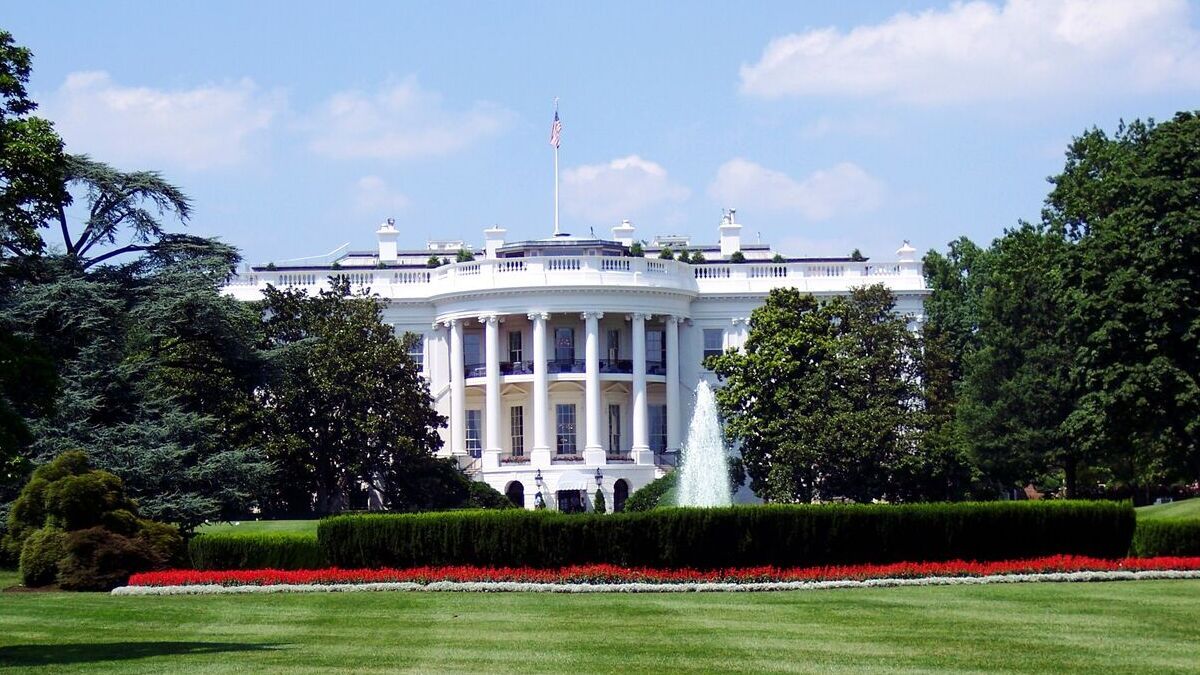
- Judge Timothy Kelly ordered the immediate restoration of the three outlets’ White House press credentials.
- The administration initially cited access privileges and national security concerns to defend the restrictions.
- The temporary order does not resolve the outlets’ broader First Amendment claims.

Journalists from CNN, MS NOW and Politico were allowed back into the White House on Thursday (24 September), hours after a US federal judge ordered the Trump administration to restore their press credentials.
US District Judge Timothy Kelly issued a 14-day temporary restraining order early Thursday, requiring the administration to “immediately return, reinstate, and restore” the outlets' access while their legal challenge proceeds.
Kelly said the organisations were likely to succeed in showing that their White House press credentials had been revoked without constitutionally adequate due process.
The three news organisations had sued President Donald Trump and senior administration officials on 21 September after their journalists were barred from the White House and their so-called hard passes were deactivated or confiscated.
The outlets argued that the ban violated the First Amendment, which protects freedom of speech and of the press, and the Fifth Amendment's due-process protections.
The administration argued that access to the White House was a privilege rather than an entitlement and that the president had authority to determine which media organisations could enter.
Judge questions national security justification
Kelly rejected the administration's argument that national security justified the restrictions, saying the government had provided insufficient factual support for its position.
The judge noted that Trump's initial announcement of the ban had focused on what he described as negative and untruthful reporting by CNN, MS NOW and Politico, rather than national security concerns.
The administration subsequently argued in court that the outlets' reporting could endanger national security.
Kelly said the record before him did not establish that revoking the journalists' credentials would protect national security or that restoring their access while the case continued would endanger it.
He also questioned whether the administration had established sufficiently clear standards for conduct that could result in the loss of a White House press pass.
The judge's order did not resolve the news organisations' broader First Amendment claims.
Instead, it focused on whether the administration had followed constitutionally required procedures before revoking their credentials. The temporary order will remain in force for 14 days while the court considers further proceedings.
Journalists initially turned away
The restoration of access was not immediately implemented.
On Thursday morning, reporters from the three organisations attempted to enter the White House but some were initially refused entry.
CNN reported that Secret Service personnel told journalists their credentials were not active, while some journalists had their hard passes confiscated again.
The outlets subsequently asked the court for an emergency hearing over the failure to implement the order.
The White House later reinstated the affected credentials.
By Thursday afternoon, journalists from CNN, MS NOW and Politico had regained access to the White House grounds.
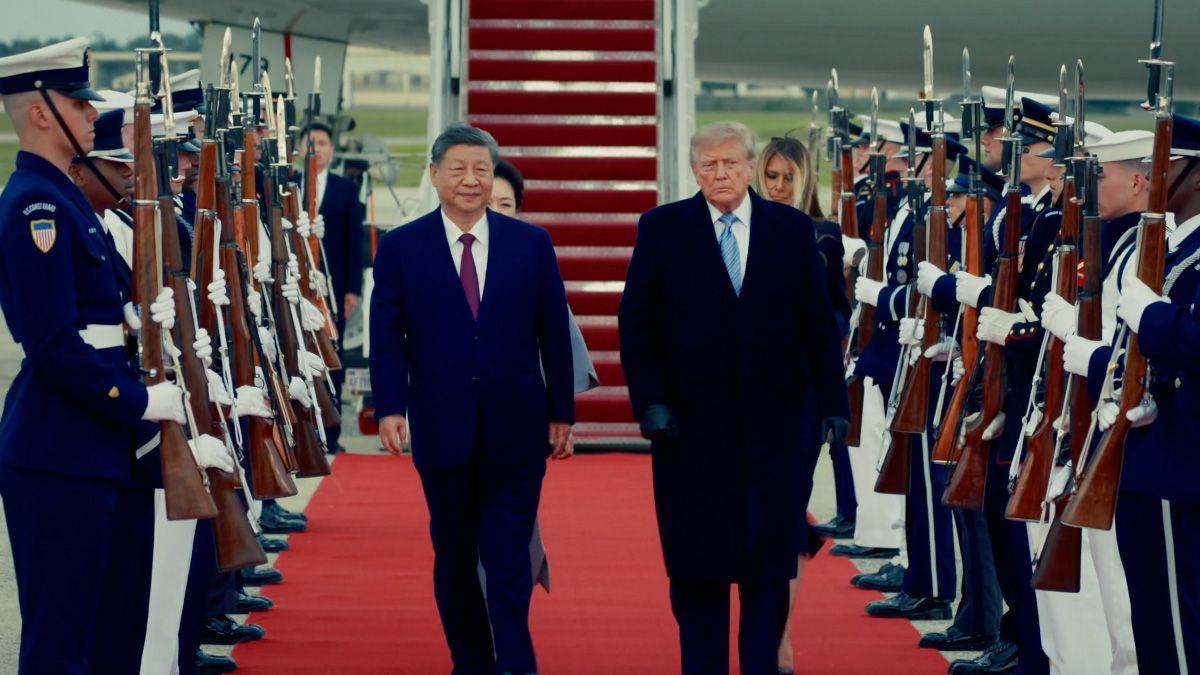
The dispute unfolded as Chinese President Xi Jinping visited Trump at the White House and world leaders gathered in New York for the United Nations General Assembly.
Ban followed Trump's criticism of outlets
Trump announced the restrictions on 18 September, accusing CNN, MS NOW and Politico of publishing what he called “fake news”.
Reporters from the organisations were subsequently denied entry to the White House and their credentials were disabled.
The three organisations said the decision was based on the content of their reporting and therefore amounted to government retaliation against protected press activity. Their lawsuit asked the court to immediately restore their access while the broader case was litigated.
The Justice Department defended the administration's position, arguing that White House access was a privilege and that the president had authority to restrict access to the complex.
The administration also cited national security concerns in its court filings, although Kelly said the evidence presented did not adequately support that justification at this stage of the case.
Media organisations halt pooled coverage
The dispute also affected the White House television pool, through which one network provides video coverage of presidential events for other broadcasters.
ABC, CBS, CNN, Fox News and NBC suspended their television pool coverage in solidarity with CNN after the ban prevented it from carrying out its scheduled role. The move meant that the networks did not provide their usual shared television feed for some presidential events.
Other media organisations also expressed concern over the restrictions.
The case has a previous connection involving Kelly and CNN. During Trump's first term, the judge ordered the White House to temporarily restore the press credentials of CNN correspondent Jim Acosta after his access had been revoked.
Thursday's order is temporary and does not determine the final outcome of the lawsuit. The court is expected to consider further arguments over whether longer-term relief should be granted as the case proceeds.