US Treasury targets Hizballah cash network as Bessent vows toughest Iran sanctions
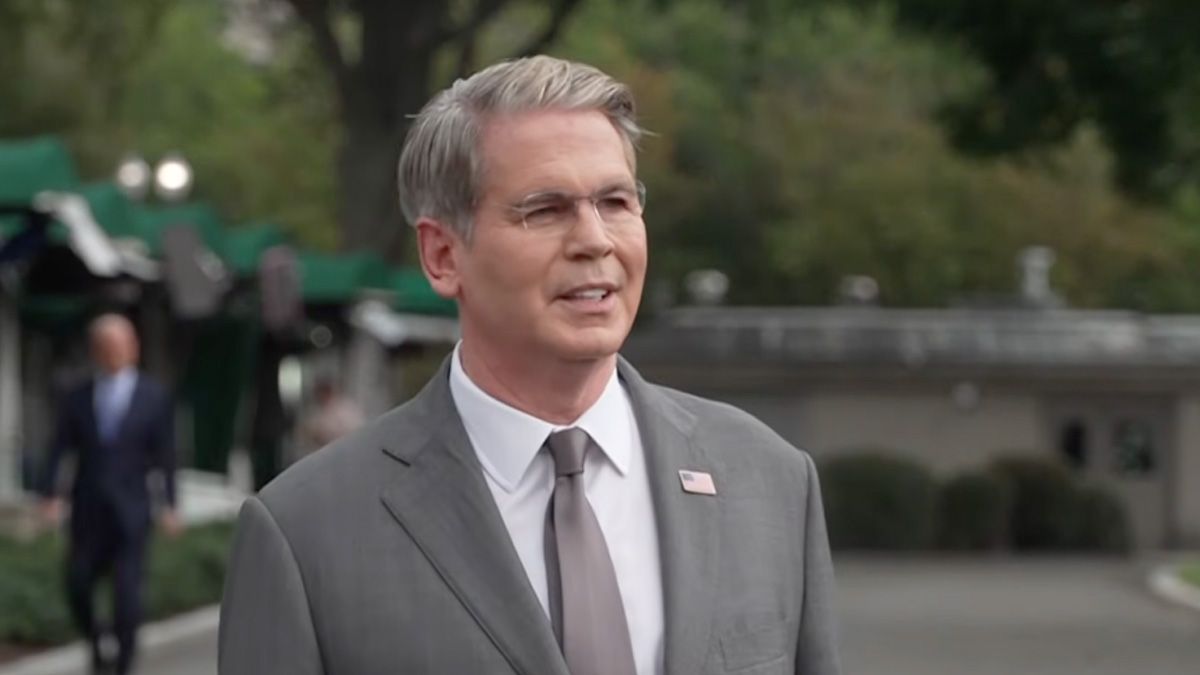
The US Treasury has designated 10 individuals accused of smuggling cash to Hizballah by commercial flight, and re-designated the group as directed by Iran's Revolutionary Guard, hours before Treasury Secretary Scott Bessent promised "the toughest sanctions in history" on Iran.
- Treasury designates 10 alleged couriers moving bulk cash to Hizballah via commercial flights.
- Hizballah re-designated as directed by Iran's Islamic Revolutionary Guard Corps-Qods Force.
- Bessent promises "toughest sanctions in history"; Tehran calls measures economic terrorism.

The United States Department of the Treasury's Office of Foreign Assets Control (OFAC) designated 10 individuals on Thursday, 20 August 2026, over their alleged role in a network transferring cash to Hizballah.
Treasury said the network used couriers travelling on commercial airline flights between Lebanon, Türkiye, the United Arab Emirates and Iran to move up to hundreds of millions of dollars between jurisdictions.
The department said this provided an avenue outside the formal financial system for Hizballah to obtain foreign currency and evade sanctions.
OFAC simultaneously re-designated Hizballah itself for service to the Iranian government under the command of Iran's Islamic Revolutionary Guard Corps-Qods Force (IRGC-QF).
The action was taken under United States counterterrorism authority, Executive Order 13224, as amended.
The courier network
According to Treasury, Hizballah and its allies exploit financing schemes including oil smuggling, illicit shipping, commodities sales and bulk cash smuggling to generate and move funds across the region.
The network designated on Thursday was once associated with the now-deceased IRGC-QF finance official Behnam Shahriyari, Treasury said, describing it as one example of the methods used to funnel support to proxy groups.
Treasury identified Turkish businessman Yunus Alper Yilmaz as the manager of the courier network responsible for moving cash between regional countries and Hizballah's base in Lebanon.
It alleged that Yilmaz abused certain Türkiye-based exchange houses as fronts for his business dealings, and provided front companies and bank accounts for money transfers connected with the IRGC-QF.
Treasury named Halil Ibrahim Kacmaz and Onder Dede as couriers who collect cash from the exchange houses, and said Vasfi Akyuz coordinated logistics for the couriers while also acting as a courier.
Additional couriers named in the network are Mehmet Akyuz, Mehmet Acur, Feyyad Karasalih, Masoud Mousafar, Gulay Kaya Savci and Emrah Ayaz, who Treasury said covertly carried cash intended for Hizballah on commercial flights to Lebanon.
Yilmaz, Kacmaz and Dede were designated for having materially assisted, sponsored or provided support to the IRGC-QF. The remaining seven were designated for providing comparable support to Hizballah.
Treasury said Hizballah was re-designated on the basis of the IRGC-QF's coordination of Hizballah attacks and what it described as deep involvement in directing the group's political decision-making.
Sanctions implications
All property and interests in property of the designated persons within the United States, or in the possession or control of United States persons, are blocked and must be reported to OFAC.
Entities owned 50 per cent or more, directly or indirectly, individually or in aggregate, by one or more blocked persons are also blocked.
Treasury warned that violations may result in civil or criminal penalties on both United States and foreign persons, and that OFAC may impose civil penalties on a strict liability basis.
Non-United States persons are prohibited from causing or conspiring to cause United States persons to violate sanctions, or from engaging in conduct that evades them.
Foreign financial institutions knowingly facilitating significant transactions on behalf of designated persons risk secondary sanctions, including restrictions on correspondent or payable-through accounts in the United States.
Treasury noted that individuals providing information about sanctions violations to the whistleblower incentive program administered by the Financial Crimes Enforcement Network may be eligible for awards where enforcement action yields penalties exceeding US$1 million.
Bessent signals wider pressure campaign
The designations came on the same day that United States Treasury Secretary Scott Bessent said Washington would impose "the toughest sanctions in history" on Iran.
Speaking to CNBC, Bessent suggested that an economic focus would lessen the need for new major military operations against Tehran.
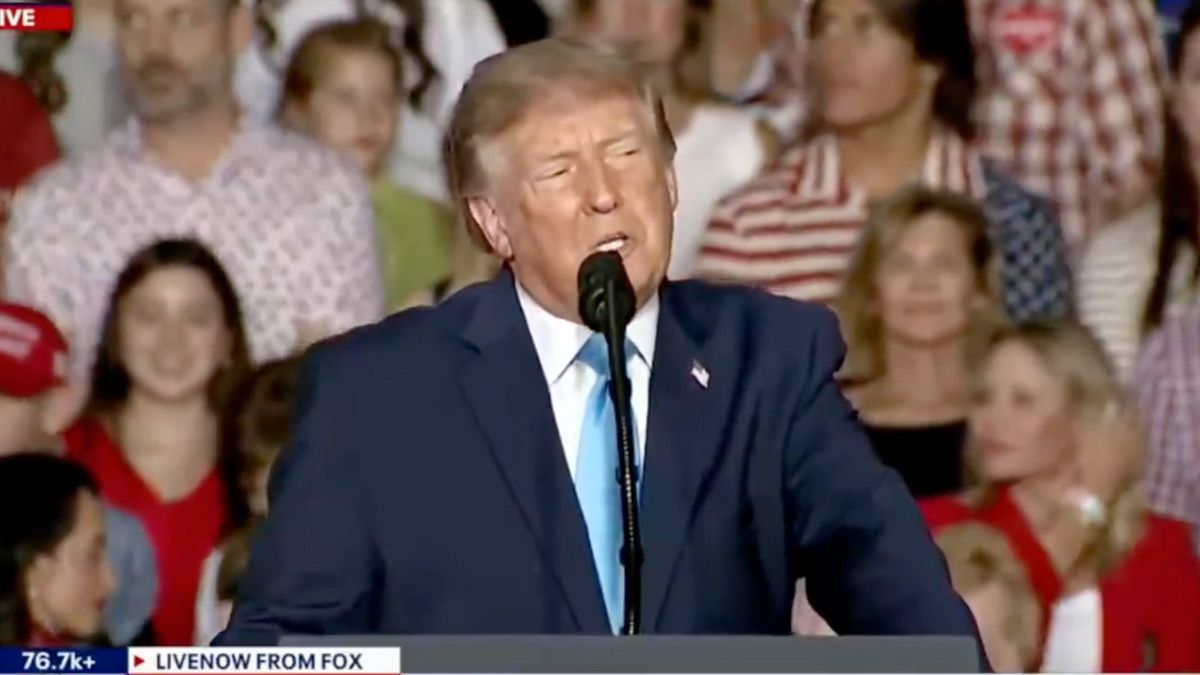
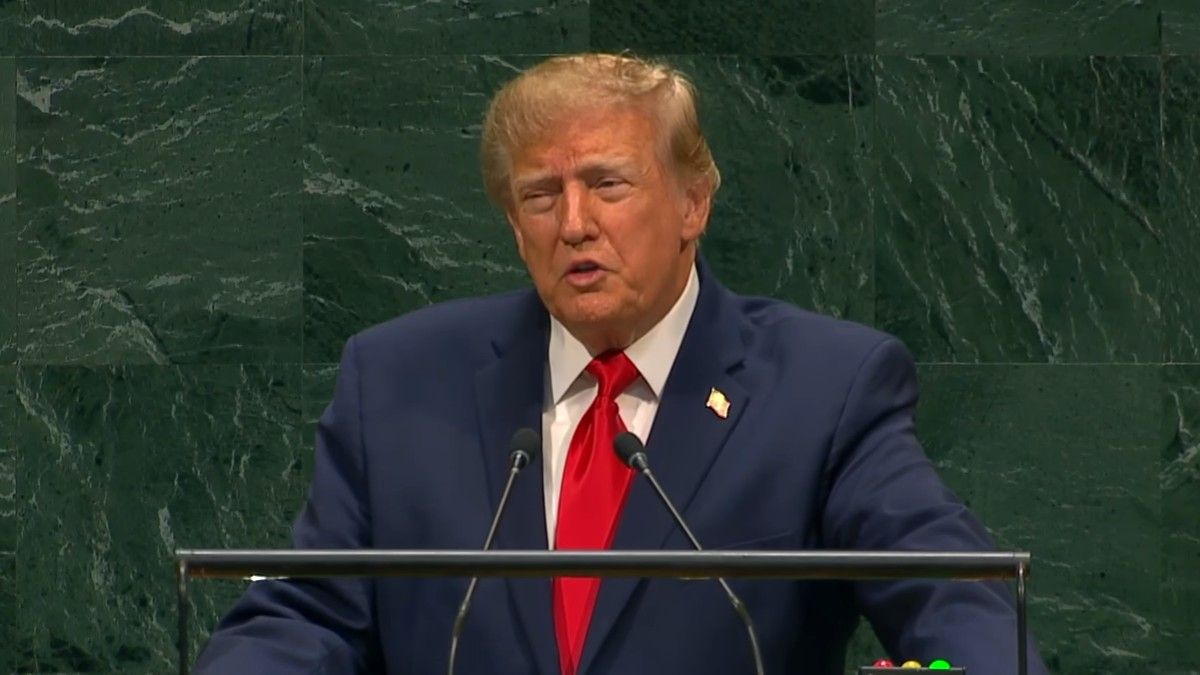
His statement followed a threat a day earlier by President Donald Trump of "Economic Warfare", with a warning of consequences for any country providing what he described as any type of lifeline to Iran.
Reuters reported that oil prices rose to more than a three-week high on Thursday following the threats, which are aimed at forcing an end to a conflict now in its sixth month that has stranded millions of barrels of Middle Eastern oil.
"I'm not sure why oil has popped up on this," Bessent told CNBC. He said that if maximum economic pressure were applied, there would likely not be a large-scale kinetic restart, using a term referring to military force.
Bessent described the approach as a one-two punch, combining the naval blockade imposed on Iran in April and paused for a month in mid-June with the promised sanctions package.
He said the measures would work and that Washington would collapse the Iranian government, adding that it was time for allies and the rest of the world to make a decision.
Asked whether the United States could target China for doing business with Iran, Bessent said many conversations were best held in private.
He noted that China obtains half of its energy from the Gulf, suggesting it would serve Beijing to cooperate.
Kpler data from 2025 indicates China buys more than 80 per cent of Iran's shipped oil. Further economic confrontation with China, a major exporter to the United States including rare-earth minerals, carries retaliation risk for Washington.
Tehran's response
Before Bessent spoke, Iran's foreign ministry condemned United States economic and trade sanctions as "economic terrorism" that would target ordinary Iranians and amount to crimes against humanity.
Iranian Foreign Minister Abbas Araqchi characterised Trump's comments as an attempt to divert American public opinion from domestic financial problems, including record debt and rising interest rates.
Writing on X, Araqchi said America's economic terrorism threatened the global economy and the national sovereignty of countries around the world.
Iran has weathered near-continuous economic sanctions for nearly 50 years, since the Islamic Revolution of 1979.
Hormuz talks and regional positioning
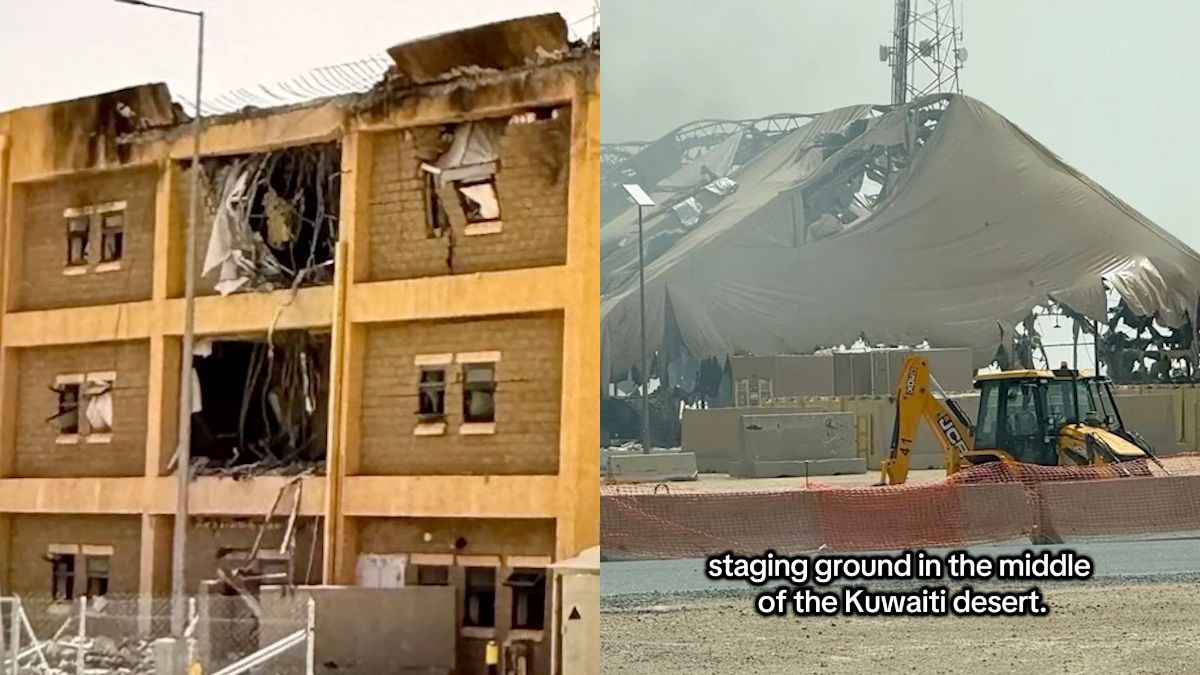
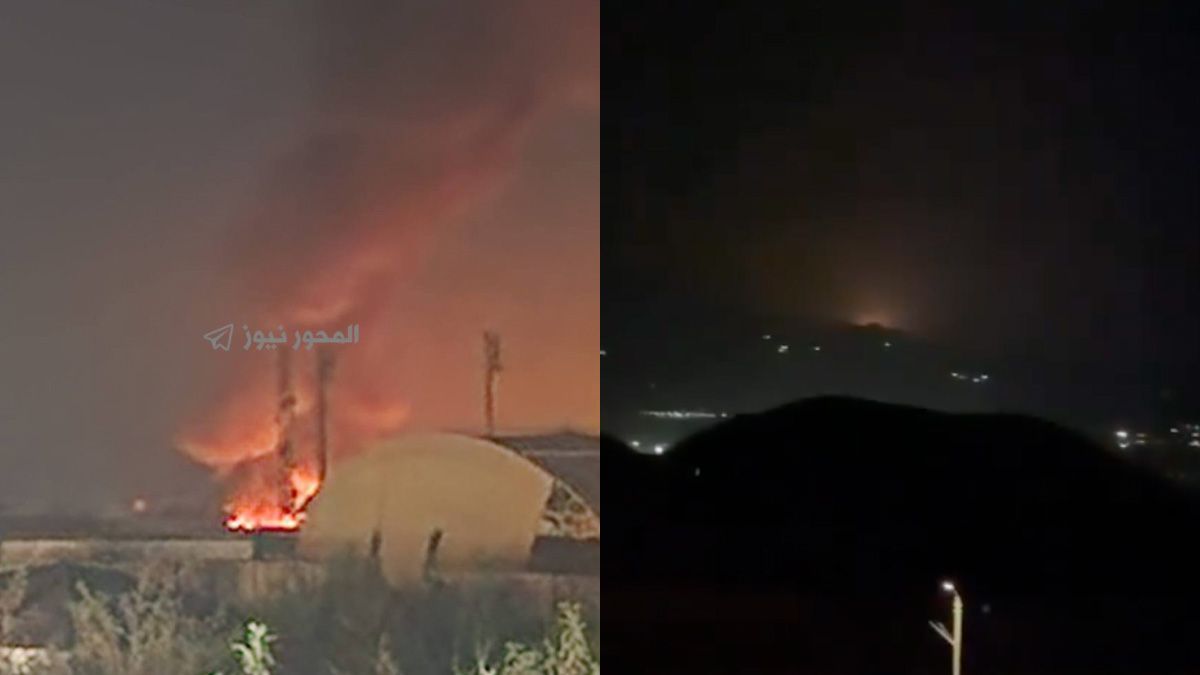
Thousands have been killed in the conflict, which drew in Gulf nations and shocked markets as Iran demonstrated its ability to curb shipping through the Strait of Hormuz, a waterway that carried about a fifth of all traded oil before February.
The United States and Iran twice announced ceasefire deals, in April and June, aiming to restore free shipping through Hormuz. Both quickly collapsed.
Iran has separately been negotiating an agreement on managing the strait with Oman, and has said in recent weeks that a deal was close.
Trump responded on Monday by warning he might bomb the Gulf state, a longstanding United States security partner, if it got in the way.
Omani Foreign Minister Badr Albusaidi, speaking on Thursday after meeting his Japanese counterpart, said lasting security in the strait required a permanent peace in the region, and rejected further escalation.
Trump has yet to achieve the objectives set out at the start of the war: dismantling Iran's nuclear programme, curbing its ability to attack regional rivals, and creating conditions for Iranians to overthrow their clerical rulers.
Bessent said he would provide further details at a press conference on Monday.