Andy Burnham confirmed as UK Labour leader, set to become prime minister on Monday
Andy Burnham has been confirmed as leader of Britain's governing Labour Party, replacing Keir Starmer. He will become prime minister on Monday, 20 July 2026, after pledging to end factional infighting and shift power from Westminster to communities across the United Kingdom.
- Andy Burnham confirmed as Labour leader; becomes prime minister on Monday, 20 July 2026.
- He pledged to end party infighting and shift power from Westminster to communities.
- Cabinet decisions, including a contested chancellor pick, are delayed until Monday.

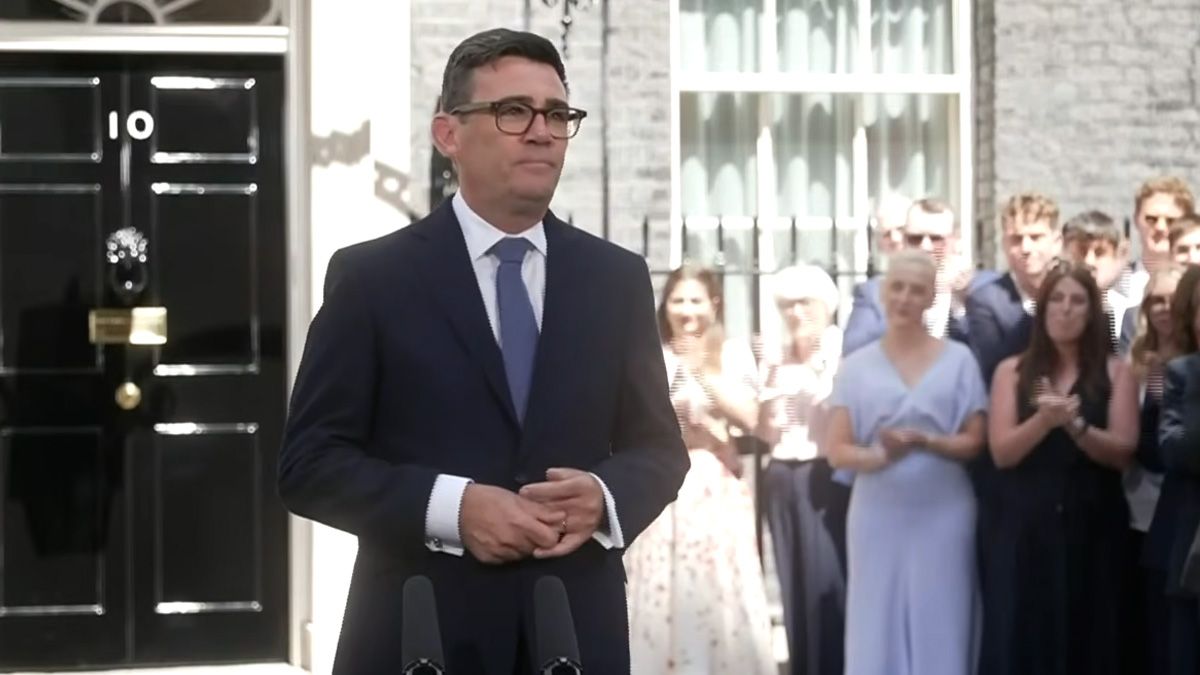
Andy Burnham was confirmed as leader of Britain's governing Labour Party on Friday, 17 July 2026, clearing the final hurdle to become prime minister next week.
He was the sole candidate to replace Keir Starmer, who was forced out by a rebellion within the party. Burnham will take office on Monday, 20 July 2026.
The former mayor of Greater Manchester secured nominations from 379 of the 403 Labour lawmakers in the House of Commons, making Friday's announcement a formality.
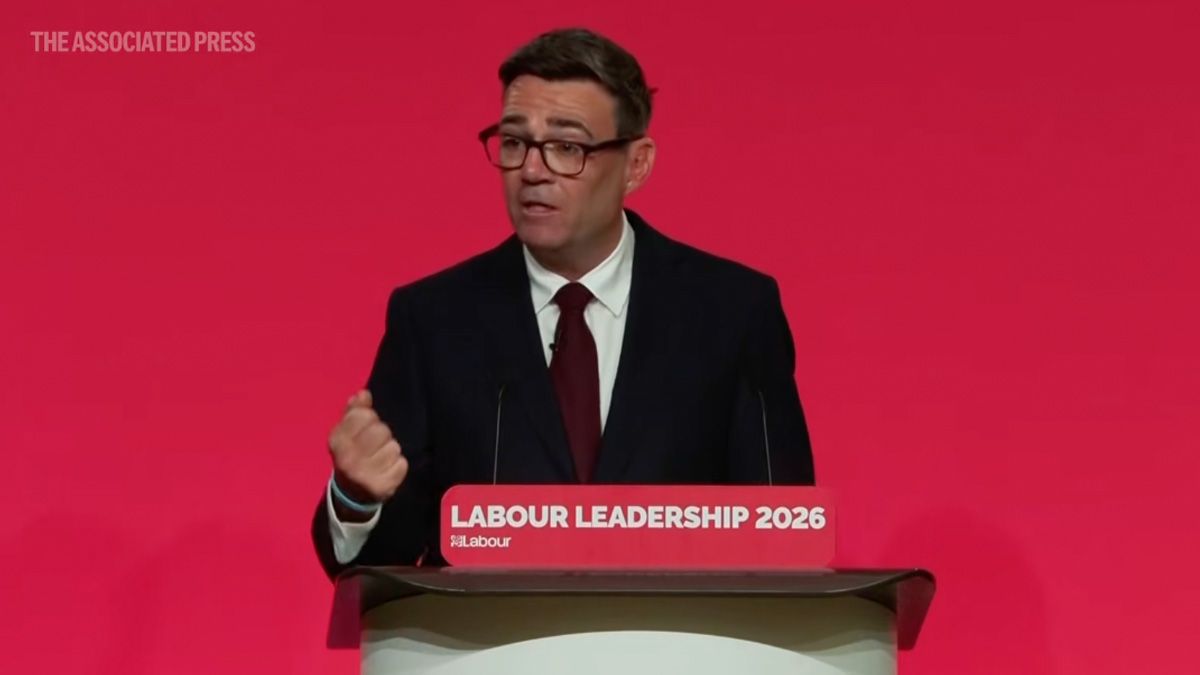
At a special party conference at the Trades Union Congress (TUC) headquarters in London, Burnham was declared leader by Home Secretary Shabana Mahmood, who chairs the party's ruling executive.
In his first speech as leader, Burnham pledged to restore hope to communities he said had been failed, telling activists, lawmakers and trade union leaders that he had a plan.
Pledge to end factionalism
Burnham said his priority was to build "one Labour team", warning that the party could not defeat "Britain's new right" if it remained consumed by infighting.
He said factionalism had bedevilled the party but had now been moved beyond, promising a "distinctively Labour" government that would not copy the Conservatives, Greens or Reform UK.
He set out five pledges: to end infighting, build a new politics, work with other parties, lead for all parts of the country, and shift power from Westminster.
Burnham described the change of leadership as the most significant shift in British politics for 40 years, arguing that power had drained from communities since the 1980s.
He said Britain took a series of wrong turns under Conservative prime minister Margaret Thatcher, whose government pursued privatisation, deindustrialisation and political centralisation.
Focus on social care and public ownership
Burnham outlined a leftward agenda, including more public ownership of utilities, new council housing, and funding to fix social care, while insisting he would remain pro-business.
Speaking to reporters in Gravesend, Kent, later on Friday, he described the social care system as broken and said Westminster had flinched over the years from fixing it.
He said reform would require something difficult but promised not to delay, adding that he would spend political capital on a plan to fix social care.
Cabinet decisions delayed to Monday
Burnham declined to confirm his cabinet, saying he was still finalising appointments that would be announced on Monday after Starmer formally resigns.
He defended the delay, saying it would be chaos to name appointments before entering Number 10 Downing Street and that he had not fully decided.
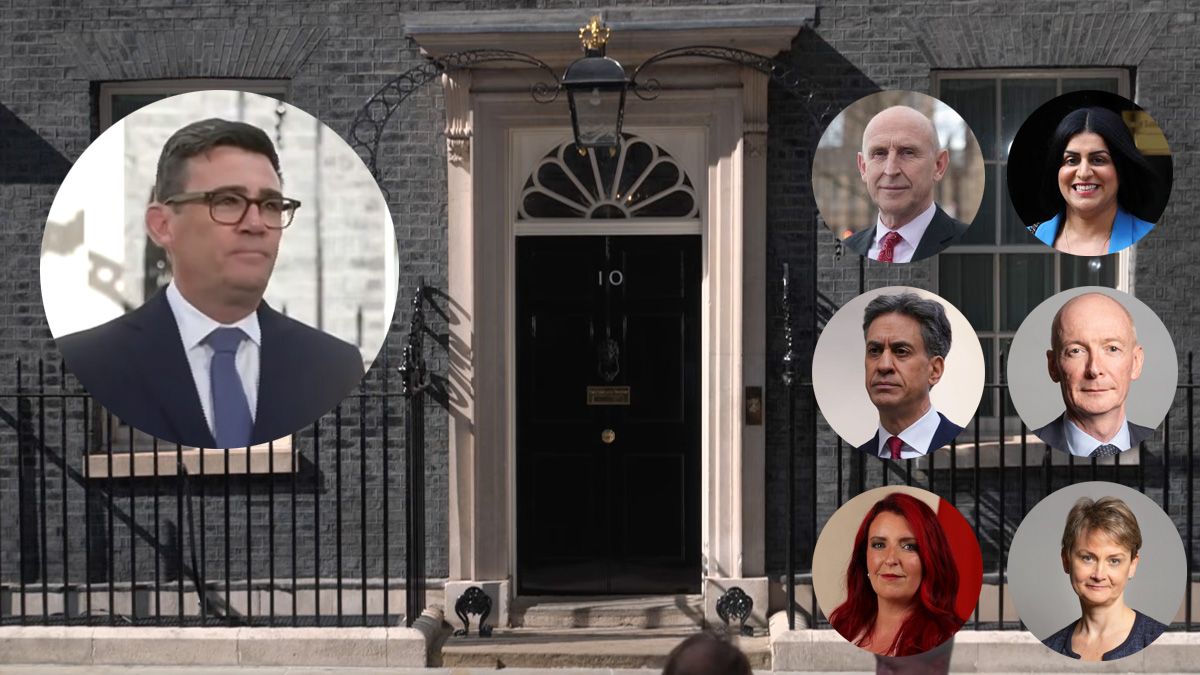
Mahmood is the reported frontrunner for chancellor, ahead of Ed Miliband, the choice favoured by the party's left. Several Labour lawmakers are said to be unhappy with the prospect.
Other names linked to senior roles include Jonathan Reynolds for an expanded business brief, Wes Streeting for defence, and Angela Rayner for health.
Mixed reaction across parties and unions
Reform UK leader Nigel Farage criticised Burnham as "vacuous" and described him as "the great chameleon of British politics".
Conservative party chair Kevin Hollinrake called on Burnham to appear before Parliament to explain his plan, noting that he was elected while Parliament was not sitting.
The trade unions Unison and Usdaw welcomed the confirmation but said they expected his promises to be translated into action.
The Confederation of British Industry (CBI) praised his emphasis on economic growth but cautioned that the challenge would be execution.
Transition to Number 10
Starmer announced his resignation last month after two years in office, following poor local election results in May and persistently low poll ratings.
Labour has regularly trailed the anti-immigration party Reform UK in opinion polls since winning a landslide election victory two years ago.
Under Britain's parliamentary system, a governing party can change leader without a general election. The next national vote is not due until 2029.
Burnham, the member of Parliament for Makerfield, will be the United Kingdom's seventh leader since 2016. He won a by-election a month ago to enter Parliament.
On Monday, Starmer will tender his resignation to King Charles III, who will then invite Burnham to form a government.