Andy Burnham becomes UK prime minister, vows to end rough sleeping
Andy Burnham was appointed the UK's seventh prime minister in a decade on Monday, pledging economic reform and a first policy to end rough sleeping, as the Conservatives questioned his delivery plans.
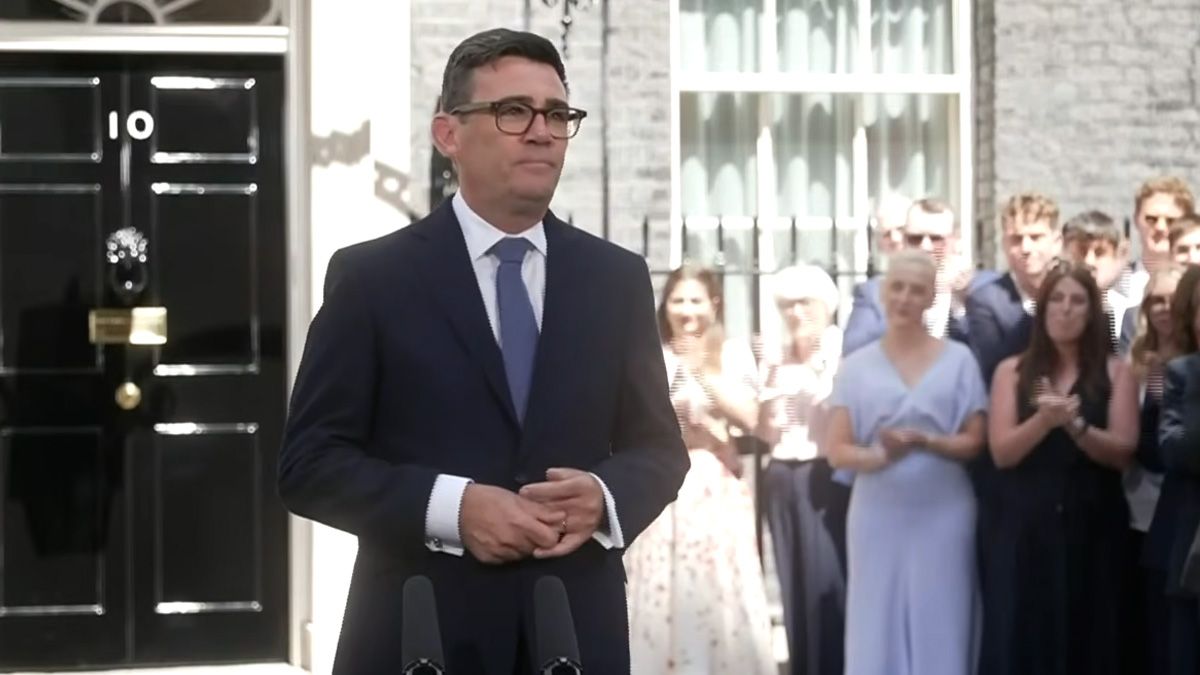
- Andy Burnham appointed UK prime minister, replacing Keir Starmer after his resignation
- Burnham pledges to end rough sleeping as his first instruction in office
- Conservatives criticise lack of funding detail behind Burnham's early pledges

Andy Burnham was appointed prime minister of the United Kingdom on Monday, becoming the seventh person to hold the office in a decade. He replaces Keir Starmer, who resigned earlier the same day.
King Charles III formally invited Burnham to form a government during an audience at Buckingham Palace. Burnham confirmed he had accepted the King's invitation before travelling to Downing Street.
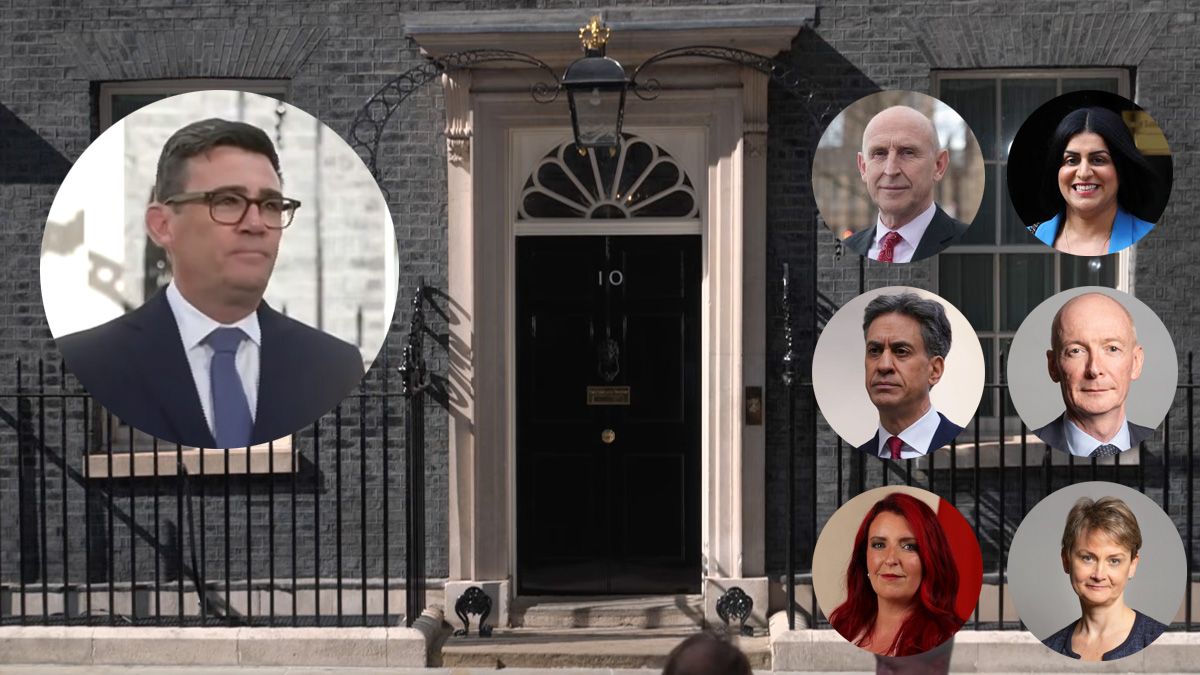
Speaking outside Number 10 without a lectern, Burnham said he was "acutely conscious" of being the seventh prime minister since 2016, describing the moment as one for reflection and renewed resolve. He said politicians had "not been good enough" and pledged to do better.
Burnham described his premiership as a potential circuit breaker for Britain, promising what he called the biggest changes in four decades to the country's political and economic model. He said power would move out of Downing Street and into "every postcode in the land".
On the economy, Burnham said his government would bring essential services back under greater public control to keep them affordable, and would use public procurement to support British industry as part of a reindustrialisation drive. He said a ten-year plan for the country would follow later this year.
Burnham also announced that his first instruction as prime minister would be to end rough sleeping. He said further measures to ease the cost of living would be set out from Tuesday, alongside details of how they would be funded.
He linked plans to reduce the welfare bill to support for young people through changes to education and mental health services, additional council housing, and continued commitments on defence spending. He described this as building a more preventative state that invests in success rather than paying for failure.
Starmer had announced his resignation last month following a period marked by policy reversals, controversy over staffing appointments, and a heavy defeat for Labour in local elections that prompted calls for him to step down from within his own party.
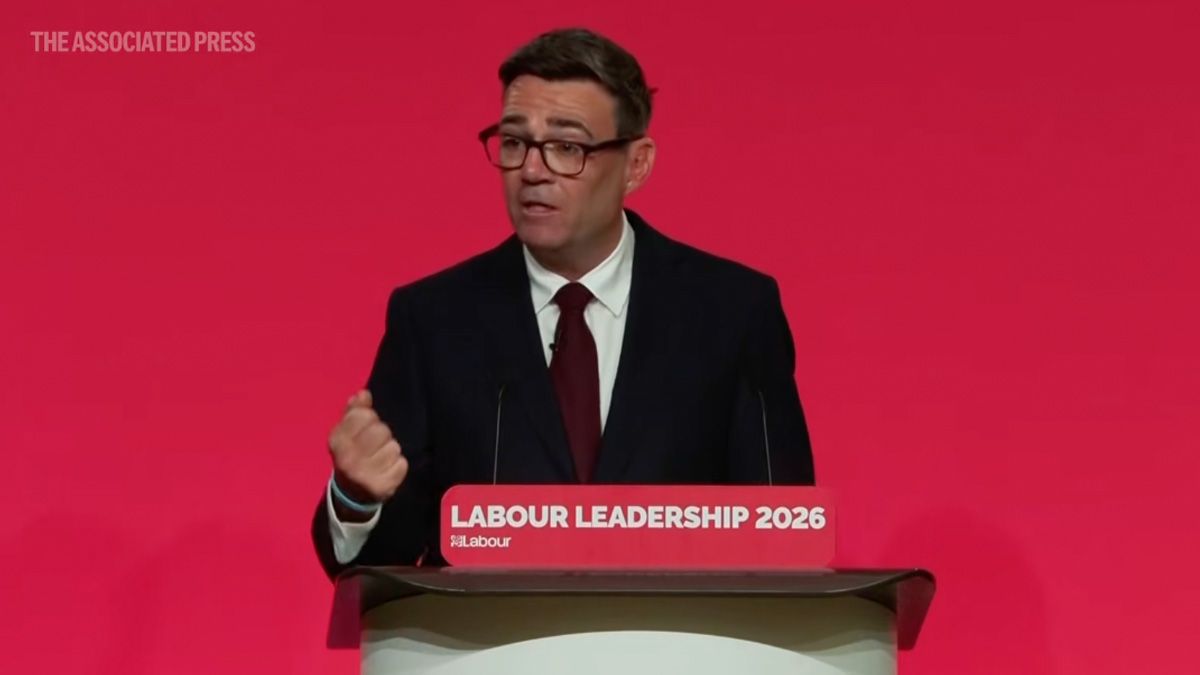
Burnham faced no opponents in the contest to lead the Labour Party. He had returned to Parliament only weeks earlier after winning a by-election in Makerfield, a constituency in northern England, having previously served for close to a decade as Mayor of Greater Manchester. He earlier held cabinet posts under prime ministers Tony Blair and Gordon Brown.
Considered more left-leaning than Starmer, Burnham's prospective rise had unsettled bond markets earlier this year, with investors broadly supportive of Starmer and former finance minister Rachel Reeves and their approach to public borrowing and spending.
Separately, Burnham's plan to fast-track oil and gas exploration in already-licensed North Sea fields drew a welcome from US President Donald Trump, who described North Sea oil as valuable to the UK economy.
Independent estimates compiled by the UK Parliament suggest new drilling and favourable conditions could raise domestic production to a total of 7.5 billion barrels of oil equivalent. The move comes as Britain balances pressure to lower high energy costs against its net-zero commitments, with GDP growth projected at 0.8 per cent in 2026, following growth of 1.3 per cent in 2025 and 1 per cent in 2024.
The Conservative Party criticised Burnham's rough sleeping pledge as lacking a delivery plan. Shadow Housing Secretary James Cleverly said Burnham needed to clarify which Ministry of Housing, Communities and Local Government programmes would be reduced to fund the commitment, and pointed to unresolved rough sleeping levels during Burnham's time as Mayor of Greater Manchester.