Burnham reshuffles cabinet, brings back Healey as chancellor in Starmer clear-out
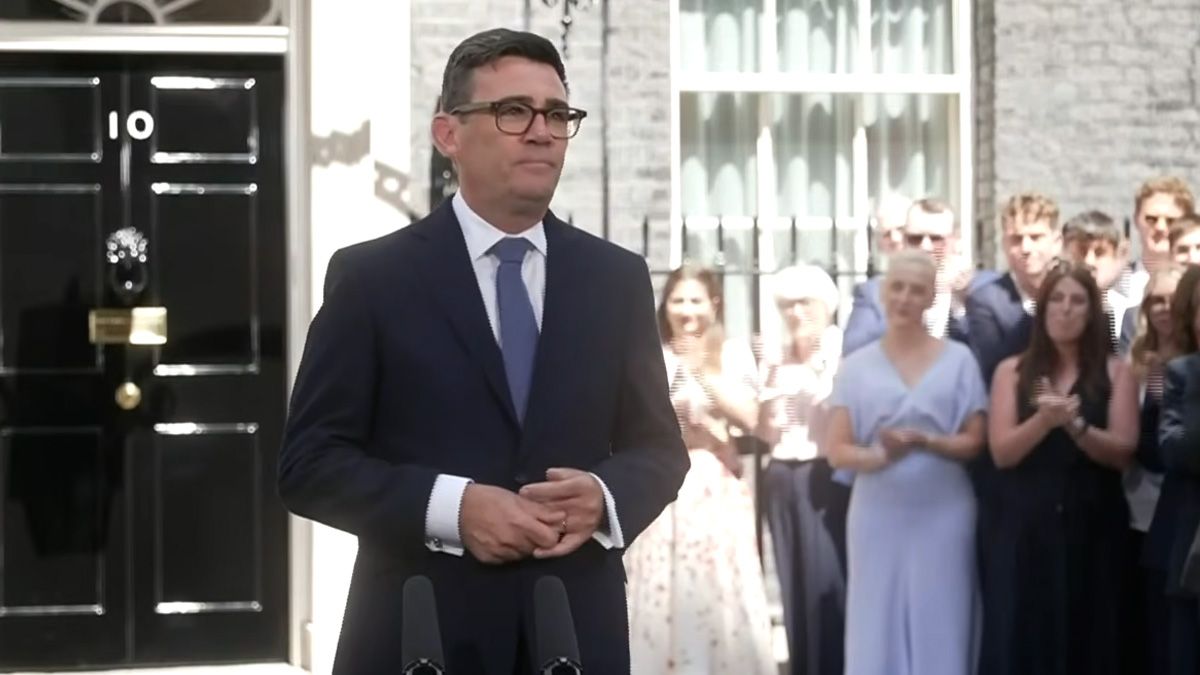
Prime Minister Andy Burnham has appointed his first cabinet, naming John Healey as chancellor while removing several ministers loyal to predecessor Keir Starmer, including Rachel Reeves.
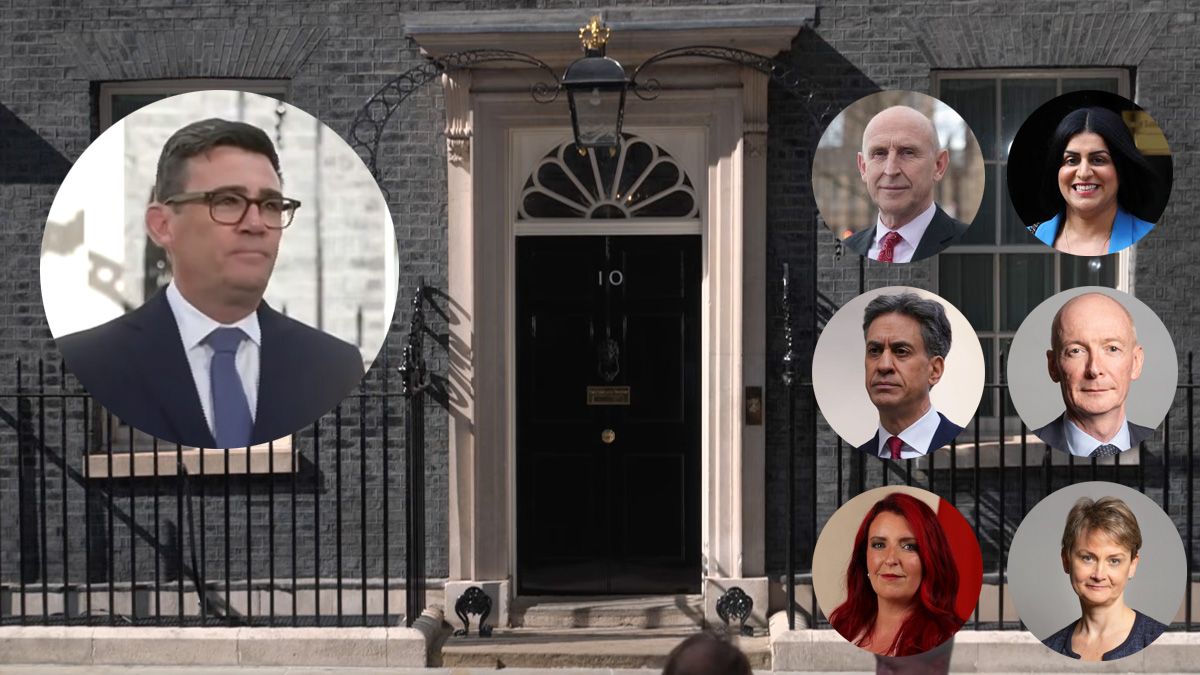
- John Healey named chancellor in surprise move, replacing Rachel Reeves
- Mahmood stays home secretary; Miliband becomes foreign secretary; Cooper takes health
- Reeves, Lammy, Hermer among senior Starmer-era ministers removed from cabinet

Prime Minister Andy Burnham announced his first cabinet on Monday, appointing John Healey as chancellor of the exchequer while removing several ministers considered close to his predecessor, Keir Starmer.
Healey, the former defence secretary, takes over the Treasury from Rachel Reeves in what was widely described as a surprise appointment. Speculation ahead of the announcement had focused on Home Secretary Shabana Mahmood or Energy Secretary Ed Miliband for the role.
Healey resigned as defence secretary last month following a dispute over funding for the defence investment plan, arguing the settlement offered was insufficient to prepare the armed forces for future threats. He has represented the constituency of Rawmarsh and Conisbrough, formerly Wentworth and Dearne, since 1997.
Mahmood will remain home secretary, continuing to oversee immigration policy reforms she began under Starmer. She previously served as justice secretary and ran Labour's 2024 general election campaign.
Miliband, formerly energy secretary, was appointed foreign secretary, replacing Cooper. He said in a statement he would fight for Britain's interests and uphold commitments to Nato and the United Nations while addressing what he called profound threats to justice and equality.
Cooper, previously foreign secretary, moves to health and social care, a post Burnham has linked to his ambitions on adult social care reform. She said it was an honour to return to health policy nearly three decades after working on the first NHS cancer plan as a junior minister.
Pat McFadden remains work and pensions secretary, a role in which he is expected to continue efforts to reform social security spending without the scale of welfare cuts that triggered backbench rebellion under Starmer.
Louise Haigh, who ran Burnham's leadership campaign, was appointed chancellor of the duchy of Lancaster and first secretary of state, making her the most senior Cabinet Office minister and effectively Burnham's deputy. She previously served as transport secretary before being dismissed by Starmer in 2024 over her failure to fully disclose a past fraud conviction.
Among those removed from cabinet was Reeves, the outgoing chancellor, who said in a departing statement that the economy was stronger, fairer and more resilient because of decisions taken by the Labour government since 2024. She is understood to have declined an offer of an alternative senior role.
David Lammy, formerly deputy prime minister, justice secretary and foreign secretary, also left government. In a statement, he said he would have been proud to continue serving but recognised a new prime minister was entitled to build his own team.
Other departures included Darren Jones, chief secretary to the prime minister; Steve Reed, housing secretary; Peter Kyle, business secretary; Richard Hermer, attorney general; Liz Kendall, science and technology secretary; Jo Stevens, Welsh secretary; and Hilary Benn, Northern Ireland secretary.
Foreign Office minister Jenny Chapman and paymaster general Nick Thomas-Symonds also left government. Chapman said cutting the international aid budget had required "much soul searching" but that Britain remained a force for good internationally.
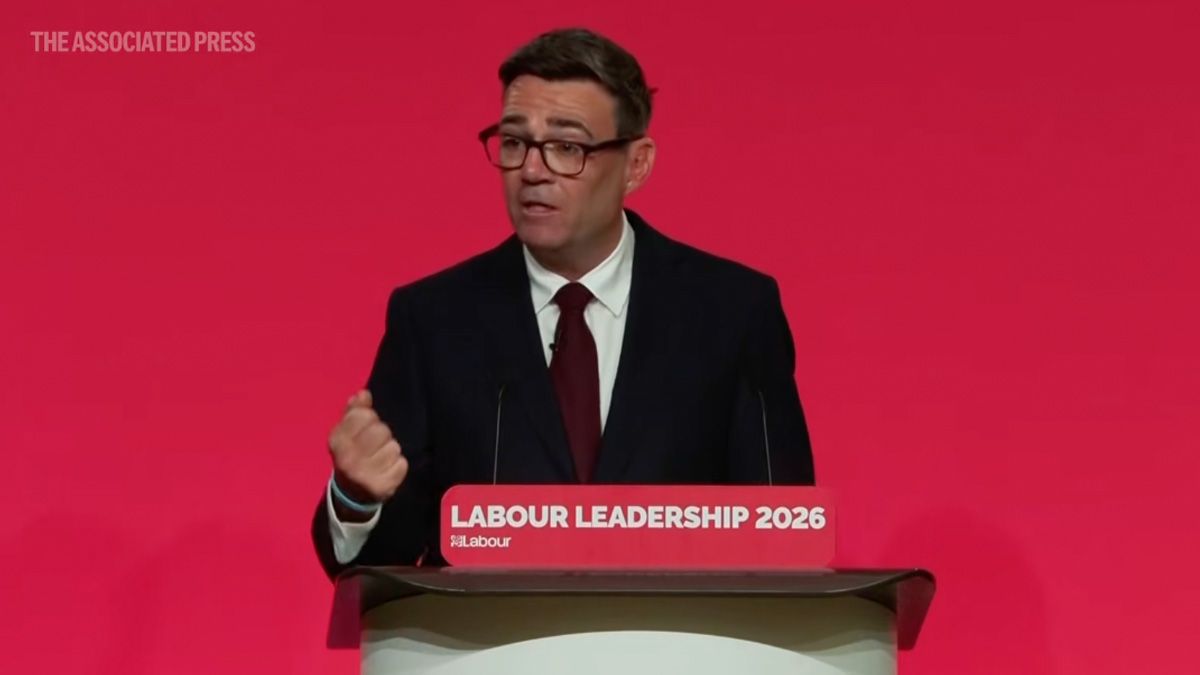
Burnham had pledged before taking office to draw his top team from across the party's factions to present a more inclusive administration. Analysts noted, however, that the reshuffle also removed a significant number of ministers regarded as being on the right of the party or closely aligned with Starmer.
Business groups offered a cautious response to the changes at the Treasury. Louise Hellem, chief economist at the Confederation of British Industry, said maintaining investor confidence and existing fiscal rules would be critical, while urging the new government to address high energy costs and rising employment costs.
The reshuffle followed Starmer's resignation earlier on Monday, after which Burnham was appointed prime minister by King Charles III at Buckingham Palace. Burnham had run unopposed for the Labour leadership after returning to Parliament through a recent by-election victory in Makerfield.