US strikes hit Iranian airport, railway station and bridges as Hormuz war escalates
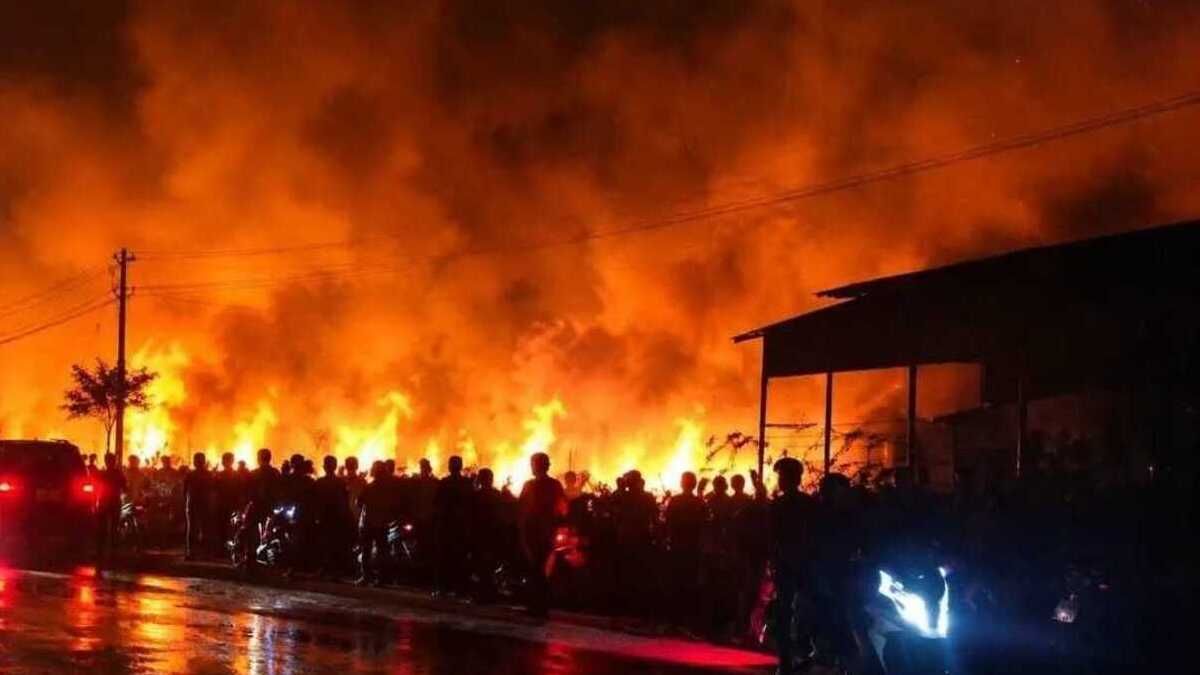
Overnight US strikes hit an airport, a railway station and two bridges in southern Iran, with Iranian state media reporting between three and seven people killed, as a collapsed truce gives way to a sixth night of consecutive attacks over the Strait of Hormuz.
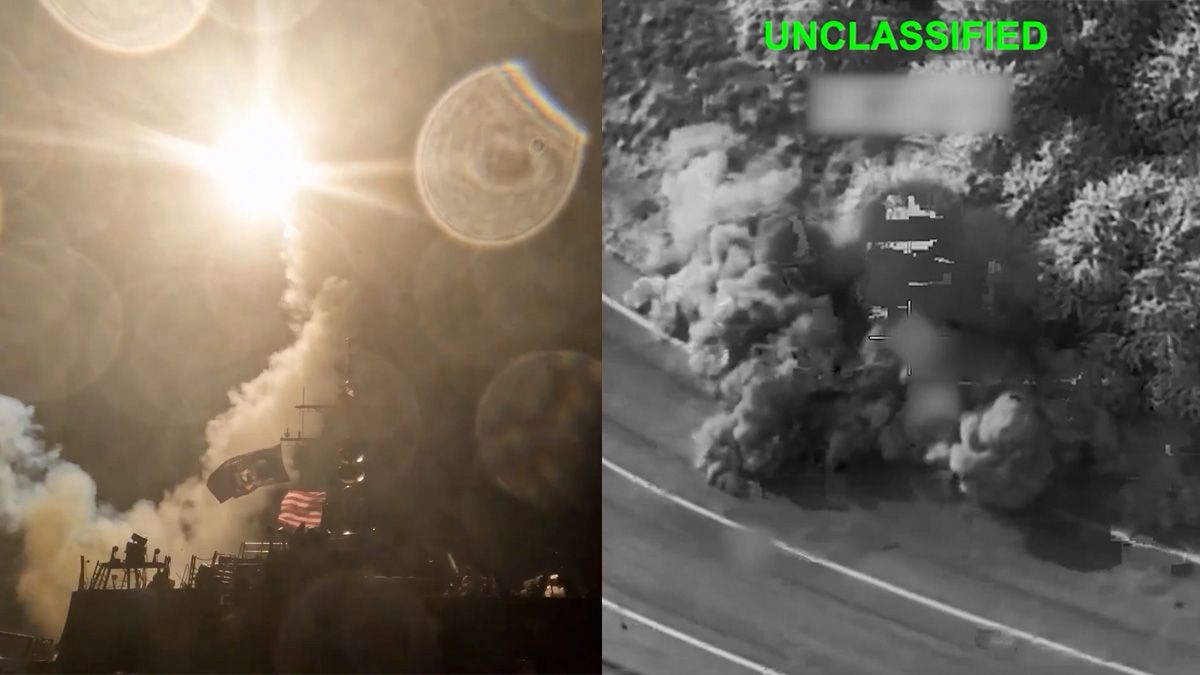
- US strikes hit Iranshahr airport, Bandar Abbas railway station and two southern bridges.
- Iranian state media reported between three and seven people killed overnight.
- Iran retaliated against US bases in Jordan, Kuwait and Bahrain amid Hormuz standoff.

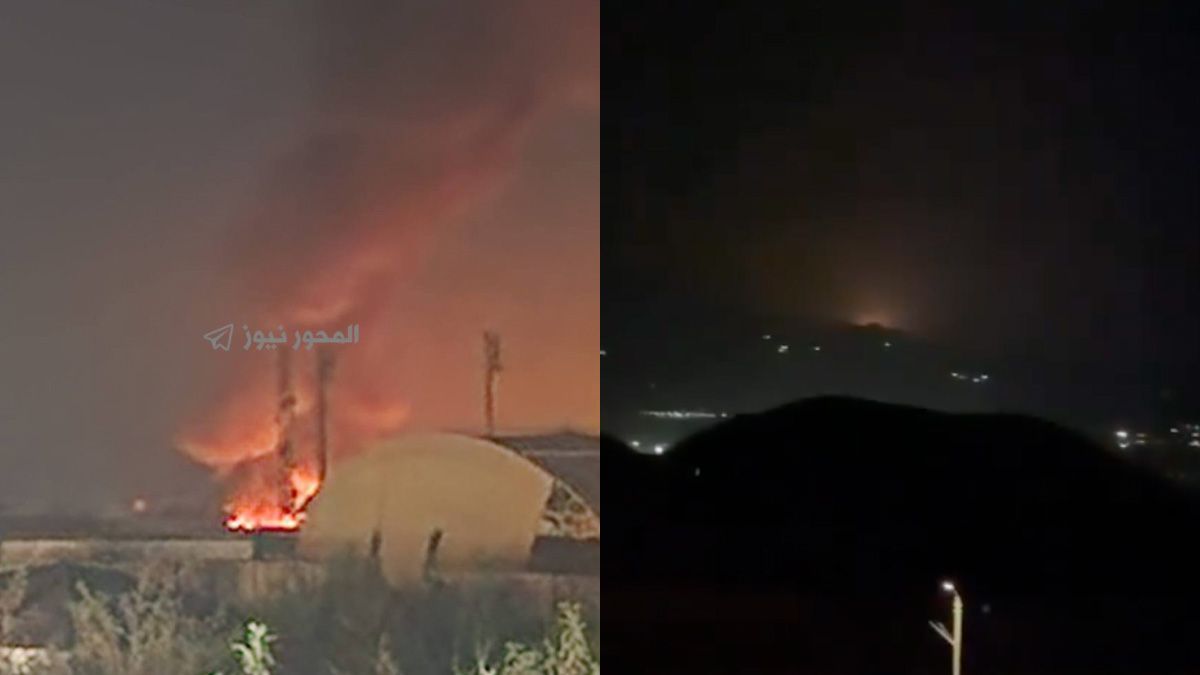
Deadly US strikes overnight hit an airport, a railway station and two bridges in southern Iran near the Strait of Hormuz, Iranian state media reported on Friday, 17 July 2026.
State television IRIB said on Telegram that three explosions were heard around Iranshahr airport in the southeast, and that at least one American projectile struck the site.
The Mehr news agency reported that the Bandar Abbas Railway Junction Station had been targeted, with two Iranians injured in the attack.
Bandar Abbas is home to Iran's largest port and to key navy and Revolutionary Guards facilities, both situated on the Strait of Hormuz.
Casualty figures for the bridge strikes varied across state outlets. An early official report cited IRNA as saying two people had died and four were injured in attacks on two bridges in Hormozgan Province.
Later reports raised the toll. The semi-official Tasnim News Agency said two bridges in Khamir County, the Geryveh Bridge and the Kahurestan Bridge, which link Bandar Abbas to Shiraz, had been struck, with at least seven people killed and nine injured.
The strikes formed part of a widening campaign. US Central Command said its forces completed their latest major wave of strikes at 9.40pm US Eastern time on Thursday, describing it as the sixth consecutive night of attacks.
CENTCOM said fighter jets, aerial drones and warships had launched precision munitions against dozens of Iranian military targets, including coastal surveillance and air defence sites, military logistics infrastructure and maritime capabilities.
It said the strikes were intended to further degrade Iranian military capabilities and to hold Tehran accountable for recent attacks on commercial shipping. More than 50,000 US service members are operating across the Middle East.
For the first time in this round of fighting, some strikes reached areas around the Iranian capital, Tehran, indicating a widening set of targets. Reported strikes spread across southern Iran, from the Persian Gulf coast to the far southeast near the Pakistani border.
Iranian officials say US strikes have killed more than 35 people and wounded over 300 others since the escalation began.
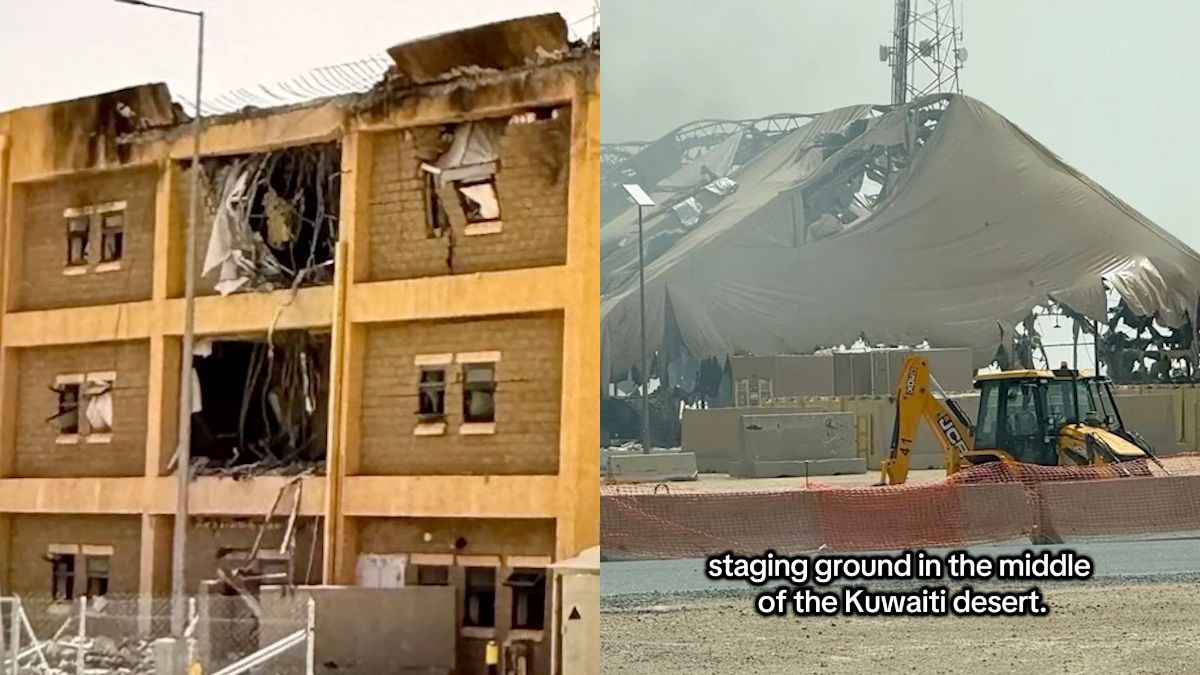
Tehran has retaliated with missiles and drones aimed at US military bases in neighbouring states, including a recently expanded air base in Jordan. Iran said the base had been used in a US attack on an Iranian children's cancer hospital.
Iran's army said it had struck US targets in Kuwait and Bahrain with drones. Kuwait said early on Friday it was responding to missile and drone threats, while sirens sounded in Bahrain and residents were told to take shelter.
Qatar, which has maintained relatively friendlier relations with Iran and served as a mediator, said it had intercepted a missile attack after several blasts were heard in Doha. A government alert told residents to remain in safe places before declaring the threat eliminated.
The confrontation centres on control of the Strait of Hormuz, a vital shipping route Iran has described as an unbreakable red line. Iran has largely halted traffic through the strait, while Washington has blockaded Iranian ports.
The US struck an empty oil tanker bound for Kharg Island, an economic lifeline for Tehran, after reimposing its naval blockade.
Iran has signalled it could prod its Houthi allies in Yemen to close another key waterway, the Bab al-Mandeb at the mouth of the Red Sea, if Washington attacks Iranian infrastructure. Sources told Reuters that Iran last week hit ships moving through a corridor in the strait.
The disruption has rattled energy markets. Oil prices inched higher on Friday as the broken truce limited flows out of the Strait of Hormuz and Tehran asked the Houthi movement to stand ready to shut the Red Sea route.
The head of the International Energy Agency, Dr Fatih Birol, warned on Thursday that the world should be worried about energy security unless the US and Iran move quickly to improve oil flows through the strait.
The current fighting follows the collapse of a memorandum of understanding that paused hostilities last month. Neither side has publicly signalled a willingness to return to negotiations, despite a call from mediator Pakistan to resume talks.
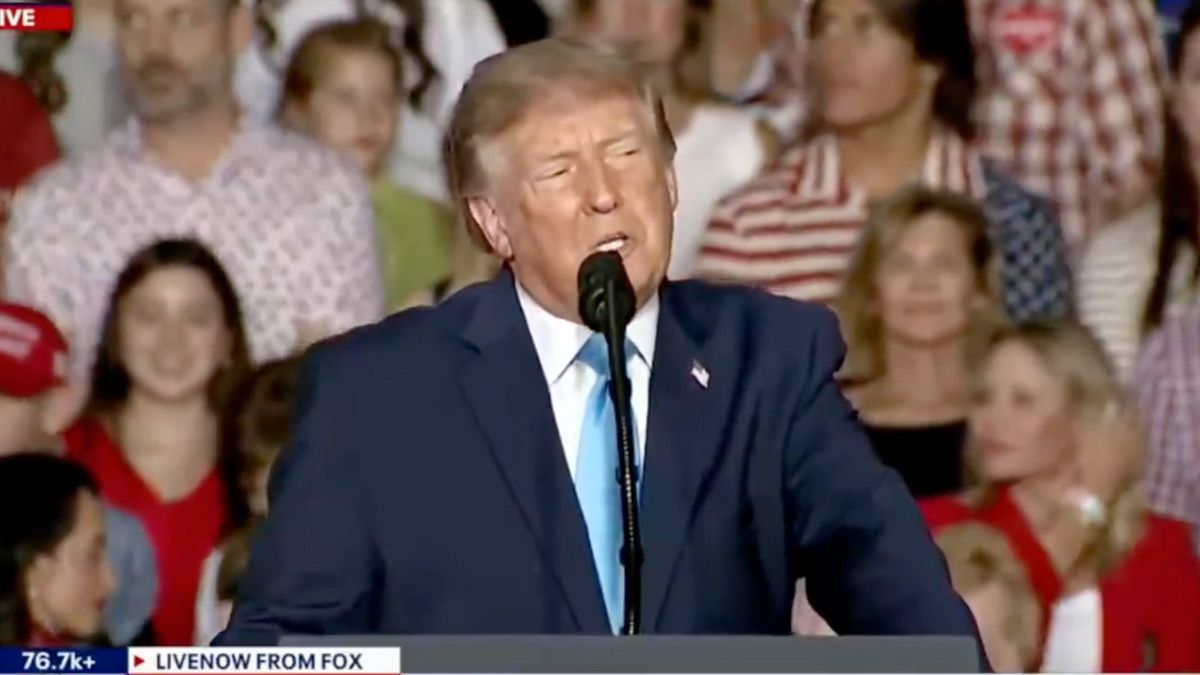
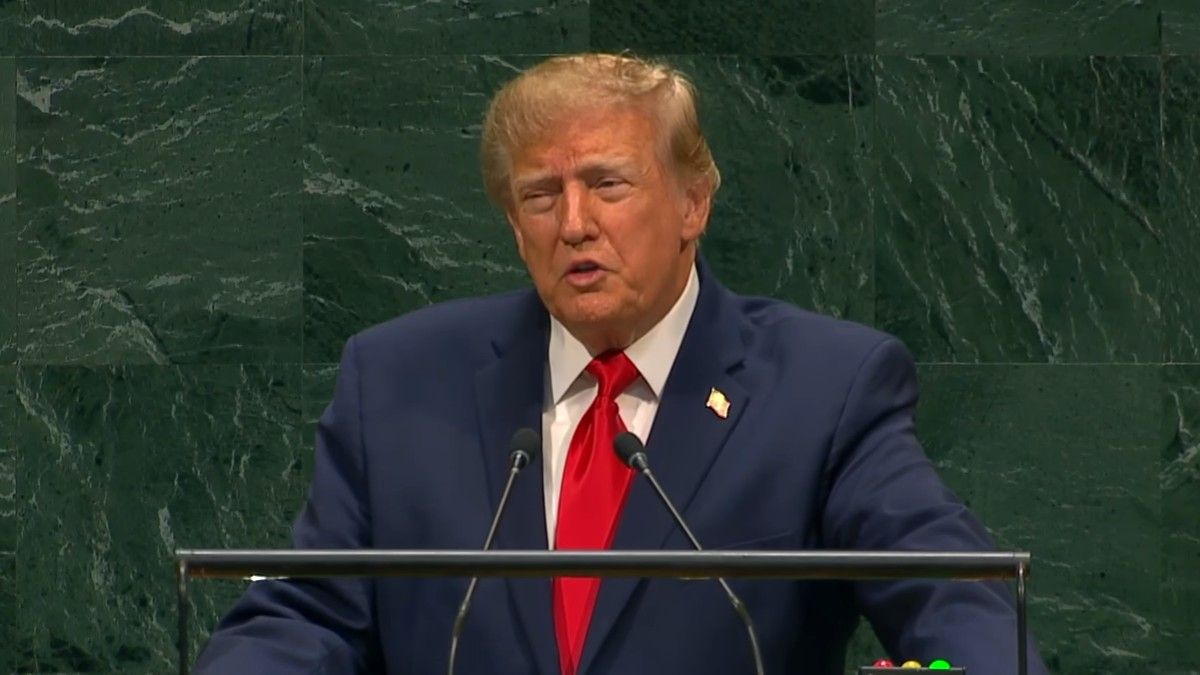
On Thursday, US President Donald Trump used a rare primetime wartime address but barely mentioned the conflict, saying only that the United States was winning big in Iran. A Washington Post-Ipsos poll found that 29 per cent of Americans approve of his handling of the conflict.
A dispute over detainees also surfaced. Trump on Wednesday welcomed what he described as the release of a US citizen, identified by a human rights lawyer as Dena Karari. Iran's judiciary later denied that any American prisoner had been released or exchanged.