US reinstates Iran naval blockade and imposes 20% Strait of Hormuz fee
US President Trump has ordered a renewed US naval blockade of Iranian ports and a 20% fee on cargo transiting the Strait of Hormuz, as US and Iranian forces exchange strikes for a third consecutive night.
- US reinstates naval blockade and adds 20% fee on Strait of Hormuz cargo.
- US and Iran exchange strikes for a third consecutive night.
- Brent crude jumps to over US$83 a barrel amid escalation.

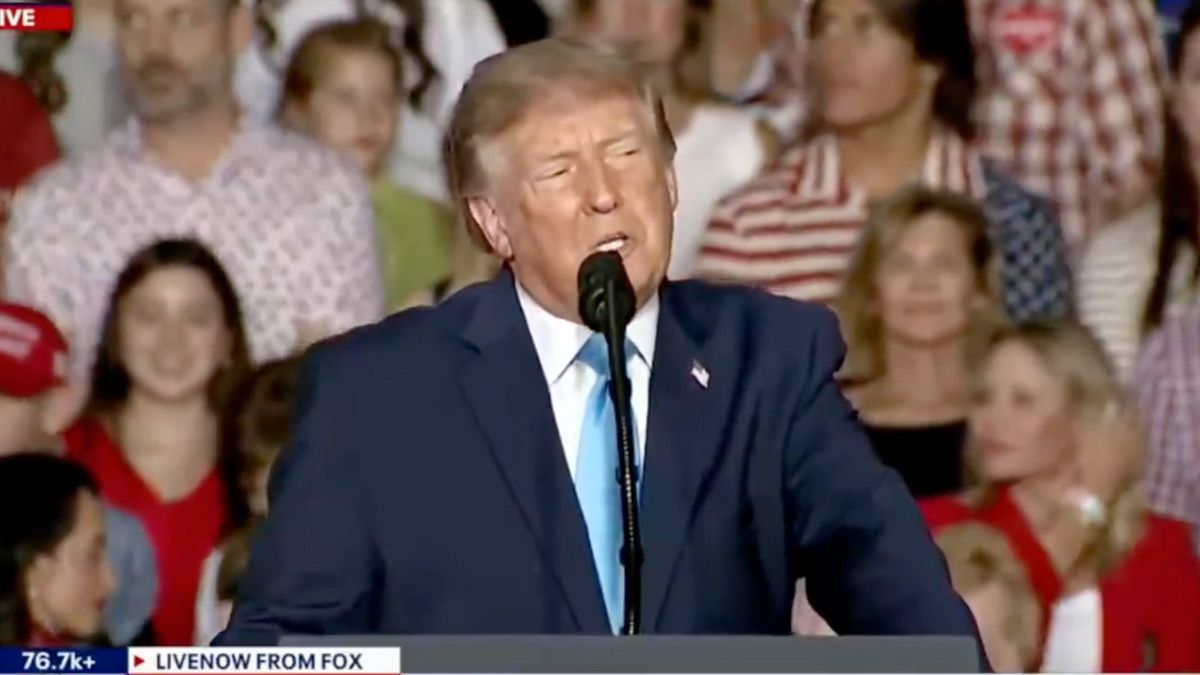
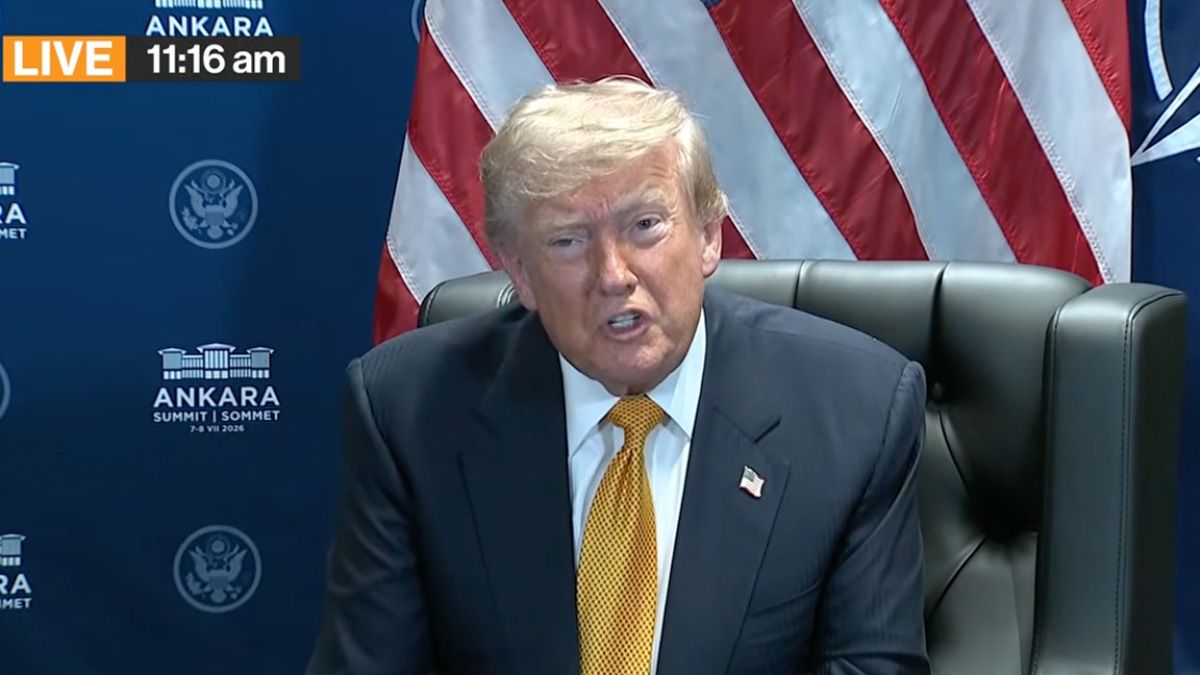
The United States has reinstated a naval blockade of Iranian ports and will impose a 20% charge on all cargo shipped through the Strait of Hormuz, President Donald Trump announced, as hostilities between Washington and Tehran entered a third consecutive night of strikes.
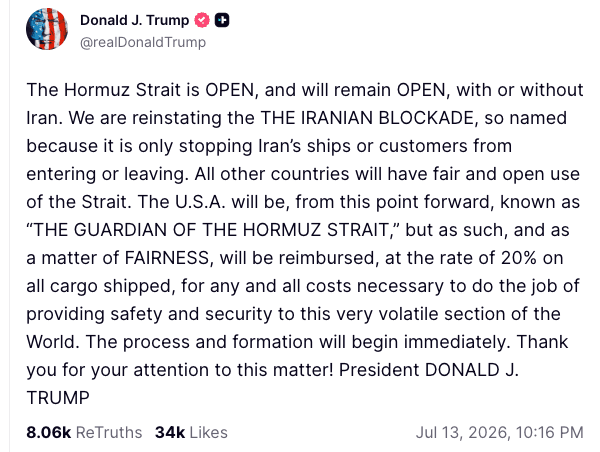
The blockade took effect from 16:00 Eastern Time (20:00 GMT) on Tuesday, 14 July 2026. President Trump said it would stop "Iran's ships or customers" from using the waterway, while "all other countries will have fair and open use of the Strait."
US strikes continue
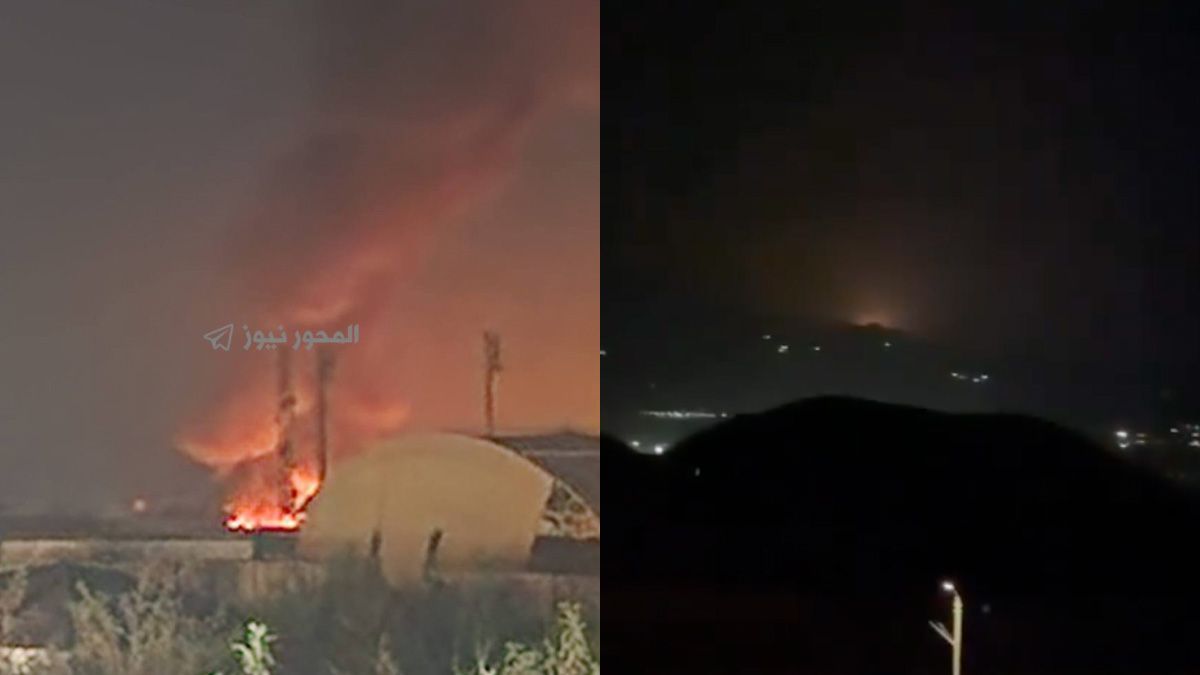
US Central Command said its forces began launching strikes against Iran at 16:45 Eastern Time on Monday, 13 July, "at the Commander in Chief's direction." It described the operation as the third consecutive night of such action.
"These strikes will continue imposing a heavy cost on Iranian forces and degrade their ability to attack innocent civilians and commercial shipping in the Strait of Hormuz," Central Command said in a statement.
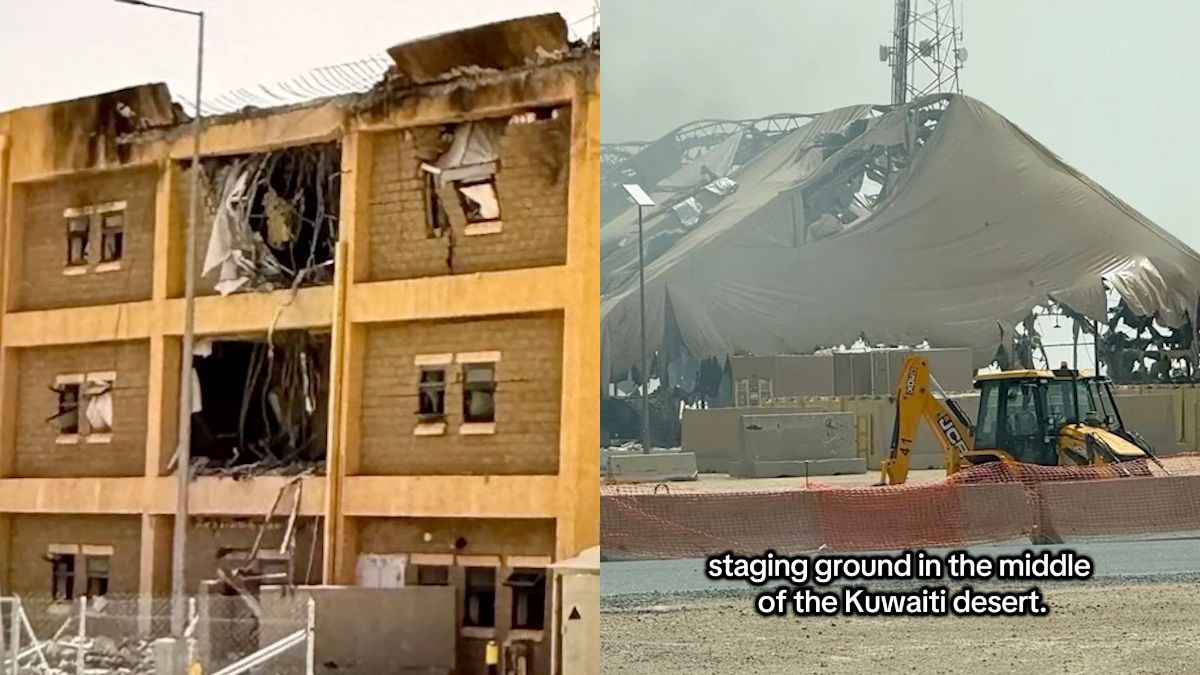
Iran's army said it had targeted US military assets in Kuwait, according to Iranian state media. Earlier strikes, launched on 12 July, reportedly hit 140 Iranian targets, including missile and drone sites, naval facilities, ammunition depots and surveillance locations, after Iran struck and disabled a Cypriot-flagged container ship, the GFS Galaxy, in the strait.
President Trump told Hugh Hewitt the US would strike Iran hard on Monday and Tuesday, saying forces would "take out" Pickaxe Mountain, a site analysts believe may be linked to Iran's nuclear programme.
Fee and blockade dispute
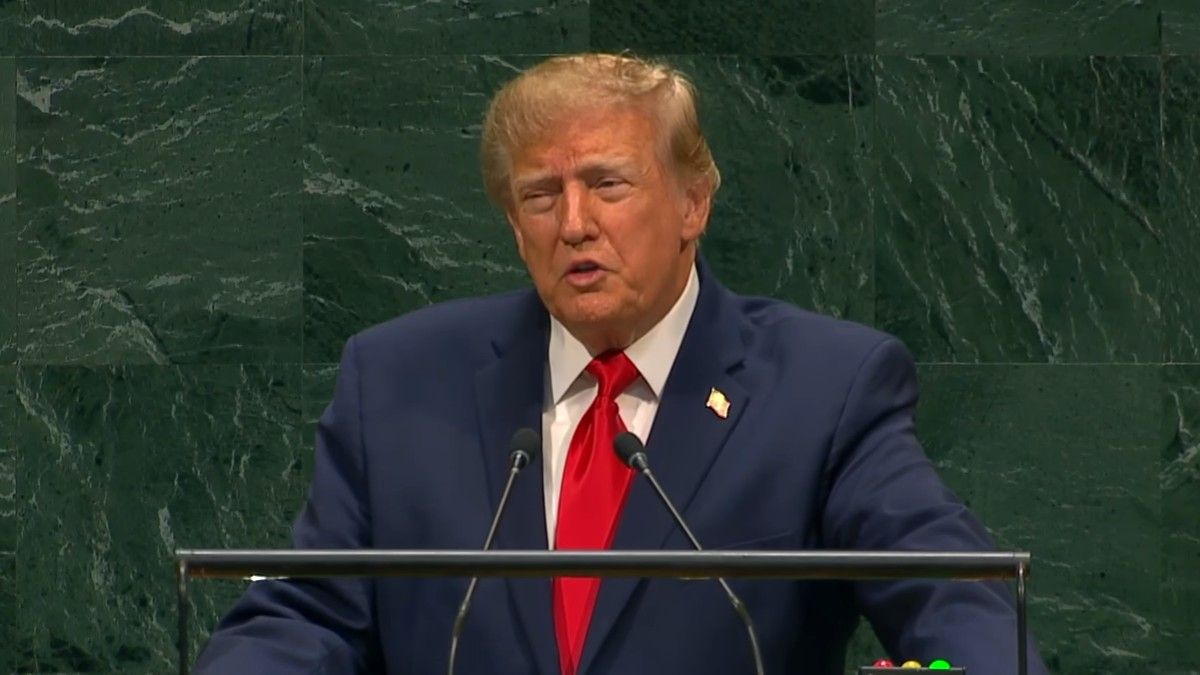
In a post on Truth Social, President Trump said the US would be known as "the Guardian of the Hormuz Strait" and would be "reimbursed, at the rate of 20% on all cargo shipped, for any and all costs necessary to do the job of providing safety and security to this very volatile section of the World."
Iranian Foreign Minister Abbas Araghchi responded on social media, writing that Tehran had "always been the guardian of the Strait and will remain so forever," adding that "20% is of course too much. We will be fair."
Iran's military headquarters, Khatam al-Anbiya, said it would not allow the US to "interfere in the management" of the strait, warning that any cooperation with Washington would be treated as an act of war against Iranian sovereignty.
The International Maritime Organization, the UN shipping agency, said it opposed the proposed toll. "There is no legal basis through which to introduce mandatory tolls simply to transit through a strait," a spokesperson said, adding that passage should remain free of charges under international law.
UN Secretary-General António Guterres expressed "deep concern at the serious escalation of renewed military confrontation in the Gulf region," citing Iranian attacks on shipping, US strikes on Iran, and Iranian attacks on neighbouring countries.
Shipping disrupted, oil prices rise
Traffic through the strait, which normally carries about 25% of the world's oil and 20% of global liquefied natural gas, has been severely disrupted since Iran effectively closed it following US and Israeli strikes in February.
According to maritime tracker Kpler, just 14 vessels crossed the strait on Sunday, 12 July, half of them Iranian-flagged, the lowest daily total since 13 June. Only two non-Iranian vessels crossed with transponders switched on.
Brent crude was trading at just over US$83 a barrel for September delivery as of 13 July, up from around US$70 in early August after peaking above US$110 in late March and early April.
The US first imposed a naval blockade of Iranian ports in April, before lifting it in June under a memorandum of understanding intended to end the conflict and reopen the strait to trade.
President Trump formally notified Congress last week that US military action against Iran resumed on 7 July, as required under the War Powers Resolution. He is scheduled to address the nation on Thursday at 21:00 Eastern Time.