U.S. Supreme Court rules Trump cannot be prosecuted for actions within presidential powers
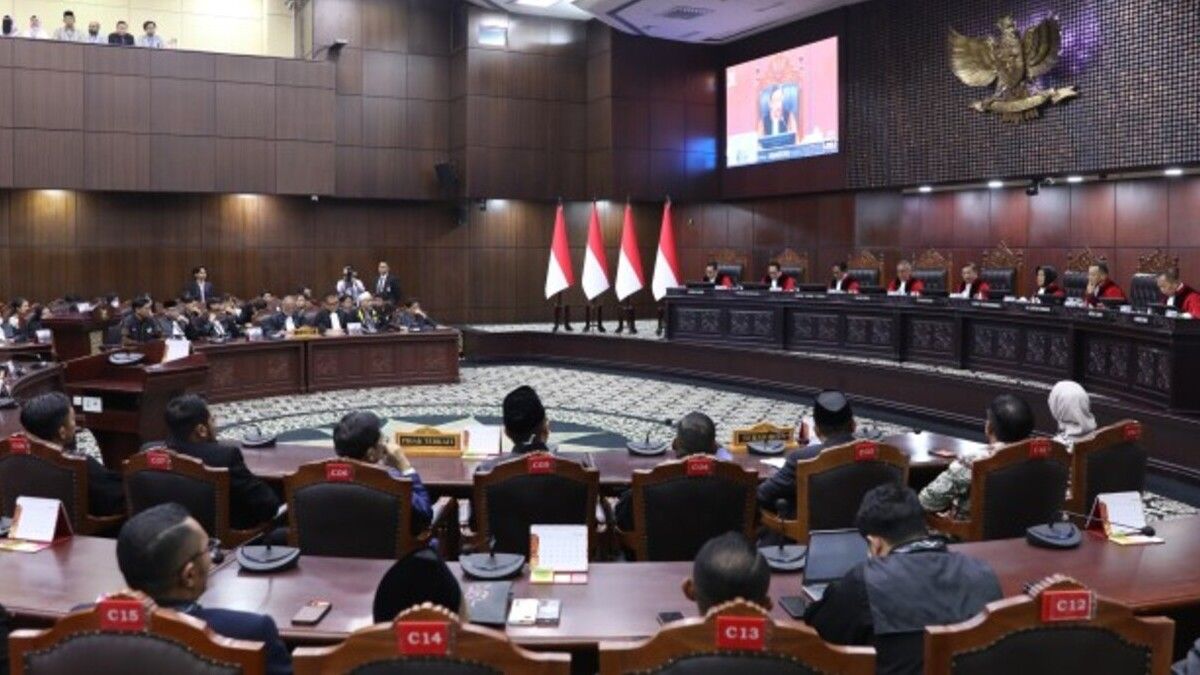
In a landmark ruling, the U.S. Supreme Court declared that former President Donald Trump cannot be prosecuted for actions within his constitutional powers, establishing a form of presidential immunity. The 6-3 decision, authored by Chief Justice John Roberts, overturns a lower court ruling and has sparked significant debate about presidential power and accountability.
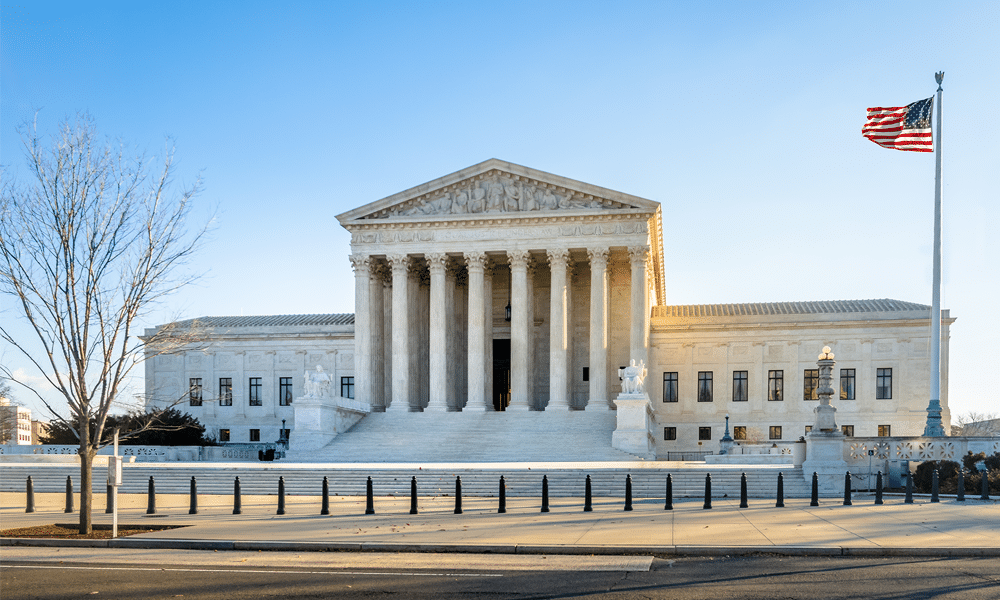

In a landmark decision on Monday, the U.S. Supreme Court ruled that former President Donald Trump cannot be prosecuted for actions that fell within his constitutional powers while in office.
This historic ruling, which for the first time recognizes a form of presidential immunity from prosecution, was decided by a 6-3 majority.
The ruling, authored by Chief Justice John Roberts, overturned a lower court decision that rejected Trump's claim of immunity from federal criminal charges related to his attempts to overturn the 2020 election results.
The court's conservative majority, including the three justices appointed by Trump, supported the decision, while the three liberal justices dissented.
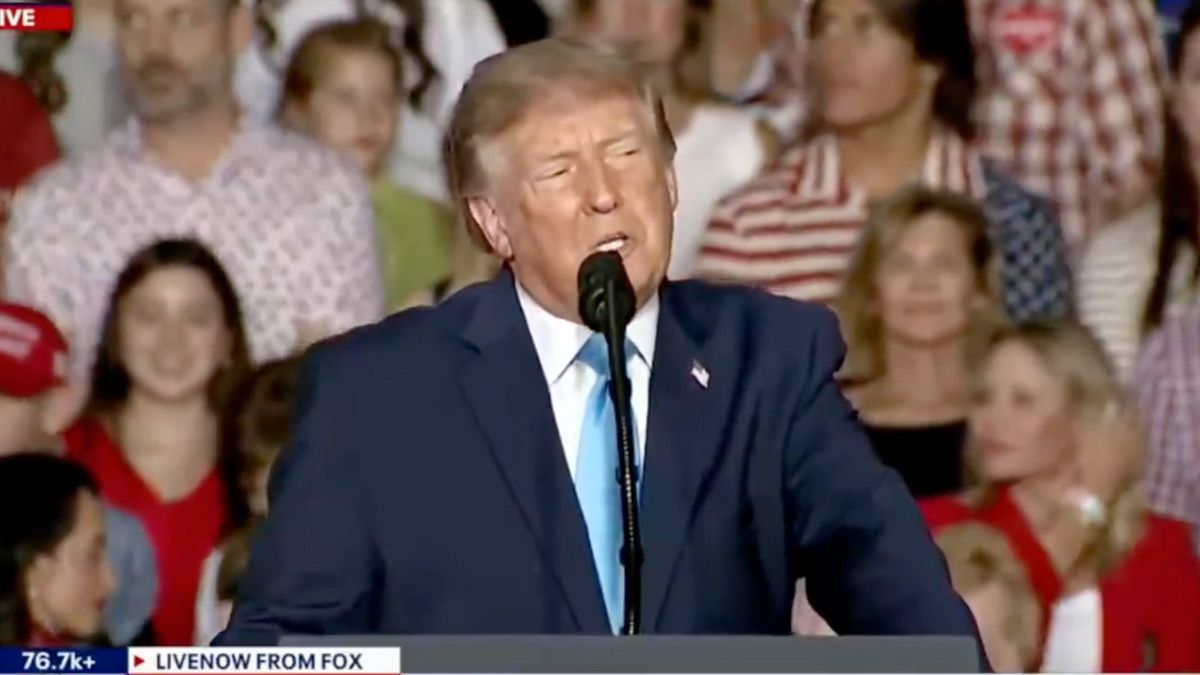
Trump, celebrating the ruling, posted “BIG WIN FOR OUT CONSTITUTION AND DEMOCRACY” on social media platform, Truth Social.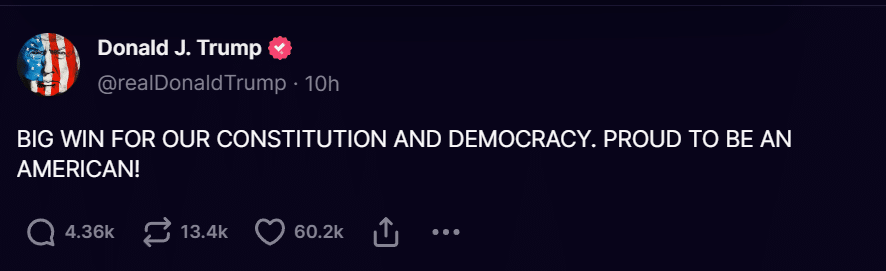
President Joe Biden criticized the decision, stating that it sets a "dangerous precedent" and undermines the rule of law in the United States.
The decision underscores a robust view of presidential power, sparking criticism from dissenting justices who argue it erodes the principle that no one is above the law.
Justice Sonia Sotomayor, writing for the liberal minority, described the ruling as making a mockery of the Constitution's foundational principle that no person is above the law.
"Under our constitutional structure of separated powers, the nature of presidential power entitles a former president to absolute immunity from criminal prosecution for actions within his conclusive and preclusive constitutional authority," wrote Chief Justice Roberts.
He clarified, however, that this immunity does not extend to unofficial acts.
Justice Sotomayor, dissenting passionately, argued, "In every use of official power, the President is now a king above the law."
She emphasized that the Constitution does not shield a former president from answering for criminal acts.
The ruling also affects ongoing legal proceedings against Trump. It directed the trial court to reassess the case, particularly regarding allegations that Trump tried to pressure Vice President Mike Pence to reject the certification of Joe Biden's electoral victory on 6 January 2021.
While Trump is considered immune from prosecution for his discussions with the Justice Department, the pressure on Pence could still be part of the case.
Justice Amy Coney Barrett concurred with most of the majority opinion but disagreed on restricting the use of official acts as evidence in proving unofficial actions. She also criticized the need for further analysis of the fake electors claim, stating that prosecution for such conduct should not be barred.
The trial, which will proceed under U.S. District Judge Tanya Chutkan, remains unlikely to occur before the 2024 presidential election. Legal experts have expressed concerns over the broad scope of immunity granted to Trump, fearing it could enable future presidents to act without accountability.
The ruling has significant implications for Trump's legal battles. Besides the federal inquiries led by Special Counsel Jack Smith, Trump faces charges in Georgia and a conviction in New York for falsifying business records related to a hush money payment during the 2016 election.
The decision, coming at the end of the Supreme Court's term, highlights the court's influential role in the upcoming presidential election. It follows recent rulings limiting obstruction charges against Trump and rejecting efforts to bar him from the ballot due to his actions post-2020 election.
The ruling also reignites debates about the impartiality of the Supreme Court, particularly involving justices appointed by Trump and those with potential conflicts of interest.