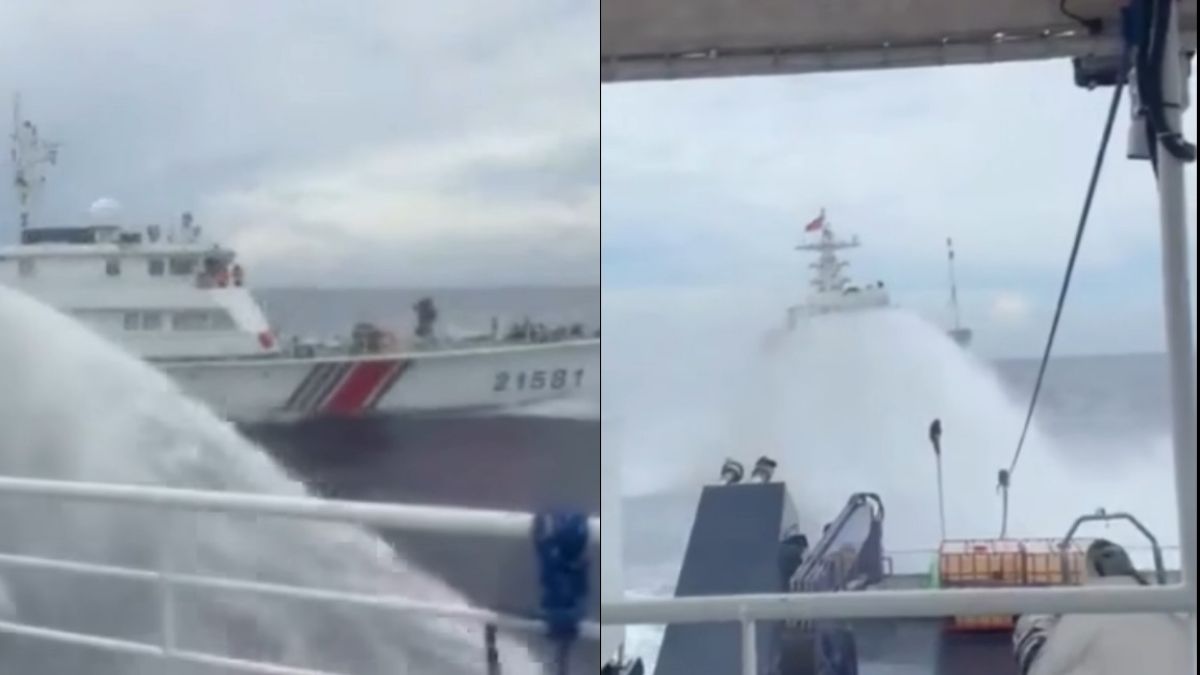
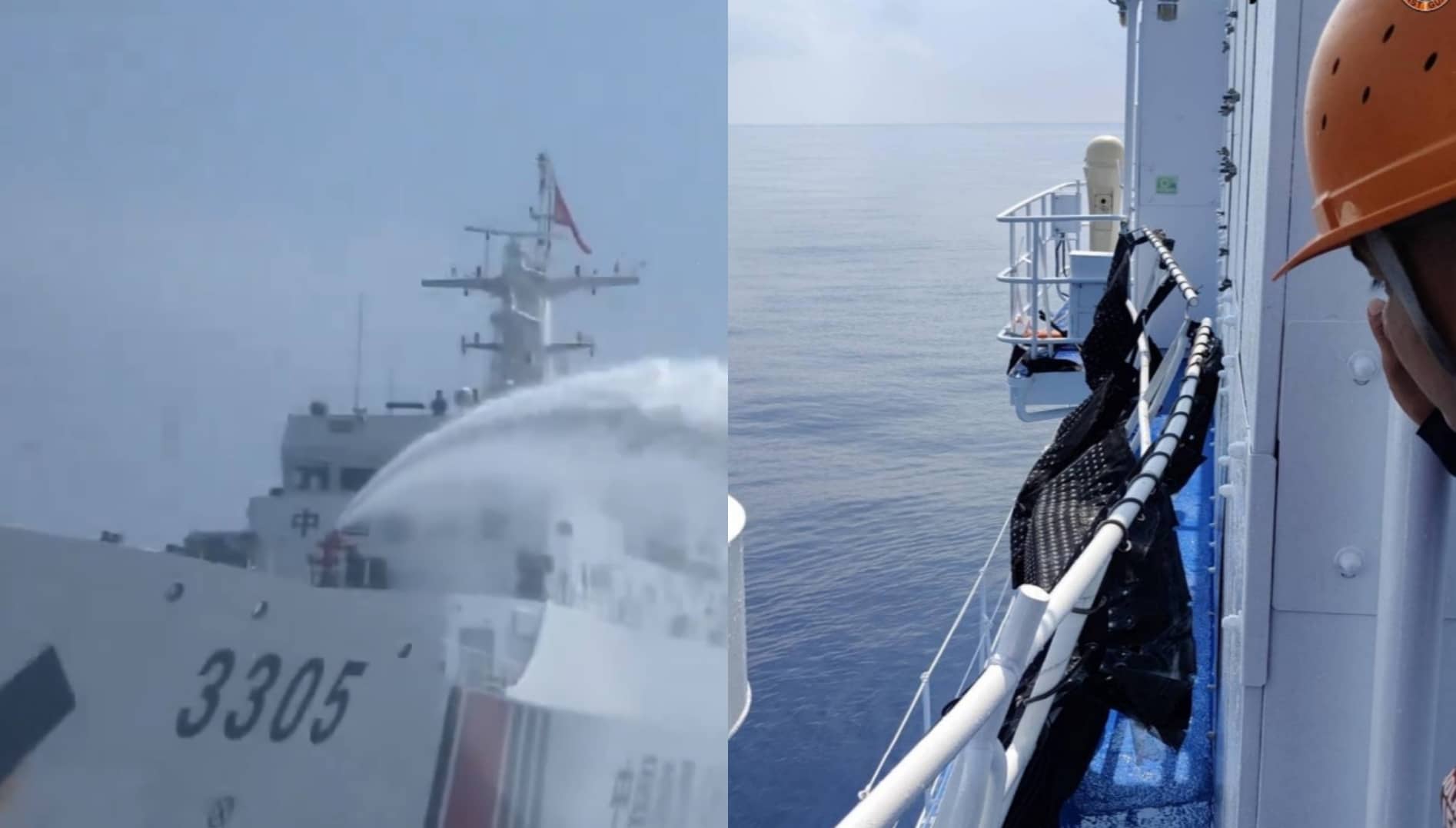
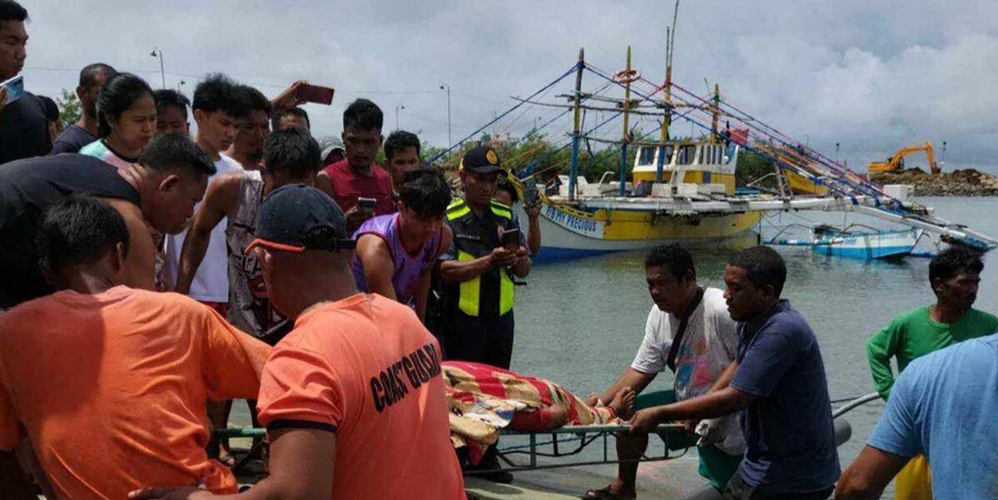
China conducts combat readiness patrols around Scarborough Shoal amid tensions with Philippines
China’s military and coast guard conducted patrols around Scarborough Shoal on 30 October as Beijing and Manila exchanged accusations over maritime activities and participation in a regional defence meeting.
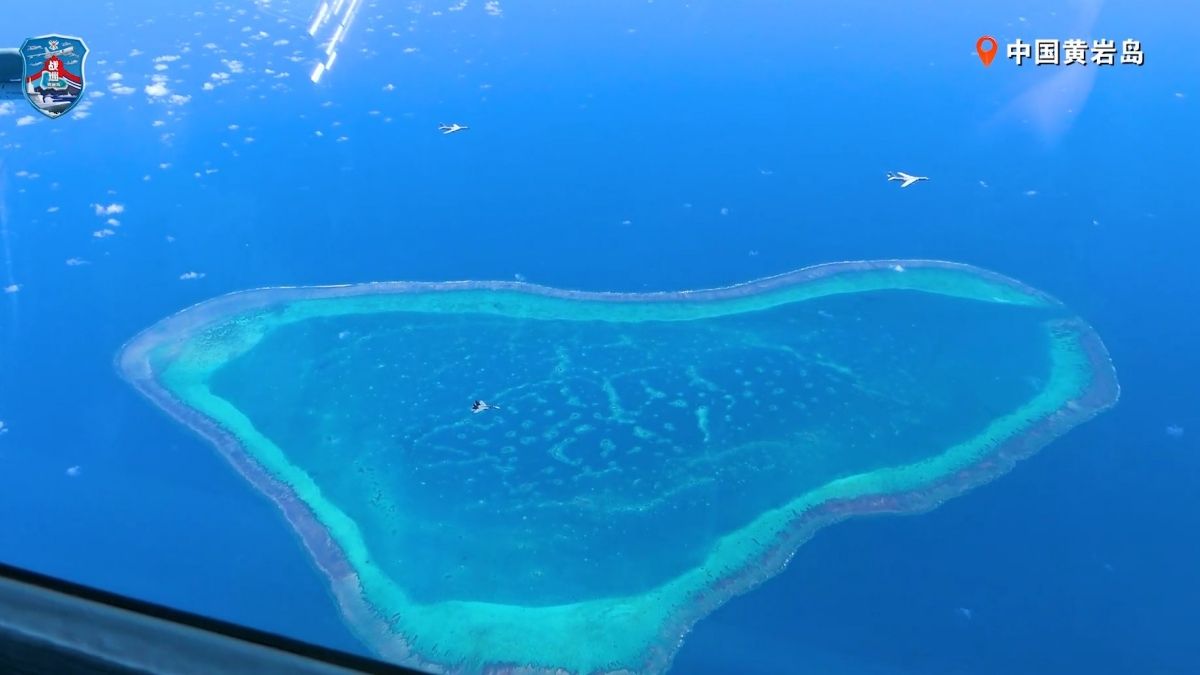
- China’s military and coast guard conducted separate patrols around Scarborough Shoal on 30 October.
- Beijing and Manila exchanged accusations over China’s participation in a regional ASEAN defence meeting.
- The Philippines reported Chinese research, coast guard, naval and maritime militia activity near the shoal.

China’s military said its naval and air forces conducted combat readiness patrols around Scarborough Shoal in the South China Sea on Friday (30 October), as tensions between Beijing and Manila continued over their competing maritime claims.
The People’s Liberation Army (PLA) Southern Theater Command (中国人民解放军南部战区) described the patrols as a response to what it called the Philippines’ “rights-violation and provocative acts”. It added that it had stepped up patrol activities around the shoal this month.
In a statement, the command said the operations were intended to strengthen control and management of the waters and airspace surrounding the disputed feature.
“Such patrols are aimed at further enhancing control and management over relevant waters and airspace, and serve as an effective countermeasure to cope with all sorts of rights-violation and provocative acts,” it said.
The Chinese military did not specify which Philippine actions it was referring to, nor did it provide details of the forces and vessels involved in the patrols.
However, a promotional video shared on the PLA Southern Theater Command’s WeChat account showed Chinese naval and air force assets monitoring and driving away a C-208 aircraft, which the command alleged belonged to the Philippines. The footage also showed the Chinese frigate 554 intercepting a Philippine vessel.
Separately, the China Coast Guard said it had conducted law-enforcement patrols around Scarborough Shoal on Friday, describing the operation as a necessary countermeasure against Philippine actions.
According to the initial report, the Philippine embassy in Beijing and the Philippine military had not immediately responded to requests for comment.
China and Philippines exchange accusations at ASEAN defence meeting
The patrols followed renewed diplomatic tensions at the 13th ASEAN Defence Ministers’ Meeting-Plus (ADMM-Plus), held in Cebu on 29 October.
China’s Defence Ministry accused an unnamed Philippine politician of obstructing its participation in the regional defence gathering. Ministry spokesman Zhang Xiaogang said the politician had abused the Philippines’ position as the rotating chair of the ASEAN defence sector to create obstacles for China.
Zhang said the alleged actions violated diplomatic norms and ran counter to the meeting’s open and inclusive spirit. He did not identify the politician or explain what specific obstacles had been imposed.
China was represented by its defence attaché rather than Defence Minister Dong Jun.
Philippine Defence Secretary Gilberto Teodoro, who chaired the meeting, disputed Beijing’s account. He said China had been invited and given an opportunity to present its views on regional maritime security.
“The important fact is they were able to articulate their position on regional maritime security with little additions,” Teodoro said at the meeting’s closing press conference.
He added that no other ASEAN member had raised concerns with the Philippines over China’s participation.
“So it is China’s position, it is not ASEAN’s position,” he said, according to Philippine media reports.
Teodoro also said that China’s participation was subject to the rules and limitations of the ASEAN-led forum, and that it was for ASEAN members to determine how dialogue partners were accommodated.
The ASEAN Secretariat confirmed that the 13th ADMM-Plus took place in Cebu on 29 October.
The gathering brought together ASEAN defence ministers and dialogue partners to discuss regional and international security issues. The Philippines also handed over the chairmanship of the ASEAN defence sector to Singapore for 2027.
Philippine Coast Guard reports Chinese vessels near the shoal
The Chinese patrol announcement came amid continuing maritime activity around Scarborough Shoal.
On 30 October, the Philippine Coast Guard said it was investigating the capabilities of a Chinese research support vessel observed operating inside the shoal’s lagoon.
Coast Guard spokesman for the West Philippine Sea Rear Admiral Jay Tarriela said the vessel had first been monitored on 3 October and had changed configuration several times. During a maritime domain awareness flight on 29 October, Philippine personnel observed it towing a small boat and carrying equipment that could be used for marine scientific research.
The Coast Guard also reported the presence of three Chinese Coast Guard vessels and five Chinese maritime militia vessels in the area. A Chinese navy warship was spotted about 15 nautical miles from Zambales, on the western coast of Luzon.
The Philippine aircraft issued radio challenges to the Chinese vessels, according to the Coast Guard account carried by state broadcaster PTV News.
Tarriela said the agency was seeking to establish the capabilities and purpose of the research support vessel. The Coast Guard also said the Philippine government had not authorised the reported research activity.
The latest observations followed a Philippine government mission on 27 October to deliver fuel to Filipino fishermen operating near the shoal. The Bureau of Fisheries and Aquatic Resources vessel MV Mamalakaya, escorted by the Coast Guard vessel BRP Malapascua, delivered fuel to fishing boats in the area.
The Philippine Coast Guard said between 40 and 50 Filipino fishing boats approached the government vessel to receive fuel. It reported that Chinese Coast Guard and navy ships were present in the approaches to the shoal but did not interfere with the operation.
Scarborough Shoal remains a major maritime flashpoint
Scarborough Shoal, known in the Philippines as Bajo de Masinloc and in China as Huangyan Dao, is a triangular chain of reefs and rocks in the South China Sea.
It lies about 124 nautical miles west of the Philippine province of Zambales and is within the Philippines’ 200-nautical-mile exclusive economic zone (EEZ), according to Philippine authorities.
China has maintained control over access to the shoal since a 2012 standoff between Chinese and Philippine vessels. Chinese Coast Guard ships have since regularly operated around the feature, while the Philippines continues to assert its maritime rights and the traditional fishing rights of its fishermen.
The shoal is also significant because of its traditional fishing grounds. The Permanent Court of Arbitration’s 2016 award in the South China Sea case found that fishermen from the Philippines, China and Vietnam had traditionally fished there.
The tribunal also ruled that China had unlawfully prevented Filipino fishermen from exercising their traditional fishing rights at Scarborough Shoal during the period examined in the proceedings.
2016 arbitration ruling remains disputed
The wider dispute over Scarborough Shoal is part of the competing maritime claims in the South China Sea.
China claims sovereignty over almost the entire waterway through its so-called nine-dash line. The claim overlaps with the exclusive economic zones claimed by the Philippines, Vietnam, Malaysia, Brunei and Indonesia.
In July 2016, an arbitral tribunal constituted under the United Nations Convention on the Law of the Sea (UNCLOS) ruled in a case brought by the Philippines that there was no legal basis for China to claim historic rights to resources within the areas covered by its nine-dash line beyond the maritime entitlements provided for under UNCLOS.
The tribunal also found that Scarborough Shoal is a high-tide feature but cannot generate an exclusive economic zone or continental shelf of its own. It recognised the traditional fishing rights of fishermen from several countries at the shoal.
China rejected the ruling and said it did not accept or recognise the arbitration. Beijing maintains that its territorial and maritime claims in the South China Sea are supported by historical and legal grounds.
The Permanent Court of Arbitration served as the registry for the proceedings. The tribunal issued its final award on 12 July 2016.