Indonesia tests dry ice to disperse haze from forest and land fires
Indonesia has deployed 1.5 tonnes of dry ice over Palembang in a first-of-its-kind trial to disperse haze from forest and land fires, while experts question whether the technique can provide lasting relief.
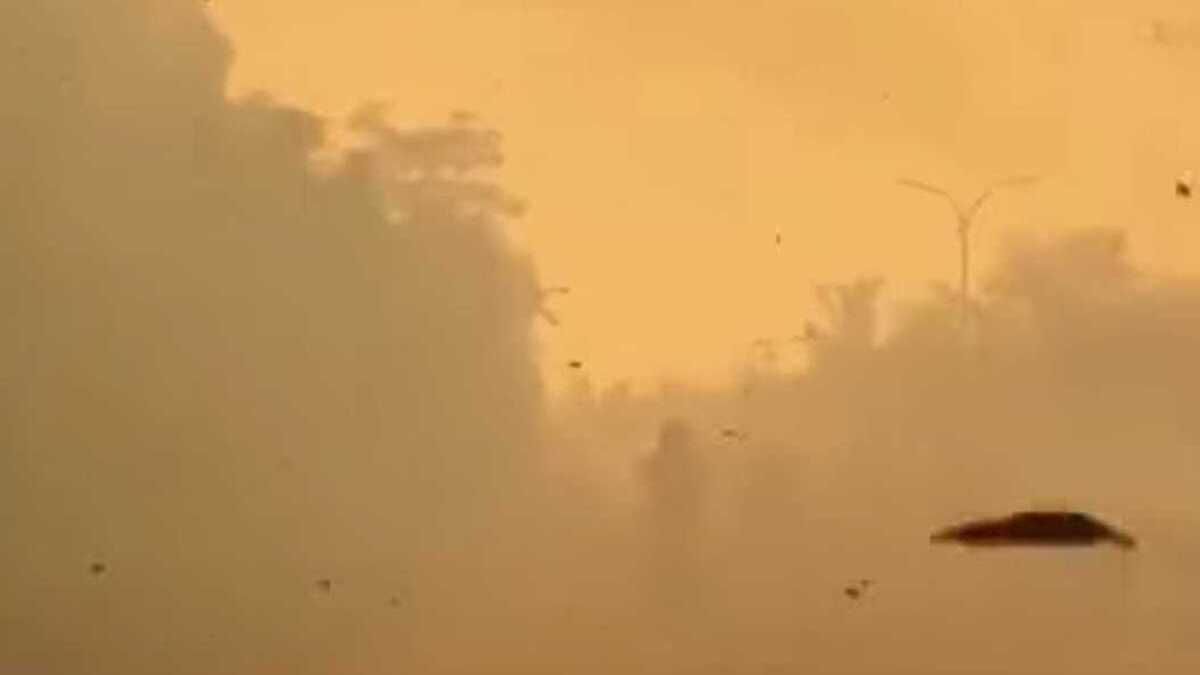
- Indonesia has deployed 1.5 tonnes of dry ice over Palembang in its first trial of the technique to disperse fire-related haze.
- Authorities aim to improve visibility from around 1,000 metres to at least 5,000 metres while firefighting operations continue.
- An Australian bushfire expert has warned that changing weather and incoming smoke could limit the technique’s effectiveness.

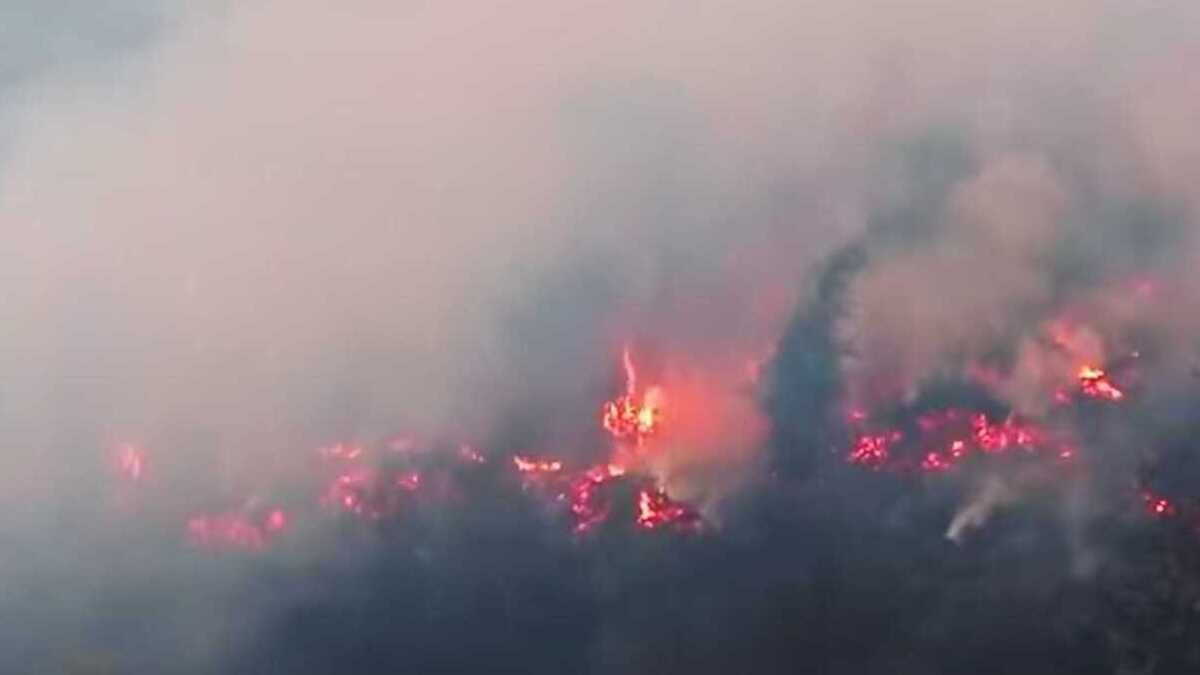
Indonesia has begun testing dry ice to disperse haze caused by forest and land fires, deploying 1.5 tonnes of frozen carbon dioxide over Palembang, South Sumatra, as authorities seek to improve air quality and visibility amid continuing firefighting operations.
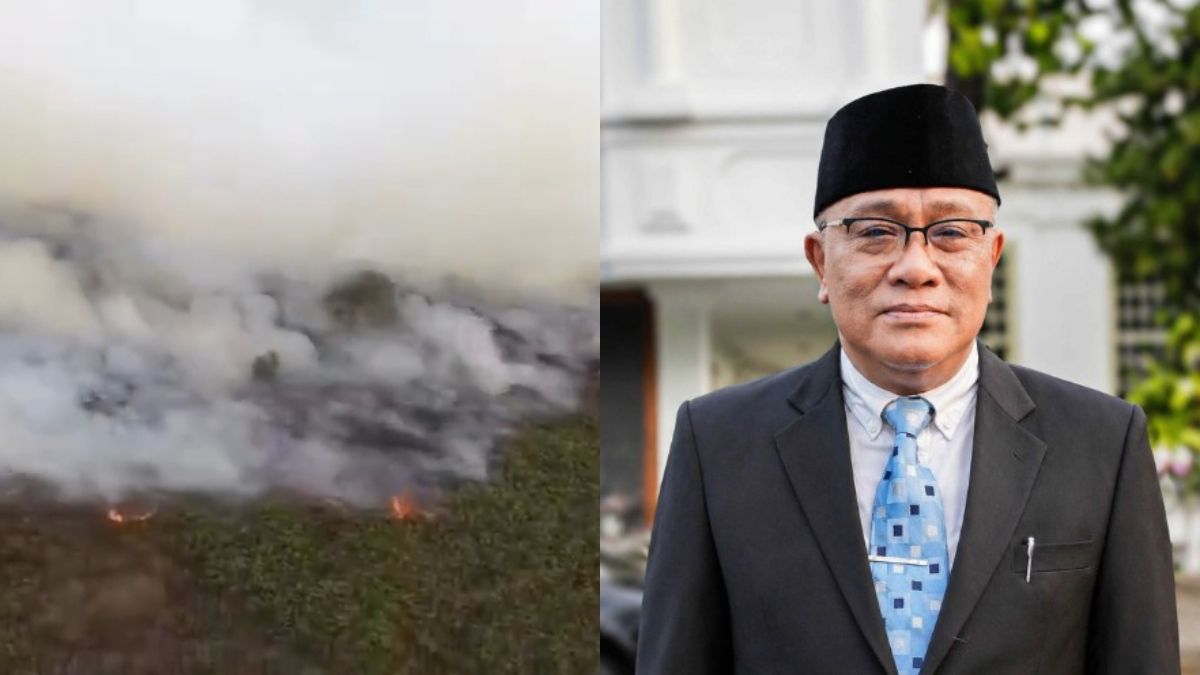
Coordinating Minister for Political and Security Affairs Dudung Abdurachman said on 15 October 2026 that the trial was being conducted in South Sumatra as part of the government's efforts to accelerate its response to the effects of forest and land fires, known locally as karhutla.
The initiative follows instructions from President Prabowo Subianto to speed up measures to address the impact of the fires, according to Indonesia's Coordinating Ministry for Political and Security Affairs.
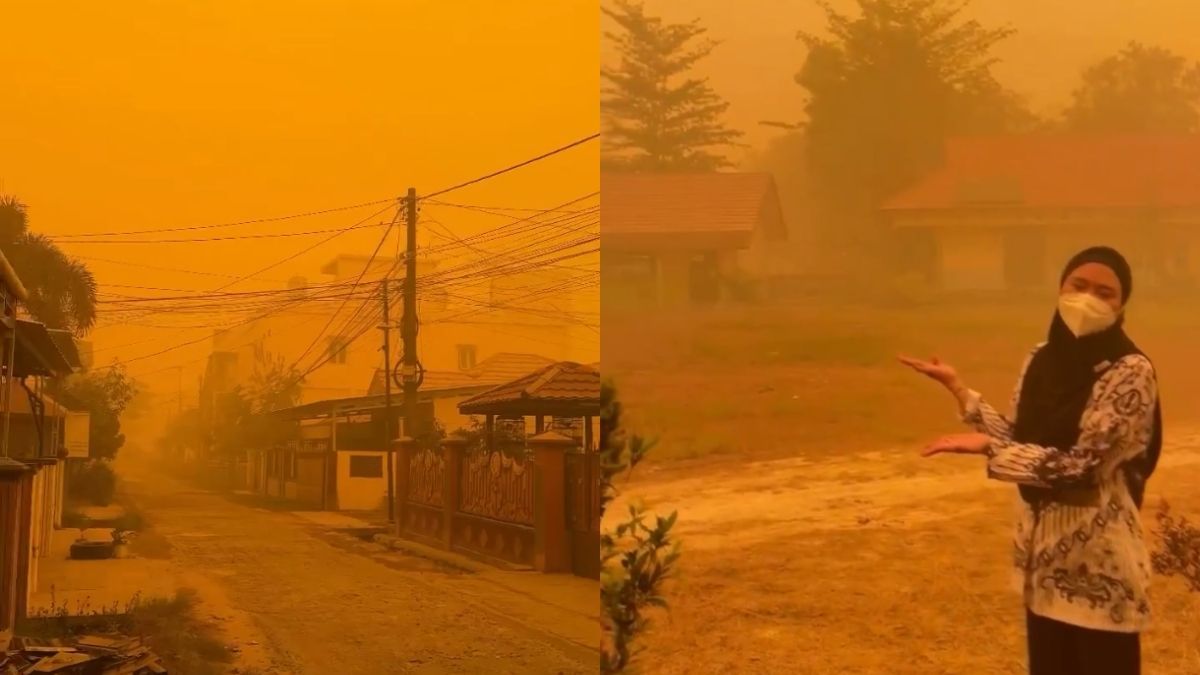
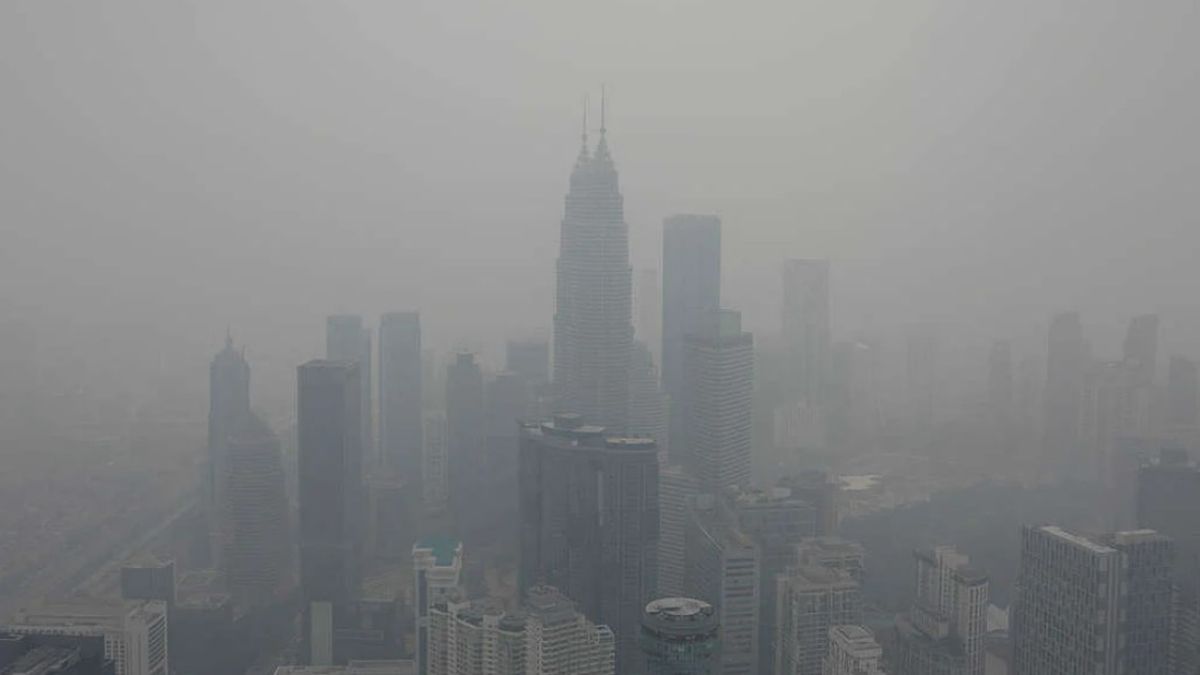
The government hopes the technique will reduce the concentration of smoke in urban areas and their surroundings. However, the trial has also drawn attention to the limitations of dispersing haze while fires continue to generate smoke.
How Indonesia plans to use dry ice
Dudung said he had inspected preparations for the operation alongside the South Sumatra governor, the regional military commander and the provincial police chief.
He explained that the dry ice was intended to move smoke that had accumulated closer to the ground into higher layers of the atmosphere, reducing the concentration of haze around populated areas.
“The function of dry ice is to break up smoke that is initially close to the ground and move it upwards. This way, there will no longer be a concentration of smoke in urban areas and their surroundings,” Dudung said, as quoted by Indonesian news outlet Kompas.
The initial operation involves 1.5 tonnes of dry ice, with supplies sourced from Lampung and local areas. Aircraft will be used to disperse the material over areas affected by haze.
The government is targeting an improvement in visibility, which was reported to be around 1,000 metres at the time. Authorities hope to increase it to at least 5,000 metres.
Indonesia has not previously conducted this type of dry ice operation, making the South Sumatra trial the first of its kind in the country, Dudung said.
If the results are positive, the government intends to consider extending the operation to other haze-affected areas, including Central Kalimantan and surrounding regions.
Dry ice operation differs from cloud seeding
The dry ice trial is being conducted alongside weather modification operations, but the two approaches have different objectives.
Cloud seeding, known in Indonesia as Operasi Modifikasi Cuaca (OMC), is intended to encourage rainfall under suitable atmospheric conditions. The resulting rain can help suppress fires and support firefighting efforts.
The dry ice operation, by contrast, is intended to disperse smoke and reduce its concentration in affected areas rather than directly extinguish the fires.
“Dry ice seeding is specifically intended to disperse smoke, while weather modification operations will continue to stimulate artificial rain to extinguish the fires. We are taking measures from all sides,” Dudung said.
The government is pursuing both methods as part of a broader response to the forest and land fires, which have affected communities through smoke pollution and reduced visibility.
Their effectiveness will depend on the conditions in which they are deployed and whether they can provide meaningful relief to people living in affected areas.
Expert questions whether dry ice can provide lasting relief
The trial comes amid questions about whether dispersing smoke can deliver sustained improvements in air quality while fires continue to burn.
Rick McRae, an adjunct professor associated with the bushfire research group at the University of New South Wales, told The Guardian that the method could potentially provide temporary relief in specific locations, but was unlikely to offer a permanent solution.
“It’s got some potential for local relief that might work for a while,” McRae said.
However, he warned that changing weather conditions and wind could carry additional smoke into areas where haze had been dispersed.
“Weather systems are all moving from east to west. So if you’re in a town under that and you clear the smoke, there’s gonna be more blowing all the time,” he said.
McRae added that the technique would not be straightforward to implement and could not permanently resolve the problem.
“It’s not going to be simple and it’s not going to be a permanent fix in any way,” he said.