Malaysian civil society groups demand science-based action and stronger laws to tackle recurring haze crisis
Malaysian civil society groups Engage and Projek SAMA have urged the government to strengthen haze management, introduce a transboundary pollution law and push ASEAN for coordinated regional action, amid school closure confusion and continuing public health risks.
- Engage and Projek SAMA want clear, science-based criteria for school closures and better coordination between authorities.
- The groups urge Malaysia to introduce a transboundary haze law and push ASEAN for stronger regional enforcement.
- They call for a permanent national coordination body to improve public health protection, emergency communication and government accountability.

KUALA LUMPUR, MALAYSIA: Malaysian civil society groups Engage (The Rakyat in Action!) and Project Stability and Accountability for Malaysia (Projek SAMA) have urged the government to strengthen its response to recurring haze pollution, calling for science-based decisions, stronger laws and coordinated regional action.
In a statement issued on 13 October 2026, the groups expressed concern over Malaysia’s handling of the latest haze episode, particularly inconsistent school closure announcements in Johor and elsewhere in the country.
They argued that the recurring, cross-border crisis requires a coordinated national response rather than changing thresholds and last-minute decisions that leave families, schools and employers uncertain.
“The annual cycle of forest and peatland fires cannot be addressed by polite statements alone,” the groups said, urging ASEAN governments to coordinate prevention, fire suppression, satellite monitoring and enforcement.
The groups also called for greater transparency over plantation concession ownership and action against companies that profit from activities contributing to pollution while neighbouring communities bear the health and economic costs.
Haze problem continues
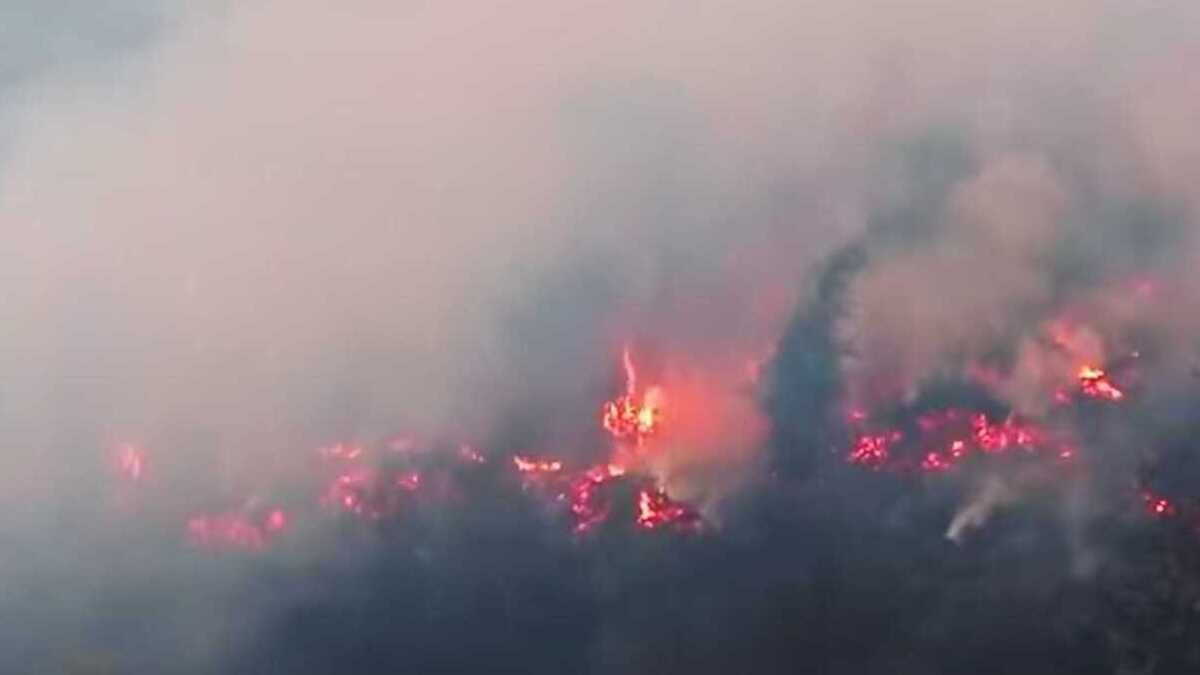
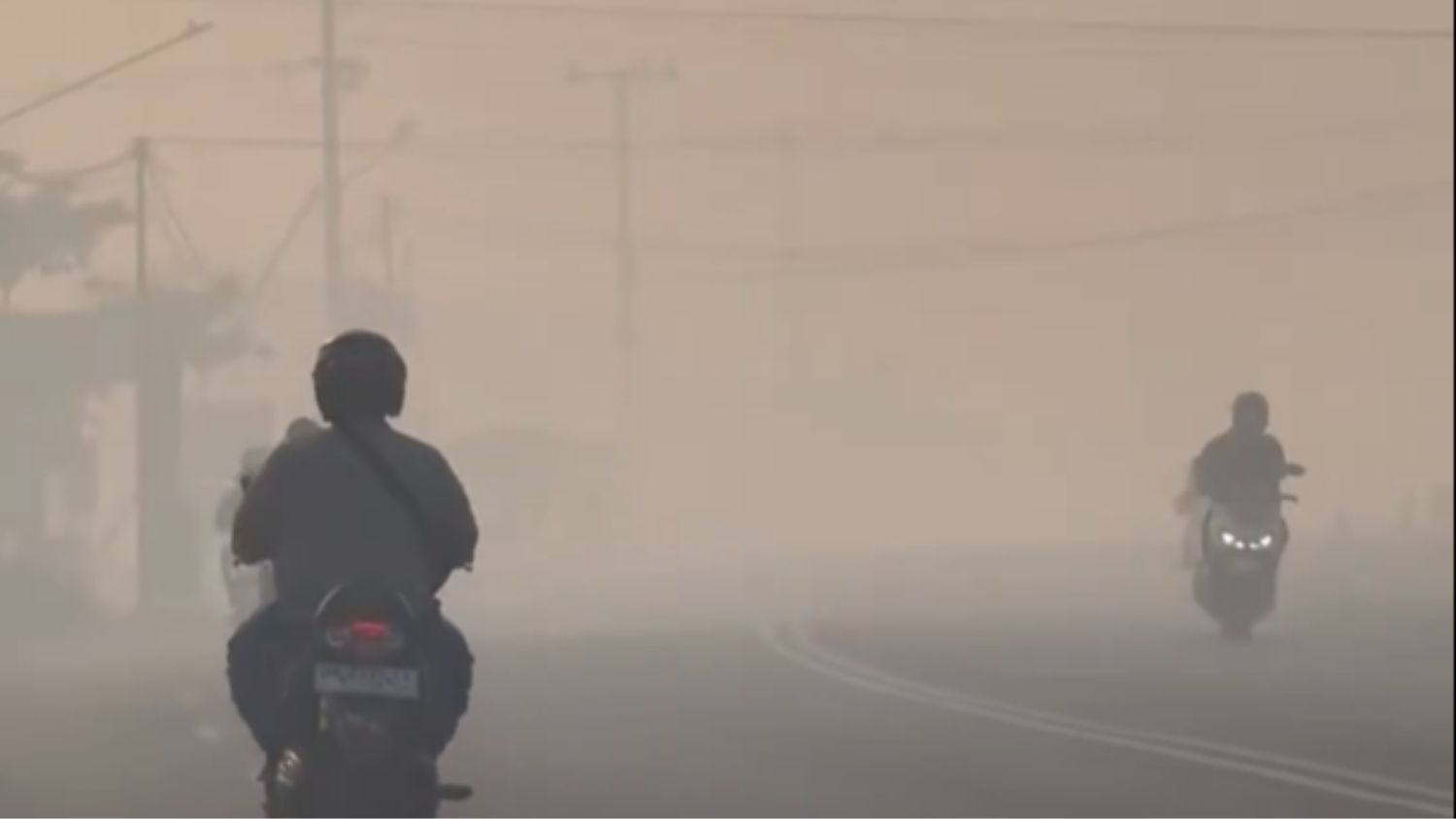
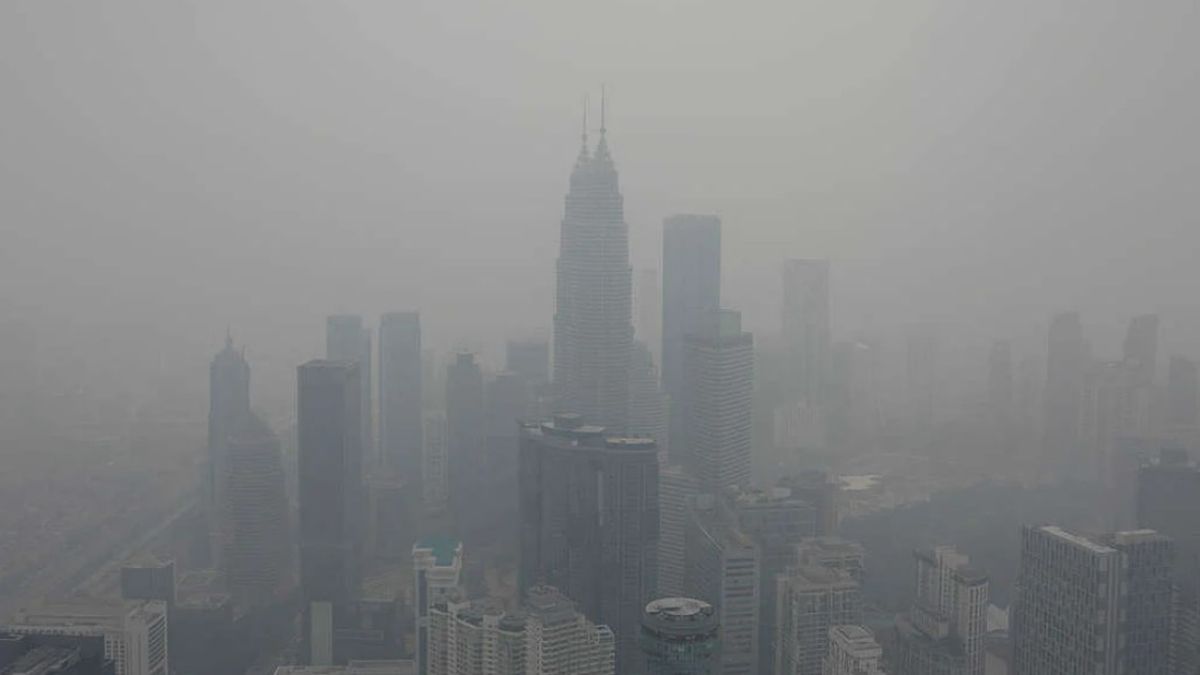
Air quality in Malaysia remains unhealthy amid transboundary smoke from fires in Indonesia. Kuala Lumpur recorded air quality readings in the unhealthy range, with an Air Quality Index (AQI) of around 191 to 198 and PM2.5 concentrations significantly exceeding World Health Organization guidelines.

Fine particulate matter known as PM2.5 can penetrate deep into the lungs, posing particular risks to children, older people, people with asthma or heart disease, and outdoor workers.
Engage and Projek SAMA said the haze presents an immediate public health threat, requiring urgent action to protect vulnerable communities.
They warned that concern alone was insufficient without a clear, accountable system for managing pollution and communicating public safety decisions.
School closure announcements raise concerns
The groups highlighted confusion surrounding school closures in Johor as an example of weaknesses in Malaysia’s response.
Schools were initially told to close when the Air Pollutant Index (API) reached 200. Schools in Batu Pahat were subsequently closed after the index reached 203, followed by an order closing schools across Johor for two days.
Later announcements referred to lower thresholds, ranging from 150 to 180, where unhealthy readings persisted. The Ministry of
Education announced a separate operational threshold: school closures when readings exceeded 180, or after three consecutive days above 150.
Johor subsequently extended statewide closures, while private schools were reportedly given discretion over whether to open.
The groups said the sequence of announcements created uncertainty about which authorities had the final decision-making power, what criteria applied and how much notice families could expect.
They acknowledged that individual decisions might have been made with good intentions but argued that inconsistent communication created avoidable disruption.
Parents may have to take leave, arrange childcare or miss work when schools close suddenly. Businesses may lose staff at short notice, while daily-wage workers risk losing income immediately.
Families with children attending government, private, international and religious schools, as well as kindergartens, may face additional difficulties when different institutions follow different announcements.
The groups also cautioned against assuming that staying home automatically protects children. Lower-income B40 households may lack air conditioning, air purifiers or well-sealed homes, while access to online learning is uneven.
They called for school closure policies to be accompanied by practical assistance for affected families.
Motorcycle crash highlights school closure confusion
Last week, three siblings aged between eight and 18 were killed after the motorcycle they were travelling on collided with a lorry in Pontian, Johor.
According to the account provided, the two younger children insisted on going to school, prompting their older brother to take them there to show them that the school was closed.
At the time, all schools in Johor had been closed following a directive by the Regent of Johor, Tunku Mahkota Ismail, after air quality deteriorated across the state.
Calls for science-based decisions
Engage and Projek SAMA said school closures should be guided by transparent technical criteria, including air quality readings, exposure duration, particulate matter concentrations, weather forecasts, indoor air conditions, health assessments and local circumstances.
They urged authorities to publish closure thresholds in advance, clarify schools’ responsibilities and notify parents and employers as early as possible, preferably by a fixed time on the preceding day except during genuine emergencies.
The groups said Malaysia should manage the haze as a recurring cross-border crisis rather than treating each episode as an unprecedented emergency.
They called for three major changes to strengthen the national response.
First, Malaysia should press the Association of Southeast Asian Nations (ASEAN) to adopt stronger and more effective regional measures addressing forest and peatland fires.
The groups want regional governments to coordinate prevention, firefighting, satellite monitoring and enforcement, while improving disclosure of plantation concession ownership and accountability for companies linked to pollution.
Second, Malaysia should enact a robust transboundary haze law, following recommendations in the Human Rights Commission of Malaysia’s (SUHAKAM) 2025 report, Silent Enemy: Haze Pollution and the Right to Clean Air.
The proposed legislation should allow Malaysian companies, investors and beneficial owners linked to fires in Indonesia or elsewhere to face legal consequences in Malaysia.
The groups also called for mandatory due diligence, transparent supply chains, public disclosure of corporate ownership and land concessions, and opportunities for affected citizens, workers, businesses and communities to pursue civil or class-action claims against Malaysian-linked entities whose conduct contributes to transboundary pollution.
Greenpeace report renews scrutiny of corporate accountability
A Greenpeace report published on 5 October identified several Indonesian plantation concessions linked to Singapore-based business groups and Malaysian plantation group Kuala Lumpur Kepong (KLK) among areas recording haze sources in 2026.
The findings have renewed scrutiny of corporate accountability as smoke from Indonesian fires affects neighbouring countries.
The identification of plantation concessions in areas recording haze sources does not, by itself, establish that every associated company caused or was legally responsible for particular fires. The specific links and any corporate responsibility would require examination of the underlying evidence.
Engage and Projek SAMA’s call for stronger legislation reflects their position that companies linked to transboundary pollution should face meaningful accountability when their conduct contributes to the crisis.
Permanent national coordination body proposed
Third, the groups proposed establishing a permanent National Haze Operations Room, or an equivalent coordinating body, to oversee Malaysia’s response.
The proposed body would bring together the Ministry of Health, Ministry of Education, Department of Environment, National Disaster Management Agency (NADMA), Malaysian Meteorological Department (MET Malaysia), state governments, local authorities and relevant enforcement agencies.
It would provide a single public dashboard, an authoritative daily briefing, nationally understood risk levels and clearly delegated authority for local decisions.
Its responsibilities would include monitoring health risks, issuing school and workplace guidance, protecting outdoor workers, distributing protective equipment to vulnerable communities and coordinating communications with employers and educational institutions.
The groups said decision-making must be transparent and accountable to the people affected by government policies. They argued that urgent action should remain grounded in scientific evidence and democratic oversight.
They also called for clearer communication so parents, teachers and employers would not have to rely on rumours, social media posts or conflicting announcements when making decisions during hazardous air pollution episodes.