Civil society criticises government absence as Indonesians challenge forest fire response and disaster funding
Residents in West Kalimantan are suing Indonesian officials over alleged negligence in handling forest fires, while a separate Constitutional Court petition seeks clearer standards for disaster-management funding.
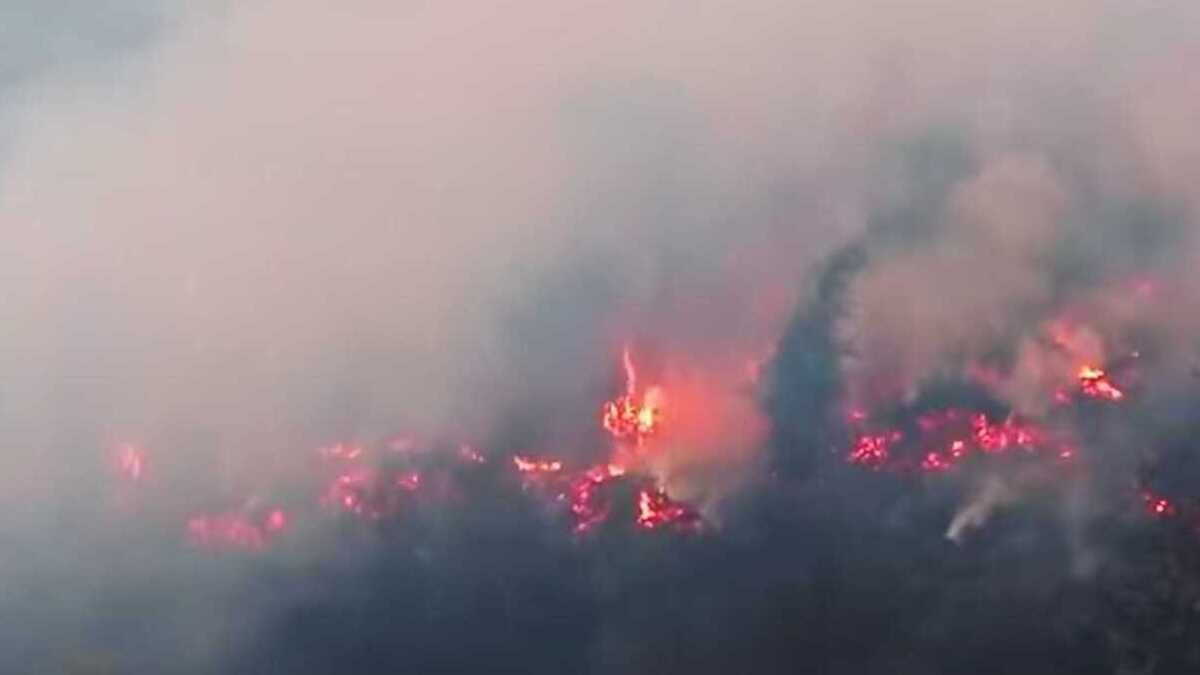
- Residents and civil-society organisations accuse Indonesian officials of negligence in preventing and managing forest fires in West Kalimantan.
- A separate constitutional petition seeks measurable, transparent and accountable standards for disaster-management funding at national and regional levels.
- Both cases remain unresolved as fires, haze-related illnesses and environmental damage continue to affect Indonesia and neighbouring countries.

Indonesia's government is facing legal challenges over its handling of forest and land fires, with residents in Kalimantan accusing officials of negligence and a separate constitutional petition seeking clearer requirements for disaster-management funding.
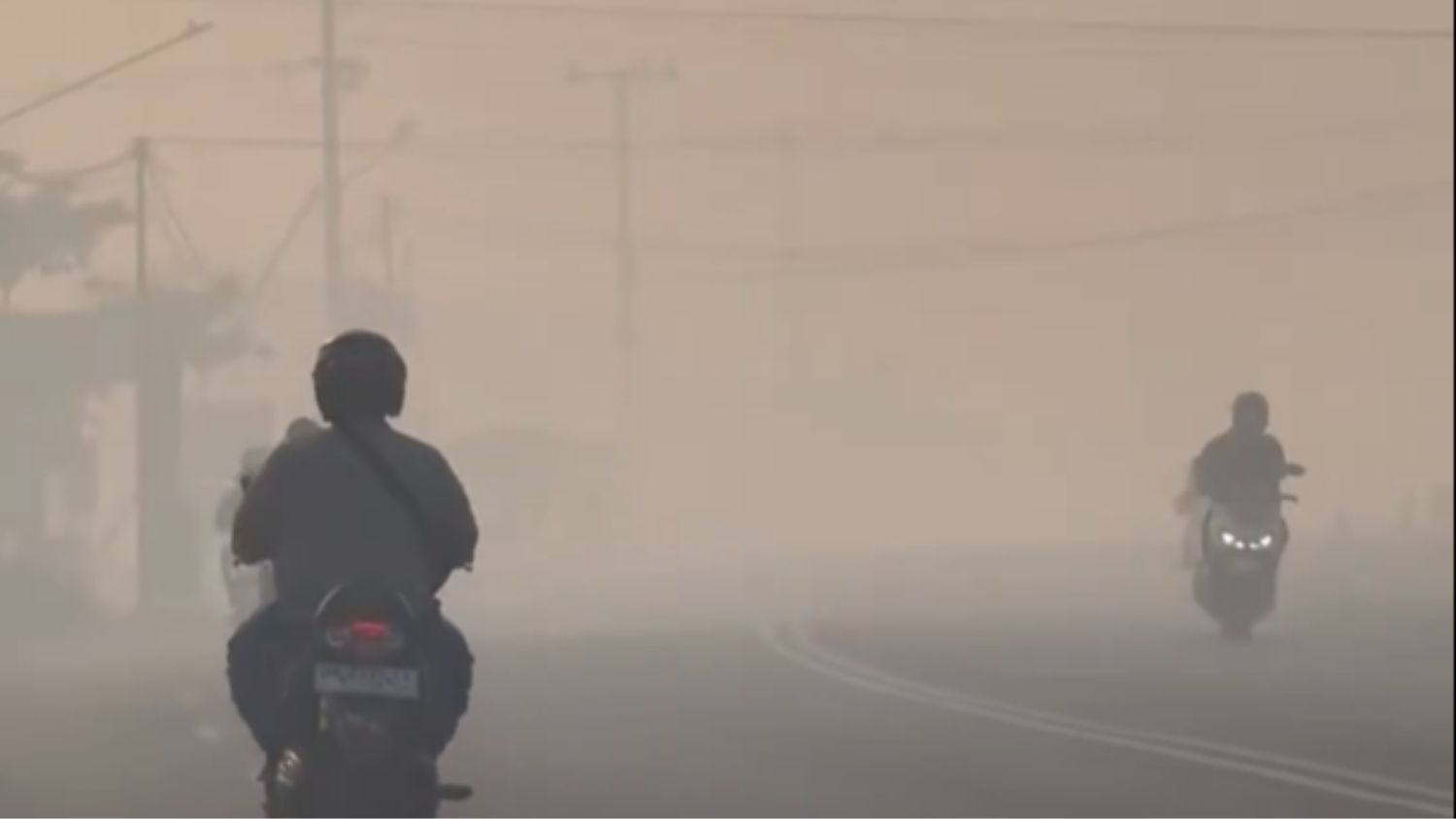
The cases come as fires across Indonesia have caused prolonged haze, respiratory illnesses and disruption to daily life, while smoke has spread to neighbouring Malaysia and Singapore.
The legal proceedings are testing questions of government responsibility for preventing fires, responding to emergencies and protecting residents from their effects.
In West Kalimantan, a civil lawsuit filed by residents and civil-society organisations accuses the government of failing to prevent and adequately respond to the fires.
A separate petition before Indonesia's Constitutional Court challenges provisions of the country's Disaster Management Law that require the government to allocate “adequate” funding for disaster management without specifying measurable criteria.
The developments have increased scrutiny of the government's response to a crisis that has affected public health, education, transport and the environment.
Residents sue the government over prolonged haze
Four plaintiffs, including the West Kalimantan chapter of the Indigenous Peoples Alliance of the Archipelago (AMAN), filed a class-action lawsuit at the Pontianak District Court last month.
The defendants include President Prabowo Subianto and the governor of West Kalimantan, alongside other government officials and agencies.
The plaintiffs allege that the authorities were negligent in preventing and managing the fires and in supervising firefighting operations. They argue that the prolonged haze has affected residents' health and disrupted daily activities.
The lawsuit seeks government accountability for the recurring fires and their consequences. The plaintiffs have also called for the government to declare a national disaster, which they say would allow more comprehensive recovery and rehabilitation measures, including coverage of healthcare costs for affected residents.
The first hearing, scheduled for 7 October, was adjourned until 21 October after government representatives failed to attend the proceedings.
According to The Jakarta Post, the plaintiffs' lawyer, Gloria Sanen, said the lawsuit was intended to address the recurring problem of forest fires and their effects on communities.
The absence of the defendants drew criticism from civil-society groups involved in the case. However, the court's decision to postpone the hearing does not constitute a finding on the allegations, which remain to be examined through the judicial process.
A previous lawsuit filed in South Sumatra over forest fires was dismissed last year, according to an AFP report published by The Jakarta Post.
The Pontianak case is therefore an important legal development for residents seeking accountability over the government's handling of the current crisis.
Constitutional Court examines disaster-management funding rules
A separate legal challenge was brought by four residents of Palangka Raya, the capital of Central Kalimantan, before the Constitutional Court.
The petition, registered as Case No. 369/PUU-XXIV/2026, challenges the phrase “adequate” in Articles 6(e) and 8(d) of Law No. 24 of 2007 on Disaster Management.
Article 6 sets out the central government's responsibilities, including allocating adequate disaster-management funding through the state budget. Article 8 establishes corresponding responsibilities for regional governments, including providing funding through regional budgets.
The applicants argue that the law does not establish objective criteria for determining whether those allocations are sufficient in relation to disaster risks and the costs of prevention, emergency response and recovery.
Their lawyer, Aryo Nugroho Waluyo, told the court during the preliminary hearing on 8 October that the issue was not the absence of a legal obligation to fund disaster management, but the lack of measurable standards for determining whether the obligation had been fulfilled.
The applicants contend that the fires and resulting haze in Central Kalimantan demonstrate the importance of adequate preparedness and mitigation. They also argue that the risk associated with El Niño-related drought had been identified before the fires intensified.
They are asking the court to interpret the funding requirements so that allocations are based on measurable disaster-risk assessments and operational needs, are transparent and accountable, and remain available throughout the pre-disaster, emergency-response and post-disaster stages.
The petition also seeks to establish clearer criteria for regional disaster-management funding.
During the hearing, Constitutional Court justices asked the applicants to explain more clearly the connection between the disputed provisions, the budgets allocated for fire management and the constitutional harm they say they have suffered.
The court gave the applicants 14 days to revise their petition, with a deadline of noon on 21 October.
The court has not ruled on the merits of the challenge. Its questions concerned the legal arguments and evidence required to establish the case.
Fires continue to affect health and the environment
The legal proceedings come amid widespread fire damage across Indonesia, particularly in parts of Sumatra and Kalimantan.
Reuters reported on 11 October that Indonesia had been battling its most intense wildfires in 11 years, with prolonged dry conditions and El Niño contributing to the risk of fires.
The smoke has caused a sharp increase in respiratory illnesses and affected air quality in neighbouring countries. Reuters reported that haze from the fires had been linked to approximately 175,000 cases of respiratory illness in Indonesia.
The impact has extended beyond human health. In West Kalimantan, authorities and conservationists have rescued orangutans whose forest habitats were affected by the fires.
On 11 October, Reuters reported that eight orangutans, including three mother-and-offspring pairs and two adolescent males, had been relocated to the Batu Nyambu protected forest between August and September.
The West Kalimantan Natural Resources Conservation Agency and the rehabilitation organisation Yayasan Inisiasi Alam Rehabilitasi Indonesia had rescued 46 orangutans affected by fires since August, agency head Murlan Dameria Pane said.
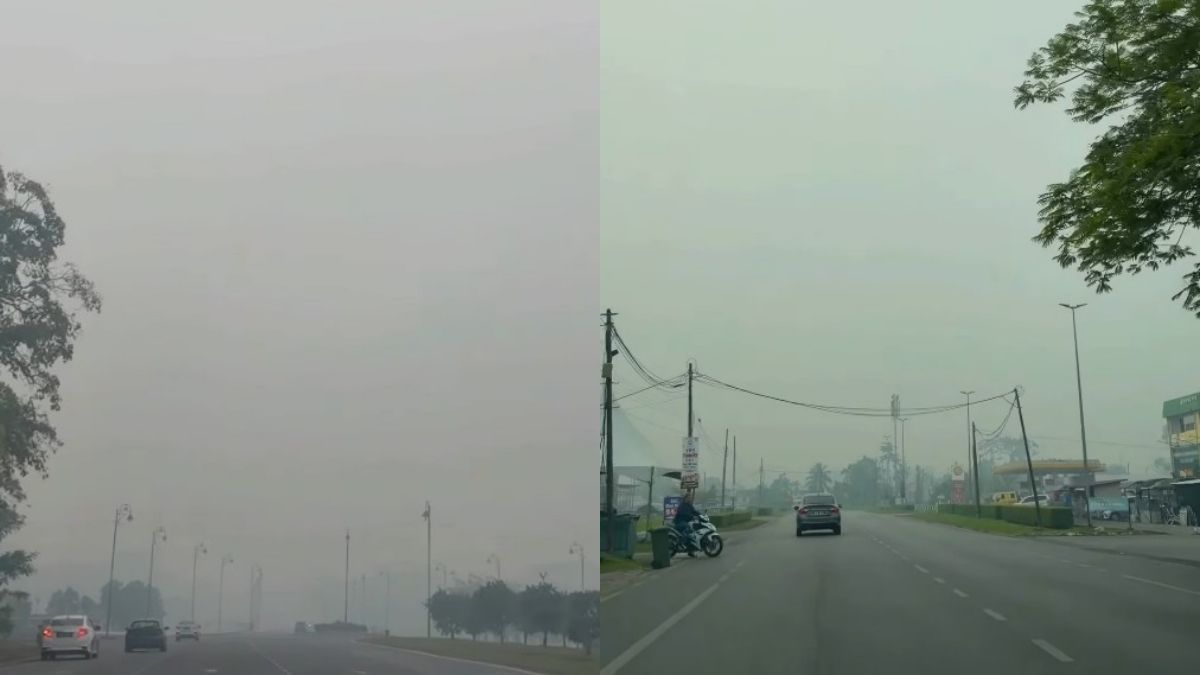
The fires have also disrupted transport and education. Haze has reduced visibility, affected flights and prompted school closures in parts of Malaysia. Singapore has also faced deteriorating air quality and issued public-health advisories.
Environmental groups question whether fire prevention is sufficient
Environmental organisations have called for stronger enforcement and longer-term restoration of degraded peatlands, which can continue smouldering underground even when surface fires appear to have diminished.
In a report published on 5 October, Reuters cited Pantau Gambut, an Indonesian peatland protection group, as saying that approximately 16 million hectares of the country's 24 million hectares of peatland had become more vulnerable to fires because of ecosystem damage, including deforestation and depleted water tables.
The group also said that only 3 per cent of peatland damaged by fires between 2015 and 2019 had been restored to forest.
Pantau Gambut warned that a reduction in detected hotspots should not be treated as the sole indicator of success because peat fires can persist underground and re-emerge.
The Forestry Ministry has said it remains on high alert and will continue efforts to contain fires, particularly those affecting peatlands.
Environmental groups have also called for investigations into companies whose concessions may be linked to fires, including businesses operated by Malaysian-based firms in Indonesia.
Such allegations require investigation and should be distinguished from findings by law-enforcement agencies or courts.
Government accountability extends beyond extinguishing fires
The two legal challenges raise separate questions about the government's responsibilities.
The civil lawsuit seeks accountability for the authorities' handling of the fires and their consequences for residents. The constitutional petition focuses on whether existing legislation provides sufficiently clear and enforceable standards for funding disaster prevention, response and recovery.
Both proceedings remain at preliminary stages. Neither court has established government liability in connection with the current fires.
Their progress will depend on the evidence and arguments presented, the responses of the defendants and the courts' subsequent decisions.
For communities affected by the haze, the issues extend beyond the immediate firefighting effort to include access to healthcare, disaster preparedness, environmental restoration and the prevention of recurring fires.
The next key dates are 21 October, when the Pontianak District Court is scheduled to resume the civil proceedings and the Constitutional Court's deadline for the revised budget petition falls.
The hearings could provide further information about the evidence presented by affected residents and the legal standards they want the government to meet. Until then, the allegations of negligence and inadequacy of disaster funding remain claims to be examined by the courts.