US imposes sweeping sanctions on ICC as Nobel laureate Navi Pillay calls move ‘unacceptable’
The US has imposed sweeping sanctions on the International Criminal Court (ICC), cutting it off from US financial services and the US dollar. Newly named Nobel Peace Prize laureate Navi Pillay called the move “unheard of” and “unacceptable”.
- The US has sanctioned the ICC as an institution, cutting it off from US financial services and dollars.
- Nobel Peace Prize laureate Navi Pillay called sanctions against judges “unheard of” and “unacceptable”.
- The ICC, the UN and eight countries, including the UK and Japan, condemned the US measures.

The US has imposed sweeping sanctions on the International Criminal Court (ICC), escalating a campaign by the Trump administration to dismantle the tribunal over its investigations into Americans and US allies, including Israel.
Secretary of State Marco Rubio announced the measures on Friday, 9 October 2026. They came hours after the Nobel committee named South African jurist and former ICC judge Navi Pillay as this year’s Nobel Peace Prize laureate.
Speaking a day later, Pillay described the sanctions as “unheard of” and “unacceptable”. The court said the measures amounted to an assault on the rule of law and the foundations of the international legal order.
Sanctions target the court as an institution
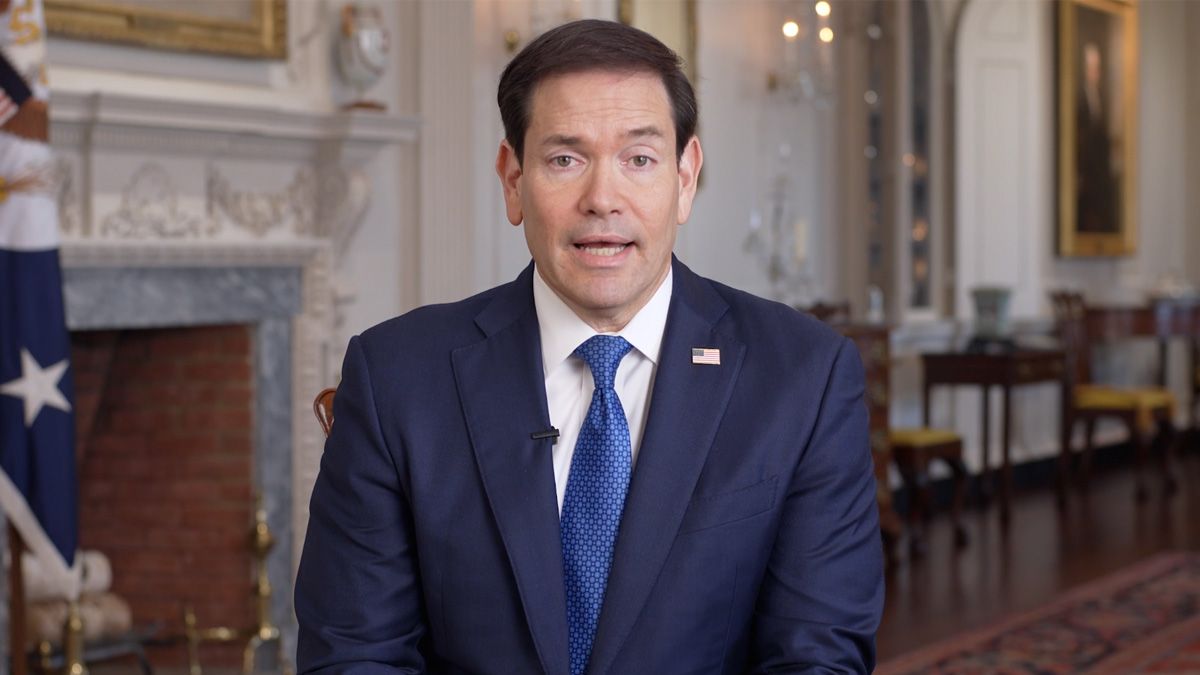
In a video address posted to social media, Rubio said Washington would ban transactions with what he called a “rogue court”. He said the move would cut off its resources and cripple “its ability to operate against us”.
“The United States and the American people are not subject to the jurisdiction of this fake ICC,” he said.
According to the Associated Press (AP), the measures cut the court off from US-based financial services and technology companies, and bar it from using US dollars.
US companies and individuals that do business with the court have been given six months to wind down those dealings.
The BBC reported that the US has already sanctioned 17 ICC judges and officials. The latest step goes further, targeting the court itself and aiming to restrict its ability to operate financially.
The six-month grace period means member states can continue funding the court’s operations in the interim. Washington has said the window is intended to give countries time to negotiate a “solution to address” its concerns.
Rubio said the sanctions were intended to “defend US sovereignty”, and accused the court of seeking to prosecute Americans.
Grievances behind the move
The Trump administration claims the ICC is run by what it calls globalists who threaten American sovereignty. It also believes the court has become politicised and has sought to unfairly prosecute Americans and Israelis on war crimes charges.
The administration has objected to a past ICC investigation into the conduct of US soldiers in Afghanistan, which has since been closed. It has also opposed arrest warrants issued for Israeli officials, including Prime Minister Benjamin Netanyahu.
However, according to the BBC, the new sanctions do not make the withdrawal of those warrants a condition for the measures to be lifted.
Rubio called on US allies to follow Washington’s lead. “If they do not, the United States will continue its campaign to dismantle the ICC, piece by piece, until Americans are threatened no longer,” he said.
Timing alongside the Nobel announcement
The sanctions were unveiled shortly after the Nobel Peace Prize announcement. President Donald Trump has long indicated he believes he should have received the prize, and several of his allies nominated him for it last year.
The AP noted, however, that the sanctions move had been in preparation long before the Nobel decision.
Trump expressed dissatisfaction with the committee’s choice, describing Pillay’s selection as “disgraceful and embarrassing” and “an indelible stain on the country of Norway”.
Pillay condemns sanctions on judges
Speaking via video link at an event at the Nobel Peace Center in Oslo on Saturday, 10 October 2026, Pillay said there was “so much tension and anxiety” over the continued existence of international courts.
She said this concern centred mainly on the ICC in The Hague.
“Most importantly, sanctions have been announced by one country against the judges, just for the judicial orders they issue. This is unheard of, unacceptable,” she said.
The Nobel committee awarded Pillay the prize “for her efforts to promote peace and international law”. It said her work had paved the way for a “more comprehensive global legal order”.
On the day of the announcement, Pillay was photographed at the Nuremberg Forum in Germany. She appeared alongside former ICC president Silvia Fernández de Gurmendi and Christoph Safferling, director of the International Academy of the Nuremberg Principles.
After receiving the prize, Pillay joked: “If you clap a little bit more I may share this prize with Trump.”
The remark referred to last year’s laureate, Venezuelan opposition figure María Corina Machado, who chose to give her prize to the US president.
ICC and UN respond
In a statement, the ICC said the sanctions were “an attempt to obstruct the course of justice and to prevent the court from doing what it was created to do”.
The court said the measures struck at “the simple principle that no one stands above the law”.
The AP observed that Rubio had appeared to embrace the themes of the rule of law and international order only two days earlier, in a speech delivered in front of the Acropolis in Athens.
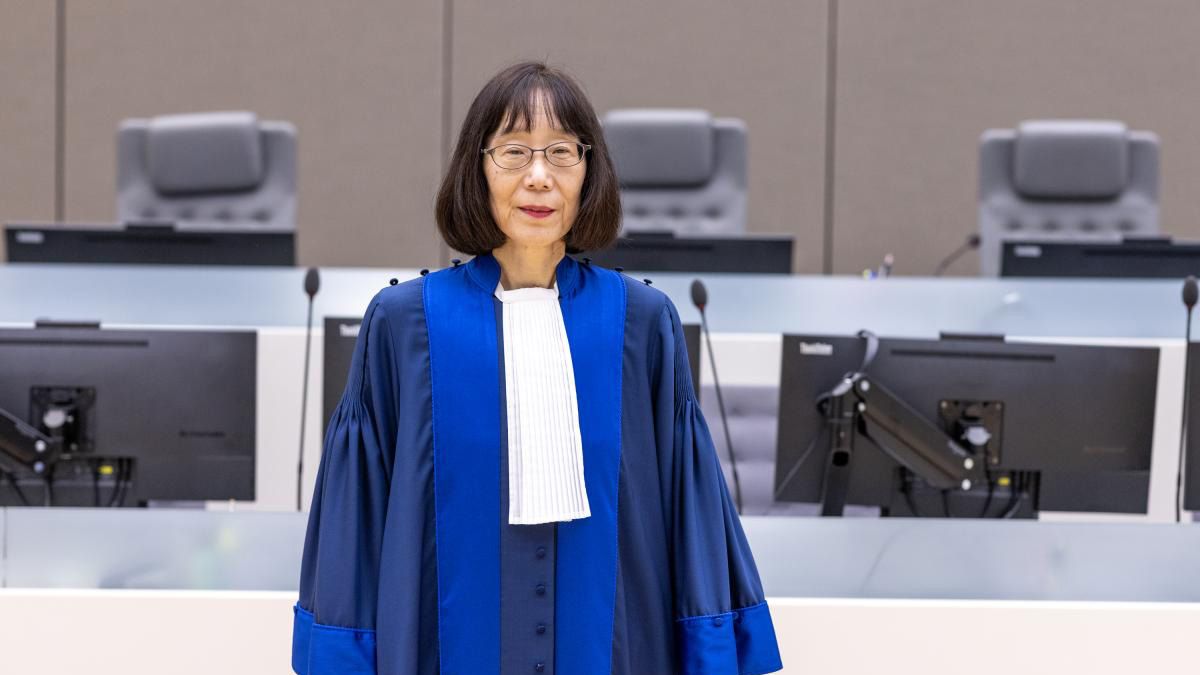
ICC President Tomoko Akane, a citizen of US ally Japan, said the court would “continue to fully discharge its mandate, with independence and impartiality, acting only on the basis of the law and the evidence”.
She said it would do so for the sake of the countless victims of grave crimes, and appealed to ICC member states for support.
“This is not just about defending a single institution, but about safeguarding the international order grounded upon the rule of law,” Akane said.
United Nations (UN) Secretary-General António Guterres described the US decision as “a serious blow to our collective pursuit of international criminal justice, of which the ICC is a key pillar”.
Allies and rights groups push back
Canada, Denmark, Germany, France, Italy, Japan, the Netherlands and the United Kingdom said in a joint statement that they “regret and strongly disagree with” the sanctions.
“We will continue to work together to support the court’s vital work, uphold the rules-based international system, and advance accountability,” the statement said.
The eight countries warned that, if put into effect, the sanctions would have a significant impact on the court’s work, its staff and their families.
The statement said those staff work every day to bring people accused of the most serious international crimes to justice and to support their victims.
Amnesty International also condemned the measures. Senior director Erika Guevara Rosas said: “This existential attack must fail. States must take concrete action to resist the imposition of these measures and actively protect the Court.”
Netherlands weighs EU blocking statute
The Netherlands, which hosts the court, has been preparing for the sanctions for weeks, the AP reported.
One option under consideration is the European Union (EU) blocking statute. It could protect European court staff by preventing European companies from complying with the US measures.
Dutch Foreign Minister Tom Berendsen has called the blocking statute the “nuclear option” for countering sanctions.
He said the Netherlands had been in talks with the European Commission to ensure the statute could be enacted quickly if it became necessary.
Withdrawals from the court
Several countries have left the ICC this year, including Venezuela and Chad.
The South Pacific island nation of Naoero is the most recent to announce its intention to withdraw.
Profile of the laureate
Pillay, 85, has previously served as UN human rights chief and as a judge at the ICC and other international courts.
She has taken part in high-profile work examining allegations of human rights violations, including in Rwanda, Myanmar and Gaza.
Her early legal career included defending anti-apartheid activists in South Africa.
She is the country’s fifth Nobel Peace Prize winner, following Nelson Mandela and Archbishop Desmond Tutu.