West Kalimantan residents sue Indonesian government over fires and haze
Residents and civil society groups in West Kalimantan have filed a class-action lawsuit against Indonesian government officials over forest and land fires, haze and their alleged health and economic impacts.
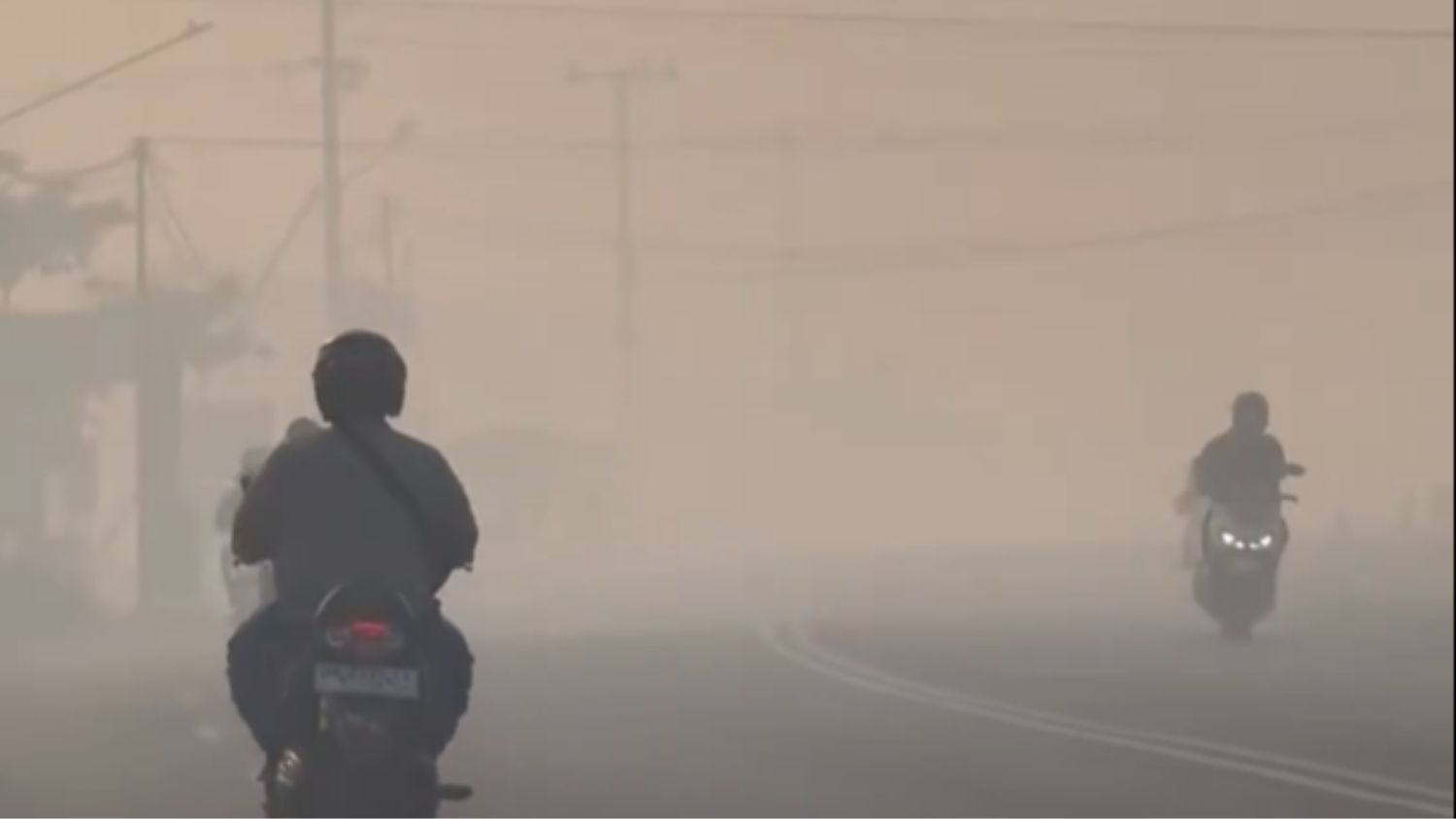
- West Kalimantan residents and civil society groups filed a class-action lawsuit over fires and resulting haze.
- The plaintiffs have named 10 defendants and 14 co-defendants, including national and provincial officials.
- The first hearing is scheduled for 7 October 2026 at Pontianak District Court.

Residents and civil society groups in Indonesia’s West Kalimantan province have filed a class-action lawsuit against the Indonesian government over the handling of forest and land fires and the resulting haze, as smoke from Kalimantan has also affected neighbouring Malaysia and Singapore.
The civil lawsuit was registered at the Pontianak District Court under case number 292/PDT.G/2026/PN Pontianak. The first hearing is scheduled for 7 October 2026, according to the legal team representing the plaintiffs.
The lawsuit was filed by the Nafas Kalimantan Barat Legal Team, acting under powers granted by civil society organisations and individuals, including the West Kalimantan chapter of the Alliance of Indigenous Peoples of the Archipelago (AMAN), the West Kalimantan Catholic Youth organisation and Perkumpulan Laman Bunyung Indonesia.
Government officials named as defendants
Gloria Sanen, coordinating lawyer for Nafas Kalbar, said the lawsuit represented residents affected by the fires and haze.
The plaintiffs have named 10 defendants, including the President of Indonesia, Vice-President, Ministry of Forestry, Ministry of Environment/BPLH, National Police chief, head of the National Disaster Management Agency (BNPB), health minister, finance minister, West Kalimantan governor and West Kalimantan police chief.
A further 14 institutions and officials have been named as co-defendants, including the Agrarian Affairs and Spatial Planning Ministry, the provincial environmental agency, the provincial disaster management agency and the regents and mayors of West Kalimantan.
The plaintiffs have also submitted an interim application asking the court to order immediate measures before the main case proceeds to the evidence stage.
Among their requests is for the government to declare the forest and land fires and haze in West Kalimantan a national disaster and for emergency funding to be allocated to the provincial and district governments.
They are also seeking immediate action on healthcare, peatland firefighting, weather modification operations and the distribution of logistical assistance to affected residents.
Plaintiffs cite health and transport impacts
The legal team says the haze has created what it describes as a public health emergency, citing increased cases of acute respiratory infections, deaths and disruption to education and air and river transport.
The plaintiffs also argue that the fires are a recurring and foreseeable problem and are seeking four broad remedies: faster disaster response and assistance to victims; transparent law enforcement and environmental audits; recovery of social, economic and health impacts; and comprehensive disaster mitigation measures.
These are allegations and requests made by the plaintiffs and will be considered through the court process.
Government has deployed firefighting operations
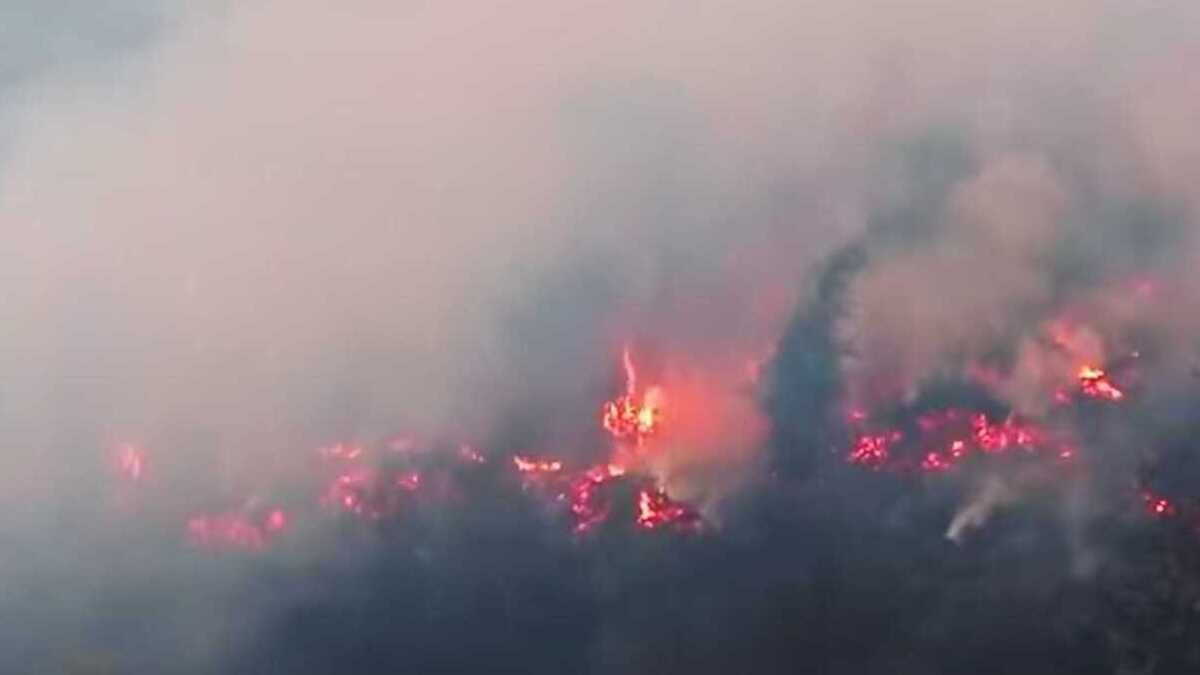
Indonesian authorities have reported extensive firefighting and weather-modification operations in West Kalimantan.
The Ministry of Forestry said on 4 September that five forestry concession holders in West Kalimantan had been given administrative sanctions following suspected fires in their concession areas.
The ministry said the sanctions included suspension of business permits and orders for environmental restoration.
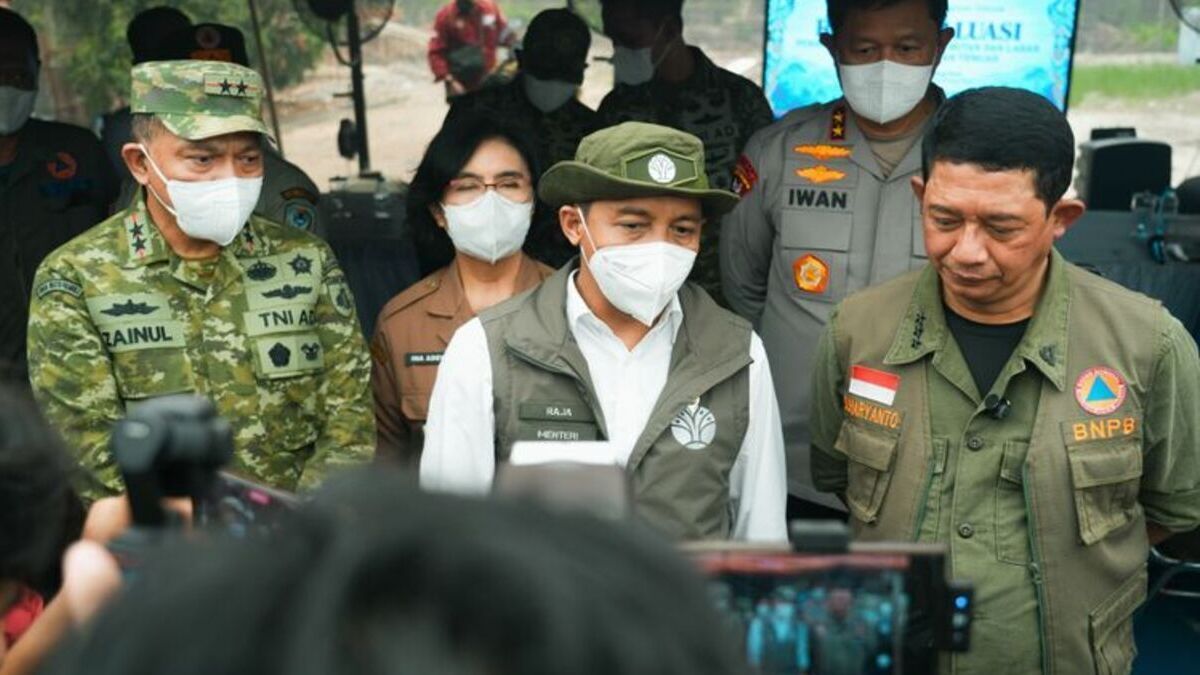
On the same day, BNPB chief Lt Gen Suharyanto said ground and aerial operations were being conducted in the province. The ministry reported an estimated 802.17 hectares of burned land at the time, of which ground teams had extinguished fires covering 429.90 hectares.
The government also conducted weather modification operations in West Kalimantan from 5 to 14 September, involving the Ministry of Forestry, the Meteorology, Climatology and Geophysics Agency (BMKG) and BNPB.
On 10 September, the ministry reported that high-confidence hotspots in West Kalimantan had fallen to 39 from 134 the previous day. It nevertheless said conditions remained dynamic and that firefighting and monitoring were continuing.
Haze reaches Malaysia and Singapore
The effects of the fires have extended beyond Indonesia.
Malaysia's Sarawak state has reported episodes of transboundary haze linked to smoke from fires in the region.
On 17 September, Sarawak Tourism, Creative Industry and Performing Arts Minister Dato Sri Abdul Karim Rahman Hamzah said transboundary haze needed to be addressed at federal level because it involved neighbouring countries.
He said intermittent haze had occurred in Sarawak during the year and could affect major international sporting events.
Earlier in September, haze affected activities in Sarawak. The Borneo Cultural Festival in Sibu was postponed by two days because of worsening air quality, while several events at the Meradong Festival were cancelled or postponed after the local air pollution index reached 346 on 1 September, according to Sarawak's government communications office.
Sarawak health authorities also reported increased respiratory illness during the haze period. Deputy Health Minister Dato Hanifah Hajar Taib said surveillance at 15 sentinel health facilities showed average weekly upper respiratory tract infection cases rising from about 1,717 earlier in the year to 1,752 in the recent period.
Singapore has also recorded smoke originating from Kalimantan. On 18 September, Singapore's National Environment Agency said smoke plumes from fires in Kalimantan were observed drifting towards Singapore.
Dry conditions were expected to continue over southern Sumatra and Kalimantan, with winds forecast from the east-south-east or south-east, creating a risk of further smoke haze.
On 17 September, the NEA recorded a 24-hour Pollutant Standards Index of 66–93, in the Moderate range, while reporting smoke plumes over south-western Kalimantan.
The cross-border effects have therefore made the West Kalimantan fires a regional issue, with authorities in Indonesia continuing firefighting operations while neighbouring Malaysia and Singapore monitor air quality and the movement of smoke.
The class-action case will now proceed through the Pontianak District Court, with its first hearing scheduled for 7 October 2026.