Vanuatu mourns as MV Matui death toll rises to two
Vanuatu is mourning after the MV Matui sank in rough seas, leaving two confirmed dead and up to 30 people missing amid questions over warnings and rescue coordination.
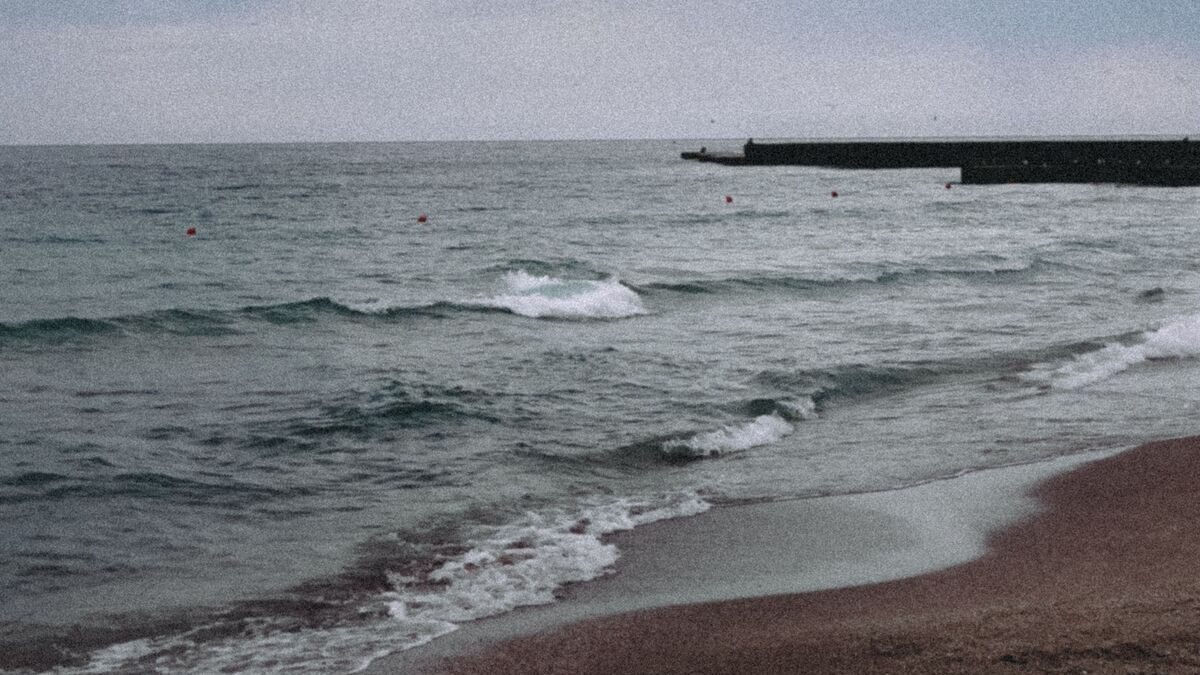
- VMGD issued marine warnings from Tuesday before the MV Matui sank on Friday.
- More than 30 people remain missing after the ferry sank between Ambae and Santo.
- Vanuatu's meteorological chief has called for stricter, vessel-specific rules linked to weather conditions.

Vanuatu is mourning following one of the country's deadliest maritime incidents after the inter-island ferry MV Matui sank in rough seas in the country's north on Friday.
Authorities say up to 30 people remain missing. Fifteen people have been rescued and the number of confirmed fatalities has risen to two.
The disaster has also raised questions about how weather warnings are translated into action, after Vanuatu's top meteorologist said warnings about dangerous marine conditions had been issued days before the ferry sank.
Levu Antfalo, director of the Vanuatu Meteorology and Geo-Hazards Department (VMGD), said his agency could forecast dangerous conditions and warn the public, but it had no authority to prevent vessels from sailing.
"The warnings came out earlier, so we pushed out the warnings on Tuesday. So there was good lead time for them to see the message and act upon it," Antfalo told Radio New Zealand.
"But this is how much we can do. We can only put out the information. To stop the vessels going out, that's not our mandate."
Marine warning issued on Friday
VMGD issued a marine strong wind warning at 5am on Friday covering Vanuatu's coastal waters.
It forecast south-easterly winds of 26 to 30 knots and very rough seas of up to three metres in northern waters. Elsewhere, south-easterly winds of 21 to 25 knots and rough seas of up to 2.5 metres were forecast.
The warning urged sea travellers and mariners to take safety precautions and said the conditions could be hazardous to small boats and vessels.
Antfalo said the warnings provided vessel operators with information to assess whether their particular boat could safely operate in the forecast conditions.
A larger vessel might be able to withstand conditions that could be dangerous for a smaller vessel, he said. The final decision on whether to sail, however, rests with operators and relevant authorities.
Antfalo said the disaster should prompt consideration of a system linking marine warnings directly to different categories of vessels, with regulations determining which boats could operate under particular conditions.
He said stronger restrictions could prevent vessels from sailing when conditions posed a danger to passengers and crews.
Conflicting reports delayed rescue
ABC reporter Lillyrose Welwel, reporting from Vanuatu, said conflicting information about the status of the ferry delayed the rescue response.
"After that was when the search began," she said, referring to the moment the first survivor swam to shore.
Local residents then joined the operation using banana boats and fishing vessels, despite rough seas continuing during the rescue effort.
Official search operations have since continued in waters around northern Vanuatu, with authorities also examining coastal areas where currents may have carried survivors.
The number of people aboard the ferry has varied in early reports, with the Associated Press previously reporting 47 people. Earlier official updates said 15 survivors had been rescued and one body recovered.
The government has said strong winds and marine warnings not being heeded may have contributed to the disaster. It has also raised possible negligence, including overloading, but an investigation will be required to establish the cause.
Maritime authority moved to prime minister's office
Prime Minister Jotham Napat has transferred responsibility for the Vanuatu Maritime Safety Authority from the Ministry of Fisheries, Ocean and Maritime Affairs to his office, according to RNZ.
A government spokesperson said Napat wanted the authority under his direct oversight until the situation was under control and a full investigation into the MV Matui sinking had been completed.
Antfalo said a national investigation would be needed to determine what happened and identify lessons for Vanuatu.
Disaster coincides with Pacific meteorological meeting
The sinking has occurred as meteorological leaders from across the Pacific meet in Tonga for the eighth Pacific Meteorological Council Meeting.
The meeting, held from 10 to 14 September, is discussing forecasting, warning systems, climate services and communication with communities and agencies responsible for acting on weather information.
Antfalo said stronger cooperation was needed between VMGD, maritime authorities, disaster management agencies and search-and-rescue services.
He said the issue could also be raised at the Pacific Ministerial Meeting on Meteorology following the technical meeting.
"When there's a warning, there's uncertainty in terms of wave height changes," Antfalo said. "So, if there's a warning, I would prefer for those marine vessels to take heed of those warnings."
He said meteorological services could provide scientific assessments of wind and wave conditions, but safety also depended on how other authorities and vessel operators acted on that information.