Trump pledges US$5,000 "Trump Dividend" to every adult if Republicans win midterms
President Donald Trump has promised every adult American citizen US$5,000 if Republicans keep control of Congress in November, a pledge estimated to cost more than US$1 trillion that would require congressional approval.
- Trump promises US$5,000 to every adult citizen if Republicans win both chambers of Congress.
- The payout would likely cost over US$1 trillion and require congressional approval.
- Budget experts warn the US has deficits, not surpluses, to distribute.

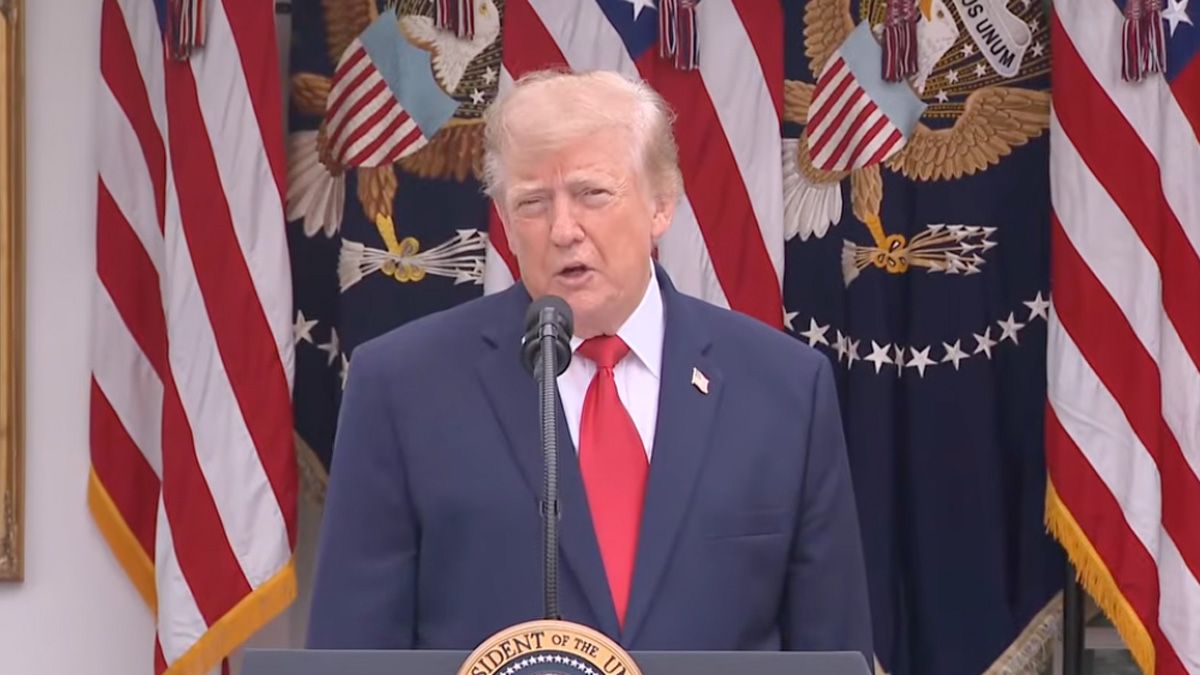
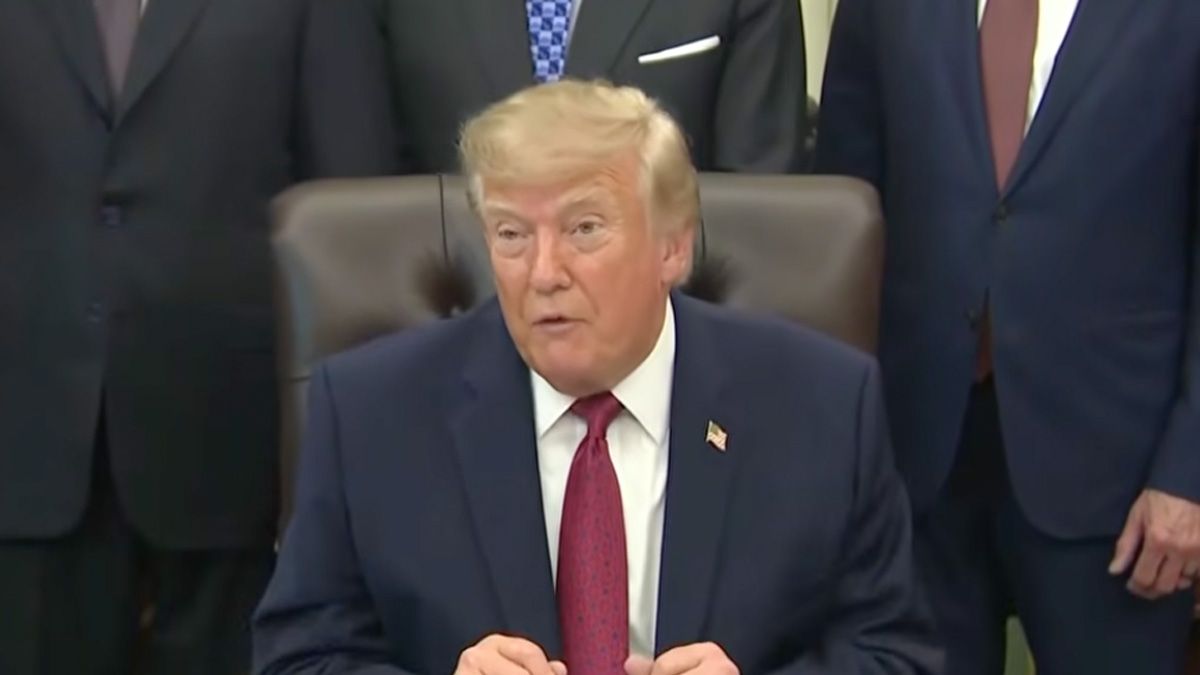
United States President Donald Trump pledged on Wednesday, 9 September 2026, to send every adult American citizen US$5,000 if the Republican Party retains control of both the House of Representatives and the Senate in November's midterm elections.
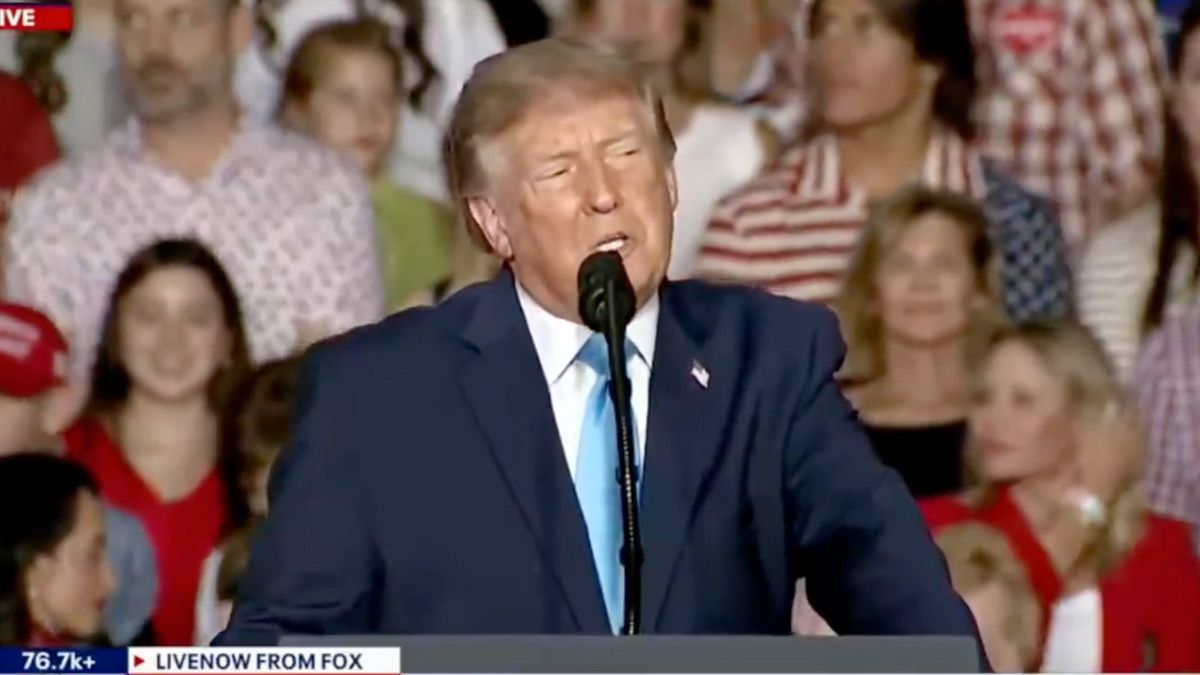
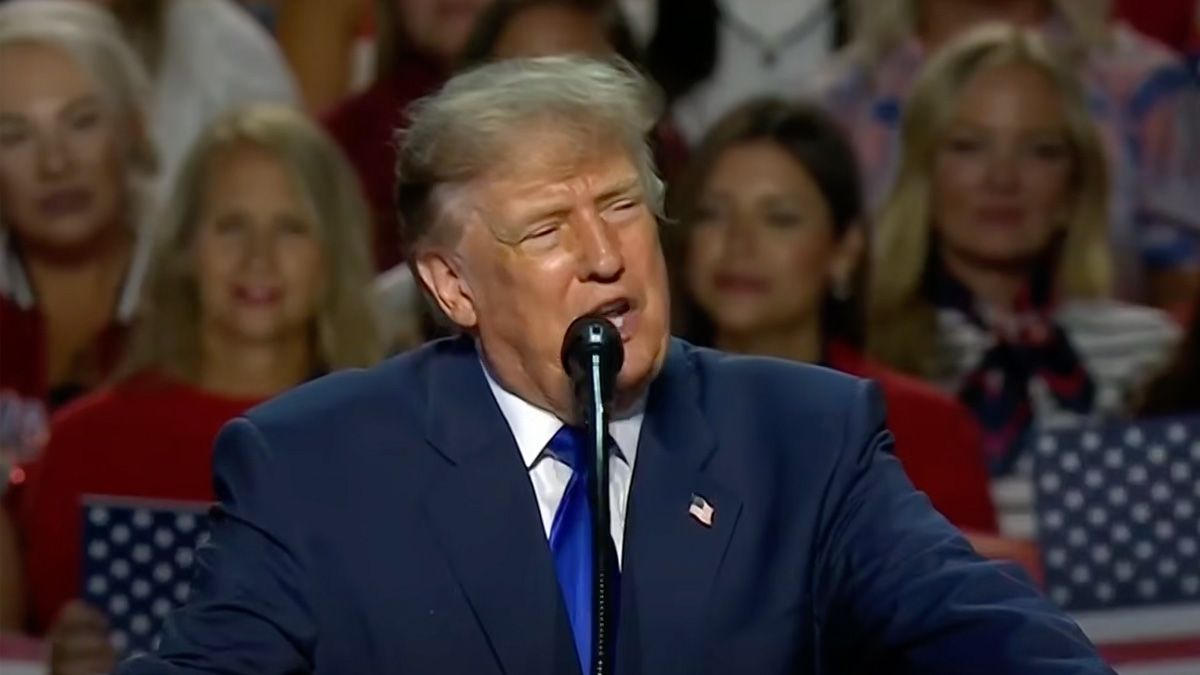
Speaking at the Republican Party's (GOP) midterm convention in Dallas, President Trump said the payment would be called the "Trump Dividend". The Associated Press (AP) described the pledge as an extraordinary gambit to reverse the party's sagging electoral fortunes.
According to reports by AP and CNBC, the payout would most likely cost more than US$1 trillion. It would require congressional approval and could further worsen the country's budget deficit and existing concerns about inflation.
The pledge at the Dallas convention
"Here is my promise: if the Republicans win the House of Representatives and the United States Senate, both of them…" President Trump told the crowd, according to CNBC.
He continued: "…because of our tremendous strength and success economically, I will issue a dividend to every adult citizen in the United States of America for $5,000."
"If the Republicans win, you win with us and you get $5,000," he said, as reported by AP. "It will be called the Trump Dividend."
President Trump likened the payments to a corporation's distributions to its shareholders. He also urged supporters: "I'm asking you to pretend that I'm on the ballot."
He has frequently lamented that, in the modern era, the president's party almost always loses congressional seats in midterm elections. AP reported that he has sought unorthodox ways to defy the trend, including this week's convention.
"We're going to change that," President Trump said. "There's no reason for it."
Vance's response and congressional reaction
Within an hour, Vice-President JD Vance appeared to try to walk back the proposal, at least in part, according to AP. He suggested the dividend payments would not go to wealthy Americans.
Vice-President Vance also suggested the payments could be funded by US tariff revenues. However, AP noted that the proposed sum dwarfs what the US has collected through the protectionist measures.
AP reported that the total would far exceed US tariff revenues even before the Supreme Court struck down much of the president's tariff programme.
AP said the White House did not respond to a message seeking details. CNBC said it had contacted the White House for clarification on the legal implications of the proposal.
Republican Senator Bernie Moreno of Ohio wrote on X late on Wednesday: "I will get a bill ready so that we can get the Trump Dividend passed immediately after the November 3rd election."
"Because Republicans (and America) will win!" Senator Moreno added.
Fiscal pressures
CNBC reported that the potential payout compares with the US$1.27 trillion the federal government has already spent on interest on the national debt in the fiscal year to date.
It also compares with the US$1.36 trillion committed to defence spending in 2026, according to CNBC.
The US deficit, which arises when federal spending exceeds revenue, is nearing US$1.8 trillion for the fiscal year to date. The government spent more than US$6 trillion between October and July, placing the deficit at around 5.8 per cent of gross domestic product (GDP).
According to CNBC, US government borrowing costs have risen sharply in recent weeks. This has come amid concerns about sticky inflation, government Treasury buybacks and elevated national debt.
National debt stood at 122.6 per cent of GDP in the first quarter of the year, CNBC reported. AP noted that the national debt topped US$40 trillion for the first time in August 2026.
Marc Goldwein, Senior Policy Director at the Committee for a Responsible Federal Budget (CRFB), a Washington-based think tank, said President Trump has no authority to send money to Americans without approval from Congress.
Goldwein added that companies pay dividends when they have a surplus, whereas the US is running annual deficits of US$2 trillion and carries US$40 trillion in debt.
"The idea that we've had fiscal success is backwards and bordering on laughable," Goldwein said. "We don't have surpluses to give away."
Legal questions
CNBC reported that the proposal may face legal obstacles. Under US federal law, offering or making a payment to induce someone to vote, withhold their vote, or vote for or against a candidate is a criminal offence.
Such an offence is punishable by a fine, up to one year in prison, or both. A wilful violation can carry up to two years' imprisonment, according to CNBC.
However, New Mexico-based attorney John Day told AP the proposal would be legal because the payment would go to everyone, regardless of how they voted or whether they voted at all.
"This is a campaign promise," Day said. "It's not a payment to individuals to try to get them to vote in a particular way."
Comparison with Musk's Wisconsin payments
AP noted that the move was reminiscent of billionaire Elon Musk's efforts in the 2025 Wisconsin Supreme Court race, where he handed out US$1 million cheques to voters.
According to CNBC, a bipartisan panel found in July 2026 that Musk likely broke state law by giving the cheques to voters in that election.
The Wisconsin Elections Commission referred two complaints to the Brown County district attorney's office. CNBC said this paved the way for prosecutors to decide whether to charge Musk.
Musk had spent millions backing Republican candidate Brad Schimel in an effort to flip majority control of the court. Schimel ultimately lost to Democrat-backed candidate Susan Crawford.
Previous payment promises
President Trump has discussed such payments before but had never tied them to his party's electoral fortunes, AP reported. Several previously promised payments have yet to materialise, according to CNBC.
Early in his second term, President Trump backed the idea of a US$5,000 "DOGE dividend". It was intended to distribute savings from cuts made by the now-defunct Department of Government Efficiency (DOGE), then led by Musk, but never materialised.
His proposed "tariff rebate", a US$2,000 payout funded by tariff revenue, has also failed to materialise. CNBC reported that the idea unravelled when the Supreme Court ruled the tariff regime illegal.
AP reported that earlier this year, President Trump proposed a US$2,000 dividend and said he did not think he needed approval from Congress.
Last year, he gave members of the military a US$1,776 cheque, which he called a "warrior dividend".
A US$5,000 cheque would give each American more money than they received in direct government payments under COVID-19 relief measures during President Trump's first term, according to AP.
During the pandemic, the first Trump administration and the Biden administration spent trillions of dollars on cheques to households to stimulate the economy. CNBC noted that some experts have argued this may have fuelled a subsequent surge in inflation.
Midterm outlook
Americans will vote in the midterm elections on 3 November 2026. CNBC reported that the Democrats are currently projected to win control of the House of Representatives.
Such a result would likely create barriers to President Trump's legislative agenda. It would also signal public opinion on his policy mix during his second term, according to CNBC.
AP reported that Republicans are on the defensive as they seek to protect a narrow House majority against strong headwinds, noting that President Trump is unpopular and that Americans overwhelmingly oppose the war in Iran.
Even the Senate, which Republicans were once well positioned to keep, is now up for grabs, according to AP.