Trump threatens to halt trade with deficit nations unless Fed cuts rates
President Donald Trump has threatened to stop the United States trading with countries that run surpluses against it unless the Federal Reserve lowers interest rates, hours after a stronger-than-expected August jobs report pushed market bets towards a rate hike at the central bank's meeting on 15 and 16 September 2026.
- Trump threatens to end trade with deficit partners unless the Federal Reserve lowers rates.
- August payrolls rose 162,000, roughly triple forecasts, lifting September hike odds to 60 per cent.
- Inflation at 3.4 per cent, driven by fuel costs tied to Strait of Hormuz disruption.

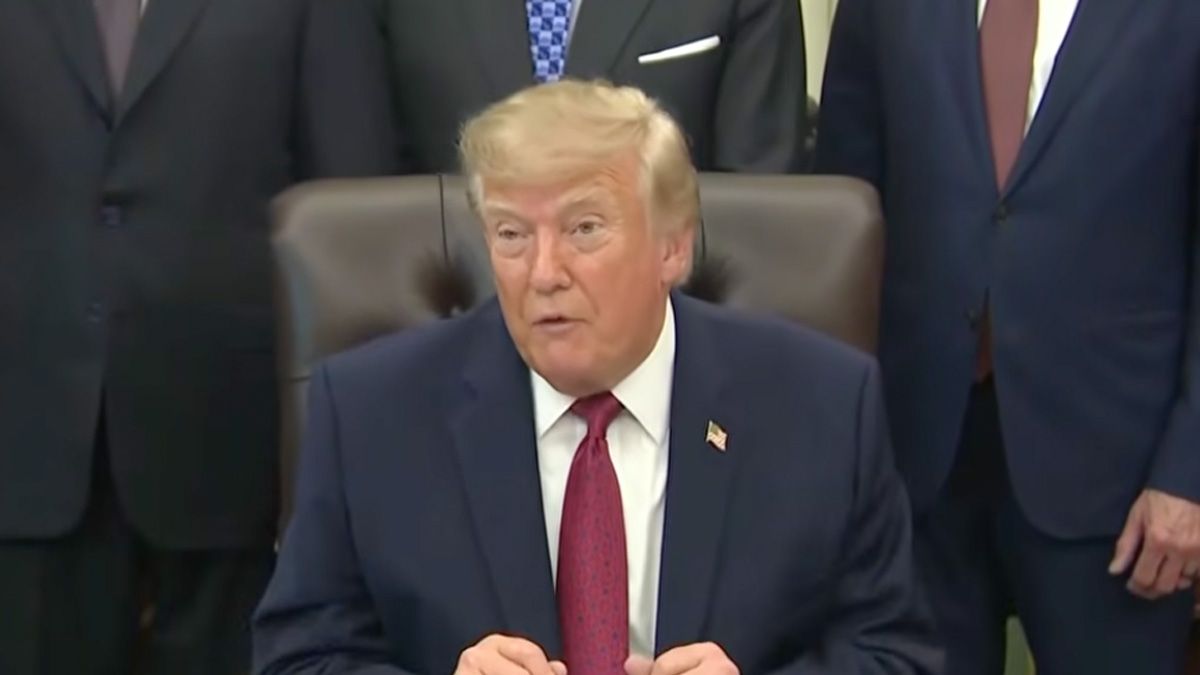
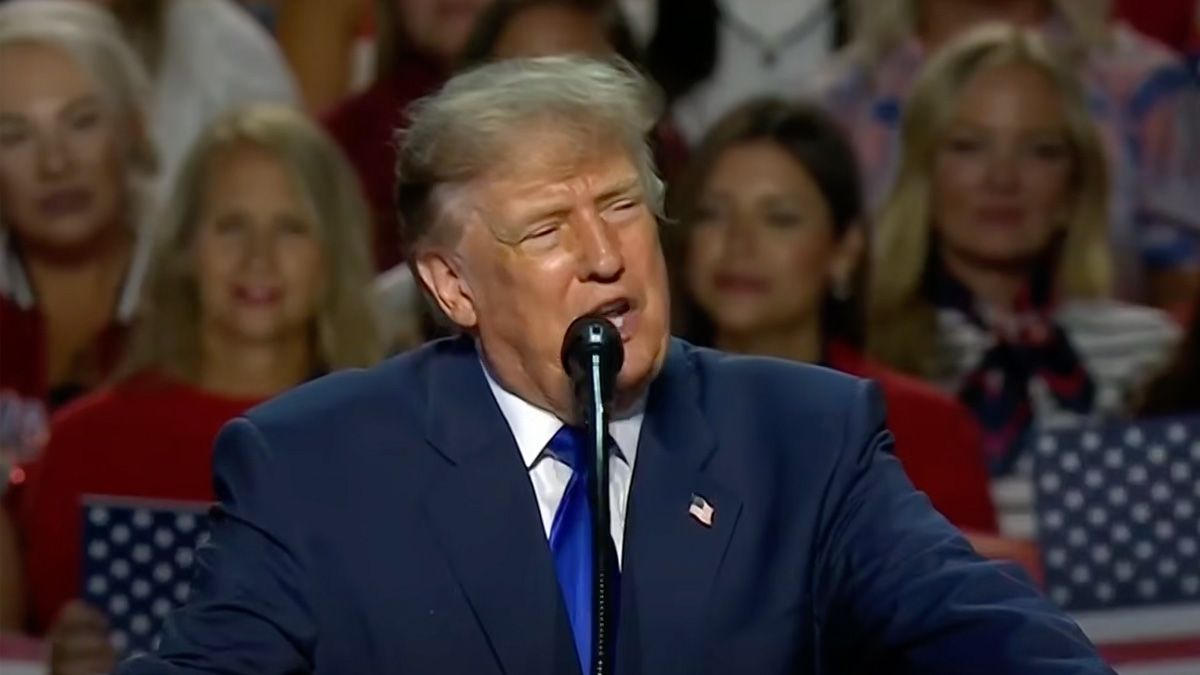
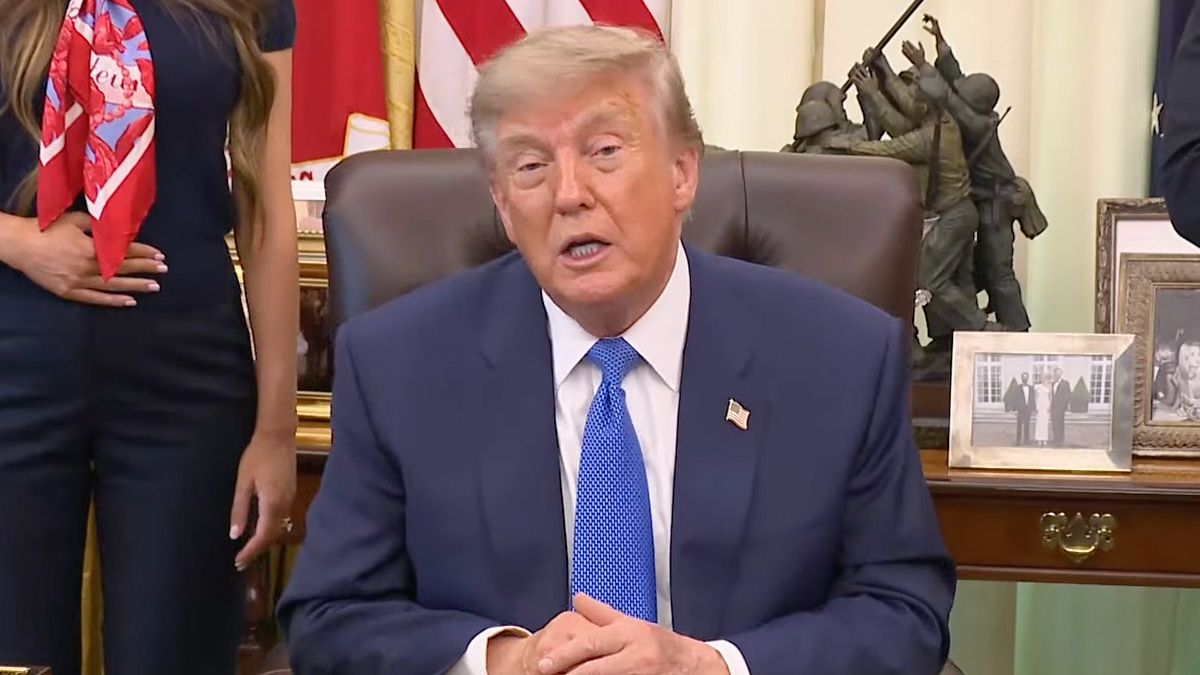
US President Donald Trump threatened on Friday, 4 September 2026, to bar the United States from trading with numerous countries unless the Federal Reserve lowers interest rates.
Writing on Truth Social, Trump said he would stop trading with countries with which the United States runs a deficit if the central bank did not act. He described the option as better than tariffs.
He said the US Supreme Court had acknowledged in what he called a costly tariff decision that the president holds an absolute right to take such action. He added that the Fed Board and its new leader must "get smart".
In a separate passage of the same message, Trump said the United States should have the lowest rate of any country in the world, describing high rates as an unfair disadvantage that he would not allow.
A trade deficit occurs when a country imports more than it exports. Federal trade data show the United States ran its largest bilateral deficit last year with China, at more than US$200 billion, followed by Mexico and Vietnam.
Across all trading partners, the overall United States goods and services deficit reached US$1.2 trillion last year.
The Federal Reserve declined to comment on the president's post.

A jobs report that shifted expectations
Trump's threat came shortly after the release of August employment figures that surprised forecasters. Employers added 162,000 roles during the month.
Analysts had projected around 56,000, meaning the outturn was close to triple expectations. Hiring in hospitality and in local government education ahead of the new school year drove the rebound.
The Bureau of Labor Statistics also revised earlier summer figures upwards. July, initially recorded as a loss of 23,000 positions, was subsequently estimated to have produced a gain of 44,000.
Despite the stronger hiring, the unemployment rate held at 4.1 per cent, with seven million people out of work. Both measures have moved little over the past year.
Average hourly earnings stood at US$37.75 in August, up 3.1 per cent over twelve months.
Market bets move towards a hike
Following the report's release at 8.30am Eastern Time, the probability that traders assigned to a rate increase at the coming meeting rose to 60 per cent, from 49 per cent the previous day, according to CME Group's FedWatch data.
United States stock indices traded lower on Friday as those expectations firmed. Trump called the market reaction "crazy", arguing that strong jobs numbers should push equities higher.
He said markets had for 25 years operated under what he described as a false reality in which good news is punished because of fear of inflation.
Stephen Brown, chief North America economist at Capital Economics, said even the most committed dove would struggle to find justification in the August report for leaving rates unchanged.
Brown added that labour market strength meant next week's inflation figures would only need to come in moderately above target to reinforce expectations of a September increase.
Neil Birrell, chief investment officer at investment firm Premier Miton, said a rate rise had become somewhat more likely.
Divided signals inside the central bank
Fed officials have offered mixed guidance ahead of the two-day policy meeting beginning on 15 September 2026. Rates were held between 3.5 and 3.75 per cent in July, the fifth consecutive pause.
Chairman Kevin Warsh signalled last week that he is open to raising rates should inflation remain elevated. Speaking at the Fed's annual Jackson Hole symposium, he said policymakers must be confident that underlying inflation is moving to target clearly and at sufficient speed.
Fed Governor Michael Barr said this week that he is prepared to vote for an increase soon if incoming data show no progress towards the 2 per cent objective.
Fed Governor Chris Waller indicated he is willing to wait longer to observe how the economy develops, while stating he would support a hike if inflation does not eventually slow.
That divergence has placed unusual weight on the Consumer Price Index report for August, due next Friday.
Inflation, oil and the Hormuz factor
Annual inflation has risen by a full percentage point to 3.4 per cent since July, measured against the period before the war with Iran began in February.
The increase has stemmed principally from a sharp rise in fuel prices, with oil tankers largely unable to transit the Strait of Hormuz. Higher freight costs have followed, and numerous companies have signalled forthcoming price increases.
Diesel reached an all-time average high of US$5.85 a gallon on Friday, compared with US$3.71 a year earlier.
Economists note that acting on the trade threat could add further upward pressure on prices. That outcome would depend on whether American businesses could rapidly source alternative suppliers, which in many categories would be difficult or impossible.
A continuing pressure campaign
Friday's post was not the president's only intervention this week. Speaking to reporters in the Oval Office on Monday, Trump described discussion of raising rates as ridiculous, arguing that growth does not cause inflation.
Trump said on Friday that he speaks with Warsh, whom he selected to replace Jerome Powell after repeatedly pressing the former chair to cut rates. It was not clear whether the two spoke after the jobs report was published.
The exchange forms part of a longer campaign. Trump previously attempted to remove Fed Governor Lisa Cook over unproven allegations of mortgage fraud. The Supreme Court ruled he lacked the authority to do so. Cook has not been charged with any wrongdoing.
The Justice Department also opened a criminal investigation last year into Powell's handling of the central bank's multibillion-dollar renovation project during his tenure as chair. That investigation was later dropped, removing an obstacle to Warsh's Senate confirmation.