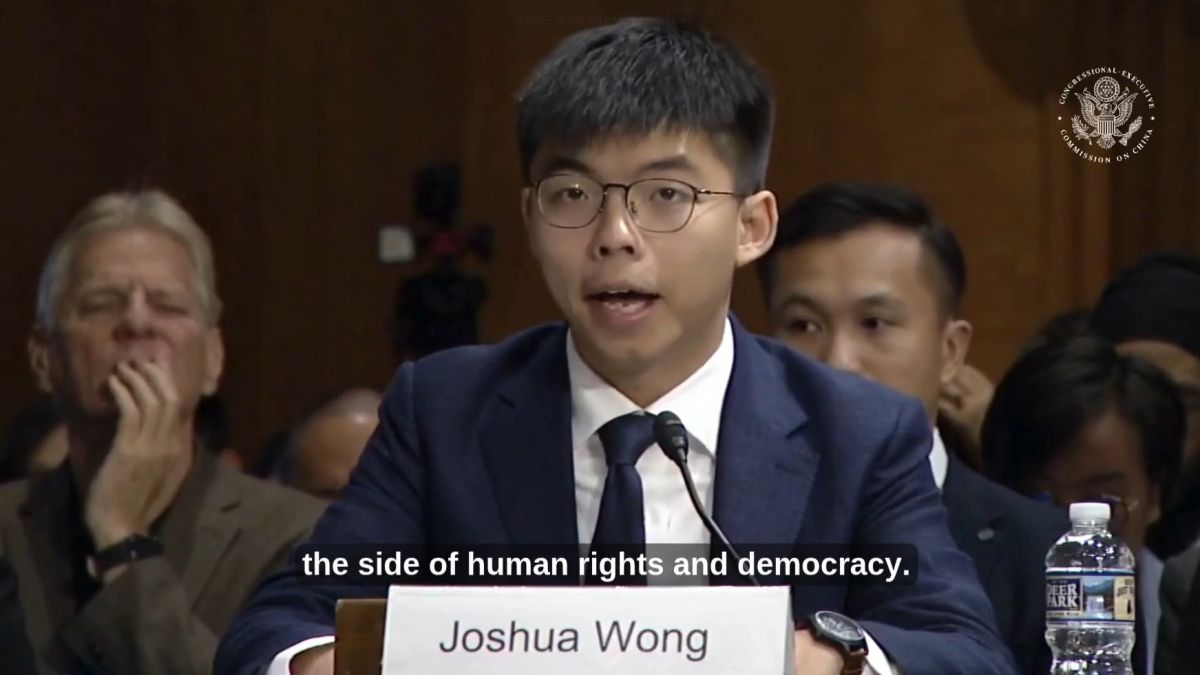
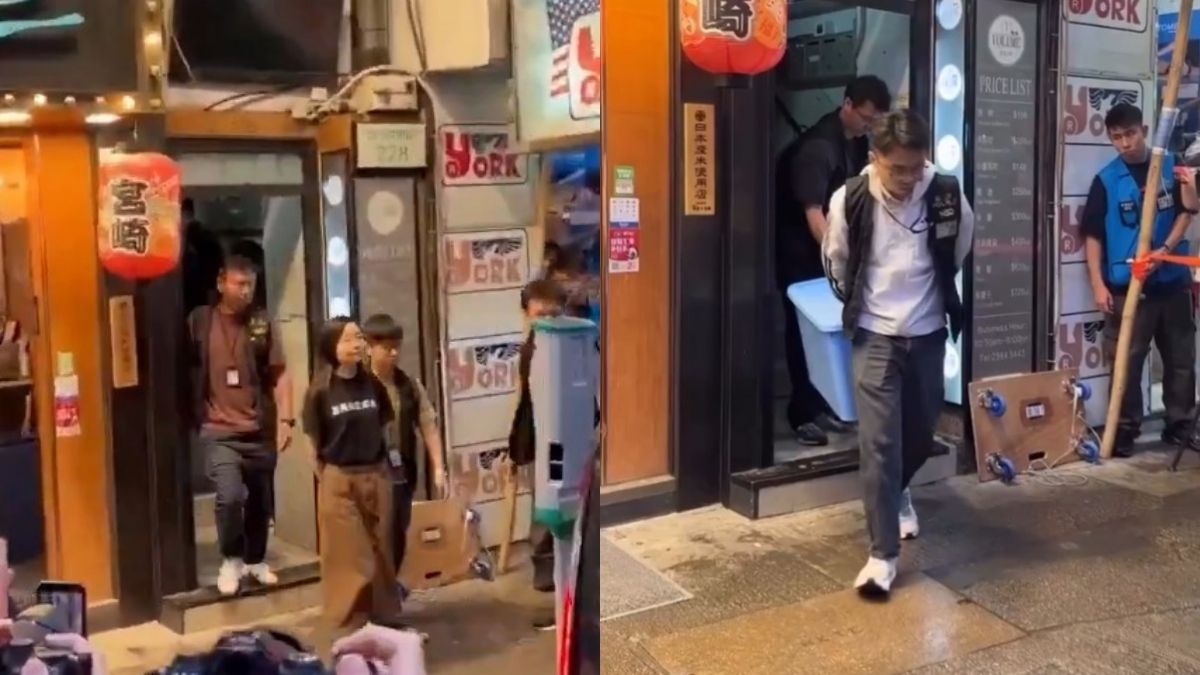
Former Hong Kong opposition leader Wu Chi-wai enters UK after Heathrow detention during asylum bid
Former Hong Kong opposition leader Wu Chi-wai has entered the UK after being detained for about 10 hours at Heathrow Airport, where he was initially told he faced deportation. UK authorities later allowed him temporary admission, with officials describing the issue as an administrative matter.
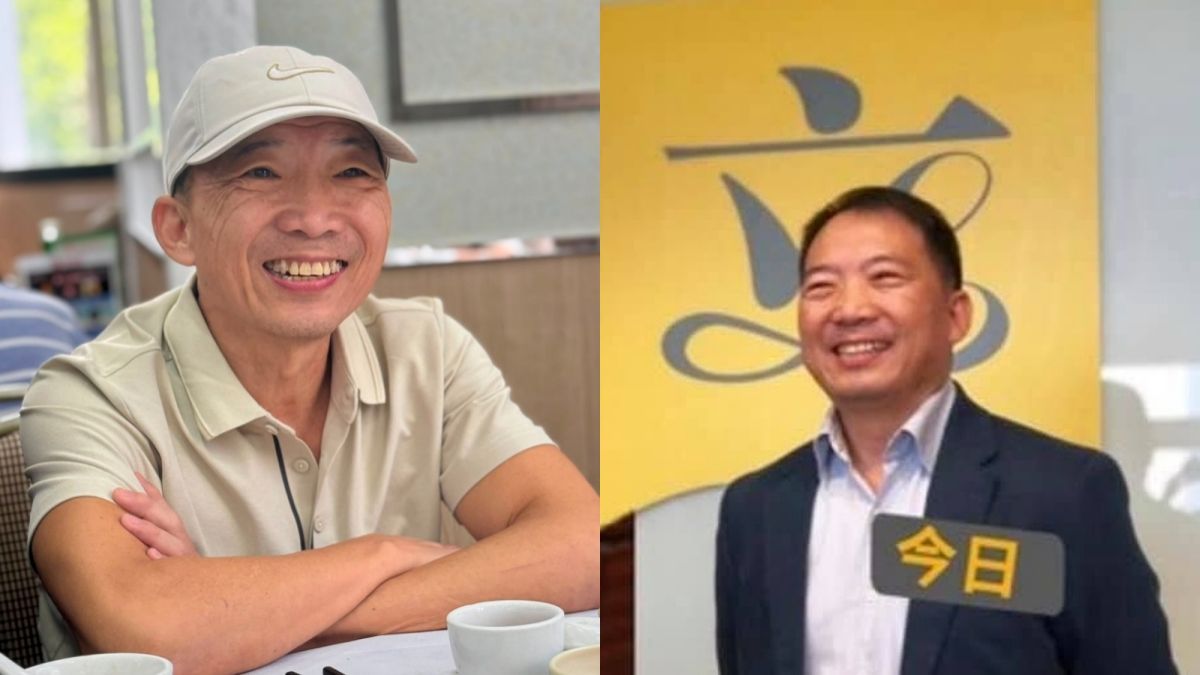
- Wu Chi-wai entered the UK after a 10-hour detention at Heathrow linked to an administrative paperwork issue.
- The former Democratic Party chair was released from prison on 30 June 2026 after serving a sentence in the Hong Kong 47 case.
- Rights group Hong Kong Watch has urged the UK government to explain the incident and ensure similar cases do not recur.

Former Hong Kong opposition leader Wu Chi-wai has entered the United Kingdom after being detained for around 10 hours at Heathrow Airport, where he was initially informed he would be deported, according to media reports.
The Times first reported on 23 July 2026, citing friends of Wu, that the 63-year-old had travelled to Britain to seek asylum after his release from prison last month. Hong Kong media later reported separately that he was ultimately granted entry following the lengthy border detention.
Travelling on a British National (Overseas) (BN(O)) passport, Wu was stopped by immigration officers on arrival at Heathrow, according to The Times, which cited Paul Harris, a former chair of the Hong Kong Bar Association.
Harris said the immigration officer informed Wu that his passport would be confiscated and that he would be deported to Hong Kong within seven days.
"The Government remains steadfast in its support for members of the Hong Kong community in the UK. We do not routinely comment on individual cases," a Home Office spokesperson told Hong Kong Free Press (HKFP).
HKFP, citing sources familiar with the matter, reported that the delay stemmed from an administrative issue relating to Wu's paperwork rather than his political background or legal status in Hong Kong.
Wu was later allowed to enter the UK under temporary admission while his case remains under review.
Seeking residence through BN(O) route
Wu was reportedly seeking to obtain UK residence through the BN(O) visa scheme introduced in 2021. The programme provides eligible BN(O) passport holders from Hong Kong with a pathway to permanent settlement after five years, compared with the standard 10-year route available to most migrants.
According to The Times, BN(O) passport holders may also apply for asylum after arriving in the UK rather than from overseas.
Wu was released from prison on 30 June 2026 after serving four years and five months for conspiracy to commit subversion. He became the 20th defendant in the landmark "Hong Kong 47" national security case to complete a prison sentence.
Background to the Hong Kong 47 case
The case centred on an unofficial primary election organised by Hong Kong's opposition camp in July 2020 to select candidates for Legislative Council elections.
Prosecutors argued that the organisers intended to secure a legislative majority and then use their powers to repeatedly veto government budgets in an effort to force the Chief Executive to resign.
Judges ruled that the plan would have created a constitutional crisis and amounted to conspiracy to commit subversion under the Beijing-imposed National Security Law.
Of the 47 people charged, 45 were convicted while two were acquitted.
Legal scholar Benny Tai received the longest sentence of 10 years' imprisonment.
Wu, a former social worker, served as a Legislative Councillor for eight years and became chair of the Democratic Party in 2016.
He pleaded guilty after being charged in the case and served his full sentence before his release.
National security laws reshape Hong Kong
Beijing imposed Hong Kong's National Security Law on 30 June 2020 following a year of anti-government protests.
The legislation criminalised secession, subversion, terrorism and collusion with foreign forces, while granting authorities broad investigative and enforcement powers.
In March 2024, Hong Kong enacted the Safeguarding National Security Ordinance, also known as Article 23, introducing additional offences including treason, insurrection and sedition.
The Hong Kong and Beijing authorities say the legislation restored stability following the 2019 unrest and is necessary to safeguard national security.
However, the laws have drawn sustained criticism from foreign governments, the United Nations and human rights organisations, which argue they have significantly curtailed civil liberties and political freedoms.
Hong Kong Watch raises concerns
Rights organisation Hong Kong Watch expressed concern over Wu's treatment at Heathrow, saying he had initially been refused entry before later being granted temporary admission.
The organisation said Wu had travelled to Britain after being advised by the British Consulate in Hong Kong that he could apply for a BN(O) visa from within the UK.
Hong Kong Watch said the Home Office had described the incident as an administrative paperwork issue but called for an explanation of how the error occurred.
Policy Director Megan Khoo said Wu deserved "safety, dignity, and the chance to continue speaking for the people of Hong Kong from British soil" after serving more than four years in prison.
Lord Alton of Liverpool, patron of Hong Kong Watch and chair of the UK Parliament's Joint Committee on Human Rights, also called on the government to explain the circumstances surrounding Wu's detention.
Wider migration to Britain
The UK issued hundreds of thousands of BN(O) passports to Hong Kong residents before the territory's 1997 handover to China.
Since the introduction of the BN(O) visa route in 2021, hundreds of thousands of Hong Kong residents have relocated to Britain.
Among those now living in the UK are pro-democracy activists Nathan Law and Finn Lau, both of whom are wanted by Hong Kong national security police.