French legislative elections result in hung parliament amid leftist coalition surge
The New Popular Front (NFP) coalition has secured the most seats in the recent French legislative elections, according to final results early Monday. This development has beaten back a far-right surge but failed to deliver a majority, leaving France facing a hung parliament and potential political paralysis.
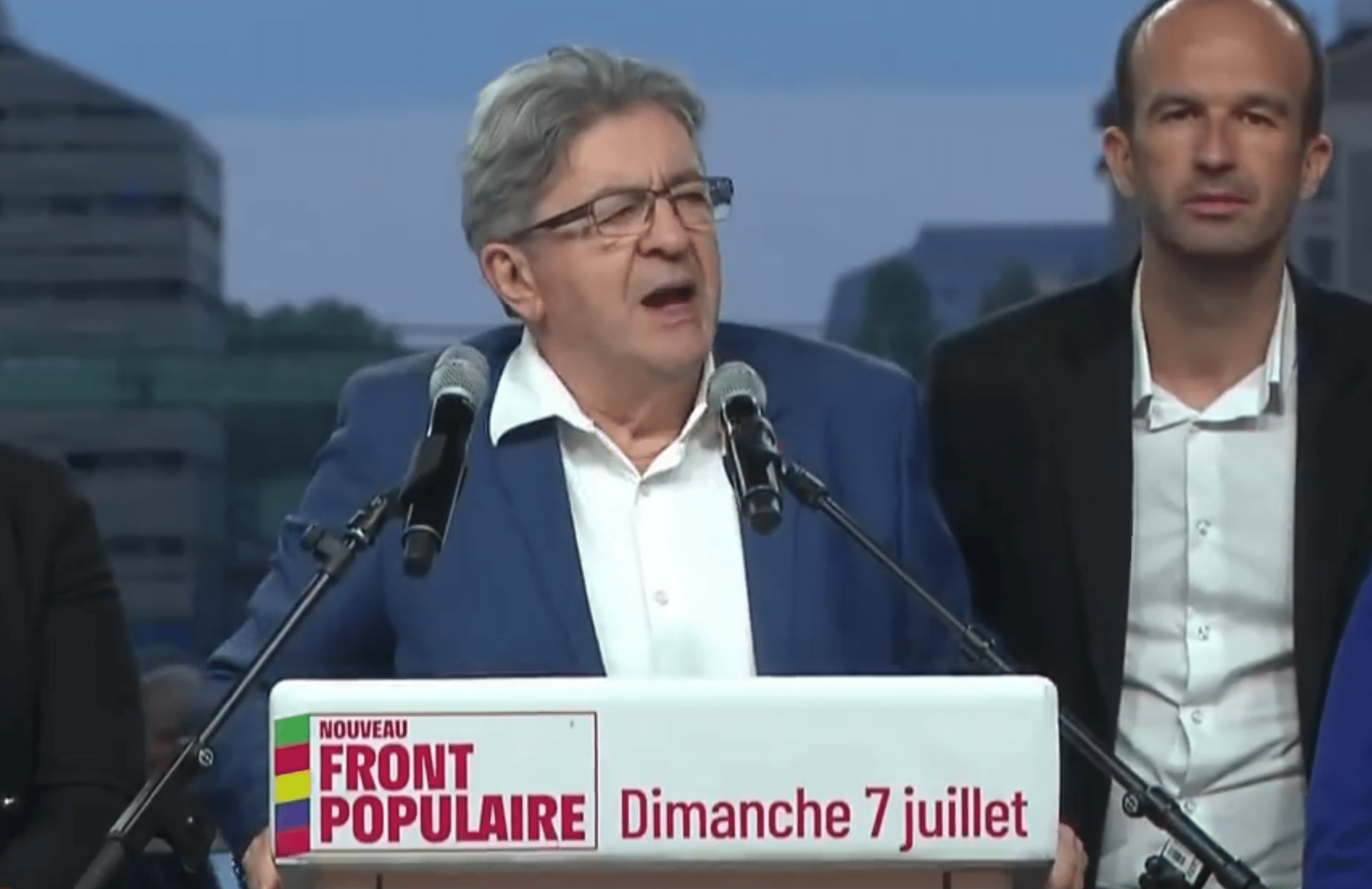

In a surprising turn of events, a coalition of the French left has secured the most seats in the recent high-stakes legislative elections, according to final results early Monday.
This development has beaten back a far-right surge but has failed to deliver a majority, leaving France facing the stunning prospect of a hung parliament and potential political paralysis.
This outcome poses significant challenges for France, a key pillar of the European Union and the upcoming Olympic host country, potentially unsettling markets and the French economy, the EU’s second-largest. The implications could also extend to the war in Ukraine, global diplomacy, and Europe’s economic stability.
President Emmanuel Macron had called for the election on 9 June, following a surge in far-right support during the European Parliament elections. He believed that sending voters back to the polls would provide “clarification.” However, this gamble appears to have backfired.
The second-round results, tallied early Monday, showed the left-wing New Popular Front (NFP) surging to secure 182 seats in parliament. Macron’s centrists have 168 seats, and Marine Le Pen’s far-right National Rally, which led in the first round of voting, obtained 143 seats, all falling well short of the 289 seats needed to control the 577-seat National Assembly.
The left-wing coalition—comprising the center-left Socialist Party, the Green Party, and two far-left movements, France Unbowed and the Communist Party—named itself in an effort to revive the original Popular Front, which prevented the far right from gaining power in 1936.
Jean-Luc Mélenchon, leader of NFP reacted to exit polls announcing that the far-right failed to secure a majority government in France’s snap election.
The NFP coalition is predicted to be the biggest parliamentary bloc and consequently able to appoint the next prime minister.
In one of his first comments after the vote, Mélenchon wrote on X: “On the international level, one must come to an agreement and recognise the State of Palestine.”
https://www.twitter.com/JLMelenchon/status/1810041739039723810
With no bloc achieving the 289 seats needed to control the 577-seat National Assembly, the country faces a period of political uncertainty.
Prime Minister Gabriel Attal acknowledged the unprecedented political situation and expressed his intention to resign on Monday. With the Olympics looming, he stated his readiness to stay in his position “as long as duty demands.” Attal criticized Macron’s decision to call the election, highlighting the instability that now characterizes the new legislature.
In Paris, supporters of the left celebrated in Stalingrad Square and Republique Plaza, rejoicing at the projections that showed their coalition leading.
The election has redrawn France’s political landscape, galvanizing parties on the left to form a new alliance, the New Popular Front, which has pledged to reverse many of Macron’s reforms and embark on significant public spending.
Macron has criticized this coalition’s economic program, warning of potential financial ruin for France.
Despite falling short of an absolute majority, the National Rally has secured more seats than ever before in the National Assembly. Marine Le Pen, who is likely considering another presidential run in 2027, expressed optimism about the future, while her protégé, Jordan Bardella, lamented the rise of the extreme left.
In response to the election results, Macron has indicated he will take his time in deciding on a potential prime minister and will wait for the new National Assembly to take shape before making any decisions.
The prospect of a hung parliament is uncharted territory for modern France, which lacks a tradition of coalition governments seen in other European countries.