Southeast Asian parliamentarians demand probe into Indonesian Govt’s use of invasive spyware
Indonesian government's use of invasive spyware is deeply disturbing," stated Charles Santiago of ASEAN Parliamentarians for Human Rights (APHR), urging an immediate halt to its deployment.

Today, parliamentarians from Southeast Asia have voiced grave concerns over the Indonesian government's procurement and deployment of highly invasive spyware from Israeli-based surveillance companies.
The ASEAN Parliamentarians for Human Rights (APHR), led by co-chair Charles Santiago, has called for an immediate investigation into these actions, citing significant implications for human rights and democratic principles.
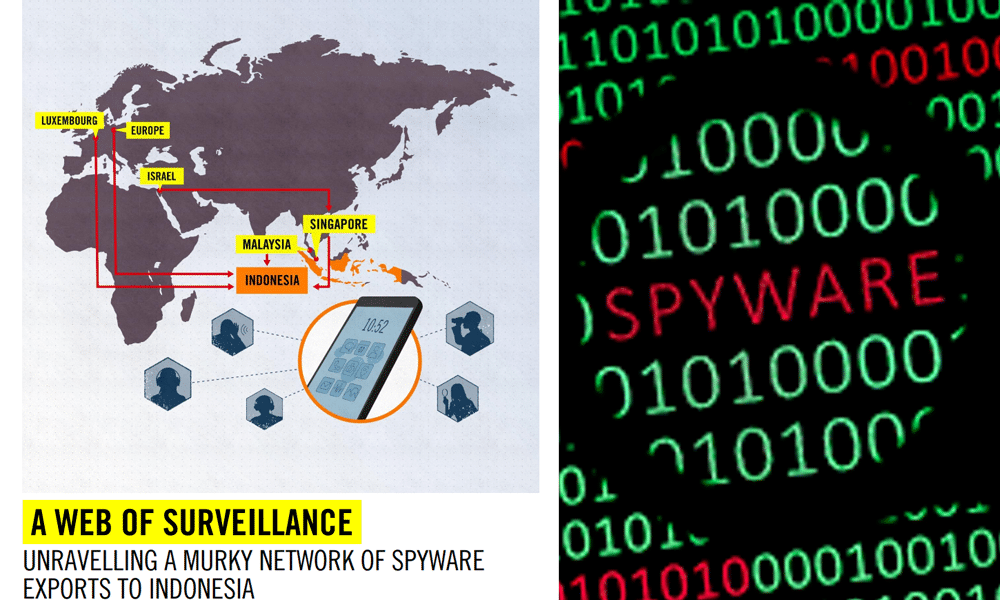
The alarm was raised following the publication of a research briefing titled "A Web of Surveillance – Unravelling a murky network of spyware exports to Indonesia" by Amnesty International, in collaboration with media partners including Haaretz, Inside Story, Tempo, WAV research collective, and Woz.
The briefing revealed extensive imports and utilization of various invasive spyware and surveillance technologies by Indonesian companies and state agencies between 2017 and 2023.
Among the mentioned spyware platforms are the notorious Pegasus spyware from NSO Group, the Predator spyware from the Intellexa consortium, and the "cyber infiltration system" Cyrus from Israeli cyber-surveillance vendor Saito Tech, also known as Candiru.
Amnesty International has emphasized that the use of such spyware raises serious human rights concerns and cannot be considered compliant with international standards.
"The Indonesian government's use of highly invasive spyware is deeply disturbing, especially amid the increasing digital attacks against critical groups," remarked Charles Santiago, co-chair of APHR. "We urge an immediate halt to the purchase and deployment of this technology."
The Indonesian National Police and the National Cyber and Crypto Agency (BSSN) were specifically named as state agencies that have acquired this spyware.
Reports also implicate Indonesia’s Ministry of Defense, currently under the leadership of president-elect Prabowo Subianto.
"I am appalled by the contradiction between Indonesia's support for the Palestinian cause and its covert use of Israeli surveillance tactics against its own citizens," Santiago stated.
"It is the height of hypocrisy to publicly condemn Israel while secretly employing its tactics against Indonesian citizens."
Previous instances of spyware targeting human rights defenders and journalists, attributed to Pegasus and Candiru, have been documented by organizations like Front Line Defenders and cybersecurity company Avast.
These revelations underscore growing concerns about digital harassment and attacks against civil society in Indonesia, with at least 148 victims recorded between January 2019 and May 2022.
"We are deeply disturbed by the use of spyware that has been used against human rights defenders and journalists globally," Santiago added. "A government that feels the need to spy intensely on its own people is unlikely to uphold the right to freedom of speech and expression."
In response to these revelations, APHR and other civil society organizations have called on the Indonesian government to cease the purchase and utilization of invasive spyware immediately.
Santiago further urged Indonesian parliamentarians to conduct hearings to investigate the misuse of such surveillance tools and to enact legislation ensuring safeguards against their abuse.