Red-light cameras in Singapore detect over 800 speeding violations since new enforcement activation
Singapore Police detected over 800 speeding violations in three weeks with red-light cameras now equipped with speed enforcement, aiming to enhance road safety and enforce traffic rules more strictly.
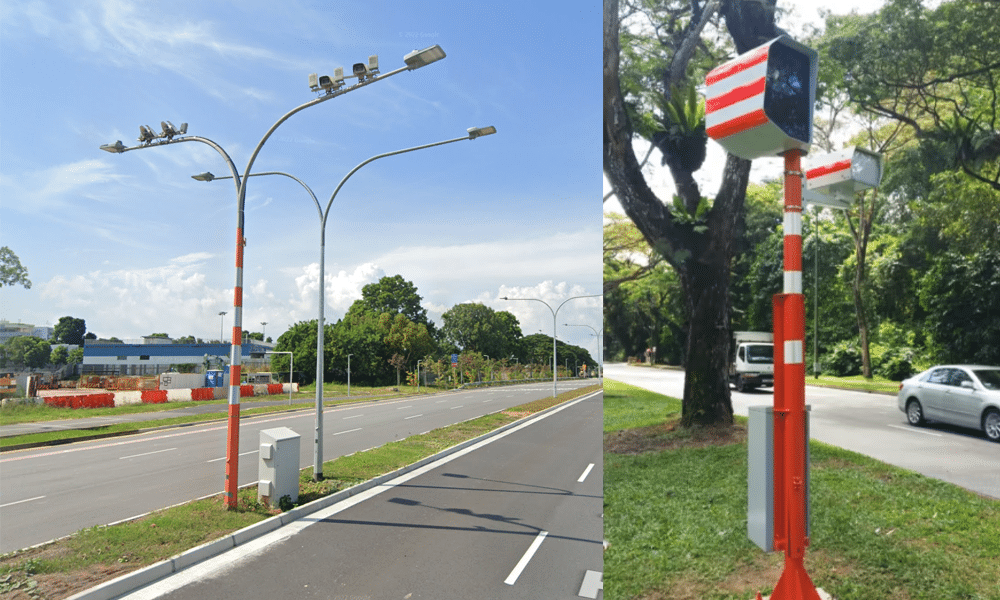

The Singapore Police Force (SPF) announced on Monday (29 Apr) that more than 800 speeding violations have been detected by red-light cameras within just three weeks since the activation of a new speed enforcement function.
This initiative, which began on April 1, aims to curb the prevalent issue of speeding and improve motorist behavior across the island.
The integration of speed enforcement with existing red-light cameras is part of a wider effort to enhance road safety, particularly in areas prone to accidents or frequent traffic violations.
Although the SPF has not specified the exact number of cameras now equipped with this technology nor their locations, it is known that Singapore hosts over 250 red-light cameras.
According to SPF, speeding and running red lights are the two most common traffic violations, contributing to approximately 75% of all traffic-related offenses in 2023.
"The number of speeding violations detected is of concern," stated Deputy Superintendent of Police William Foo, head of the surveillance camera unit. "We will continue to enhance our enforcement strategies and take decisive action against those disregarding the rules."
The enhanced enforcement capabilities come in light of the alarming rise in speeding-related fatal accidents, which saw an 83.3% increase in 2023 compared to the previous year. Despite a decrease in violations detected by traffic enforcement cameras last year, other police operations have noted a 22% increase in speeding violations.
It is said that Traffic Police (TP) officers patrol Singapore's roads around the clock, complemented by regular traffic enforcement operations. The advanced technologies employed in the cameras include laser and radar systems for speed measurement, and detector loops for monitoring red-light adherence.
When a traffic violation is captured by these cameras, the image or video undergoes a "two-layer verification" process to confirm its validity and accuracy, a process that can take up to three weeks. Following verification, a notice of traffic offense may be issued based on the findings.
In February, Non-constituency Member of Parliament Mr Leong Mun Wai inquired about the costs and future deployment of traffic enforcement cameras during a parliamentary session. In response, Minister for Home Affairs Mr K Shanmugam stated that installing a new traffic enforcement camera at a signalised intersection can cost between S$100,000 and S$170,000, depending on site conditions.
Additionally, in March, Member of Parliament for Chua Chu Kang GRC Mr Zhulkarnain Abdul Rahim questioned the Minister regarding the increased fatalities due to red-light running and speeding.
In response, Mr Shanmugam revealed plans to enhance enforcement measures, including tougher penalties and strategic deployment of cameras in high-risk areas such as near schools and markets to protect vulnerable pedestrians.
The TP will also be increasing fines and demerit points to strengthen deterrence against irresponsible driving, with more details expected later in the year.