UNICEF reports over 13,000 children killed in Gaza conflict
UNICEF's recent report reveals a staggering toll in the Gaza conflict, with over 13,000 children tragically losing their lives. Executive Director Catherine Russell underscores the urgency for action as the humanitarian crisis worsens.


The UN children’s agency, UNICEF, revealed on Sunday (17 Mar) that more than 13,000 children have lost their lives in Gaza during Israel’s offensive.
According to UNICEF Executive Director Catherine Russell, who spoke on CBS News’ Face the Nation program, the situation is dire, with thousands more children either injured or missing, potentially trapped under rubble.
She emphasized the unprecedented scale of child casualties, stating, “We haven’t seen that rate of death among children in almost any other conflict in the world.”
Russell further described the heartbreaking scenes she witnessed in hospital wards, where children afflicted by severe malnutrition lie silently, too weak to express their suffering.
The delivery of aid and assistance to Gaza faces significant bureaucratic hurdles, Russell noted, highlighting the challenges of accessing the region to provide much-needed support.
Meanwhile, international condemnation of Israel has intensified, focusing on the high death toll, the dire starvation crisis in Gaza, and accusations of obstructing aid deliveries into the enclave.
Earlier this month, a UN expert accused Israel of deliberately undermining Gaza’s food system as part of a broader “starvation campaign,” an allegation vehemently rejected by Israeli authorities.
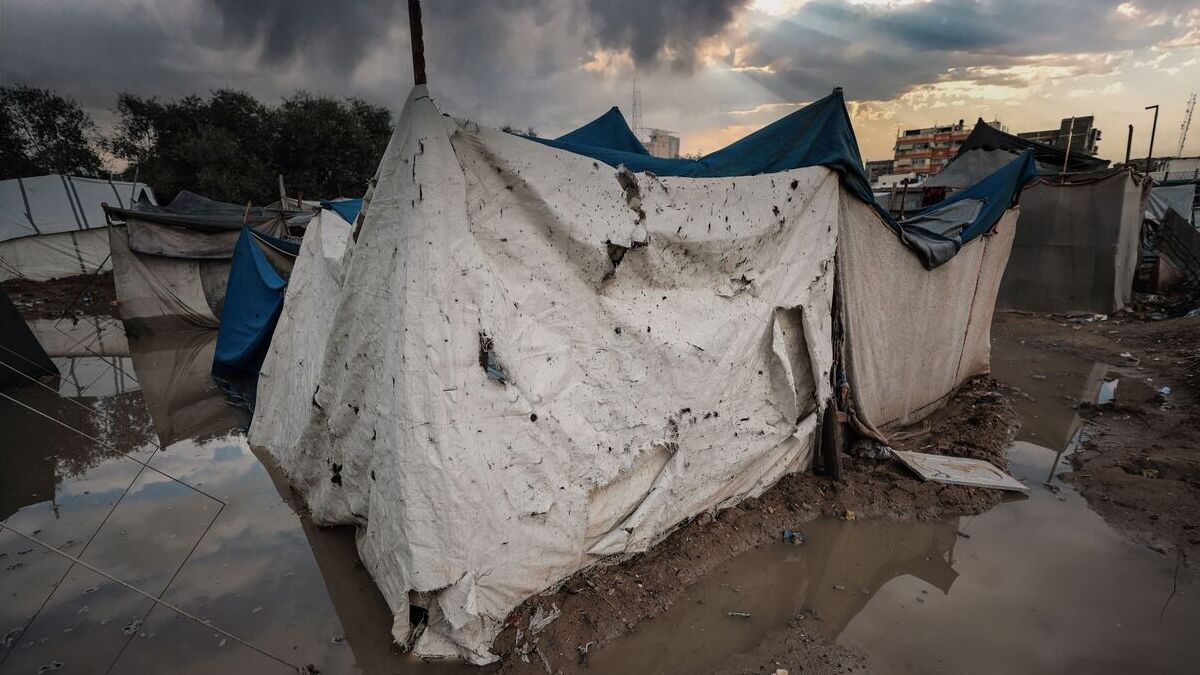
The military offensive launched by Israel against Hamas-controlled Gaza has resulted in the displacement of nearly the entire population of 2.3 million people.
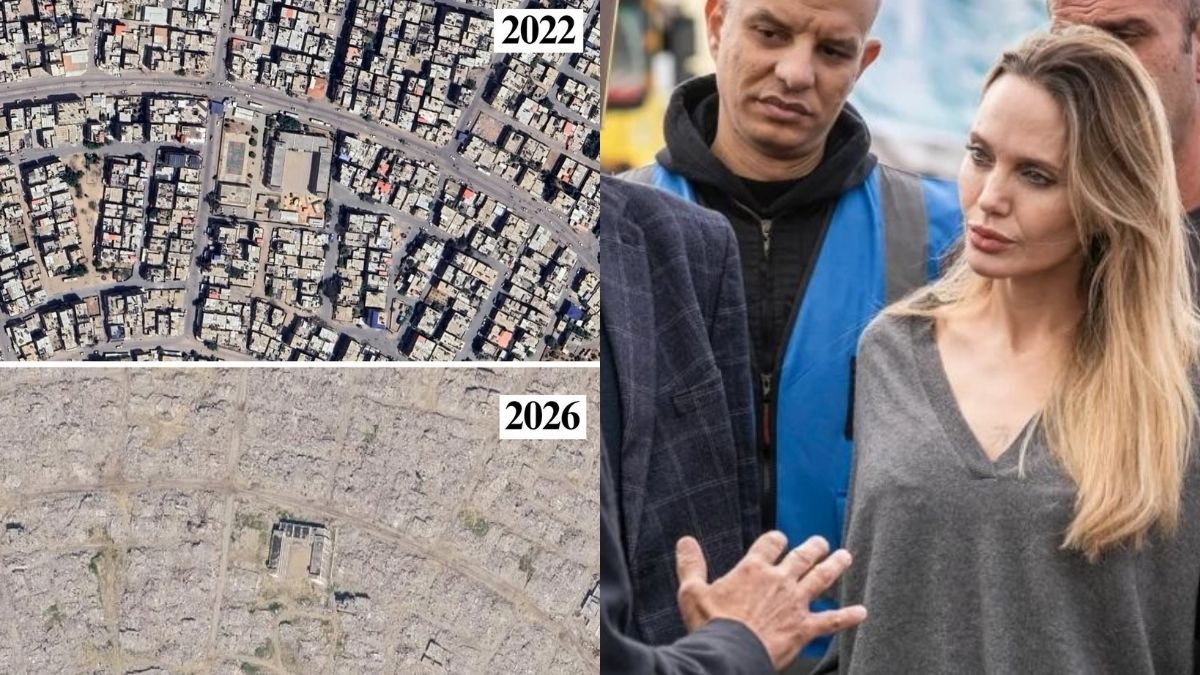
The devastation is widespread, with significant portions of the enclave flattened and a staggering death toll exceeding 31,000, according to the Palestinian health ministry.
Allegations of genocide are now under investigation in the World Court, although Israel denies these charges, asserting its actions as self-defence following an attack by Hamas on 7 October, which resulted in the deaths of approximately 1,200 individuals, according to Israeli accounts, and the capture of numerous hostages.
UNICEF urges immediate action as Gaza's child malnutrition crisis deepens
The humanitarian situation in Gaza is rapidly worsening, as highlighted by a recent press release from UNICEF on Friday (15 Mar).
Alarming reports reveal that one in three children under the age of two in northern Gaza is currently suffering from acute malnutrition.
The combination of the ongoing conflict and restrictions on aid delivery has exacerbated the situation, leaving children particularly vulnerable to the devastating effects of malnutrition.
Tragically, recent reports indicate that at least 23 children in the northern Gaza Strip have succumbed to malnutrition and dehydration in the past weeks.
These devastating losses add to the already staggering toll of children killed in the ongoing conflict, with approximately 13,450 deaths reported by the Palestinian health ministry.
UNICEF has been actively providing treatment for acute malnutrition to children in Gaza, employing interventions such as Ready to Use Therapeutic Food (RUTF), Ready to Use Infant Formula, and preventative micronutrient supplements containing vital nutrients like iron for pregnant women.
While additional supplies are expected to arrive this week, the current efforts are still insufficient to meet the escalating needs.
Catherine Russell, speaking on behalf of UNICEF, emphasized the urgency of the situation, stating, "We are doing everything we can to avert a worsening of the humanitarian crisis in Gaza, but it is not enough."
She underscored the critical importance of an immediate humanitarian ceasefire, asserting that it remains the primary means to save children's lives and alleviate their suffering.
Furthermore, Russell highlighted the necessity for multiple land border crossings to be operational, facilitating the reliable delivery of aid on a large scale, including to the northern Gaza region.
She stressed the importance of ensuring security assurances and unimpeded passage for aid distribution, without delays or obstacles, to effectively address the pressing humanitarian needs in the area.