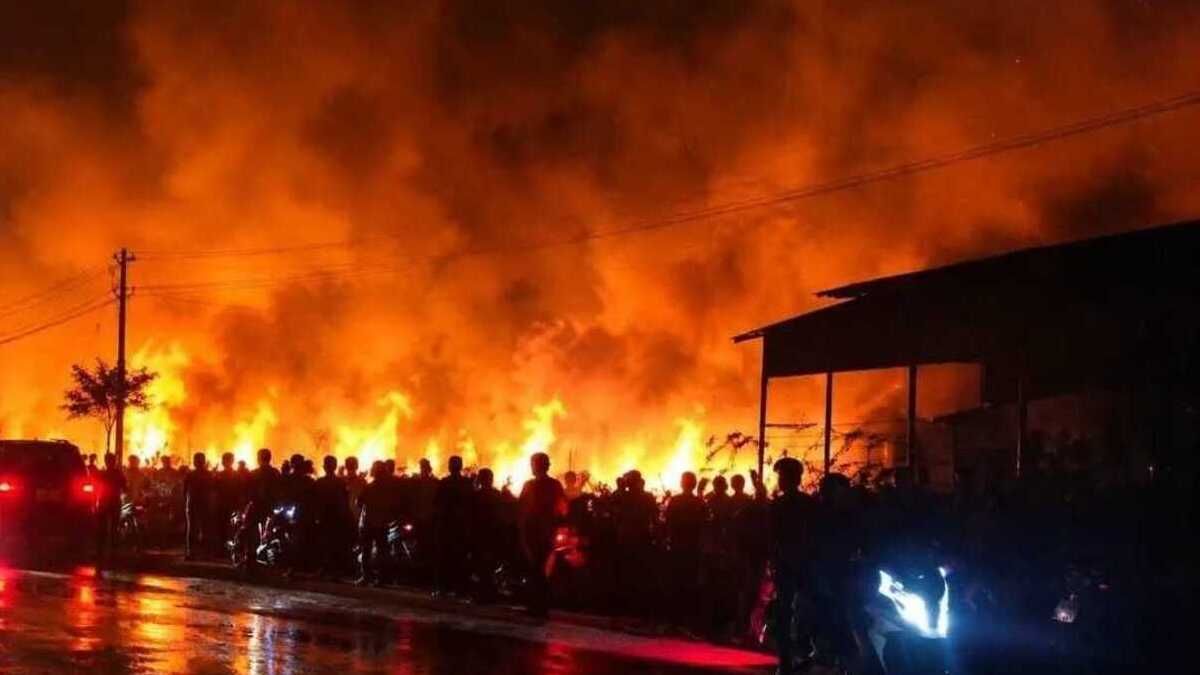
Cyberattacks target Israeli websites following Hamas assault
In the wake of a Hamas attack, hacktivists unleashed a barrage of cyberattacks on Israeli websites, disrupting more than 60 sites.
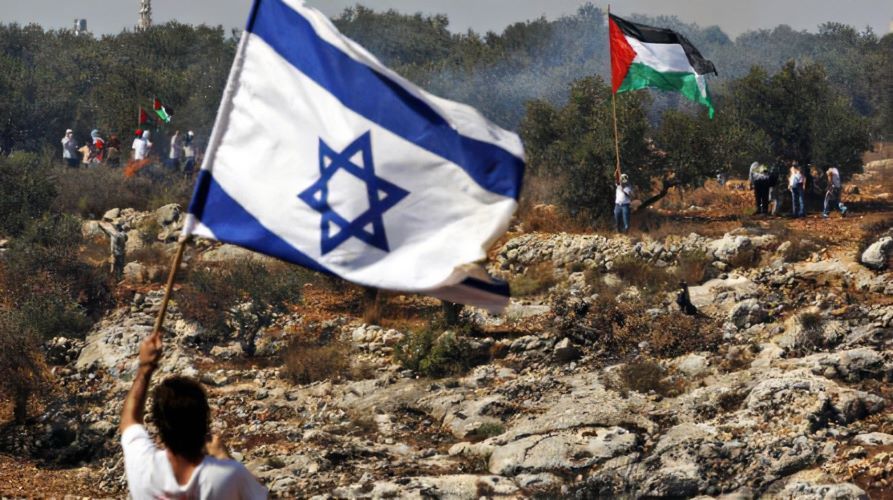

Several hacker groups have targeted Israeli websites with a wave of dangerous traffic following a sudden ground, sea, and air assault by the militant group Hamas on Saturday (7 Oct).
These attacks have prompted Israel to declare war and retaliate against the actions of the militant groups.
The Jerusalem Post, an Israeli newspaper, reported that its website was rendered inactive on Saturday morning due to a series of cyberattacks.
According to Tech Crunch, on Tuesday (10 Oct), Rob Joyce, the director of cyber security at America's National Security Agency (NSA), confirmed that distributed denial of service (DDoS) attacks and website defacement had occurred. However, he did not attribute these cyberattacks to any specific groups.
Joyce's statement corroborated findings by security researcher Will Thomas, who reported that more than 60 websites had been taken down due to DDoS attacks, and over five websites had been defaced on Monday (9 Oct).
"What surprises me about hacktivism surrounding this conflict is the involvement of numerous international groups, such as those suspected to be from Bangladesh, Pakistan, and Morocco," Thomas stated.
Hacktivist groups commonly launch cyberattacks during armed conflicts, similar to what occurred in Ukraine. These hackers are often not affiliated with any government but are politically motivated and decentralized groups.
Their activities can disrupt websites and services, but their scope is considerably narrower compared to state-sponsored hacker activities. So far, researchers and government agencies like the NSA have only observed hacker activities in the context of the Hamas-Israel conflict.
However, neither the NSA nor the Israeli Consulate General in New York have provided any comments on the situation.
Will Thomas, an intelligence threat researcher at the Equinix Threat Analysis Center, stated that pro-Palestinian hackers have targeted government websites, civil services, news sites, financial institutions, as well as telecommunications and energy companies.
According to Thomas, hacktivist groups are not the only ones active in this conflict.
"I have seen some posts by operators of cybercrime services such as DDoS-for-Hire or Initial Access Brokers offering their services to those wishing to target Israel or Palestine," he said.
Initial Access Brokers are groups that have breached websites and networks. Not only that, but they also offer access to other hackers in exchange for payment.
Such cyberattacks can have a minor impact on armed conflicts, according to Lukasz Olejnik, an independent researcher and consultant.
"Hacktivist groups like these have practical limitations on their ability to carry out measurable cyber activities. The impact will be very low, and given everything that is happening, the impact will be limited or even non-existent," Olejnik remarked.
These cyberattacks in the Israel-Hamas war occurred less than a week after the International Committee of the Red Cross (ICRC) published a list of rules regulating hacker activities in military conflicts.
One of the rules stipulates that these groups should not attack civilian targets. Following the ICRC announcement, hackers targeted Russian Red Cross sites.
On Saturday, militants affiliated with Hamas from Gaza, a small Palestinian territory within Israel, launched a sudden attack.
Hamas militants breached barricades, infiltrated border towns with Israel, and caused more than 700 casualties, marking the worst violence in 50 years.
In response to this attack, the Israeli government officially declared war and retaliated by bombing Gaza, resulting in over 900 casualties, as reported by The Associated Press.