New York 'Chinese spy' lookalike contest sparks backlash over Asian stereotypes
A US$50 “Chinese spy” lookalike contest at Washington Square Park has drawn criticism over racial stereotypes, following espionage allegations involving Nvidia founder Jensen Huang and Chinese businesswoman Alice Huang.

- A US$50 spy-themed lookalike contest at Washington Square Park has prompted criticism over stereotypes about Asian women.
- The competition drew inspiration from espionage allegations involving Nvidia founder Jensen Huang and Chinese businesswoman Alice Huang.
- China has rejected the allegations, while US authorities have not publicly established that Alice Huang was a Chinese intelligence operative.

A “Chinese spy” lookalike contest held at Washington Square Park in New York on 21 November 2026 has attracted attention online, with participants performing mock espionage acts for a cash prize of US$50.
The event, organised by FactMachine and Prez, was inspired by allegations surrounding Nvidia founder and chief executive Jensen Huang and Chinese businesswoman Alice Huang, who is not related to him.
Around 10 participants took part in the competition, dressing in outfits associated with undercover agents and pretending to retrieve classified documents from their pockets.
Spectators were invited to vote for their favourite contestants using QR codes displayed at the venue. A person dressed to resemble Jensen Huang also joined the performances.
Footage of the event was shared on social media by New York videographer Oliya Scootercaster, who credited the recording to Ken Lopez of Freedom News TV.
The video showed participants lining up beneath the Washington Square Arch and taking turns performing for the audience.
Social media users question the event
The contest prompted mixed reactions on social media, particularly among Chinese-speaking users who criticised the organisers and participants for turning allegations of espionage into entertainment.
Some users described the competition as embarrassing for the Asian community and argued that it reinforced stereotypes portraying Chinese and other Asian women as spies.
Others questioned whether participants were willing to be publicly humiliated for US$50, while some treated the competition as an example of New York's unconventional public humour.
The event also drew attention to concerns about the treatment of Asian women in the United States amid the allegations surrounding Huang.
Background to the Jensen Huang controversy
The competition followed reports concerning Jensen Huang and Alice Huang, a Chinese businesswoman who is not related to the Nvidia founder.
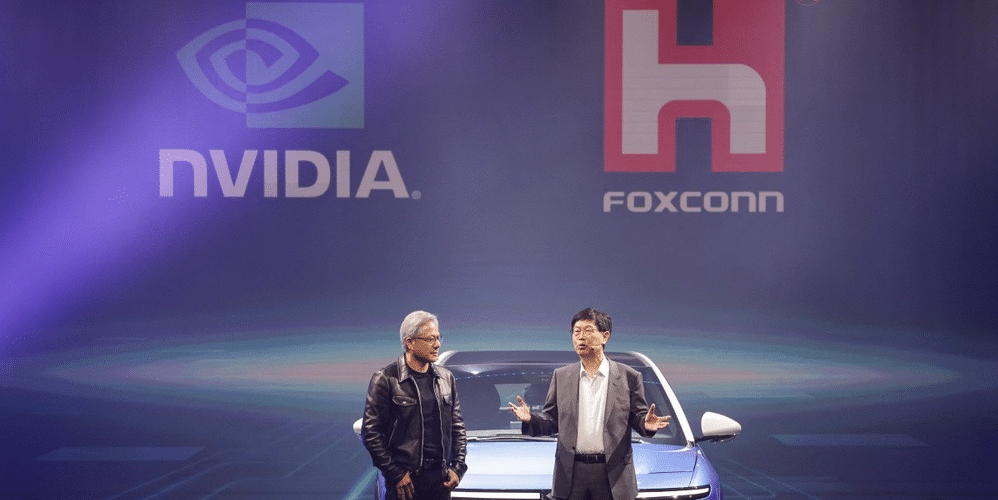
Alice Huang, also known as Huang Le, was reportedly associated with Megaspeed International, a Singapore-based company with business links to Nvidia.
Reports alleged that US intelligence officials suspected Alice Huang of having connections to Chinese intelligence. The allegations raised questions about potential access to sensitive semiconductor technology and Nvidia's business dealings with Chinese companies.
The allegations have not been publicly established as fact. China has rejected claims that Alice Huang was a spy, while US authorities have not publicly confirmed that she worked for Chinese intelligence.
Nvidia investigates reports involving its chief executive
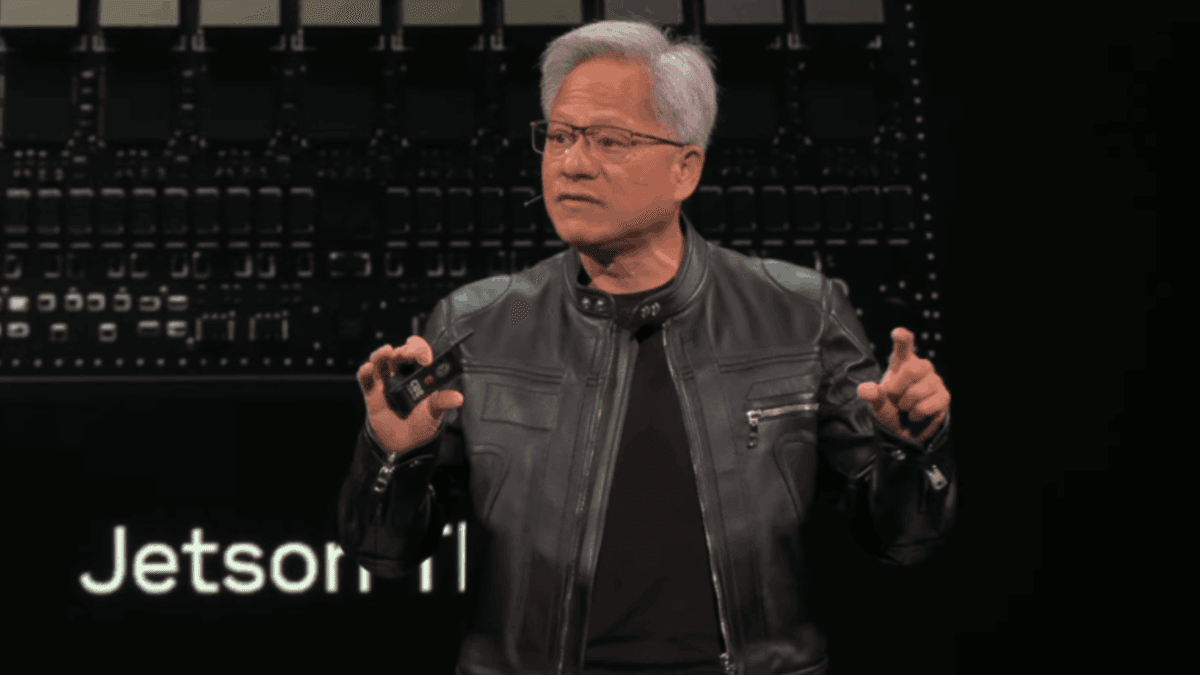
On 8 November 2026, Nvidia's board announced an independent investigation into reports that Huang had been targeted by a foreign intelligence effort.
In its statement, the board said it had no reason to believe that US national security or Nvidia's confidential information had been compromised.
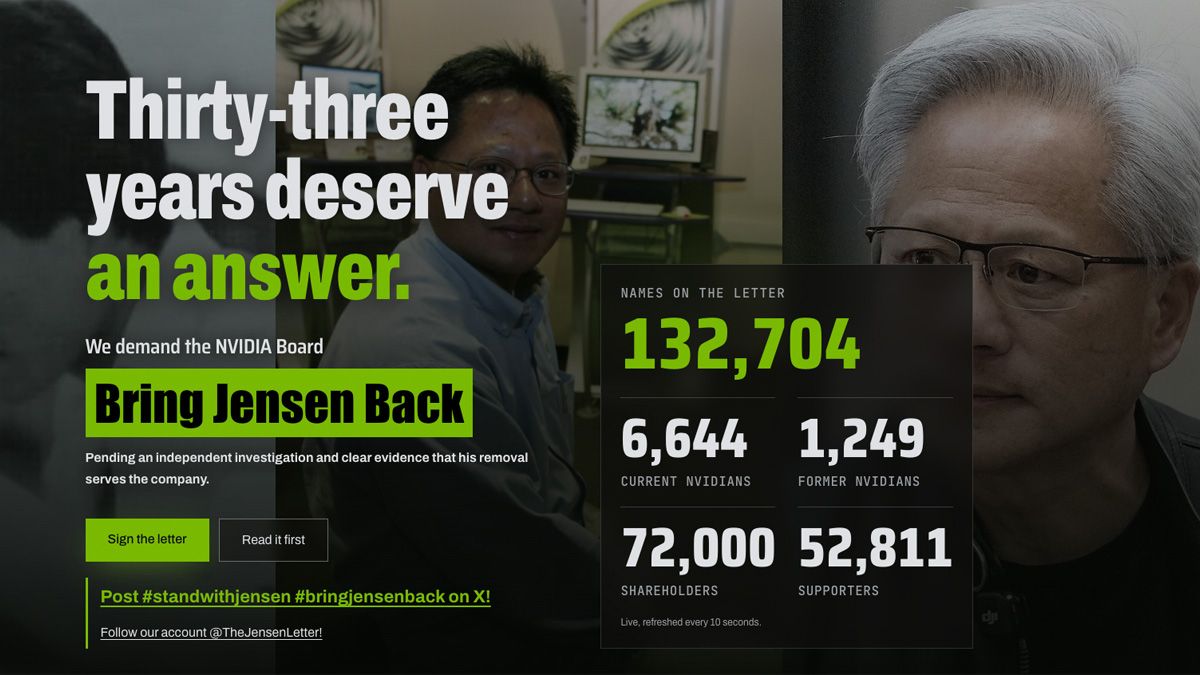
Four days later, on 12 November, Huang resigned as Nvidia's president and chief executive. Chief financial officer Colette Kress was appointed interim chief executive.
However, on 23 November, Nvidia announced that its board had unanimously voted to reinstate Huang as president and chief executive with immediate effect.
The board said it was satisfied with Huang's candour and ability to lead the company. It also said that input from senior US government officials supported its conclusion that his return posed no national security risk.
Nvidia confirmed that the independent investigation would continue despite Huang's reinstatement.
China rejects espionage allegations
The Chinese government has rejected allegations that Alice Huang worked for its intelligence services.
At a regular press conference on 10 November 2026, Chinese Foreign Ministry spokesman Guo Jiakun responded to questions about the reports.
He described the claims that Alice Huang was a Chinese spy as “purely unsubstantiated” and said they were intended to smear China.
The allegations have also prompted concerns among Asian American women about the spread of stereotypes linking Asian women with espionage.
Women working in technology, academia and civil rights advocacy have expressed concern that the coverage could reinforce prejudicial assumptions about Asian women, regardless of whether the allegations are eventually substantiated.
The controversy has therefore extended beyond Nvidia's corporate leadership and its relationship with China, prompting wider debate about racial stereotypes and the portrayal of Asian women in the United States.