South Korea records seven-year July high in births as marriages rise amid low fertility
South Korea recorded its highest July births in seven years as marriages increased and the government expanded financial, workplace and housing support for families.
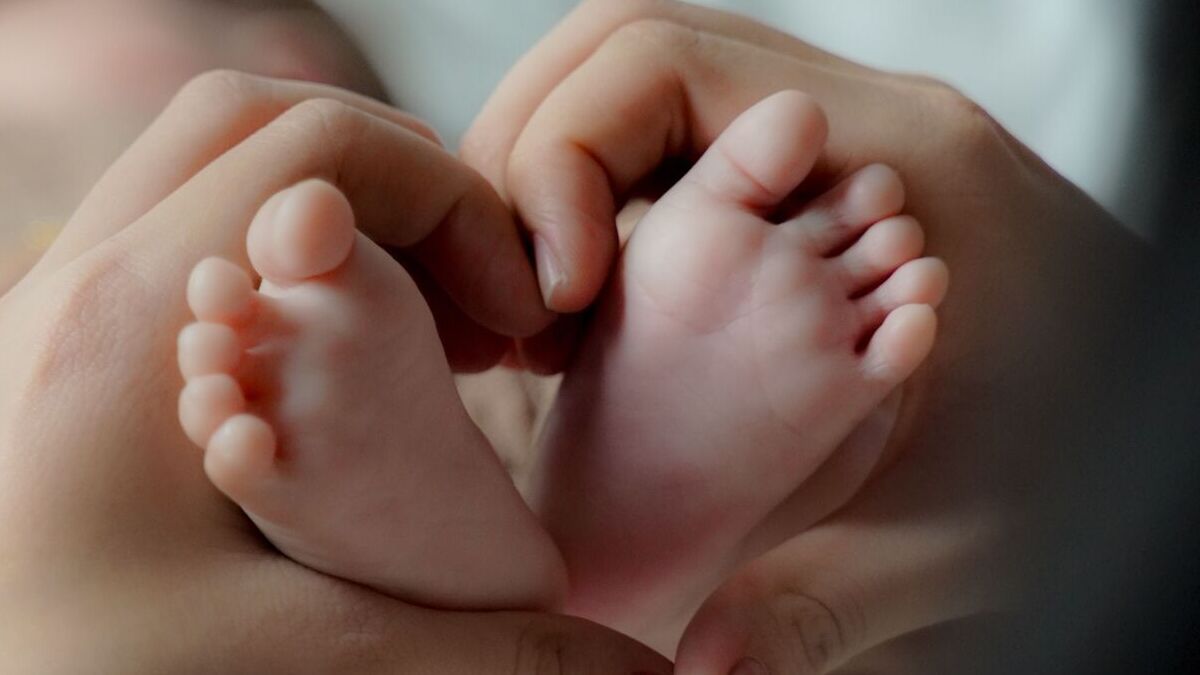
- July births reached their highest level since 2019.
- Births have risen for 25 consecutive months.
- Deaths still exceeded births in July.

South Korea recorded its highest number of births for July in seven years as marriages continued to increase, according to data released by the Ministry of Data and Statistics on Wednesday, 23 September.
A total of 24,275 babies were born in July, an increase of 11.1 per cent from the same month last year and the highest figure for July since 2019.
Monthly births have risen by double digits since January, while the number of births has increased year on year for 25 consecutive months since July 2024.
Between January and July, South Korea recorded 170,079 births, up 14.7 per cent from the same period in 2025.
The country's total fertility rate, or the average number of children a woman is expected to have over her lifetime based on current age-specific fertility rates, rose to 0.89 in July, up 0.08 from a year earlier.
The figures come as the South Korean government continues to expand measures aimed at reducing the financial and workplace pressures associated with having and raising children.
Births rise alongside marriages
The increase in births coincided with a continued rise in marriages.
South Korea recorded 22,282 marriages in July, up 9.3 per cent year on year and the highest number for the month since 2015. The number of marriages has also increased in recent months.
The Ministry of Data and Statistics said the rise in births was associated with increases in marriages, a growing population in their 30s and changing perceptions about marriage and childbirth.
There were 7,764 divorces in July, down 0.8 per cent from a year earlier.
Despite the increase in births, deaths continued to exceed births. South Korea recorded 28,921 deaths during the month, up 3 per cent year on year, resulting in a natural population decrease of 4,647 people.
Government expands support for parents
The government has introduced or expanded several measures covering childcare costs, parental leave and housing.
Under the parental allowance programme, children aged below two receive monthly support.
Parents of children aged under one receive 1 million won (about US$720) a month, while those aged one receive 500,000 won. The allowance was introduced in 2023 and can be provided in cash or as childcare-related support.
The government has also expanded parental leave. In 2026, eligible parents can take up to 18 months of parental leave, while parental-leave benefits can reach 2.5 million won per month.
Higher benefit ceilings are available during the first six months when both parents use parental leave for a child under 18 months.
Further measures introduced in September 2026 have extended support around pregnancy and childbirth.
Male employees can take parental leave during their wife's pregnancy in specified high-risk circumstances, while spouse maternity leave has been expanded to 20 days.
Employees can also take short-term parental leave of one or two weeks once a year for circumstances including school holidays and a child's illness or hospitalisation.
Housing policy has also been linked to the government's response to the low birth rate.
From 2026, 10 percent of allocations in new private housing developments are designated as special supply for households with newborn children, as part of measures intended to reduce housing pressures for families.
Singapore also expands family support
Singapore faces a similar demographic challenge. Its resident total fertility rate was 0.97 in 2024, unchanged from 2023, according to Singapore's National Population and Talent Division.
The government says falling fertility rates are associated with factors including people postponing family formation and having fewer children.
Singapore has also expanded its family-support policies.
From April 2026, eligible parents receive 10 weeks of Shared Parental Leave, which can be divided between the mother and father.
Together with 16 weeks of government-paid maternity leave and four weeks of government-paid paternity leave, eligible parents can have up to 30 weeks of paid leave for a newborn.
Singapore announced another package at its 2026 National Day Rally. The government said every Singapore Citizen child will receive up to S$62,000 in support under a new SG Child Support Package, including a S$10,000 Baby Gift and annual Child Credits.
Including other support such as the MediSave Grant for Newborns and Edusave contributions, the government estimates direct support at about S$70,000 per child.
The package also includes more childcare leave, with working parents eligible for eight, 10 or 12 days a year depending on the number of Singapore Citizen children aged 12 and below.
Singapore plans to reduce full-day fees at government-supported childcare centres to S$150 a month and infant-care fees to S$300 a month by 2030. Housing assistance for families with children is also being expanded.
Both countries therefore continue to expand financial, childcare, workplace and housing support as their governments respond to persistently low fertility rates.
The latest South Korean statistics show a rise in births and marriages, while the country's natural population balance remained negative in July.