Taiwan couple among 57 charged over AI-assisted romance scam targeting 20,000 men
Taiwanese prosecutors have charged 57 people over an alleged romance scam ring that used dating-app profiles, AI-generated female voices and overpriced products to defraud more than 20,000 victims.
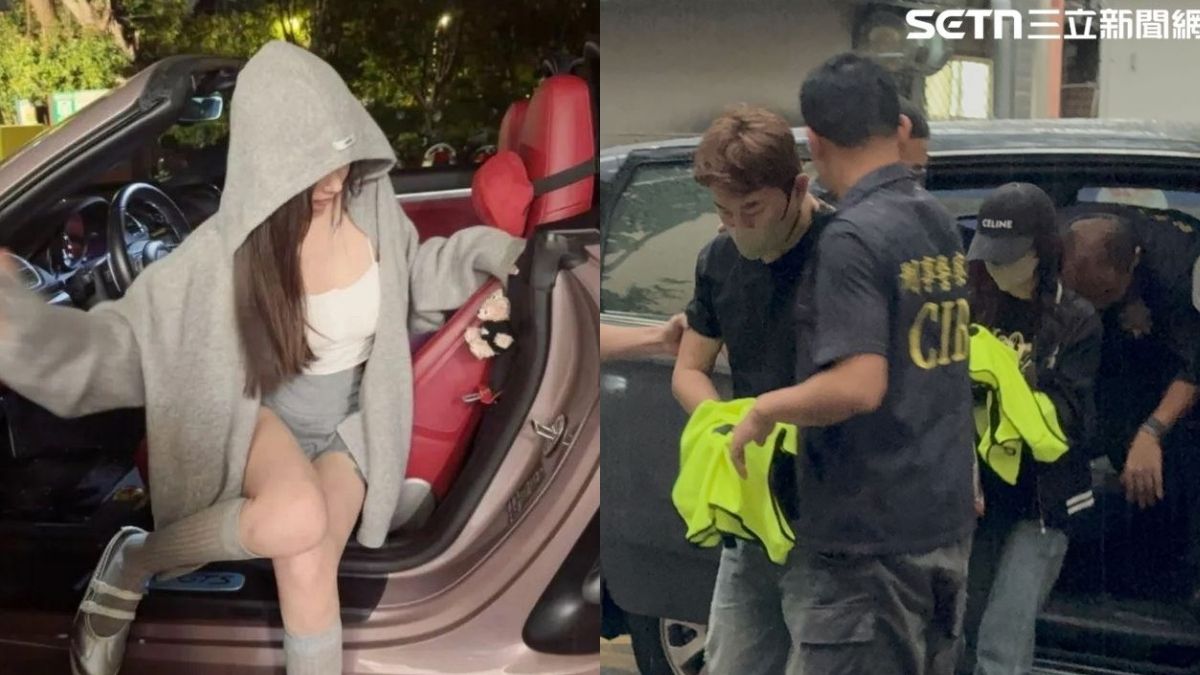
- Prosecutors charged 57 people over an alleged romance scam that reportedly targeted more than 20,000 victims.
- The group allegedly used dating apps, fake female identities and AI voice-changing technology to deceive victims.
- Prosecutors are seeking at least 25 years for Huang Jianhao and 18 years for Hsu Xiangqi.

Taiwanese prosecutors have charged 57 people over an alleged romance scam operation that reportedly defrauded more than 20,000 people of at least NT$900 million (approximately US$28.3 million) since 2022.
The alleged operation was led by a man surnamed Huang and his wife, surnamed Hsu, who prosecutors said organised the group into teams responsible for finding victims, developing new customers, maintaining relationships and collecting further payments.
The Taipei District Prosecutors Office concluded its investigation and indicted the 57 defendants on 2 September 2026.
How the alleged romance scam operated
According to prosecutors, the operation began by creating dating-app profiles using photographs and names of women.
The profiles were designed to attract male users. Once a potential victim showed interest, the person was allegedly transferred to another team whose members posed as the women and continued conversations online.
Victims were initially encouraged to buy products costing about NT$1,000 to NT$2,000. They were reportedly told that their purchases would help the women meet sales targets.
The products included fish oil, Antrodia cinnamomea and power banks.
After the initial purchases, members allegedly continued communicating with victims and developed romantic relationships with them.
The alleged demands then became more expensive. Victims were reportedly asked to provide gifts including mobile phones, air purifiers and hair dryers.
Women working for the group's public relations team also allegedly met victims in person for dates and, in some cases, had sex with them.
Prosecutors said cash, phones, household appliances and other gifts obtained during these encounters were subsequently returned to the group.
The operation allegedly sought additional money from victims after relationships had been established. Prosecutors said requests included living expenses, medical bills and cosmetic surgery debts.
Victims were also allegedly asked to pay for beauty and tattooing courses operated by businesses associated with the group's affiliates.
AI used to imitate women's voices
Prosecutors alleged that the group used artificial intelligence to make its operation more efficient.
An engineer surnamed Chung reportedly developed an AI voice-changing system capable of imitating the voices of women working for the public relations team.
The system allegedly enabled other members of the group to speak to male victims while sounding like the women they believed they were dating.
Prosecutors said victims did not know they were communicating with an AI-generated voice.
The group reportedly also created an application called “I Assistant” to coordinate operators and public-relations workers.
The application allegedly recorded arrangements for meetings with male victims, including whether sexual activity was expected, while public-relations workers used it to report what happened during dates.
A separate “ERP performance management” programme reportedly recorded successful product purchases and calculated members' performance.
After costs and expenses were deducted, prosecutors said the remaining profits were handed to Hsu.
Alleged punishments for group members
Prosecutors also accused Huang and Hsu of using severe punishments to control members and force them to meet performance targets.
The couple reportedly held monthly performance assessment meetings. Members who performed poorly were allegedly punished with electric fly swatters applied to areas including their ears, noses, tongues and skin.
Prosecutors further alleged that members were forced to carry out degrading sexual acts against one another and were subjected to other forms of sexual coercion.
The alleged punishments were intended to make members obey the organisation and discourage them from leaving, according to prosecutors.
Police separately investigated the allegations involving sexual coercion and related offences.
Hsu's social-media posts showed affluent lifestyle
Hsu's social-media activity also attracted attention during the investigation.
Posts from before 2020 reportedly included photographs of her raising children, alongside a shared message saying that present efforts were for the benefit of the next generation.
In 2025, she reportedly posted a statement declaring: “A princess is not afraid of losing.”
The post also referred to having money and living brightly, while saying she relied on both hard work and self-love to turn her life into the one she dreamed of.
She also reportedly wrote about “living the way I want to live”.

Other social-media photographs showed Hsu travelling overseas and wearing luxury brands including Celine, Dior and Chanel.
She was also photographed taking a selfie in a Porsche convertible.
In another post, she reportedly wrote: “Keeping everything you like by your side — that is the meaning of working hard.”

Charges against 57 defendants
The defendants were indicted under Taiwan's Fraud Crime Hazard Prevention Act, the Money Laundering Control Act and Criminal Code provisions concerning internet fraud involving three or more people.
Prosecutors are seeking a sentence of at least 25 years for Huang and 18 years for Hsu.
The allegations, including those concerning the treatment of members and the operation's use of AI technology, remain matters for the courts to determine.