New York City imposes one-year AI moratorium for students as schools tighten classroom technology limits
New York City will impose a one-year moratorium on student-facing generative AI for students from 2-K through eighth grade, while introducing high school AI literacy classes, limited pilots and new screen-time recommendations.
- New York City will prohibit student-facing generative AI from 2-K through eighth grade for one school year.
- High school students will receive AI literacy lessons and limited access to five supervised pilot programmes.
- The city will introduce screen-time recommendations and review technology tools used across public schools.

New York City will impose a one-year moratorium on student-facing generative artificial intelligence in public schools from 2-K through eighth grade during the 2026-27 school year.
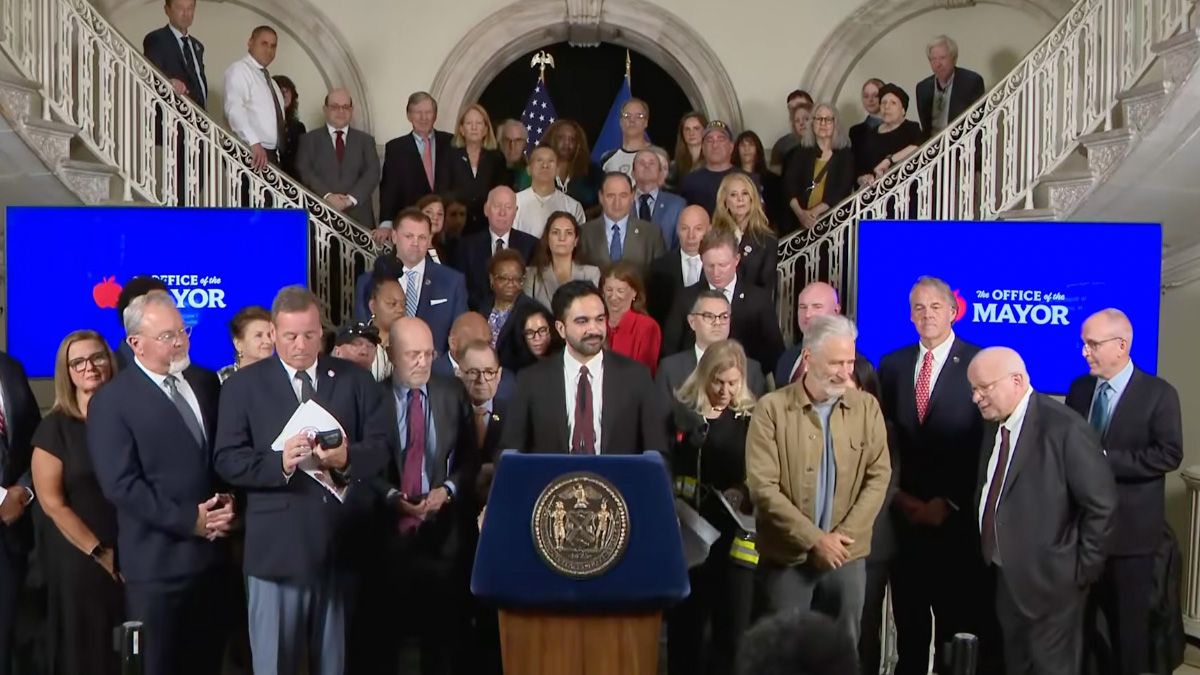
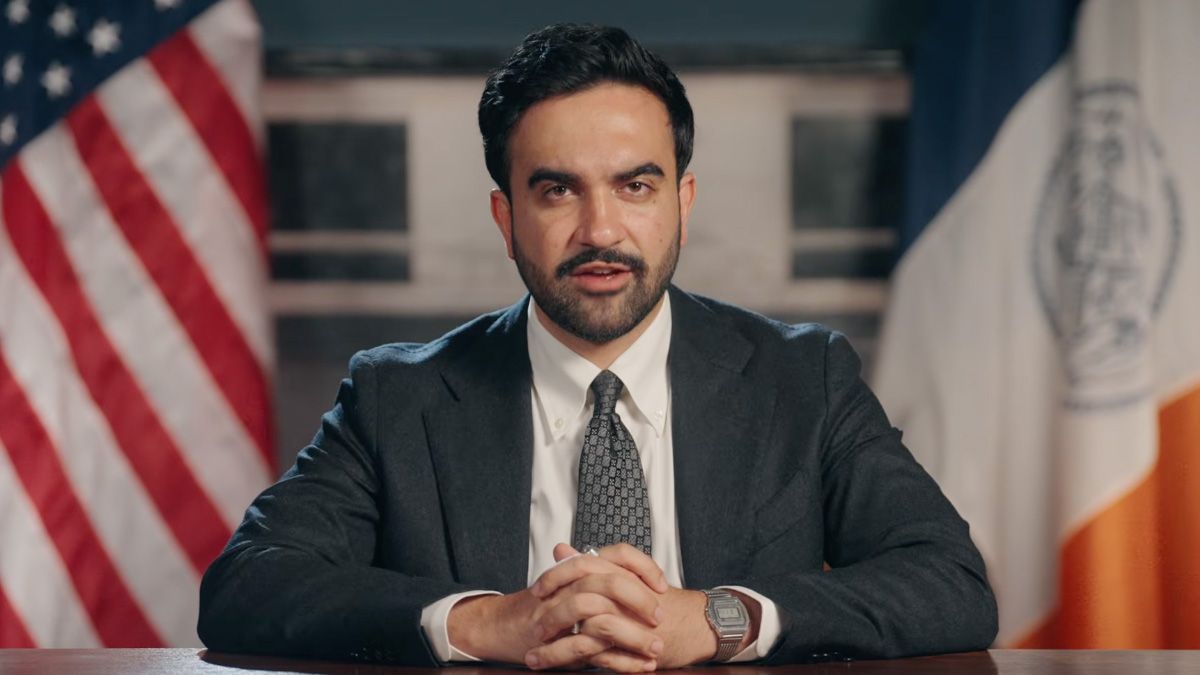
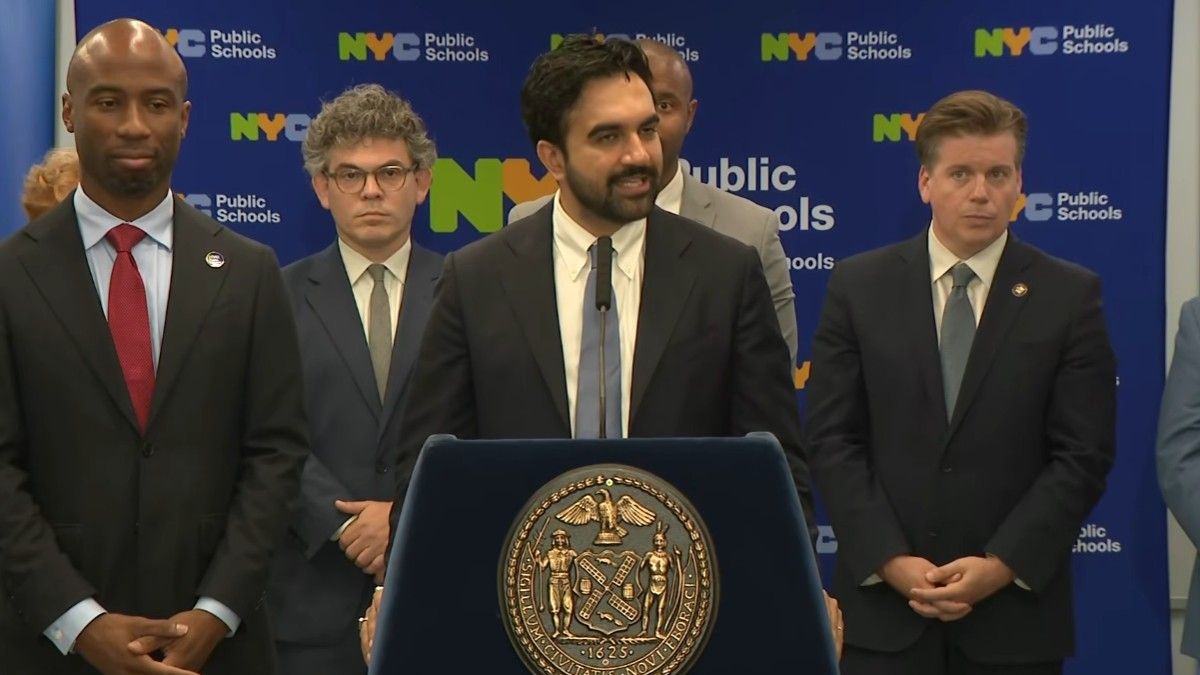
Mayor Zohran Kwame Mamdani and Schools Chancellor Kamar H. Samuels announced the policy on 2 September 2026, alongside new screen-time recommendations and a broader review of technology used across the school system.
The policy will affect nearly 600,000 public school students, or about two-thirds of the system's total enrolment, according to the Mayor's press release.
“Children need teachers and human connection in order to learn and grow,” Mamdani said.
“They need to develop skills alongside their peers, build relationships with educators and wrestle with tough problems on their own.”
The policy is being presented by city officials as a measure to protect human interaction, curiosity and independent thinking while the city studies the effects of generative AI in education.
Samuels said the Education Department would use the year to assess evidence and establish safeguards around rapidly changing technology.
“We’re putting guardrails in place to protect the human connection, curiosity and creativity that help children grow,” Samuels said.
High school students receive limited AI access
The moratorium does not apply in the same way to high school students.
All public high school students will have access to twice-yearly AI literacy modules designed to help them understand and critically assess the technology before relying on it.
The two modules, each lasting 45 minutes, will cover what AI is and is not, alongside AI-related bias, risks, ethical considerations, careers and future skills.
The city will also introduce five limited AI pilot programmes for a maximum of 50,000 high school students in general education classes, representing about 5% of the public-school student body.
Participation will be limited to a maximum of five classes per high school. Students must use the tools under the direct supervision of trained educators.
The selected platforms are Quill, Edia, Brisk Teaching, Playlab and Intel AI-Ready Schools.
Quill will be used in English language arts classes for close reading, text analysis and evidence-based claims, with usage limited to 15 minutes per week.
Edia will be used in mathematics classes to provide step-by-step coaching and encourage students to explain their reasoning. Usage will be limited to 20 minutes per week.
Brisk Teaching will provide guided practice through teacher-created activities, with students using Brisk Boost for 10 to 20 minutes once or twice a week.
Playlab will be used across subjects for assignment-specific applications and for examining AI outputs for bias and reasoning. No more than two assignments per marking period will use the platform.
Intel AI-Ready Schools will support semester-long projects in which students identify community problems and develop AI solutions. Students will use the tool for one period per week.
Teachers retain limited AI use
Teachers will remain permitted to use AI for instructional planning and operational tasks, provided the tools comply with New York City Public Schools safety standards.
The policy also contains exceptions for assistive technology used by students with disabilities, multilingual learners and students participating in career-readiness programmes such as computer science.
Companion chatbots, however, will be prohibited across all grades.
New screen-time recommendations
The city is also introducing age-based recommendations for 1-to-1 screen time.
Students in second grade and below will have restricted 1-to-1 screen time. The city recommends a daily cap of 30 minutes for pupils in grades three through five and 45 minutes for pupils in grades six through eight.
The policy follows broader concerns among schools, parents and students about how to incorporate AI while limiting over-reliance on the technology and preventing cheating.
Mamdani said schools should apply the same critical approach to AI that they teach students to use when evaluating other information.
“Each day when our children come to school, we teach them to ask questions, to challenge assumptions, to interrogate the premise, to ask why,” he said.
Technology review and stakeholder coalition
During the 2026-27 school year, a Technology in Schools Coalition will assess the impact of the moratorium and the limited pilot programmes.
The coalition will include students, educators, parent leaders, elected officials, advocates, union partners and technology experts.
It is expected to publish recommendations for future school years.
Separately, New York City will conduct an exhaustive review of technology tools used by public schools and remove those deemed non-essential to learning.
The review will examine vendor accountability, safety and transparency standards, ethics, evidence of learning design, instructional impact, previous research and continuing user feedback.
The policy has received support from several elected officials and technology-sector representatives.
Public Advocate Jumaane D. Williams described the moratorium and screen-time restrictions as important steps, while Assemblymember Robert Carroll said early education should prioritise foundational skills and evidence-based practices.
Technology industry response
Tech:NYC President and CEO Julie Samuels said high school students should have access to AI career-readiness tools while maintaining strong safeguards for younger pupils.
She also recommended eventually expanding high school access beyond one hour a week.
The policy has also drawn questions from education and children's advocacy groups.
Michael Mulgrew, president of the United Federation of Teachers, praised the screen-time limits but said the AI policy left questions about how the Education Department would ensure stronger AI safeguards in products it purchases.
Josh Golin, executive director of Fairplay, said a one-year moratorium was insufficient to evaluate the technology fully.
“A year to evaluate is not nearly enough time,” Golin said, arguing that AI platforms should demonstrate that their products are effective, safe and do not displace face-to-face interaction or enable widespread cheating.
New York City public school students are scheduled to return to classrooms next week.