Malaysia seizes AI servers containing chips worth US$12.11 million in suspected smuggling case
Malaysian customs officials have seized 30 servers containing advanced AI chips worth RM49.5 million at Kuala Lumpur International Airport, bringing the value of five suspected cases linked to the same smuggling network to more than RM100 million.
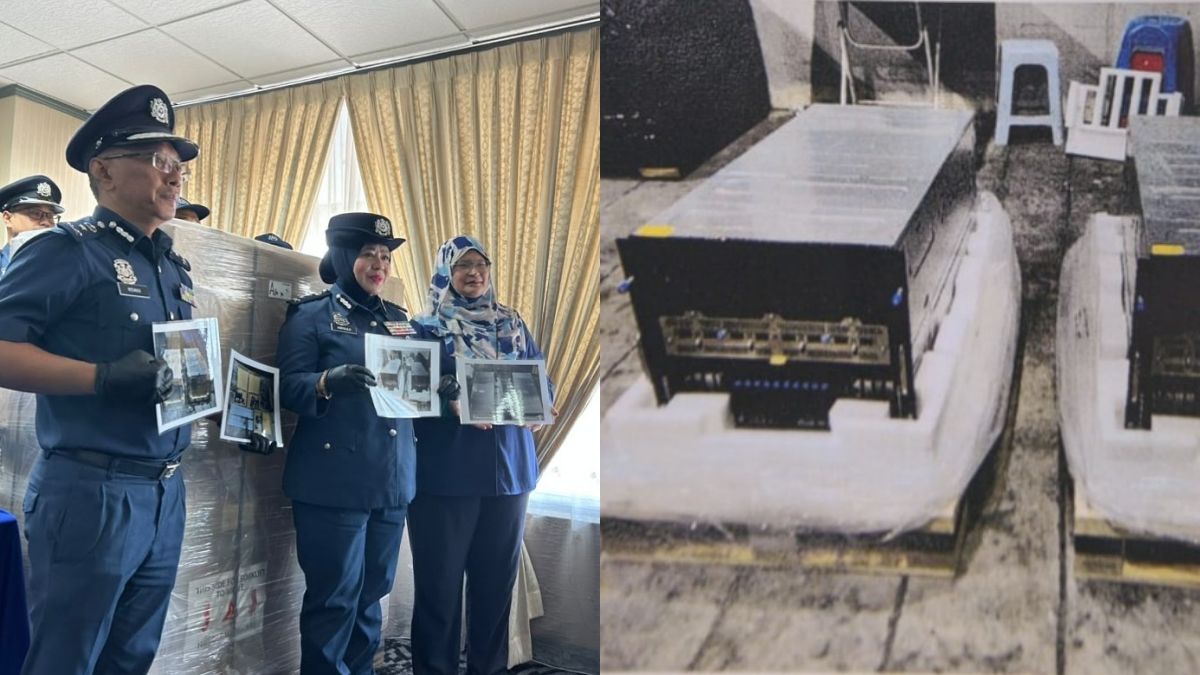
- Malaysian customs seized 30 servers containing advanced AI chips worth RM49.5 million at Kuala Lumpur International Airport on 15 October.
- Authorities suspect the shipment was misdeclared as electronic components to avoid restrictions during re-export to another Asian country.
- Five suspected cases linked to the same syndicate have resulted in seizures worth more than RM100 million this year.

SELANGOR, MALAYSIA: Malaysian customs officials have seized 30 servers containing advanced artificial intelligence (AI) chips worth nearly RM49.5 million (approximately US$12.11 million), including duties and taxes, at Kuala Lumpur International Airport (KLIA), as authorities investigate a suspected semiconductor smuggling network.
The seizure took place on 15 October 2026 during an inspection at a warehouse in the airport’s free trade zone. Customs officials suspect the servers were brought into Malaysia before being re-exported to another Asian country without the necessary regulatory approvals.
Aspalila AG Tuah, director of Kuala Lumpur Airport Customs, said preliminary investigations indicated that the shipment had been falsely declared as electronic components to avoid detection and restrictions during its onward journey.
“The servers were falsely declared as electronic components ... and shipped through Malaysia to ensure there would be no restrictions imposed while being exported to the next destination,” she said, according to Malaysia Gazette.
A Malaysian company involved in facilitating the shipment has been called in to assist the investigation, which remains ongoing.
Five suspected cases linked to the same network
Malaysian customs said five cases involving advanced AI chips had been recorded this year, with the total value of seizures exceeding RM100 million (approximately US$24.4 million).
Authorities suspect all five cases involved the same syndicate, which allegedly used Malaysia as a transit point to move controlled semiconductor technology between Asian destinations.
Aspalila said the latest seizure was suspected to be connected to a similar smuggling attempt intercepted by customs officials in June 2026.
She declined to disclose further details about the suspected network, citing the ongoing investigation.
In the June case, customs officials seized 72 servers containing advanced AI chips worth RM52.92 million, including duties and taxes, at KLIA’s free trade zone.
Preliminary investigations indicated that the servers originated from an Asian country and were intended for re-export to another destination in the region. Authorities suspected the shipment had been declared as computer components to evade detection.
One individual was arrested in connection with the June case. The investigation remains ongoing.
Malaysia tightens controls on advanced AI chip shipments
Malaysia has strengthened controls on the movement of advanced AI chips since 2025, particularly high-performance chips originating from the United States.
The measures followed pressure from Washington to curb the flow of advanced computing technology into China.
Malaysia’s controls operate under its existing Strategic Trade Act 2010, rather than imposing a blanket prohibition on AI chips.
In June 2025, Malaysia brought its revised Strategic Trade (Strategic Items) List 2025 into force, updating the framework governing exports and transfers of controlled strategic goods.
The Ministry of Investment, Trade and Industry (MITI) subsequently announced that exports, transhipments and transit movements involving specified high-performance AI chips of US origin would require a strategic trade permit, effective from 14 July 2025.
The measure was intended to address regulatory gaps while the government reviewed whether to formally include the chips in Malaysia’s Strategic Items List.
Permit requirements cover transit and re-export
According to Aspalila, certain transactions involving advanced AI chips require prior notification to the Strategic Trade Secretariat under Malaysia’s regulatory framework.
Parties intending to export, tranship or bring designated AI chips into Malaysia for transit must notify the secretariat at least 30 days in advance if they know, or have reasonable grounds to suspect, that the goods could be used for restricted activities.
Where required, applicants must also obtain the relevant permit under the Strategic Trade Act 2010.
Authorities suspect the 30 servers seized in October were misdeclared to circumvent these controls. Preliminary findings indicated that the shipment entered Malaysia under an air waybill before being prepared for re-export to another Asian country.
The servers have been seized for further examination because investigators suspect the shipment involved unlisted goods and restricted activities under the Act.
Advanced AI chips are classified as dual-use items because they can support a range of technological applications, including military-related uses.
Penalties include fines and possible imprisonment
The October case is being investigated under Section 12 of the Strategic Trade Act 2010.
For offences committed intentionally, individuals may face a maximum fine of RM10 million or imprisonment for up to 10 years, or both. Companies found guilty of such offences may face fines of up to RM20 million.
For offences committed without intent, individuals may face a maximum fine of RM5 million or imprisonment for up to five years, or both. Companies may face fines of up to RM10 million.