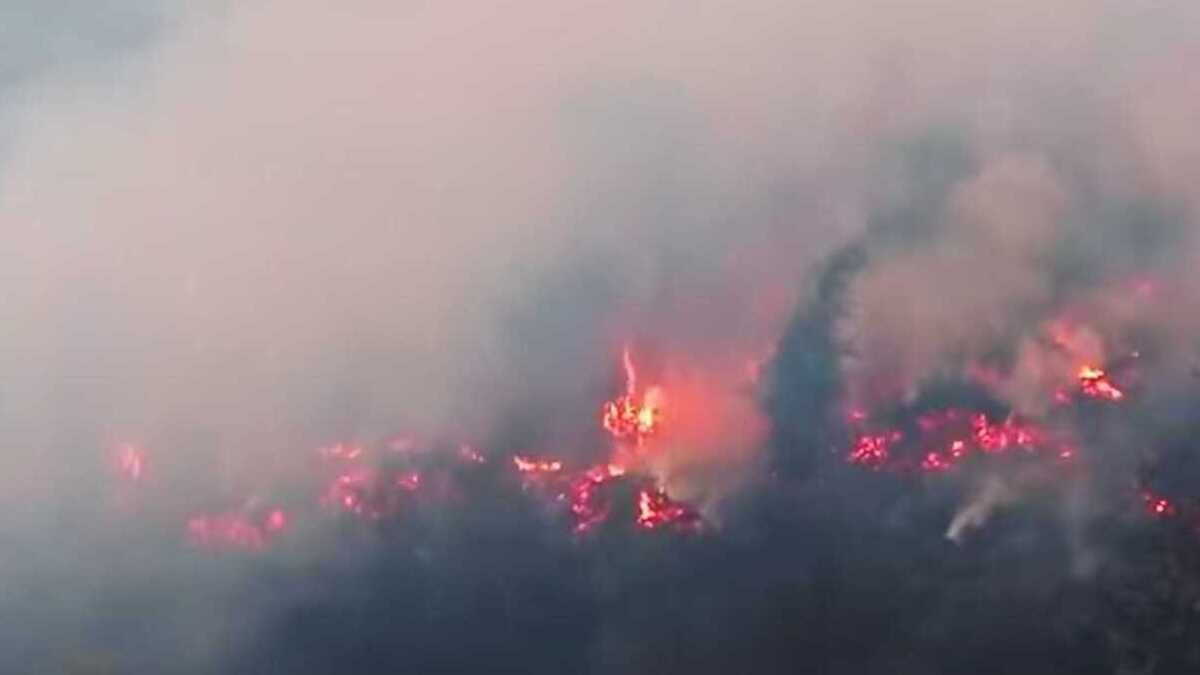
Indonesia evacuates 615 residents as Mount Sinabung volcanic activity intensifies
Indonesian authorities have evacuated 615 residents from Kuta Tengah village in North Sumatra after Mount Sinabung erupted and its activity level was raised to Standby.
- Authorities evacuated 615 residents from Kuta Tengah after Mount Sinabung’s volcanic activity intensified.
- PVMBG raised the volcano’s status from Level II Alert to Level III Standby.
- Authorities expanded danger zones and warned communities near rivers about possible lahars.

Indonesian authorities have evacuated 615 residents from Kuta Tengah village in North Sumatra’s Karo Regency as volcanic activity at Mount Sinabung intensified following an eruption earlier this week.
The evacuation involves around 211 families from Kuta Tengah Village, Simpang Empat District, who have been moved to the Emergency Response Post in Sukatepu Village, Naman Teran District, according to the National Disaster Management Agency (BNPB).
Acting Head of the BNPB Data, Information and Disaster Communication Center, Berton SP Panjaitan, said on Wednesday that the evacuation was carried out as a precaution against potential volcanic hazards.
The evacuation prioritised residents living in areas considered vulnerable to the volcano’s activity. Meanwhile, residents of Payung Village in Payung District remained at home while staying on high alert under the supervision of the authorities.
Volcanic activity prompts alert-level increase
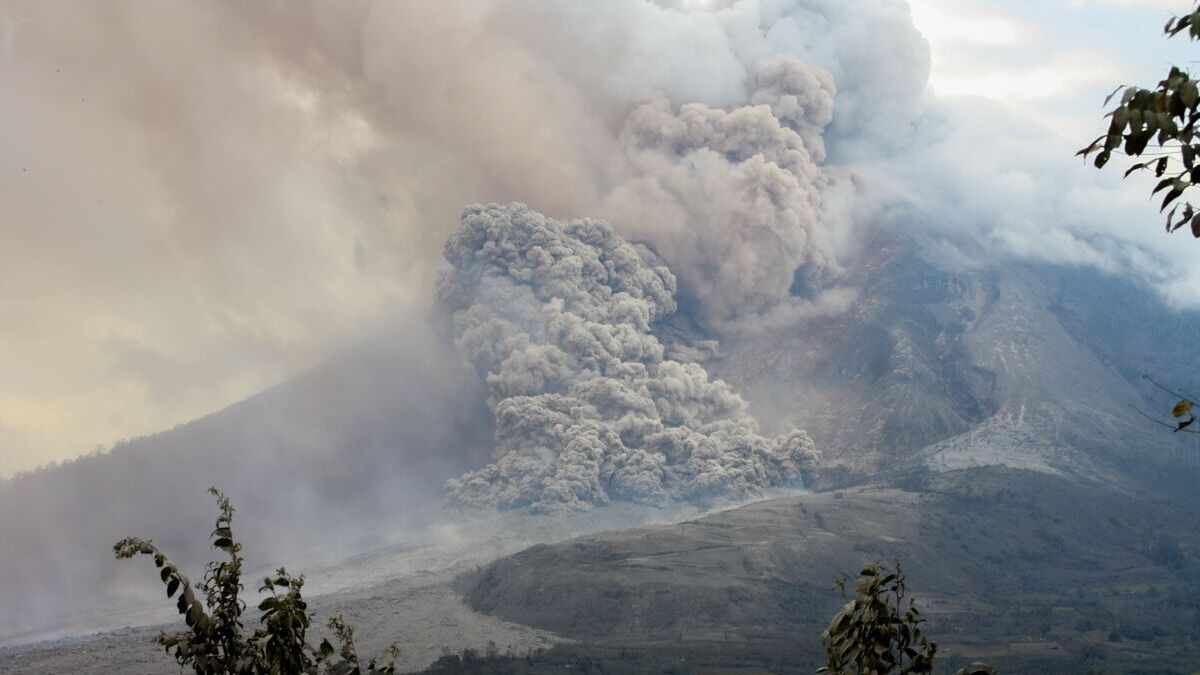
The evacuation followed an eruption of Mount Sinabung at noon on Monday (31 August), which produced an eruption column reaching approximately 3,500 metres above the volcano’s summit, or about 5,960 metres above sea level.
Visual and instrumental monitoring subsequently indicated an increase in volcanic activity. Based on the assessment, the Centre for Volcanology and Geological Hazard Mitigation (PVMBG) raised Mount Sinabung’s activity level from Level II (Alert) to Level III (Standby), effective from 12.30pm on 31 August.
The eruption was considered an initial eruption, with authorities warning that further increases in volcanic activity remain possible.
Areas being monitored include Ndokum Siroga and Kuta Tengah villages in Simpang Empat District, as well as Payung Village in Payung District.
Restricted area expanded
Authorities have expanded the disaster-prone area around Mount Sinabung based on recommendations from the Geological Agency under the Ministry of Energy and Mineral Resources.
Residents and visitors are prohibited from carrying out activities in villages that have previously been relocated, within a three-kilometre radius of the volcano’s summit, and within sectors extending up to six kilometres towards the south-east.
The BNPB has urged residents and tourists to comply with the restrictions and avoid entering designated danger zones.
The restrictions apply in addition to the evacuation measures being implemented for communities considered vulnerable to the volcano’s activity.
Residents moved to emergency shelter
The Karo Regency Regional Disaster Management Agency (BPBD) has been directing residents to leave danger zones and move to safer locations.
The agency has also distributed masks to communities in areas affected by volcanic ash.
Authorities continue to monitor conditions in areas around Mount Sinabung, including communities that have not been evacuated but remain potentially exposed to volcanic hazards.
Residents living around rivers originating on Mount Sinabung have also been warned to remain alert to the potential danger of lahars.
Monitoring continues
The PVMBG continues to conduct visual and instrumental monitoring of Mount Sinabung’s activity.
The volcano’s activity level is evaluated periodically and may be reassessed at any time if significant changes are detected.
Meanwhile, the emergency transition to disaster recovery status for the Mount Sinabung eruption in Karo Regency, based on Decree No. 361/559/BPBD/2026, remains in effect for 90 days, from 8 July to 5 October 2026.
The BNPB has urged communities around Mount Sinabung to remain calm and increase their vigilance as volcanic activity develops.
Residents and visitors have been instructed to comply with designated danger zones, avoid activities in villages that have been relocated, and follow directions from the local government and relevant authorities.
People living near river channels originating on Mount Sinabung have also been urged to remain alert to possible lahars.