Trump signs order renaming Lake Ontario as "Lake America" amid Canada trade war
US President Donald Trump has signed an executive order directing the Interior Department to rename Lake Ontario as "Lake America" in United States federal records, escalating a trade dispute with Canada. Canadian leaders rejected the move, noting the lake's Indigenous name predates both nations.
- Executive order directs Interior Department to rename Lake Ontario as "Lake America" within 30 days.
- Move follows collapsed trade talks and 50 per cent US tariffs on Canadian goods.
- Canadian and New York officials reject the name; no international body governs shared water names.

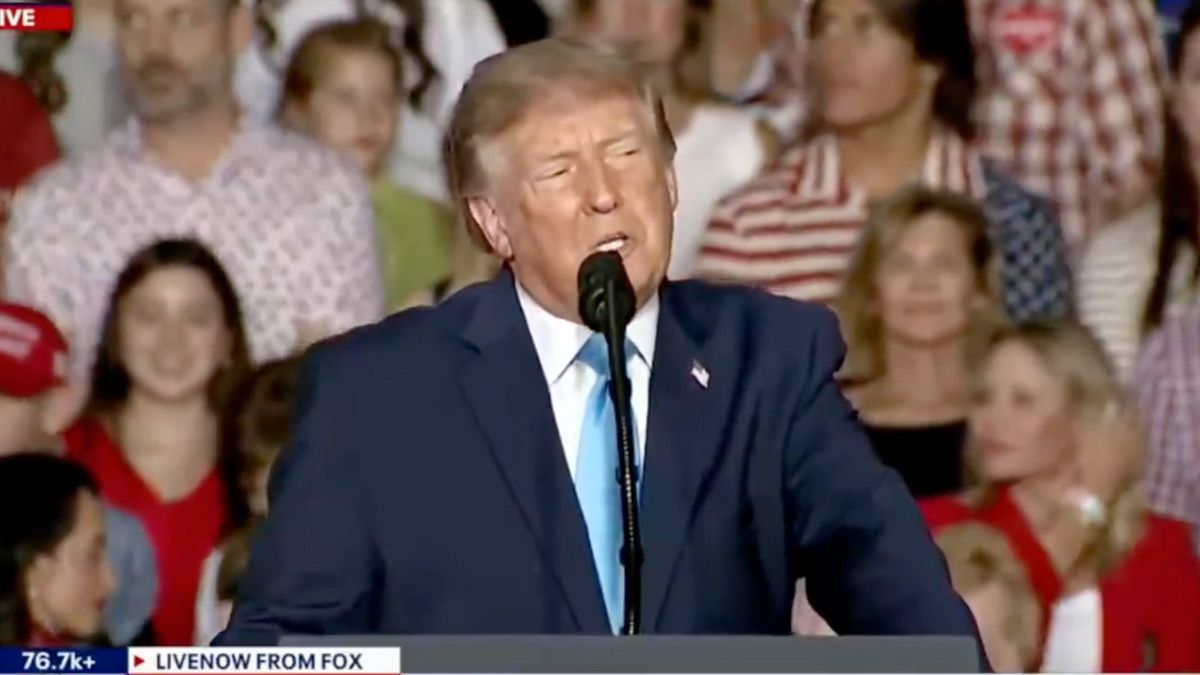
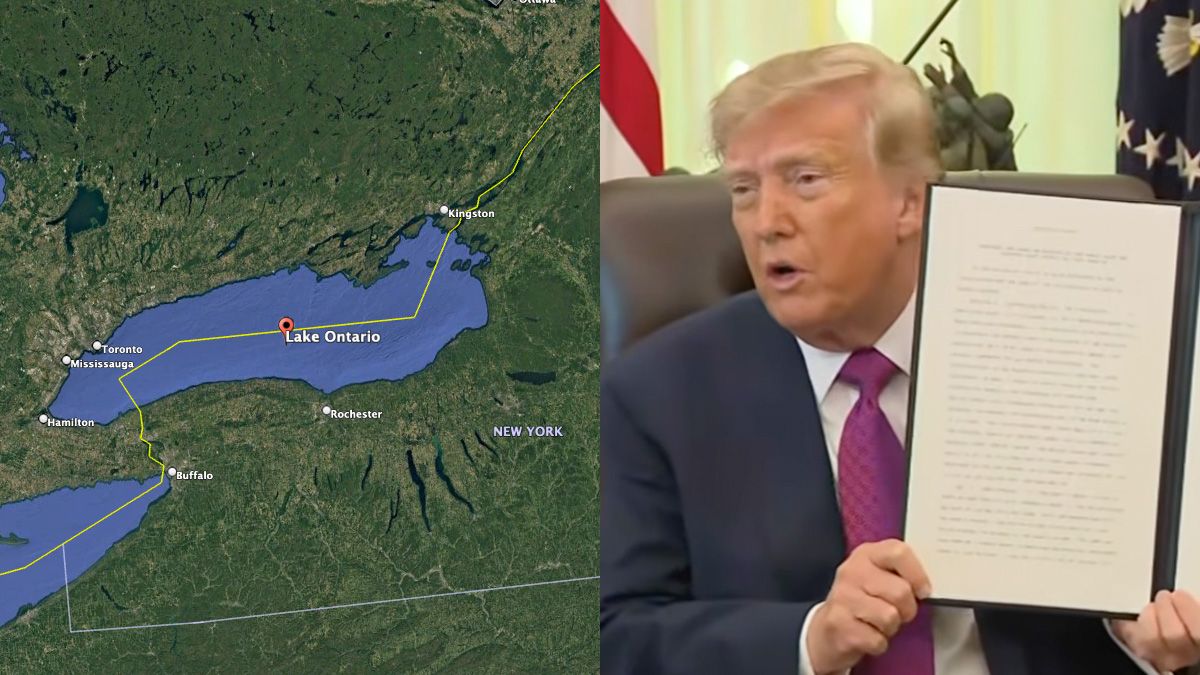
United States President Donald Trump signed an executive order on Thursday, 27 August 2026, directing the Department of the Interior to rename Lake Ontario as "Lake America" in federal geographic records.
The order applies only to United States government usage. Trump has broad discretion over how Washington recognises geographic features and landmarks, but he cannot compel Canada or any other country to adopt the new name.
Signing the document at the Resolute Desk in the Oval Office, Trump said he had notified the relevant parties and completed the required procedures. "And this is official, effective immediately," he added.
The text of the order, however, gives the Interior Department 30 days to update the Geographic Names Information Service, the official repository of domestic geographic names in the United States.
Behind the president stood a large map of the Great Lakes with "Lake America" printed over Lake Ontario in red lettering. A second map carried the slogan "Making the Great Lakes even greater".
Trade dispute provides the backdrop
The renaming follows the collapse of trade negotiations between Washington and Ottawa last week. The United States subsequently imposed 50 per cent tariffs on US$20 billion (C$28 billion) worth of Canadian goods.
Canada responded with retaliatory measures targeting a comparable US$20 billion in American products, including steel, dairy products, appliances and farm equipment. Ottawa has described the package as a dollar-for-dollar response, with implementation set for next month.
Both governments have accused the other of introducing last-minute demands that caused the talks to break down.
Trump has repeatedly needled Canada since returning to the White House last year, including by suggesting that the country should be absorbed as the 51st state.
Asked whether the renaming carried a geopolitical message, Trump said it did not, but added that "Canada's been ripping us off for a long time" on trade and military matters.
He said Canadian representatives had sought treatment as a state, adding that the United States could no longer accommodate that. He also said he retained affection for the Canadian people while criticising their officials.
Trump further suggested that the exercise might continue, telling reporters that having renamed a gulf and a lake, an ocean might follow, with the Atlantic and Pacific named as possibilities.
Canadian officials reject the change
Canadian Prime Minister Mark Carney dismissed the order, invoking the lake's Indigenous origins and noting that the name can be traced back more than 400 years, predating both Canadian Confederation and the United States Declaration of Independence.
Carney said the United States was changing its trade relations, its foreign policy, its national monuments and its hydronyms. He added that Canadians know things must be called by their name, and that the lake is called Lake Ontario, today and forever.
Ontario Premier Doug Ford, who has exchanged insults with Trump, wrote on X that the lake is Lake Ontario to Canadians and the rest of the world, "now and forever".
Nova Scotia Premier Tim Houston was more blunt, saying the situation had descended into foolishness and that the body of water remains Lake Ontario.
Canadian trade minister Dominic LeBlanc offered a rare conciliatory note, saying the United States had withdrawn some of its demands relating to French-language labelling requirements, one of the sticking points in negotiations. Washington has maintained that it never made demands about language.
Mixed reaction within the United States
Secretary of the Interior Doug Burgum endorsed the order, writing that his department was on it. He said waters bordering the nation should reflect the greatness of the United States, and that the US Geological Survey (USGS) would implement the change.
New York Governor Kathy Hochul, whose state is the only one bordering Lake Ontario, said New York would not be using the new name.
Democratic representative Debbie Dingell of Michigan, which borders four of the five Great Lakes, said she would introduce a bill in Congress to nullify the change, describing the order as idiotic. She said the Great Lakes are a shared treasure that Americans and Canadians have worked together to protect.
Precedent and naming authority
The action mirrors Trump's 2025 executive order renaming the Gulf of Mexico as the "Gulf of America". Mexico rejected that change, arguing that a single country cannot unilaterally rename a shared international body of water.
That dispute produced a legal conflict between Mexico and Google after the technology company altered the name in its mapping application. Google Maps users in the United States now see "Gulf of America", users in Mexico see "Gulf of Mexico", and users elsewhere see both.
The White House also barred Associated Press (AP) reporters from presidential events over the agency's refusal to adopt the new name in its coverage. The AP sued the administration, and that litigation remains ongoing.
No single international body determines the names of international bodies of water, leaving each state free to record its own designation.
Lake Ontario is the smallest of the Great Lakes and borders the Canadian province of Ontario and the US state of New York. Its name derives from the Huron word "oniatarí:io", meaning lake of shining waters.
The names of four Great Lakes — Ontario, Huron, Michigan and Erie — originate from Indigenous words, while Lake Superior derives from an anglicised French term. The province of Ontario, founded in 1867, took its name from the lake.