Baby orangutan Jack returns to forest after rehabilitation in Indonesia
Jack, a rescued baby orangutan, was released back into the forest in East Kalimantan on 10 August 2026 after months of rehabilitation. He was rescued in late 2025 and had previously received medical treatment and care following his separation from his mother.
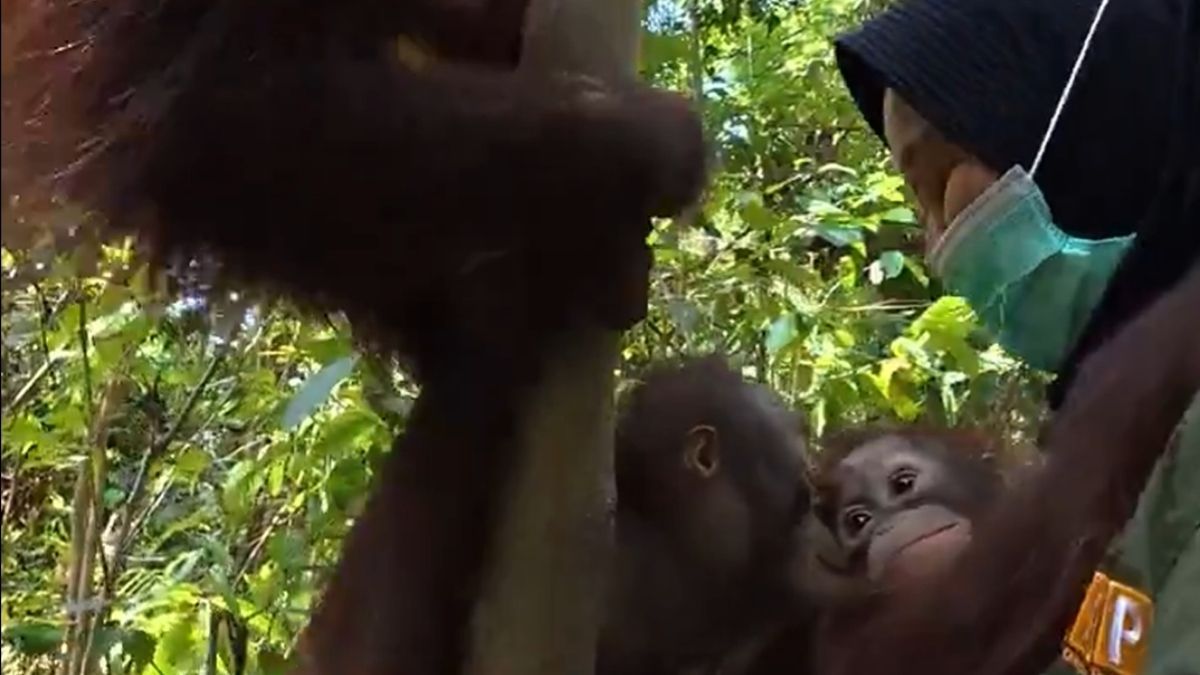
- Jack was released into a forest in East Kalimantan on 10 August 2026.
- His rehabilitation followed injuries, illness and separation from his mother in late 2025.
- The release came after Jack first met and joined other orangutans.

Jack, a rescued baby orangutan, was released back into the forest in East Kalimantan on 10 August 2026 after undergoing rehabilitation following his rescue in late 2025.
The latest update marks a new stage in Jack's rehabilitation after he spent months receiving care following his rescue. A separate report published by Earth.org on 4 February 2026 had described his condition and rehabilitation at that time.
The release update said Jack had, by 10 August, met and joined other orangutans for the first time. The accompanying video shows Jack being prepared for and released into a forest environment.
Rescue and early care
Jack's rescue is described differently in the sources provided.
Earth.org reported on 4 February that The Orangutan Project, working with partners, rescued Jack in December 2025 and transferred him to the BORA Rescue Centre in East Borneo, Indonesia. According to the report, Jack had been kept illegally as a family pet and was confined and restrained.
Earth.org said a heavy chain had been locked around Jack's neck and that he had been confined to a small wooden box about two metres above the ground. The chain and ropes had caused a deep, open wound on his neck, which became visible when he hung upside down.
The report said Jack had been separated from his mother at a young age. Orangutan mothers normally care for their young for years, during which the infants learn skills including climbing, foraging, building nests and navigating their forest environment.
Meanwhile, CAN Borneo described Jack as having been rescued by the East Kalimantan Natural Resources Conservation Agency (BKSDA) and cared for at the Long Sam Wildlife Rescue Centre.
Jack arrived with a fever, a weak body and injuries from thorns embedded in his fingers. CAN Borneo said he was initially frequently crying and that trained keepers provided intensive care, including companionship at night.
Other local reports included in the source material said Jack was found alone beneath an oil palm tree in a plantation in East Kutai, East Kalimantan, in late November 2025. They said he had a fever, mild dehydration and wounds on his hands and feet caused by oil palm thorns before being taken into care.
Rehabilitation and recovery
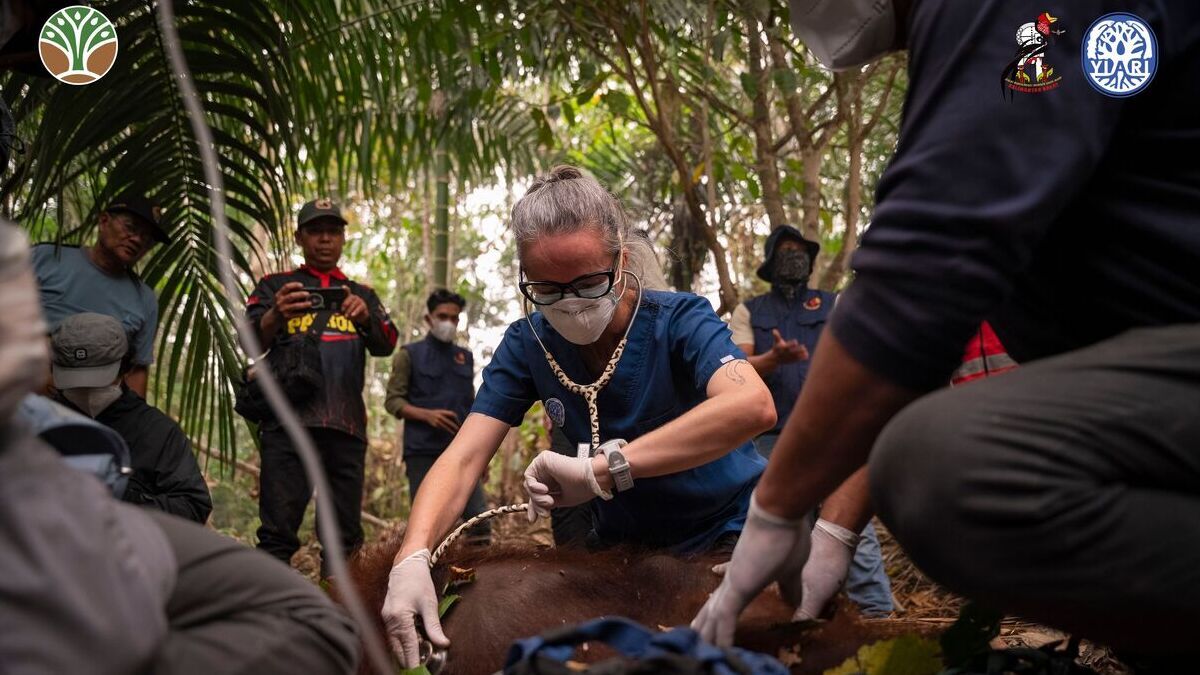
By February, Earth.org reported that Jack's neck wound was healing and that he had undergone medical examinations. He was eating regularly and showing signs of improving overall health.
The organisation said that, after completing quarantine and receiving medical clearance, Jack would be introduced to other orphaned orangutans in its care. His caregivers described him as gentle, curious and playful.
CAN Borneo also reported improvements in Jack's condition. He became more active, played with keepers in trees and had begun attempting to build his own nest.
Local reporting on Jack's rehabilitation said he was initially smaller and more withdrawn than the other young orangutans at the Long Sam centre. He gradually began interacting with two other orangutans, Hannes and Lukas, although he continued to spend time close to his keepers.
The rehabilitation process was intended to help Jack regain the skills needed to live independently. Earth.org said he would attend “Jungle School”, where young orangutans could experience a forest environment, interact with other orangutans and learn skills needed for survival.
First contact with other orangutans
Jack had spent a long period undergoing rehabilitation after suffering physical and emotional trauma. The Orangutan Project rescued him in December 2025, and he was subsequently rehabilitated at the BORA Rescue Centre in Berau, East Kalimantan.
The report said Jack had grown up without his mother and had to learn skills independently through forest-school rehabilitation. During the process, a stuffed toy became a companion that he frequently hugged.
On 10 August, Jack met and joined other orangutans for the first time, according to the report. It described the meeting as a significant moment for those caring for him.
The latest Instagram update reported that Jack was subsequently released back into the forest, marking the latest development in his rehabilitation.
Jack's release follows months of care after he was separated from his mother and brought into rehabilitation. His story has involved medical treatment, gradual adaptation to his surroundings and efforts to develop behaviours needed for life outside captivity.